• Skip to primary navigation
  • Skip to main content
  • Skip to primary sidebar
  • Texas A&M Forest Service
  • Texas A&M Veterinary Medical Diagnostics Laboratory
  • Texas A&M AgriLife Extension Service
  • Texas A&M AgriLife Research
  • Texas A&M College of Agrculture and Life Sciences
West Texas Rangelands
West Texas RangelandsWe hope to provide a variety of science-based rangeland information and current research on prescribed fire, wildfires, brush management, and grazing management!
  • Menu
  • Home
  • About & Contact
  • Publications
    • Extension Publications
    • Refereed Journal Articles
    • Program Summaries
  • Events
  • Lunch N’ Learn
  • Infographics
    • Drought
    • Grazing
    • Herbicide
    • Prescribed Fire
    • Rangeland Plants
    • Wildfire
  • Range Resources
    • Published to Pasture
    • Range Concepts
  • Fire Resources
  • Sponsors
  • AgriLife Learn Online Courses

Take What You Need & Let The Range Succeed: Principles of Sustainable Grazing

July 8, 2026 by kara.matheney

Article written by Mr. Burkes Kissire, Sutton County 4-H Member

When looking out into a rangeland, you might think that all the grass you see can be fully grazed, but when you look a little deeper into the subject, you begin to realize that you may be wrong.

Rangelands are the most valuable resource available to livestock producers in Texas. A well-managed rangeland can easily sustain both livestock and wildlife, while also maintaining healthy soil. However, these resources can decline quickly when overused. One of the most recommended grazing practices is the Take 50%, Leave 50% concept. While simple in theory, this management practice can have significant impacts on the long-term health and the productivity of your land.
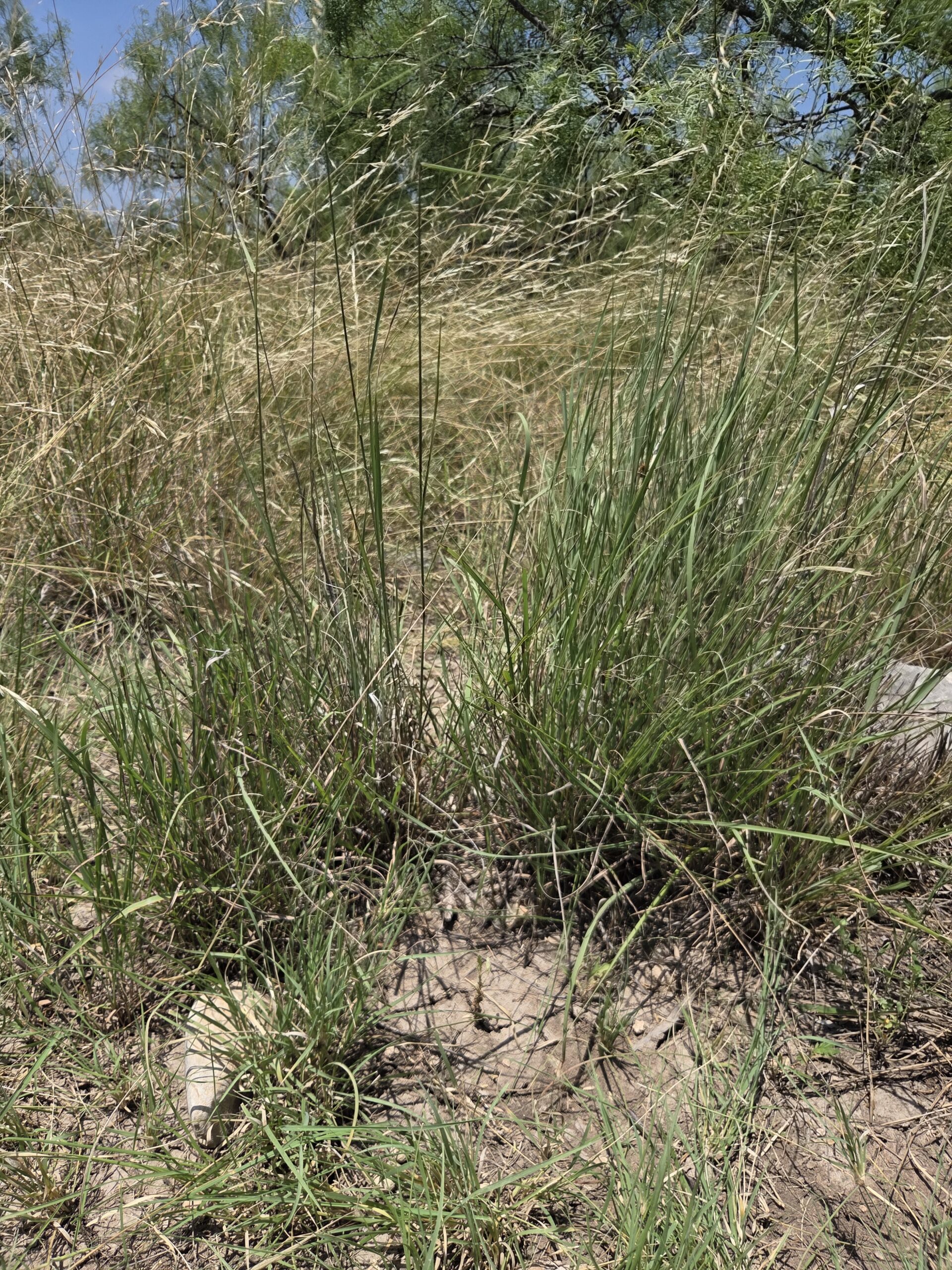
Take 50%, Leave 50% is exactly what the name suggests: only half the edible forages should be removed from the pasture. Importantly, this must be based on the weight of the edible forage, rather than the height of the plant. Different plants grow differently, making height an unreliable factor for estimating. By only focusing on the amount of forage used, rangeland managers can better manage their plants and rangelands and ensure that plants retain enough leafy material to recover the lost material efficiently and quickly.

Leaving half of the plant is essential for the plant’s health since plants rely on their leaves to capture available sunlight and produce energy they need through photosynthesis. When too much of the leaf is grazed, the plant goes into a state of emergency, in which the plant begins to use energy stored in the roots for regrowth. Depending on how much leaf was removed, a portion of the roots will stop growing. In contrast, when 50% or more of the leaf material remains and contributes to photosynthesis, the plant recovers more quickly, leading to more efficient plant growth and healthier roots.

Proper grazing affects the roots more than you think. A pasture full of healthy plants has a healthy root system that helps hold soil in place and helps hold water during a drought. Deep roots allow water to infiltrate the soil, instead of running off and eroding your soil. Healthy rangelands also promote nutrient cycling as plant material decomposes and returns nutrients to the soil. Over time, these processes and cycles will lead to better soil health, cleaner groundwater, and a more drought-resistant rangeland for years to come.

Applying the Take 50%, Leave 50% principle starts with understanding the amount available forage. Rangeland managers can visually estimate the amount of plant life in a pasture, but for precise measurements, you should weigh the grass. Begin by marking out a random square yard in your pasture, clip and weigh the grass, then convert this weight into pounds per acre. Knowing the exact amount of forage production in your pasture can help prevent overstocking and ensure that the plant retains enough material to regenerate.

Each livestock species selects different plants, making your choice of livestock very important. Cattle primarily graze taller grasses, and graze less selectively than other livestock species. Sheep graze shorter grasses, legumes, and other plants native to where they live. In contrast to both cattle and sheep, goats prefer browse, similar to a white-tail deer. Because each species has its preference, you can allow multiple species to graze or browse the same pasture to maximize operation. For example, if you have a pasture dominated by grasses that also has a considerable amount of browse, you may consider allowing both sheep and goats to graze and browse the same pasture.

Successfully applying this principle requires more than simply gauging your forage content. Rangeland managers must also consider carrying capacity, stocking rates, growing seasons, seasonal rainfall, and pasture recovery times. Strategies such as rotational grazing and deferred grazing help you maintain the perfect ratio of forage in your pasture. During a drought, you may have to reduce your stocking rate to ensure you do not lose too much grass.

The economic benefits of proper grazing are major. A healthy rangeland produces more edible forage over time, reducing the need for supplemental feeds. Good forage quality is important since it leads to efficient weight gain and overall improves herd quality. By maintaining productive plants on productive soil, producers can avoid costly restoration efforts needed after overgrazing. Sustainable grazing practices help protect natural resources we have and profitability.

The Take 50%, Leave 50% concept has remained one of the most reliable grazing practices since it can balance production and resource conservation. Following this principle helps maintain healthy plants and soil. This combination of benefits leads to productive rangelands for future generations. While every operation is unique, this practical principle can be applied almost anywhere, with any types of grass.

Sources: Dr. Doug Tolleson, Pascual Hernandez, Tammy Fisher
Filed Under: Conservation, Conservation Practices, Grazing Management, Sheep, Targeted Grazing, Woody Encroachment Tagged With: #AgriLifeExtension, #DoBetter, #GrazingManagement, #ResilientRangelands, #SustainableGrazing, #WestTexasRangelands, Growth, soil

The Power of Connection: How Social Interactions Affect the Utilization of Prescribed Fires

July 2, 2026 by kara.matheney

Article written by Jacob Court
West Texas Rangelands Intern
Graduate Student – Texas A&M University

Prescribed fire is one of the most effective methods of rangeland management, with benefits encompassing enhancing biodiversity, reducing woody plant encroachment, and even lowering wildfire risk. Despite these benefits, it is not often promoted by federal agencies due to the social stigma that surrounds fire. Many people just see it as a natural disaster and an event that needs to be avoided at all costs. This is not the case, though, because fire is a natural system that has existed in our rangelands long before humans came along. In fact, the reason fires are so large and destructive nowadays is due to the zero-tolerance policy towards fire that has been in place for decades. Due to this avoidance mentality, fires are happening less frequently and then burn with more intensity due to the increase of fuel loads on the ground, ironically caused by the lack of more regular fires. Today, people have strong anti-fire opinions, so Kreuter et al. decided to look into how these opinions affect the Natural Resource Conservation Service (NRCS) employees’ recommendations when it comes to prescribed fire management.

[Read more…] about The Power of Connection: How Social Interactions Affect the Utilization of Prescribed Fires

Filed Under: Prescribed Burning Tagged With: #AgriLifeExtension, #PrescribedFire, #WestTexasRangelands

Summer Weather Outlook

June 25, 2026 by kara.matheney

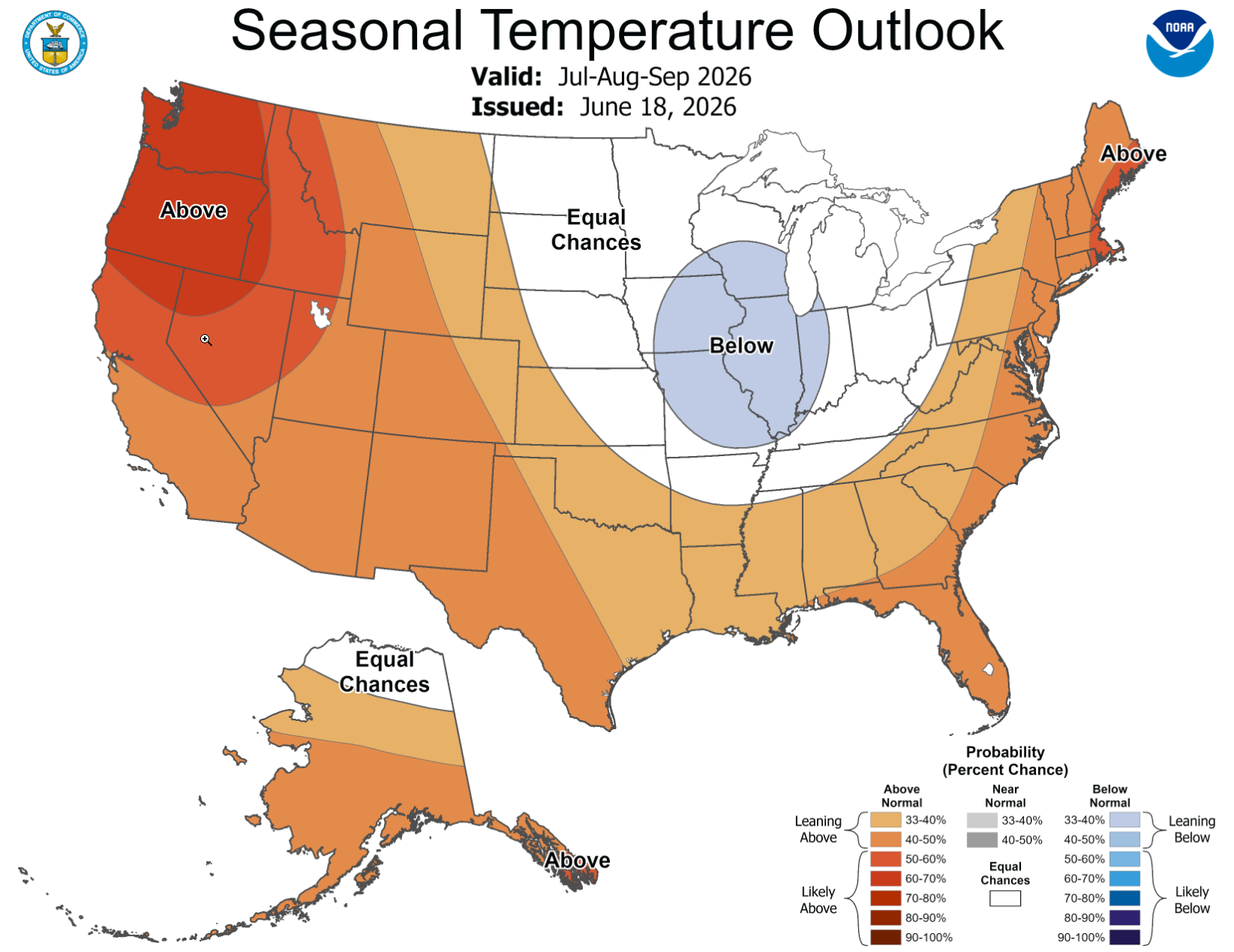
West Texas Rangelands would like to extend our gratitude to Mr. Luke Drosche for collaborating with us and providing this weather update for our readers.  We thank him for sharing his time, talents, and knowledge with us as a guest contributor.  Luke serves with Texas A&M AgriLife Extension Service as a Disaster Assessment and Recovery Specialist.   

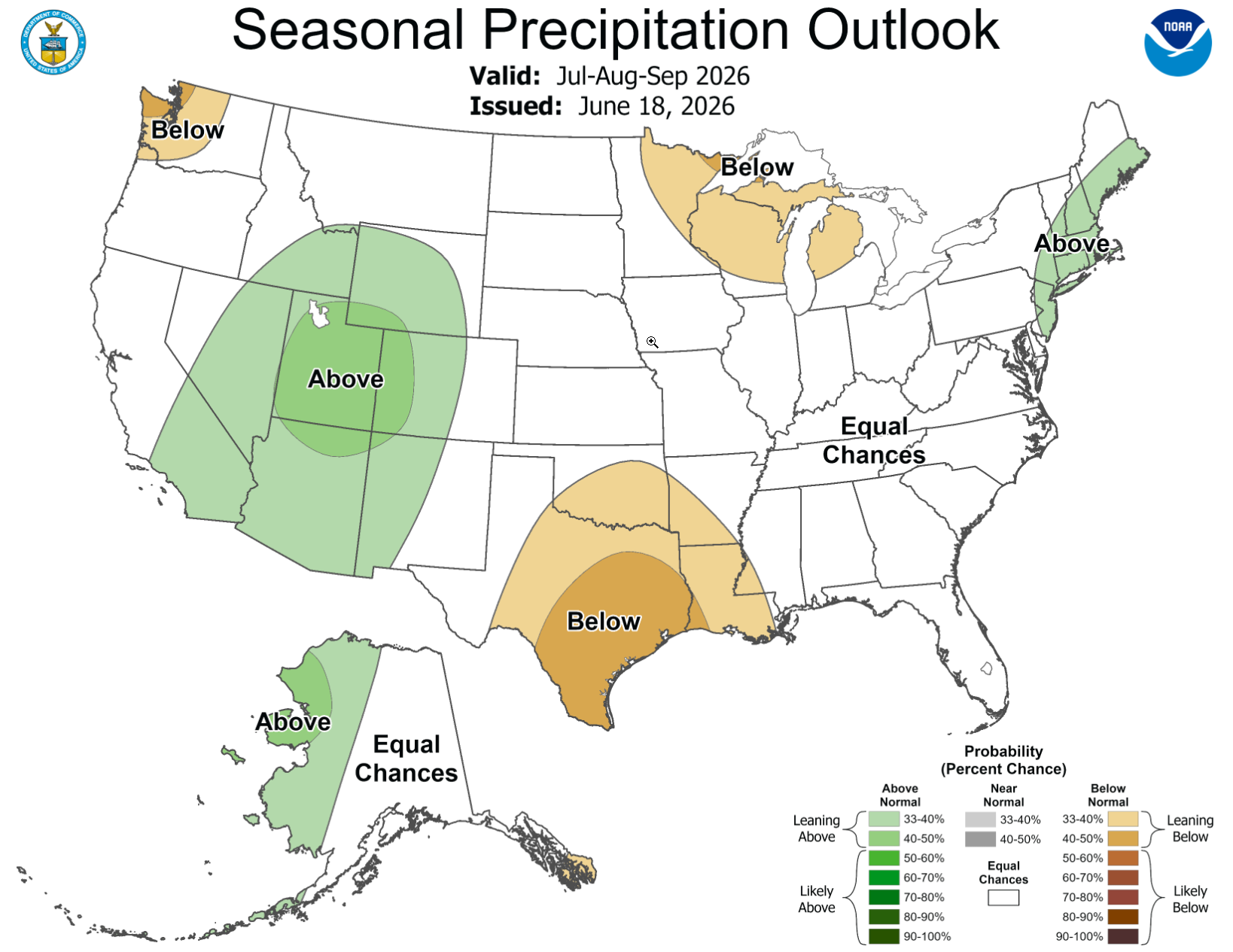
3-Month Precipitation Outlook
The last few months have proven soggy for much of the State with the exception of our friends in the panhandle and in the Northeast.  Multiple weather systems have impacted central and south Texas helping the drought situation.  Some of this looks to continue heading into the dog days of summer as a majority of the state is expected to mark near normal for monthly rainfall over the course of the next 3 months.  The exception to this is the immediate coastlines and some of the coastal prairies where there is a lesser chance of receiving normal rainfall.   It is important to note that we will certainly see dry, hot spells this summer that can create dry conditions and, in some areas, worsen droughts.

[Read more…] about Summer Weather Outlook

Filed Under: El Niño, Weather Tagged With: #AgriLifeExtension, #RangelandManagement, #Weather, #WestTexasRangelands

Burn Smarter, Not Just Hotter: Timing Fire for Plant Response in the Edwards Plateau

June 11, 2026 by kara.matheney

Article written by Kathryn O’Daniel
West Texas Rangelands Intern and Senior, Texas A&M University

The hottest fire is not always the best fire for meeting your management goals. In many cases, a fire applied at the right time is more effective than one with the highest intensity. Choosing when to burn is one of the most powerful tools land managers can use to guide rangelands toward a desired plant community.

Before striking a match, take time to evaluate what plants are currently present and what you want the landscape to look like in five or ten years. The timing of a prescribed burn can shift the ecological balance and help promote more productive, diverse, and resilient rangelands.

How Season Affects Fire Behavior
Fire behavior changes across the year due to variations in fuel type and moisture. Burns conducted during the growing season, typically late spring through summer and in some cases early fall, include more live plant material and higher fuel moisture. These conditions often result in variable fire behavior and patchier burns compared to dormant season fires.

Dormant season burns, commonly conducted in late fall and winter, rely primarily on dry, cured grasses. These fires are often more uniform in coverage due to consistent fuel conditions.

Understanding these differences allows managers to better match fire behavior with their objectives.

Managing Warm-Season Grasses
Warm-season grasses dominate much of West Texas rangeland and reach peak productivity during the summer. These grasses are generally well-adapted to fire.

Growing season burns can help favor warm-season native grasses, increase their competitiveness, and reduce accumulated plant litter. When combined with proper grazing management, these burns may also help suppress certain invasive species.

However, outcomes are influenced by factors such as rainfall, grazing pressure, and existing plant composition, so results may vary year to year.

Managing Cool-Season Grasses
Cool-season grasses grow earlier in the year and can provide valuable forage when warm-season grasses are dormant. Fire timing plays an important role in managing their abundance.

Burning during the active growth period of cool-season grasses, typically in the spring, can reduce their presence since plants are more susceptible to heat damage. In contrast, burning outside their growing season, such as in the summer, can favor cool-season species by reducing competition from warm-season grasses.

Because cool-season grasses extend the grazing season, managers should consider their goals carefully before altering their abundance.

Influencing Forb Diversity
Forbs are often among the first plants to respond after a prescribed burn. They provide important forage for livestock and wildlife, especially in terms of protein.

Fire timing can influence forb populations. Summer burns often promote greater forb diversity, while earlier-season burns may reduce forb abundance. Including forbs in the plant community can improve overall ecosystem function and wildlife habitat, so their role should be considered in burn planning.

Brush Management Considerations
Prescribed fire is a valuable tool for managing woody plants, but its effectiveness depends on the type of shrub present.

Resprouting species, such as mesquite and huisache, are highly adapted to fire. In these cases, prescribed fire alone is often not enough to achieve significant mortality. Instead, fire is more effective when combined with other management practices, such as mechanical or chemical control, to target seedlings and limit regrowth.

Non-resprouting species, on the other hand, are more susceptible to fire since their buds are located above ground. These plants can experience higher mortality from well-timed burns. Fire applied in the spring or winter can be used to reduce these species while retaining desirable vegetation.

Putting It All Together
Plant communities are shaped by many interacting factors, including weather, precipitation, grazing management, fuel conditions, and soil characteristics. Prescribed fire timing is just one piece of the puzzle, but it is a tool managers can actively control.

Whether your goal is improving forage production, enhancing wildlife habitat, or maintaining healthy rangeland, strategic fire timing can help move the landscape in the desired direction. Well-planned burns allow land managers to influence grasses, forbs, and woody plants simultaneously.

Plan Ahead and Burn with Purpose
Ready to burn smarter? Look beyond the hottest day and consider the season; your land will thank you. Work with local professionals, develop a burn plan, and consider how the timing of fire fits into your long-term management goals. With thoughtful planning, prescribed fire can help transform West Texas rangelands into more productive and resilient ecosystems.

Filed Under: Prescribed Burning Tagged With: #AgriLifeExtension, #BrushManagement, #FireEcology, #LandStewardship, #PlantCommunities, #PrescribedFire, #RangelandManagement, #TexasLandowners, #TexasRangelands, #WestTexasRangelands, #WorkingLands

Know Your Stocking Rate Like You Know Your Bank Balance

June 3, 2026 by kara.matheney

If you asked most producers what is in their bank account, they could give you a pretty close answer. They know what is coming in, what is going out, and how much room they have to work with.  But ask the same question about stocking rate, and the answer is often less certain.

That is a problem, because stocking rate is just as critical to the long-term success of your operation as your financial balance sheet. In fact, Texas A&M AgriLife Extension has long emphasized that stocking rate is the single most important grazing management decision a rancher makes.

Your Grass Is Your Bank Account
Think of forage as your operating capital.  Rainfall deposits forage into the system. Livestock withdrawals remove it. When withdrawals exceed deposits, you are not just reducing this year’s balance, you are damaging the account itself.

Stocking rate is the tool that keeps those deposits and withdrawals in check. It determines how much pressure your land can handle over the entire grazing season, not just at a single point in time.  When it is set correctly, you maintain plant health, soil cover, and long-term production. When it is not, you lose root mass, reduce future forage production, and increase vulnerability to drought.

A herd of cattle stands on a dirt road in a dry, scrubby landscape under a dramatic sky filled with white and grey clouds.

West Texas on Tuesday, Dec. 6, 2022. Michael Miller/Texas A&M AgriLife Marketing and Communications)

Why Stocking Rate Matters More in West Texas
In an environment that swings from drought to abundant rainfall, stocking rate becomes even more critical.  Rainfall drives forage production across Texas rangelands, and that variability means your forage supply is never constant.

This is where many operations get into trouble.

Good years create the temptation to increase stocking rates. But when conditions shift, that same stocking level can quickly exceed what the land can support.  AgriLife Extension research emphasizes that flexibility in stocking rate is key to sustainability because rainfall, forage growth, and forage use are constantly changing.

You Can Be “Right” and Still Be Wrong
There are two sides to stocking rate: 1) the land resource and 2) animal performance

You can have enough forage on paper to support your herd, but still reduce animal performance if grazing pressure forces animals to eat less desirable plants or travel farther for forage.

On the flip side, you can push animal performance short-term by stocking heavy, but do long-term damage to the resource.

Just like finances, short-term gains at the expense of long-term stability rarely pay off.

Tools to Evaluate Your Stocking Rate
You would not manage your finances without looking at numbers. The same is true for your grazing system.  Several simple, research-backed tools can help you evaluate where you stand:

1. Forage Inventory – Knowing how much grass you have is the foundation. Extension resources emphasize taking a forage inventory to understand the current supply before making decisions.

This can include – estimating pounds of forage per acre, comparing current production to expected production, and tracking changes over time.

2. Residual or Stubble Height Monitoring – Maintaining adequate plant residue is critical for capturing rainfall and protecting soil. Monitoring how much forage remains after grazing helps determine if pressure is too high.

3. Photo Monitoring and Exclosures – Permanent photo points and grazing exclosures allow you to track change over time and separate grazing impact from weather impact.

4. Grazeable Acre Evaluation – Not every acre on your ranch contributes equally. Brush cover, slope, and water distribution all affect how livestock use the land.

Adjusting stocking rate based on actual grazeable acres improves accuracy and decision-making.

Managing Stocking Rate in a Variable Climate
In West Texas, a fixed stocking rate is rarely the right answer. Adaptability is what keeps operations afloat.

Build Flexibility into Your Herd
Extension guidance recommends structuring herds so that only a portion represents your core breeding herd, while the rest can be adjusted more easily.  This allows you to reduce numbers quickly in drought and to take advantage of good years without long-term commitment

Use Conservative Stocking as a Baseline
Conservative stocking rates leave some forage unused, creating a buffer for dry periods.  That unused forage is not waste. It is insurance.

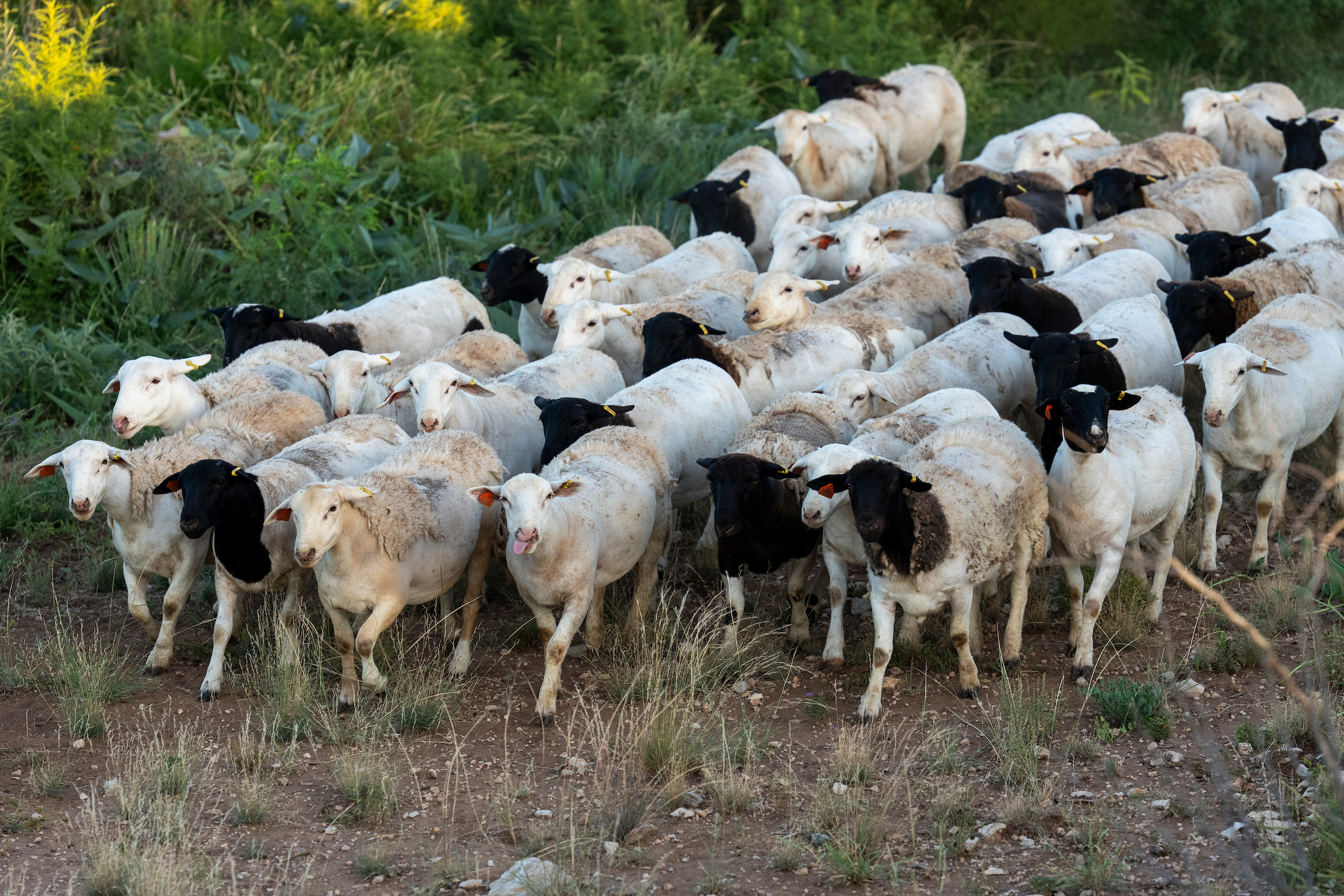
A flock of sheep, mostly white with some black faces and legs, moves across a grassy, uneven terrain with lush green foliage in the background.

Dorper sheep on Thursday, Jul 17, 2025, in San Angelo, Texas. (Michael Miller/Texas A&M AgriLife)

Adjust Early, Not Late
Waiting until forage is gone limits your options. Early adjustments protect plant health and reduce the severity of future decisions.

Match Stocking Rate to Conditions, Not Calendar
Stocking decisions should respond to rainfall and forage production, not just a set grazing plan or date on the calendar.

The Bottom Line
Stocking rate is not just a number. It is a decision that affects everything from soil health to livestock performance to long-term profitability.

Just like your bank account, you cannot manage what you do not measure.

Knowing your forage supply, tracking how it changes, and adjusting your stocking rate accordingly is one of the most practical steps you can take to build resilient rangelands.

In a system defined by variability, the operations that succeed are the ones that treat stocking rate as a dynamic decision, not a fixed number.


Filed Under: Grazing Management, Uncategorized Tagged With: #RangelandManagement, Conservation Management, Conservation Practices, Drought Management, Grazing, grazing management, Range Concepts

Does Prescribed Fire Ever Cross Your Mind? Join the Prescribed Burn School in Gatesville Next Month!

May 27, 2026 by morgan.treadwell

For many Texas landowners and managers, prescribed fire is one of the most effective tools available for improving rangeland health, managing brush, supporting wildlife habitat, and reducing fuel loads. Still, knowing when to burn, how to plan, and what it takes to do it safely can feel overwhelming without the right training.

That is exactly where the Prescribed Burn School in Gatesville comes in.

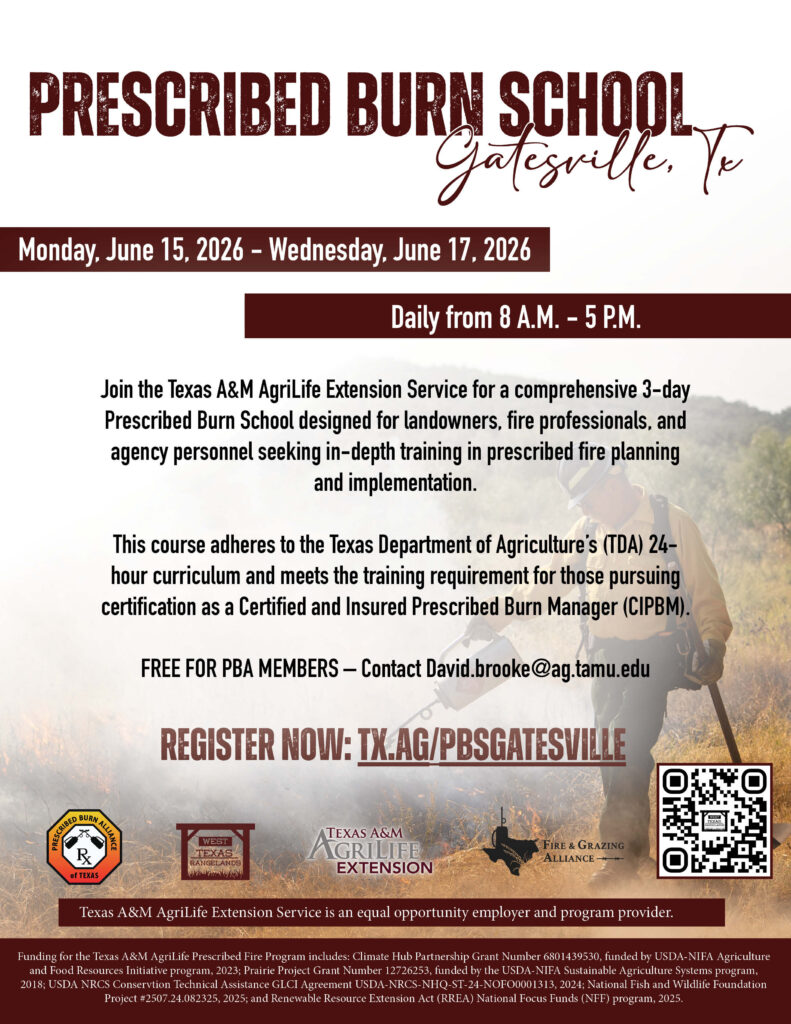
Hosted by Dr. Morgan Treadwell, West Texas Rangelands, and Texas A&M AgriLife Extension Service, this comprehensive three-day training will be held Monday, June 15, through Wednesday, June 17, 2026, at the Gatesville Civic Center in Gatesville, Texas. Designed for landowners, fire professionals, and agency personnel, this course offers a practical learning experience that connects classroom instruction with real-world application.

Whether prescribed fire is already part of your management plan or it is something you have considered but never pursued, this course provides a strong foundation in the principles and practice of prescribed burning in Texas.Prescribed Burn School in Gatesville, Texas, June 15-17, 2026, daily from 8 AM to 5 PM. Hosted by Texas A&M AgriLife Extension, this 3-day course provides in-depth training for landowners, fire professionals, and agency personnel seeking certification as a Certified and Insured Prescribed Burn Manager. Registration is open at TX.AG/PBSGATESVILLE

Why Prescribed Fire Still Matters
Across Texas rangelands, prescribed fire remains one of the most valuable tools for restoring and maintaining healthy landscapes. Fire can help reduce woody plant encroachment, improve forage production, recycle nutrients, and create better conditions for native plant communities and wildlife.

Prescribed fire is more than just lighting a match under the right weather conditions. Effective burning requires planning, situational awareness, and an understanding of fire behavior, fuel conditions, smoke management, and post-burn evaluation. Training matters, especially for producers who want to use fire with confidence and responsibility.

What Participants Can Expect
The Gatesville Prescribed Burn School follows the Texas Department of Agriculture’s 24-hour curriculum and meets the training requirement for those pursuing certification as a Certified and Insured Prescribed Burn Manager (CIPBM).

Participants will receive in-depth instruction in areas including fire behavior, weather interpretation, prescribed burn planning, ignition techniques, and post-burn evaluation.

When conditions allow, the course will also include multiple prescribed burns, allowing participants to gain valuable field experience alongside experienced instructors and burn professionals.

That hands-on component is especially important. For producers, there is real value in seeing how planning decisions translate to field conditions and how burn objectives, weather, fuels, and crew coordination come together on the ground.

Who Should Attend?
This training is a great opportunity for a wide range of participants, including:

  • Landowners and land managers interested in using prescribed fire as a management tool
  • Fire department personnel and emergency responders
  • Municipal, county, and agency staff involved in land or resource management
  • Anyone wanting to build a deeper understanding of prescribed fire in Texas ecosystems

For producers specifically, this course offers a chance to better understand how prescribed fire may fit into a broader management strategy that includes grazing, brush control, drought planning, and long-term stewardship.

A Practical Opportunity for Producers
One of the most valuable parts of this training is that it is designed to be practical. This is not simply a classroom discussion about fire ecology. It is an opportunity to learn how prescribed fire is planned and implemented in real-world conditions.

For producers who want to incorporate prescribed fire into their operation, this course can help answer important questions:

  • What makes a burn plan workable?
  • How do weather and fuel conditions affect success?
  • What equipment and personnel are needed?
  • How do you evaluate a burn after it is complete?

These are the kinds of questions that matter when fire becomes part of a rangeland management plan.

Registration and Event Details for the Prescribed Burn School:

Dates: Monday, June 15, 2026 through Wednesday, June 17, 2026
Time: 8 a.m. to 5 p.m. daily
Location: Gatesville Civic Center, 301 Veterans Mem Lp, Gatesville, Texas 76528

Registration: tx.ag/PBSGatesville

Free registration is available for Prescribed Burn Association members, with membership verification required to confirm eligibility.

For additional information, contact David Brooke at David.brooke@ag.tamu.edu.

Building Fire Knowledge That Supports Better Stewardship
At West Texas Rangelands, we know prescribed fire is not just a tool for specialists. It is a land management practice that can play a meaningful role on working ranches and private lands when backed by training, planning, and sound decision-making.

If prescribed fire has ever crossed your mind, this course offers a valuable opportunity to build the knowledge and field skills needed to better understand its role on Texas landscapes.

Filed Under: Events, Prescribed Burn Associations, Prescribed Burning Tagged With: #AgriLifeExtension, #BrushManagement, #FireEcology, #LandStewardship, #PrescribedBurnAssociation, #PrescribedBurnSchool, #PrescribedFire, #RangelandManagement, #TexasLandowners, #TexasRangelands, #WestTexasRangelands, #WorkingLands

Adaptability Is Key as Drought Persists Across Texas Rangelands

May 20, 2026 by kara.matheney

Across much of Texas, drought remains a defining challenge for rangeland managers. A recent AgriLife Today article highlights an important reality for producers: while some areas have seen timely rainfall, much of the state is still managing through ongoing drought conditions, and adaptability remains critical for long-term rangeland resilience.

👉 Read the full AgriLife Today article: https://agrilifetoday.tamu.edu/2026/05/19/adaptability-and-managing-for-rangeland-resilience-remain-key-as-drought-covers-much-of-the-state/

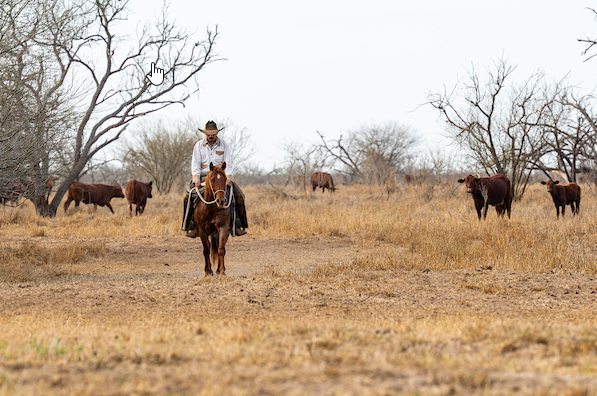
A cowboy on horseback rides through a dry, grassy field with cattle grazing in the background under a pale sky.A Mixed Picture Across the State
Texas rangelands are experiencing a wide range of conditions this year. Some regions, including parts of the Cross Timbers, Concho Valley, and Hill Country, are seeing improved forage production due to spring rainfall. These areas present an opportunity for producers to allow pastures time to recover after extended drought conditions.

At the same time, much of the state remains in drought. According to the U.S. Drought Monitor cited in the article, 81 percent of Texas is experiencing some level of drought. While fewer areas are in the most extreme categories compared to last year, drought is still widespread and continues to impact forage availability and management decisions.

For producers in the Panhandle, South Texas, and other regions facing more severe conditions, the message is clear: careful evaluation and planning are still essential.

Recovery Starts with Rest
One of the most important takeaways from the article is the value of rest during periods of active plant growth. When moisture is available, and grasses begin to respond, reducing grazing pressure allows plants to rebuild energy reserves.
This recovery period helps promote:

  • Root development
  • Leaf growth
  • Improved plant vigor

Allowing plants time to recover can have long-term benefits for both forage production and overall rangeland health. Resilient rangelands depend on maintaining this balance between use and recovery.

Managing for Resilience, Not Just Production
Producers are not just managing livestock. They are managing ecosystems. The article emphasizes that stewardship of rangeland resources includes maintaining ground cover and building organic matter in the soil.

These practices support essential ecosystem services, including:

  • Forage production for livestock
  • Habitat for wildlife, especially during critical periods
  • Soil health and water infiltration

A focus on resilience helps ensure that rangelands can continue to function through both wet and dry periods.

Drought Planning Still Matters
Even in areas that have received rain, it is important not to assume the drought is over. Conditions can change quickly, and the forage available now may need to carry operations through the remainder of the growing season.

Producers are encouraged to continually evaluate forage availability and compare it to expected needs. This is a key part of any drought contingency plan and helps guide decisions about stocking rates and grazing pressure.

In areas still experiencing severe drought, proactive steps such as adjusting stocking rates or reassessing grazing strategies may be necessary to avoid long-term damage to the land.

A Practical Takeaway for West Texas
For West Texas producers, where variability is the norm and drought cycles are familiar, this message reinforces what many already know. Flexibility is not optional. It is essential.
Whether your operation has received recent rain or is still waiting for relief, the same principles apply:

  • Take advantage of good conditions to build recovery
  • Protect plant health through strategic grazing decisions
  • Monitor forage conditions closely
  • Be prepared to adjust as conditions change

Looking Ahead
Drought will continue to be part of managing rangelands in Texas. While rainfall patterns and seasonal conditions are beyond our control, management decisions are not.

By focusing on adaptability and resilience, landowners and managers can position their operations to better withstand drought and recover more quickly when conditions improve.

Resilient rangelands are built over time with careful management, timely decisions, and a long-term perspective.

Filed Under: Conservation, Drought Management, Grazing Management, Range Concepts, Weather Tagged With: #AgriLifeExtension, #RangelandManagement, #WestTexasRangelands, Conservation, Conservation Practices, Drought Management, grazing management

What the National CPBM Report Means for Producers Using Prescribed Fire

May 13, 2026 by kara.matheney

Prescribed fire has deep roots in agricultural land stewardship, especially across working rangelands where fire has long been used to manage brush, renew forage, and support wildlife habitat. At the same time, the regulatory and social landscape surrounding prescribed fire continues to evolve. A new national report assessing Certified Prescribed Burn Manager programs provides useful context for producers navigating this changing environment.

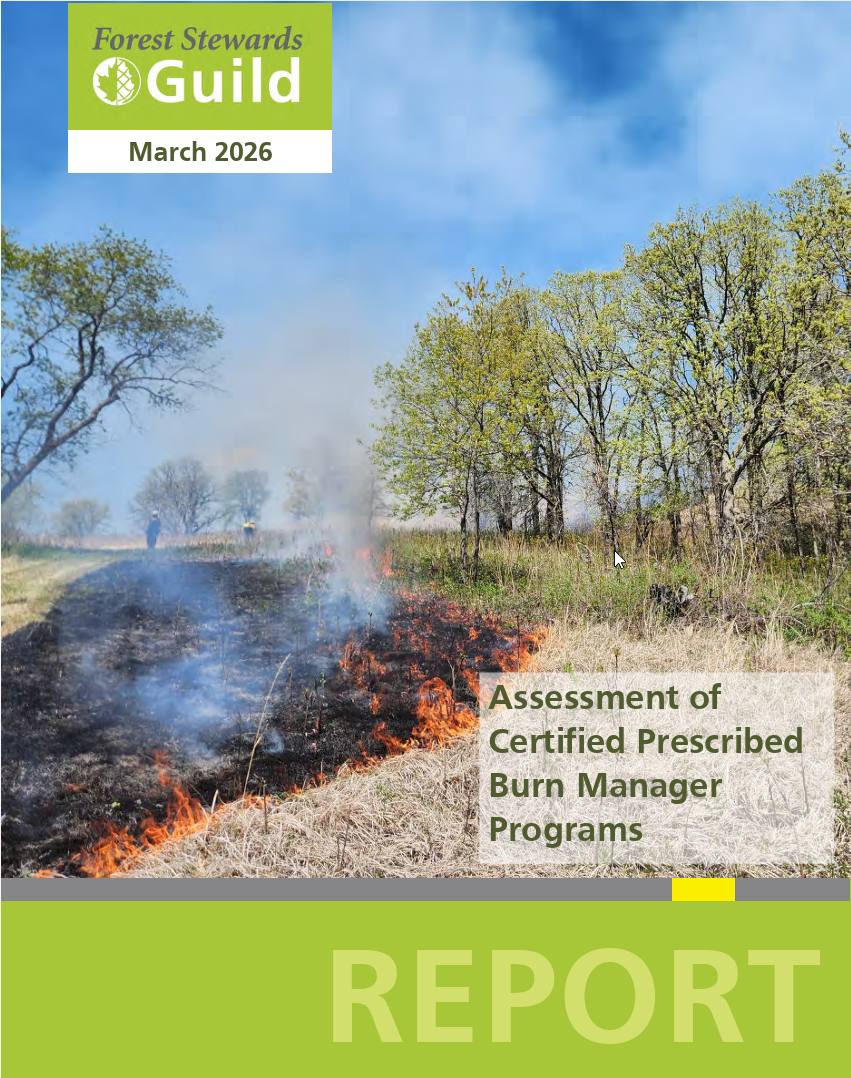
Forest Stewards Guild "March 2026" report cover featuring a controlled prescribed burn in a grassy field with trees in the background.The 2026 National Assessment of Certified Prescribed Burn Manager Programs, developed by the Forest Stewards Guild and partners, examines how states across the country are supporting safe and effective prescribed fire through training and certification. While the report is national in scope, many of its findings are directly relevant to West Texas producers.

Prescribed Fire Demand Is Increasing Nationwide
The report notes a growing recognition that fire is an essential ecological process and a critical tool for reducing hazardous fuels and restoring ecosystem function. At the same time, there is an unmet demand for prescribed fire across the United States, driven by increasing wildfire risk, woody plant encroachment, and the need for proactive land management.

For producers, this confirms what many already know. Fire remains one of the most cost‑effective tools available for managing rangelands, but opportunities to burn safely are increasingly influenced by weather constraints, public perception, smoke concerns, and liability issues.

What CPBM Programs Are Designed to Do
Certified Prescribed Burn Manager programs are one approach states have used to address these challenges. According to the report, CPBM programs provide structured training, clarify standards for safe burning, and help reduce liability exposure for practitioners by establishing clear expectations and certification pathways.

As of early 2026, 24 states operate formal CPBM programs, with additional states actively developing them. These programs vary widely, reflecting regional differences in land ownership, fire culture, and policy priorities.

Acknowledging Agricultural Fire Culture
One important finding highlighted in the report is that not all regions view certification the same way. In parts of the Great Plains and agricultural regions, prescribed fire has often been passed down through generations or coordinated informally among neighbors. In these areas, some practitioners expressed concern that formal certification could interfere with trusted local systems or add unnecessary bureaucracy for producers who already burn responsibly.

This perspective is particularly relevant to West Texas. Many producers already have deep practical knowledge of fire behavior on their land and rely on local relationships to conduct safe burns. The report acknowledges that any certification or training framework must respect these established practices while still addressing modern risk and safety expectations.

Why Training Still Matters for Producers
Even in regions with strong fire traditions, the report emphasizes that accessible training remains a key support for prescribed fire. Training helps producers stay current on weather tools, smoke management considerations, equipment standards, and evolving regulations. It also supports communication with neighbors, agencies, and insurers when burns are planned.

For producers who do not seek formal certification, structured training can still strengthen burn planning and reduce risk. For those working with certified burn managers or participating in prescribed burn associations, shared training frameworks help align expectations and improve coordination.

Implications for West Texas Rangelands
Texas is unique in that the vast majority of land is privately owned, making cooperation and producer leadership essential for successful prescribed fire use. The national CPBM report reinforces the importance of balancing flexibility with accountability, especially in states where agriculture drives land management outcomes.

For West Texas producers, the key takeaway is not that certification is required for everyone, but that informed fire use is increasingly important. Whether fire is applied directly by producers, through prescribed burn associations, or with certified professionals, understanding the broader landscape helps protect both land and livelihoods.

Using Information to Support Better Decisions
The national CPBM assessment provides context for why training programs exist and how they are being used across the country. Producers can use this information to evaluate their own goals, identify resources that fit their operation, and engage more effectively in conversations about prescribed fire at the local and state level.

Prescribed fire remains a producer‑driven tool on working rangelands. Staying informed helps ensure it remains that way.

Read the Full Report by Visiting: https://irp.cdn-website.com/447b03b9/files/uploaded/2026_National_CPBM_Report_FINAL.pdf

Filed Under: Prescribed Burning Tagged With: #AgriLifeExtension, #FireEcology, #LandStewardship, #PrescribedFire, #RangelandManagement, #TexasRanching, #WestTexasRangelands, #WorkingLands

2025 Region 3 Texas Land Value Trends: What Stability Means for West Texas Producers

May 6, 2026 by kara.matheney

West Texas Rangelands sourced this information from the Texas Agriculture Law Blog authored by Tiffany Dowell Lashmet, Professor & Extension Ag Law Specialist with Texas A&M AgriLife Extension Service.  To view the full report, please visit: https://agrilife.org/texasaglaw/2026/04/13/2025-rural-land-value-trends-report-released/.   

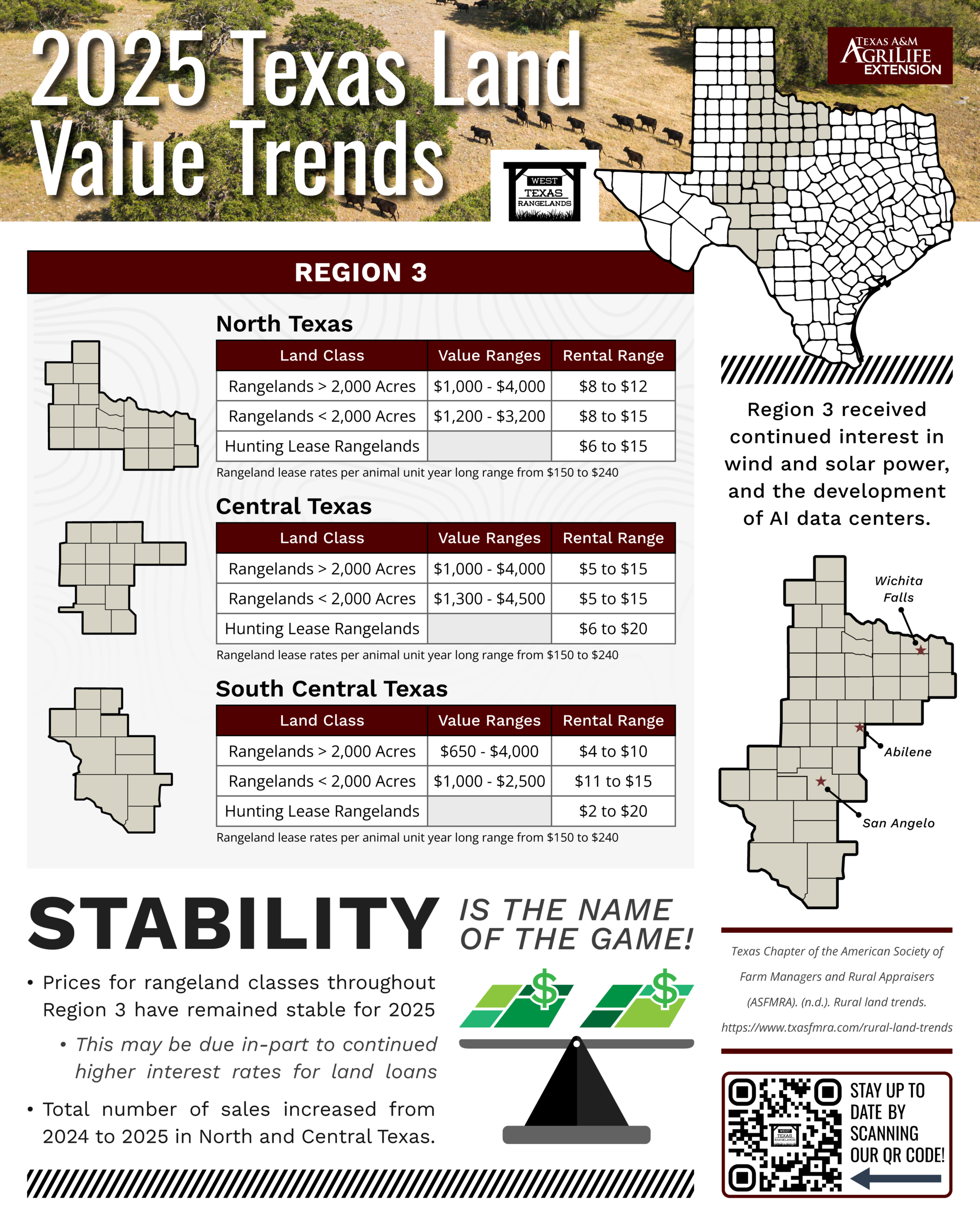
Land values influence nearly every management decision on a West Texas ranch, from leasing and grazing strategies to succession planning and long‑term investment. The 2025 Texas Land Value Trends for Region 3 offer an important takeaway for producers across North, Central, and South Central Texas: stability remains the dominant theme.

While individual properties differ, overall rangeland values and rental rates across Region 3 have remained steady going into 2025. For producers, this consistency provides a clearer planning window during a time when many costs and inputs remain unpredictable.

Infographic detailing 2025 Texas Land Value Trends for Region 3, presenting data for North, Central, and South Central Texas, including land classes, value ranges, and rental ranges. The infographic highlights regional stability and increased sales, with a map illustrating key cities and areas within Region 3. [Read more…] about 2025 Region 3 Texas Land Value Trends: What Stability Means for West Texas Producers

Filed Under: Conservation, Land Tagged With: #AgEconomics, #AgriLifeExtension, #LandValues, #RangelandManagement, #RuralLand, #TexasRanching, #WestTexasRangelands, #WorkingLands

A Tale of Two Texas Landscapes: Drought Conditions and the Road Ahead

April 29, 2026 by kara.matheney

West Texas Rangelands would like to extend our gratitude to Mr. Luke Drosche for collaborating with us and providing this weather update for our readers.  We thank him for sharing his time, talents, and knowledge with us as a guest contributor.  Luke serves with Texas A&M AgriLife Extension Service as a Disaster Assessment and Recovery Specialist.     

3-Month Precipitation Outlook
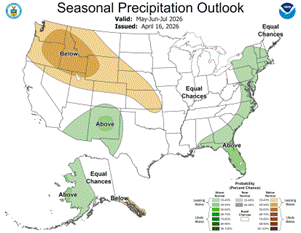
The end of April has brought heavy rainfall to a good 70% of the State. Springtime months are typically beneficial for Texas, bringing in showers that, unfortunately, pack a punch with severe weather attached.  Large Hail, Damaging Winds, Flash Flooding, and even Tornados are more common in March, April, and May, and will continue while our summertime heat and Hurricane season kick off.  More of this can be expected through May and stretching into the Mid-Summer months, according to NOAA’s 3-month outlook. This forecast keeps Texas in an Equal Chances Category through the early summer for marking near average on our rain gauges.  The forecast specifically mentions areas that have received rainfall in April, having better chances of finding more rain through early June due to the moistened topsoil.
Areas in far West Texas and far west of the Panhandle are in a slightly above-average chances category.  These equal and above probabilities are following our large-scale weather pattern, working to make a major shift.  Currently, we are in an ENSO Neutral period, meaning we are not in either La Niña or El Niño.  But as we move through May and June, we are expecting to move into the El Niño phase.  This will prompt better rain chances for all of the State, and typically reduces our likelihood of seeing hurricane impacts, although hurricanes in the Gulf and hitting Texas are still possible.

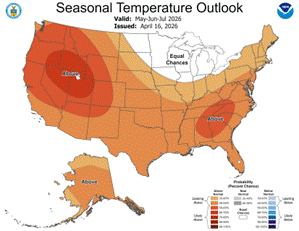
3-Month Temperature Outlook
Summertime is here early.  All of Texas has a “Leaning Above” designation for hitting warmer-than-average temperatures through July.  Parts of Texas have already seen these warm summer temperatures and even heat advisories/warnings. With our increased moisture over the State, these warmer temperatures will feel more stifling.  It is important to remember to stay hydrated, take breaks in the shade, and make sure our livestock and pets have access to drinking water.  Practice summer weather-resistant strategies now; these warm temperatures are not going anywhere anytime soon.

Drought Update
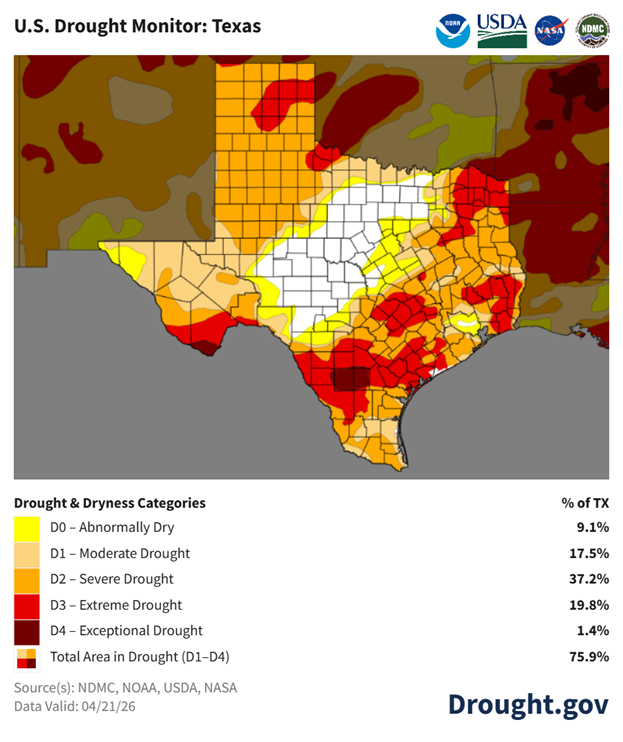
There is a tale of two stories this month since I last discussed drought with you all.  The Panhandle and Eastern parts of Texas have found drying, worsening conditions, and are currently under Severe and Extreme Drought. In the Northern Hill County, up through the DFW Metroplex, we have seen massive steps in a positive direction, as these areas are in no drought designation. This area is roughly 25% of the State of Texas and had been in the Dry to Severe Categories prior to this update. As of April 21st, around 60% of the State is in worse, Severe to Exceptional Drought categories.   Due to heavy rain since this map’s last update, 2-4 inches in the last 2 weeks, I expect to see areas around San Antonio and East along I-10 to North Houston get bumped down a drought category, and the total Severe to Exceptional percentage to go down. Far South Texas into the Valley should also see some lessening of the current extreme conditions they are in from rainfall in the last two weeks, 0.5-3 inches.

Recent forecasts and news calling for the early transition into a strong El Niño Pattern makes me believe that we will find some drought relief across much of the State over the next few months.  Strong El Niño patterns have previously provided heavy rainfall events that have helped to boost our water storage and ease drought conditions overall, but not totally erase them.  Along with higher chances of rain, stronger chances of severe weather and flash flooding will persist. Now is the time to make sure you and your operation are ready for adverse conditions.  Always have a way to receive weather warnings, have a plan, and practice that plan.  Let’s hope for beneficial rain without any of its rude partners, stay safe my friends.

References:
https://www.cpc.ncep.noaa.gov/
https://www.drought.gov/states/texas

Filed Under: El Niño, La Niña, Weather Tagged With: #Weather, drought, Drought Management, El Niño, La Nina

  • « Go to Previous Page
  • Page 1
  • Page 2
  • Page 3
  • Page 4
  • Interim pages omitted …
  • Page 25
  • Go to Next Page »

Recent Posts

  • Making the Most of Every Bite: How Goats and Cattle Complement One Another on Texas Rangelands
  • Texas Working Lands: What Land Fragmentation Means for the Future of Texas Rangelands
  • Fall Weather Update and Winter Weather Preparation
  • Grubbing Mesquite Trees: A Long-Term Brush Management Solution for West Texas
  • Know Your Forage Before Winter: Why Fall Forage Testing Pays Off

Categories

  • 4-H Range Contests
  • Beef Cattle
  • Brush Management
  • Carbon Credits
  • Carbon Markets
  • Conservation
  • Conservation Practices
  • Drought Management
  • El Niño
  • Events
  • Forage
  • Goats
  • Grazing Management
  • La Niña
  • Land
  • Lessons Learned
  • Meet A County Extension Agent
  • Plant ID
  • Podcast
  • Prescribed Burn Associations
  • Prescribed Burning
  • Publications
  • Range Concepts
  • RAP
  • Sheep
  • Society for Range Management
  • Soil
  • Staff
  • Targeted Grazing
  • Uncategorized
  • Water
  • Weather
  • Why I Ranch
  • Wild Pigs
  • Wildfire
  • Wildfires
  • Wind
  • Woody Encroachment
  • Youth Range Workshop

Archives

Texas A&M AgriLife Extension Service
Texas A&M University System Member
  • Compact with Texans
  • Privacy and Security
  • Accessibility Policy
  • State Link Policy
  • Statewide Search
  • Veterans Benefits
  • Military Families
  • Risk, Fraud & Misconduct Hotline
  • Texas Homeland Security
  • Texas Veteran's Portal
  • Equal Opportunity
  • Open Records/Public Information