• Skip to primary navigation
  • Skip to main content
  • Skip to primary sidebar
  • Texas A&M Forest Service
  • Texas A&M Veterinary Medical Diagnostics Laboratory
  • Texas A&M AgriLife Extension Service
  • Texas A&M AgriLife Research
  • Texas A&M College of Agrculture and Life Sciences
West Texas Rangelands
West Texas RangelandsWe hope to provide a variety of science-based rangeland information and current research on prescribed fire, wildfires, brush management, and grazing management!
  • Menu
  • Home
  • About & Contact
  • Publications
    • Extension Publications
    • Refereed Journal Articles
    • Program Summaries
  • Events
  • Lunch N’ Learn
  • Infographics
    • Drought
    • Grazing
    • Herbicide
    • Prescribed Fire
    • Rangeland Plants
    • Wildfire
  • Range Resources
    • Published to Pasture
    • Range Concepts
  • Fire Resources
  • Sponsors
  • AgriLife Learn Online Courses

Making the Most of Every Bite: How Goats and Cattle Complement One Another on Texas Rangelands

September 17, 2026 by kara.matheney

Across much of Texas, producers are continually looking for ways to improve forage utilization, increase ranch productivity, and manage woody plant encroachment without sacrificing livestock performance. While cattle are the foundation of many ranching operations, growing evidence suggests that adding small ruminants such as goats can provide benefits that extend beyond simply adding another revenue stream.

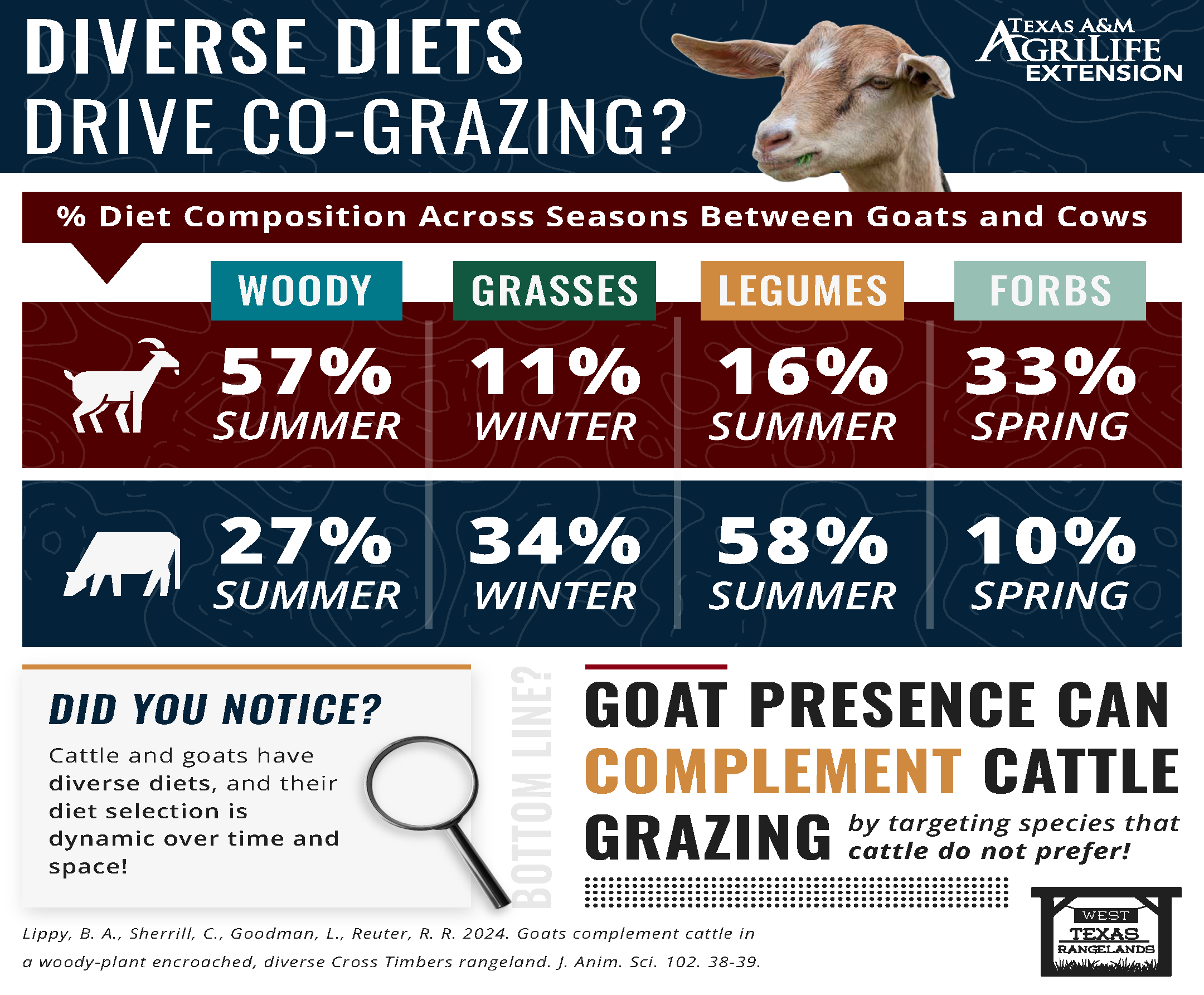
Research conducted in the Cross Timbers region found that cattle and goats utilize available plants very differently throughout the year, allowing them to occupy distinct feeding niches on the same landscape. The study demonstrated that goats consumed substantially more woody vegetation and forbs than cattle, while cattle relied more heavily on grasses and legumes. This dietary separation is one reason co-grazing systems can be so effective. Lippy et al. (2024), Journal of Animal Science 102:38-39.

Understanding the Grazing Niche
Every grazing animal has evolved to take advantage of different plant resources. Cattle are generally classified as grazers, meaning they prefer grasses and grass-like plants. Their anatomy, grazing behavior, and digestive systems are well-suited for harvesting large amounts of herbaceous forage close to the ground.
Goats, on the other hand, behave more like browsers. Rather than focusing primarily on grasses, they frequently select leaves, twigs, shrubs, vines, and broadleaf plants. Their smaller mouths and unique feeding behavior allow them to be highly selective and utilize vegetation that cattle may largely ignore.

This difference is important because rangelands rarely consist of a single plant type. A healthy landscape often contains a mixture of grasses, forbs, legumes, and woody species. When only one livestock species is present, portions of the available forage resource may remain underutilized, while preferred plants receive disproportionate grazing pressure.

Why Dietary Diversity Matters

The infographic illustrates that cattle and goats shift their diets seasonally while maintaining different forage preferences throughout the year. Those differences allow multiple livestock species to harvest forage from different parts of the plant community rather than directly competing for the same forage resources.

From a ranch management perspective, this creates opportunities to increase overall forage utilization while distributing grazing pressure across a greater variety of plant species. Instead of concentrating consumption on a narrow subset of desirable plants, co-grazing can encourage more balanced use of the landscape.

Research has shown that diverse grazing pressure can influence plant community composition over time. By incorporating animals that utilize different forage types, producers may be able to improve forage distribution and reduce the competitive advantage of less desirable species.

Managing Woody Plant Encroachment
One of the most significant rangeland challenges facing Texas is the expansion of woody plants into grass-dominated ecosystems. Species such as mesquite, juniper, and various brush species can reduce forage production, alter wildlife habitat, and impact water resources.

Traditional brush management tools remain important, but goats can serve as a valuable component of an integrated management strategy. Because goats readily consume many woody plant species, they can apply consistent browsing pressure that complements mechanical and chemical control efforts.

While goats are not a silver bullet for brush management, their dietary preferences allow them to target vegetation that cattle generally avoid. Over time, this additional grazing pressure can help suppress regrowth and provide another tool for managing woody plant expansion.

Improving Drought Resilience

Diverse grazing systems may also improve flexibility during variable forage conditions.

Texas producers are no strangers to drought. During dry periods, forage availability often changes rapidly. Some plant groups decline earlier than others, and livestock that can utilize a broader range of available vegetation may offer additional management options.

Because goats and cattle respond differently to changing forage conditions, co-grazing can help producers access forage resources across multiple plant communities. This flexibility can be particularly valuable when environmental conditions limit the growth of preferred forage species.

Maintaining diverse plant communities and utilizing multiple grazing niches can contribute to the overall resilience of both livestock operations and the rangelands on which they depend.

Looking Beyond Production
The benefits of co-grazing extend beyond forage utilization alone. Many producers find that incorporating multiple livestock species supports broader ranch objectives, including:

  • Improved use of available forage resources
  • Increased management flexibility
  • Enhanced brush management efforts
  • Diversified income opportunities
  • More balanced grazing pressure across plant communities
  • Potential improvements in rangeland condition over time

As with any management practice, successful implementation depends on factors such as fencing, predator management, labor availability, marketing opportunities, and operation-specific goals. However, understanding how different livestock species interact with vegetation can help producers make informed management decisions.

A Rangeland Perspective
One of the most important lessons from this research is that livestock should not simply be viewed as consumers of forage. Different animal species interact with rangelands in unique ways, creating opportunities for managers to influence plant communities through grazing management.

The differences highlighted in the infographic demonstrate why co-grazing has become an important consideration for many Texas producers. By combining grazers and browsers, ranchers may be able to utilize more of the available forage base, address vegetation management challenges, and support healthier, more resilient rangelands.

When cattle and goats are allowed to do what they naturally do best, the result is often a more efficient use of the landscape and a management approach that works with ecological processes rather than against them.
 

Filed Under: Beef Cattle, Forage, Goats, Grazing Management Tagged With: #AgriLifeExtension, #BeefCattle, #GoatProduction, #GrazingManagement, #RangelandManagement, #ResilientRangelands, #WestTexasRangelands, Grazing

New Publication! Photosensitization

November 26, 2025 by morgan.treadwell

Happy Thanksgiving Eve 2025! Tomorrow we eat too much, watch football, and thank the good Lord for another year on rangelands. But before we all disappear into food comas and family chaos, I want to hit you with one quick heads-up that can save you a pile of money and heartache this winter and next spring. A new publication was recently released by Dr. Thomas Hairgrove, Dr. Barron Rector, Dr. Jake Thorne, and Dale Rankin. Click here for the publication!

Photosensitization is sneaking up on herds right now.

Those pretty cool mornings and bright sunny afternoons we’re having? Perfect recipe for trouble if you’ve got lechuguilla, sacahuista, lantana, kochia, kleingrass, goathead, or rain lilies hanging around. Even alfalfa hay or heavy green wheat pasture can set it off when the liver gets damaged and can’t clear the green-pigment toxin (phylloerythrin).

You’ll see it first on the white-faced or light-skinned cattle, sheep, and goats: ears drooping, eyelids swollen, noses and udders red and peeling, animals crowding into any shade they can find or standing belly-deep in the tank. It hits FAST – sometimes in just hours after sun-up on a clear day.

Notice the early signs or you’ll be doctoring animals when you’d rather be deer hunting.

Quick checklist – do this TODAY (yes, even the day before Thanksgiving):

  • Ride or fly the drone over pastures and look for those culprit plants, especially in draws and south slopes where they stay green.
  • Make sure every pasture with light-skinned stock has real shade or a barn they’ll actually use.
  • If you see even one animal with puffy eyes or crusty ears, get them in the barn NOW and call your vet. Every hour in the sun makes it ten times worse.
  • Check liver fluke control – they’re a major player in Type III (the most common kind).

This ain’t regular sunburn. This is skin literally cooking from the inside out because of a toxin + sunlight combo. It’s painful, expensive, and 100% preventable if you stay ahead of it.

So enjoy tomorrow. Eat the extra piece of pecan pie. Hug your people. Tell your wife or husband you love ’em. But before you carve that turkey, take 20 minutes to look at your cattle.

Your future self (and your bank account) will thank you.

Happy Thanksgiving, folks. Stay safe, stay grateful, and give those critters some shade options!

Filed Under: Beef Cattle Tagged With: cattle health, herd health, rangelands

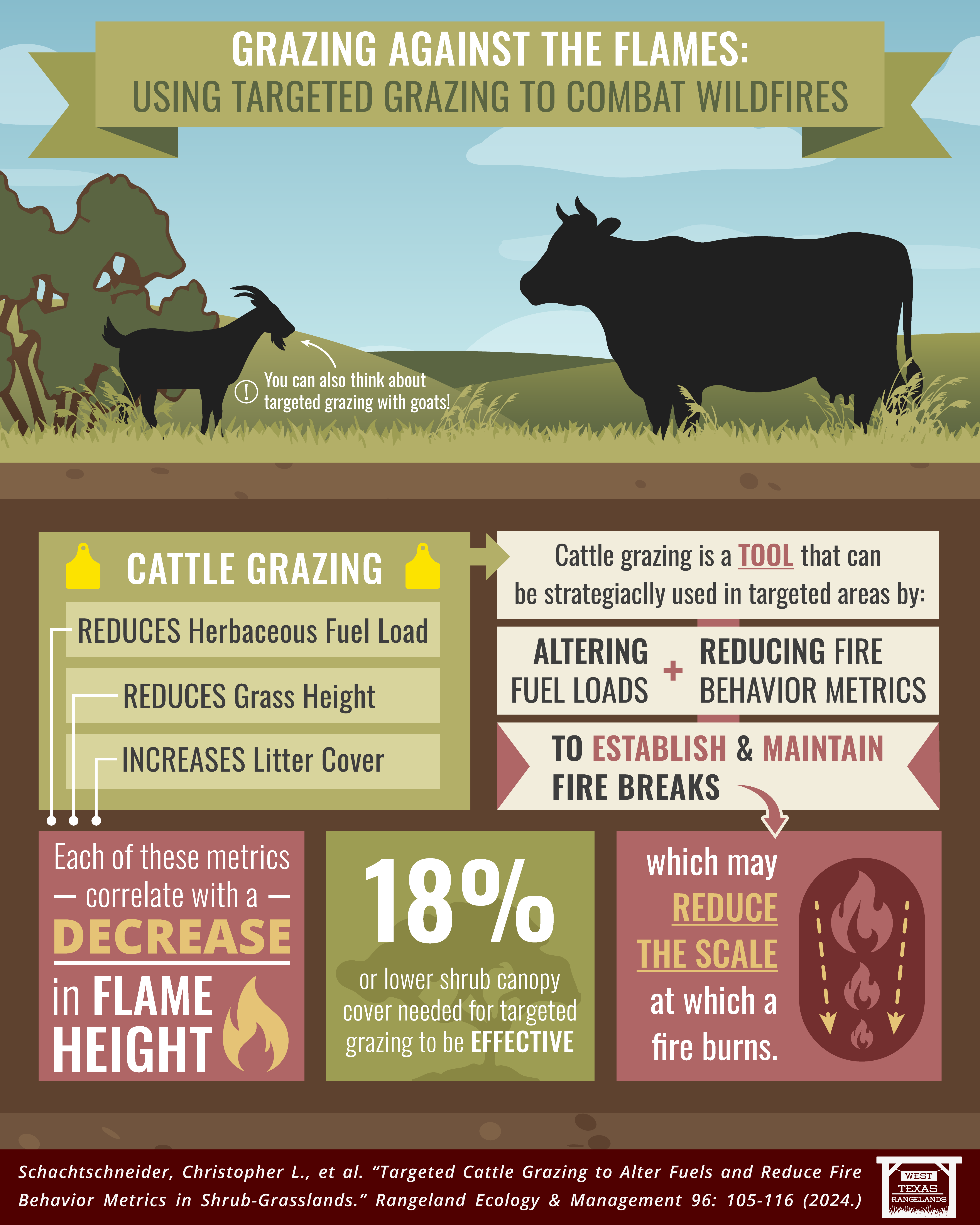
Grazing Against the Flames: Using Targeted Grazing to Combat Wildfires

April 9, 2025 by jaime.sanford

Wildfires are an escalating global crisis, marked by increasing size, frequency, suppression costs, and devastating losses. In the search for effective mitigation strategies, targeted grazing has emerged as a promising technique, strategically employing livestock to manage vegetation and diminish wildfire risks.  

[Read more…] about Grazing Against the Flames: Using Targeted Grazing to Combat Wildfires

Filed Under: Beef Cattle, Goats, Grazing Management, Targeted Grazing

A Comparison of the 2017 & 2022 USDA Ag Census Data for West Texas Counties

February 12, 2025 by jaime.sanford

The U.S. Department of Agriculture’s National Agricultural Statistics Service (NASS) has released 2022 Census of Agriculture data. The graphic presents a fascinating snapshot of the ranching landscape impacting four West Texas counties: Tom Green, Schleicher, Crockett, and Menard. Using data from the 2017 and 2022 USDA Agricultural Census, we can glean valuable insights into trends and shifts within this vital sector of Texas’s economy and heritage.

[Read more…] about A Comparison of the 2017 & 2022 USDA Ag Census Data for West Texas Counties

Filed Under: Beef Cattle, Land, Range Concepts, Sheep

A New Tool for Calculating Stocking Rates: StockSmart

December 11, 2024 by jaime.sanford

StockSmart is a new decision support tool that is used for grazing management. StockSmart can be used to calculate stocking rates for cattle, horses, and sheep on any landscape. 

[Read more…] about A New Tool for Calculating Stocking Rates: StockSmart

Filed Under: Beef Cattle, Brush Management, Grazing Management

Cheatgrass in Texas Lower Rolling Plains

December 4, 2024 by jaime.sanford

What is Cheatgrass? Cheatgrass (Bromus tectorum), is an invasive annual species. This species poses a significant ecological threat to the Southern Great Plains of Texas, particularly in the Rolling Plains Region. Cheatgrass will displace native grasses such as sideoats grama (Bouteloua curtipendula), blue grama (Bouteloua gracilis) and little bluestem (Schizachyrium scoparium). These dominant, perennial, native grasses are key to maintaining soil stability, biodiversity, and forage quality (D’Antonio & Vitousek, 1992; Chambers et al., 2014).

[Read more…] about Cheatgrass in Texas Lower Rolling Plains

Filed Under: Beef Cattle, Conservation, Conservation Practices, Grazing Management

Impact of Goats on Cattle Diet Composition

August 14, 2024 by jaime.sanford

Did you know that having goats in your pasture could potentially complement the existing cattle operation while boosting livestock productivity and plant community diversity? Goats normally prefer and preferentially consume various types of woody and forb species more so than cattle do, and that their presence in a pasture does not alter what the cattle preferentially select to eat.

[Read more…] about Impact of Goats on Cattle Diet Composition

Filed Under: Beef Cattle, Brush Management, Goats, Grazing Management, Targeted Grazing, Woody Encroachment

2023 Rural Land Value Trends Report

June 5, 2024 by jaime.sanford

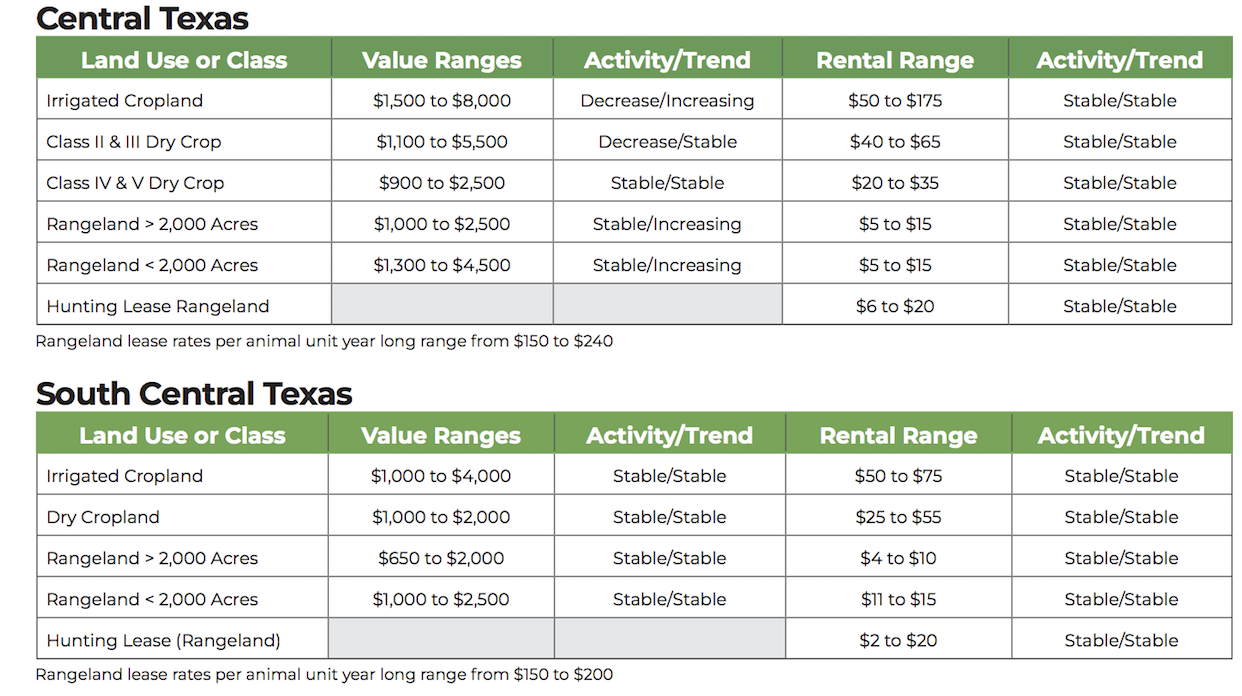
Check out the 2023 Rural Land Value Trends Report from Texas Agriculture Law Blog by Tiffany Lashmet! https://agrilife.org/texasaglaw/2024/05/06/2023-rural-land-value-trends-report-is-here/

West Texas:

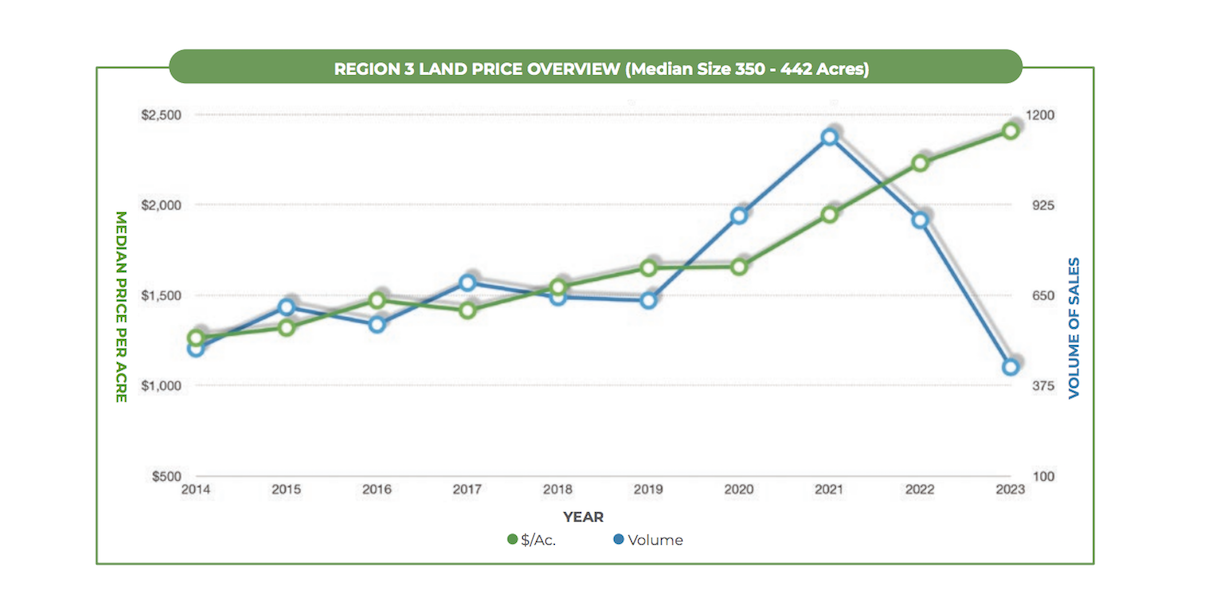
Strong demand for quality tracts continues to hold up prices in the region. At $2,410 per acre, prices rose 8.02 percent YOY. Tract size has also decreased from highs in 2021 and 2022, coming in at 385 acres this quarter, 10.65 percent below one year ago. Annualized sales volume declined 50.97 percent to 431 sales. Total dollar volume at $155.54 million decreased by 72.39 percent. At 64,540 acres, though a slight increase from last quarter, total acreage declined 74.44 percent YOY. Fourth quarter only sales volume fell 26.09 percent below that of fourth quarter 2022, a much less drastic drop compared to YOY.

Region 3 Take Homes:

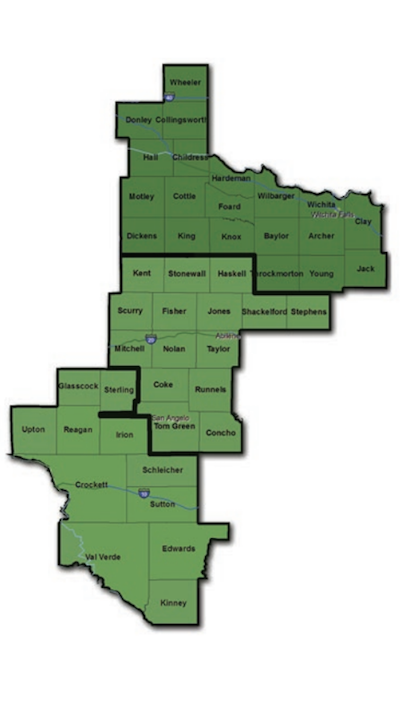
Counties included: Archer, Baylor, Childress, Clay, Coke, Collingsworth, Concho, Cottle, Crockett, Dickens, Donley, Edwards, Fisher, Foard, Glasscock, Hall, Hardeman, Haskell, Irion, Jack, Jones, Kent, King, Kinney, Knox, Mitchell, Motley, Nolan, Reagan, Runnels, Schleicher, Scurry, Shackelford, Stephens, Sterling, Stonewall, Sutton, Taylor, Throckmorton, Tom Green, Upton, Val Verde, Wheeler, Wichita, Wilbarger, and Young.

  • In discussions with an attorney in San Angelo, he stated that he had worked on 10 to 15 wind and solar leases in 2023, with 8 to 10 of those signed. Several of the companies decided they were no longer interested before the lease was signed.
  • According to the attorney, this was due to a number of factors including poor due diligence on the part of the company or ERCOT West not having enough transmission lines. These wind leases come in blocks where the attorney may represent one to a dozen landowners at a time.
  • As mentioned in the 2022 discussion, a solar farm in San Angelo area was expanding. This expansion has been completed from one to two sections.  There has not been any construction in the immediate San Angelo area since 2022 of any new solar farms.  This could be a result of the increased cost due to higher interest rates, cost of materials and construction costs.
  • Purchases by developers dropped significantly in 2023. This is due primarily to the increased interest rates and the fact the end users for these properties are no longer in the market due to the higher interest rates.
  • There continues to be an increase in residential development in the immediate area of the larger trade areas, specifically Wichita Falls, Abilene and San Angelo. It appears that residential buyers continue to move to areas with smaller schools, which are considered to be above average for educational opportunities.


For the 2023 and previous years report, be sure to download it here – https://www.txasfmra.com/rural-land-trends

Rural Land Trends – Texas Chapter ASFMRA. (2024, March 29). Texas Chapter ASFMRA. https://www.txasfmra.com/rural-land-trends

Filed Under: Beef Cattle, Carbon Credits, Carbon Markets, Conservation, Land

SRM Multidisciplinary Rangeland Ecosystem Services Report

August 30, 2023 by jaime.sanford

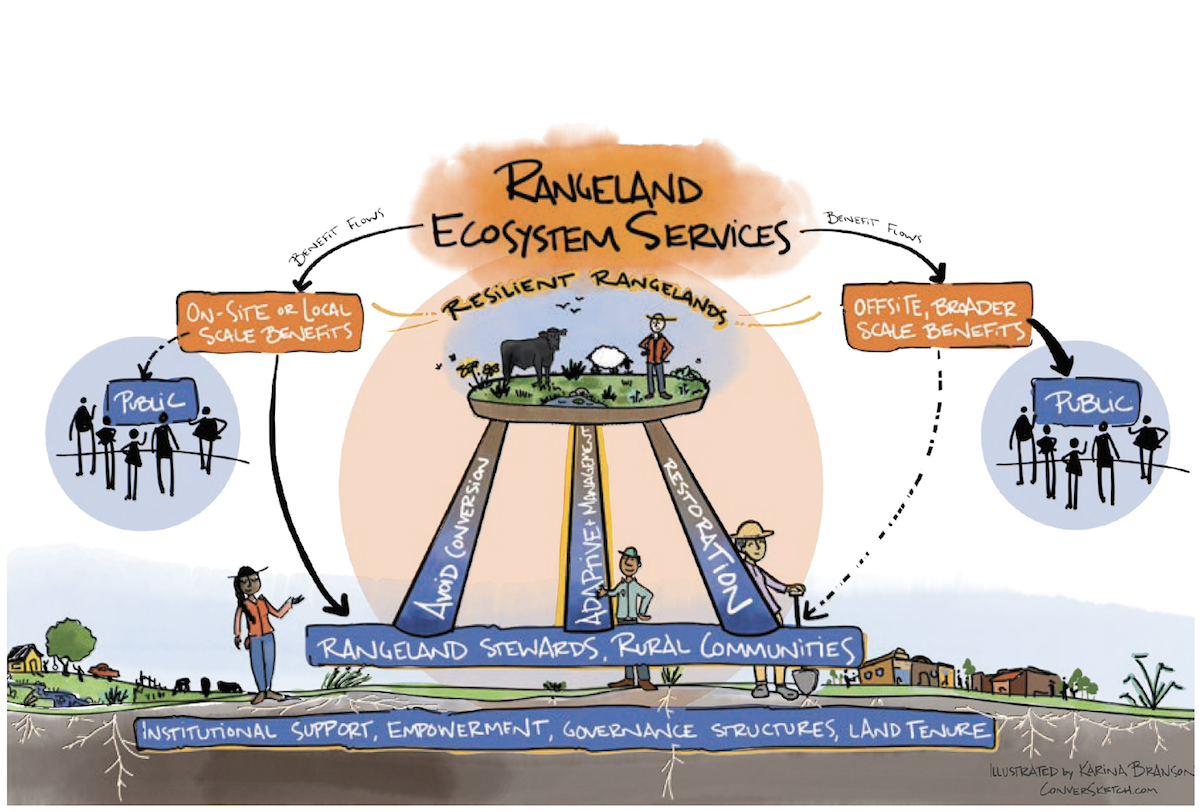
The Society for Rangeland Management recently released their Rangeland Ecosystem Services Report: Connecting Nature and People. The report includes five key rangeland service topic areas including; food and fiber, water as an ecosystem driver in rangelands, carbon sequestration and security, plant and insect biodiversity, and wildlife habitat provision. 


Photo: Rangeland Ecosystem Services Report

[Read more…] about SRM Multidisciplinary Rangeland Ecosystem Services Report

Filed Under: Beef Cattle, Conservation, Conservation Practices, Grazing Management, Society for Range Management Tagged With: brush management, Conservation, Conservation Management, Conservation Practices, Grazing

Evaluating Predation on Livestock

June 7, 2023 by jaime.sanford

With newborn livestock on the ground, predators can increase on your lands. Depending on where you live, some of the most common predators include; coyotes, birds, dogs, hogs, and snakes. 

[Read more…] about Evaluating Predation on Livestock

Filed Under: Beef Cattle, Goats, Sheep Tagged With: Cattle, Goats, Livestock, Predators, Sheep

  • Page 1
  • Page 2
  • Go to Next Page »

Recent Posts

  • Making the Most of Every Bite: How Goats and Cattle Complement One Another on Texas Rangelands
  • Texas Working Lands: What Land Fragmentation Means for the Future of Texas Rangelands
  • Fall Weather Update and Winter Weather Preparation
  • Grubbing Mesquite Trees: A Long-Term Brush Management Solution for West Texas
  • Know Your Forage Before Winter: Why Fall Forage Testing Pays Off

Categories

  • 4-H Range Contests
  • Beef Cattle
  • Brush Management
  • Carbon Credits
  • Carbon Markets
  • Conservation
  • Conservation Practices
  • Drought Management
  • El Niño
  • Events
  • Forage
  • Goats
  • Grazing Management
  • La Niña
  • Land
  • Lessons Learned
  • Meet A County Extension Agent
  • Plant ID
  • Podcast
  • Prescribed Burn Associations
  • Prescribed Burning
  • Publications
  • Range Concepts
  • RAP
  • Sheep
  • Society for Range Management
  • Soil
  • Staff
  • Targeted Grazing
  • Uncategorized
  • Water
  • Weather
  • Why I Ranch
  • Wild Pigs
  • Wildfire
  • Wildfires
  • Wind
  • Woody Encroachment
  • Youth Range Workshop

Archives

Texas A&M AgriLife Extension Service
Texas A&M University System Member
  • Compact with Texans
  • Privacy and Security
  • Accessibility Policy
  • State Link Policy
  • Statewide Search
  • Veterans Benefits
  • Military Families
  • Risk, Fraud & Misconduct Hotline
  • Texas Homeland Security
  • Texas Veteran's Portal
  • Equal Opportunity
  • Open Records/Public Information