• Skip to primary navigation
  • Skip to main content
  • Skip to primary sidebar
  • Texas A&M Forest Service
  • Texas A&M Veterinary Medical Diagnostics Laboratory
  • Texas A&M AgriLife Extension Service
  • Texas A&M AgriLife Research
  • Texas A&M College of Agrculture and Life Sciences
West Texas Rangelands
West Texas RangelandsWe hope to provide a variety of science-based rangeland information and current research on prescribed fire, wildfires, brush management, and grazing management!
  • Menu
  • Home
  • About & Contact
  • Publications
    • Extension Publications
    • Refereed Journal Articles
    • Program Summaries
  • Events
  • Lunch N’ Learn
  • Infographics
    • Drought
    • Grazing
    • Herbicide
    • Prescribed Fire
    • Rangeland Plants
    • Wildfire
  • Range Resources
    • Published to Pasture
    • Range Concepts
  • Fire Resources
  • Sponsors
  • AgriLife Learn Online Courses

Take What You Need & Let The Range Succeed: Principles of Sustainable Grazing

July 8, 2026 by kara.matheney

Article written by Mr. Burkes Kissire, Sutton County 4-H Member

When looking out into a rangeland, you might think that all the grass you see can be fully grazed, but when you look a little deeper into the subject, you begin to realize that you may be wrong.

Rangelands are the most valuable resource available to livestock producers in Texas. A well-managed rangeland can easily sustain both livestock and wildlife, while also maintaining healthy soil. However, these resources can decline quickly when overused. One of the most recommended grazing practices is the Take 50%, Leave 50% concept. While simple in theory, this management practice can have significant impacts on the long-term health and the productivity of your land.
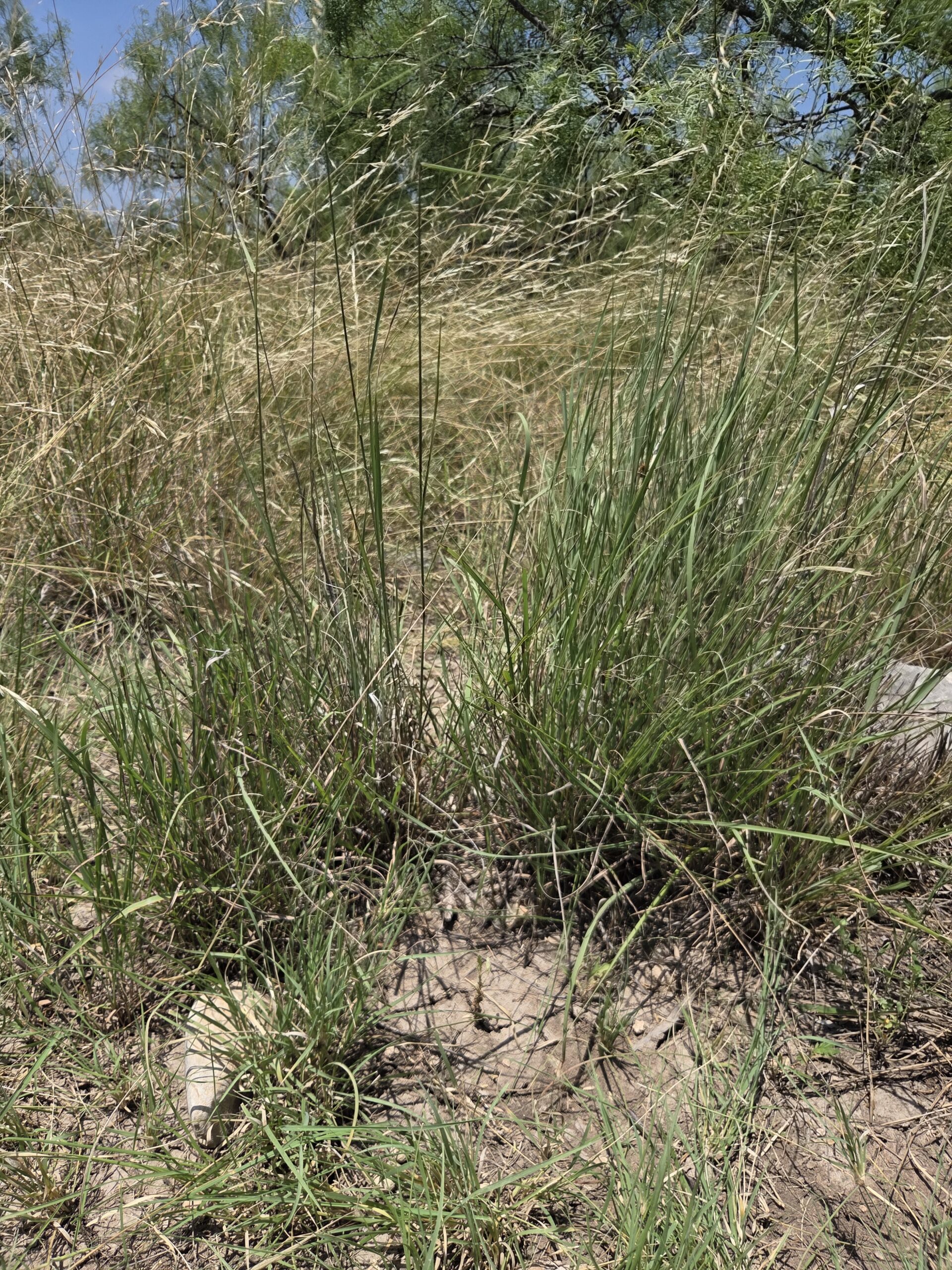
Take 50%, Leave 50% is exactly what the name suggests: only half the edible forages should be removed from the pasture. Importantly, this must be based on the weight of the edible forage, rather than the height of the plant. Different plants grow differently, making height an unreliable factor for estimating. By only focusing on the amount of forage used, rangeland managers can better manage their plants and rangelands and ensure that plants retain enough leafy material to recover the lost material efficiently and quickly.

Leaving half of the plant is essential for the plant’s health since plants rely on their leaves to capture available sunlight and produce energy they need through photosynthesis. When too much of the leaf is grazed, the plant goes into a state of emergency, in which the plant begins to use energy stored in the roots for regrowth. Depending on how much leaf was removed, a portion of the roots will stop growing. In contrast, when 50% or more of the leaf material remains and contributes to photosynthesis, the plant recovers more quickly, leading to more efficient plant growth and healthier roots.

Proper grazing affects the roots more than you think. A pasture full of healthy plants has a healthy root system that helps hold soil in place and helps hold water during a drought. Deep roots allow water to infiltrate the soil, instead of running off and eroding your soil. Healthy rangelands also promote nutrient cycling as plant material decomposes and returns nutrients to the soil. Over time, these processes and cycles will lead to better soil health, cleaner groundwater, and a more drought-resistant rangeland for years to come.

Applying the Take 50%, Leave 50% principle starts with understanding the amount available forage. Rangeland managers can visually estimate the amount of plant life in a pasture, but for precise measurements, you should weigh the grass. Begin by marking out a random square yard in your pasture, clip and weigh the grass, then convert this weight into pounds per acre. Knowing the exact amount of forage production in your pasture can help prevent overstocking and ensure that the plant retains enough material to regenerate.

Each livestock species selects different plants, making your choice of livestock very important. Cattle primarily graze taller grasses, and graze less selectively than other livestock species. Sheep graze shorter grasses, legumes, and other plants native to where they live. In contrast to both cattle and sheep, goats prefer browse, similar to a white-tail deer. Because each species has its preference, you can allow multiple species to graze or browse the same pasture to maximize operation. For example, if you have a pasture dominated by grasses that also has a considerable amount of browse, you may consider allowing both sheep and goats to graze and browse the same pasture.

Successfully applying this principle requires more than simply gauging your forage content. Rangeland managers must also consider carrying capacity, stocking rates, growing seasons, seasonal rainfall, and pasture recovery times. Strategies such as rotational grazing and deferred grazing help you maintain the perfect ratio of forage in your pasture. During a drought, you may have to reduce your stocking rate to ensure you do not lose too much grass.

The economic benefits of proper grazing are major. A healthy rangeland produces more edible forage over time, reducing the need for supplemental feeds. Good forage quality is important since it leads to efficient weight gain and overall improves herd quality. By maintaining productive plants on productive soil, producers can avoid costly restoration efforts needed after overgrazing. Sustainable grazing practices help protect natural resources we have and profitability.

The Take 50%, Leave 50% concept has remained one of the most reliable grazing practices since it can balance production and resource conservation. Following this principle helps maintain healthy plants and soil. This combination of benefits leads to productive rangelands for future generations. While every operation is unique, this practical principle can be applied almost anywhere, with any types of grass.

Sources: Dr. Doug Tolleson, Pascual Hernandez, Tammy Fisher
Filed Under: Conservation, Conservation Practices, Grazing Management, Sheep, Targeted Grazing, Woody Encroachment Tagged With: #AgriLifeExtension, #DoBetter, #GrazingManagement, #ResilientRangelands, #SustainableGrazing, #WestTexasRangelands, Growth, soil

Prepared Today, Resilient Tomorrow: Making Wildfire Preparedness Part of Rangeland Stewardship

January 28, 2026 by morgan.treadwell

Wildfire risk is a natural part of West Texas rangelands, but preparedness is most effective when it is part of ongoing land stewardship. Managing rangelands with long-term resilience in mind not only protects property and resources, but also supports ecosystem health and sustainable operations. 

Integrating Preparedness into Stewardship Practices 
Preparedness begins with everyday land management decisions. Practices such as targeted grazing, rotational grazing, and selective vegetation management help reduce fuel loads while maintaining healthy grass and brush cover. These strategies are not one-time solutions—they are ongoing practices that strengthen the landscape over years. 

Infrastructure and Access as a Stewardship Tool 
Maintaining roads, fence lines, water sources, and access points is a long-term investment in rangeland resilience. Clear access allows for safe movement of equipment and personnel if wildfire conditions arise. Roads and defensible corridors also serve as strategic breaks in fuel, reducing potential fire spread while supporting everyday operations. 

Monitoring Conditions Over Time 
Ongoing observation of vegetation, fuel, and weather trends is central to long-term preparedness. Tools like the Jornada Rangeland Analysis Platform provide historical and current data on vegetation growth and drought patterns. Combining this data with on-the-ground monitoring helps landowners make adaptive decisions, such as adjusting grazing or vegetation treatments, in a way that supports both land health and wildfire preparedness. 

Preparedness as a Continuous Practice
Long-term wildfire preparedness is not about expecting a fire every year. It is about creating a resilient, well-managed landscape that can better withstand unpredictable events. Maintaining native grasses, managing fuel continuity, and planning infrastructure improvements over time ensures the land remains productive and safer under a variety of conditions. 

Building Resilient Rangelands
By treating preparedness as part of overall stewardship, landowners reinforce their long-term investment in rangeland health. The combined effect of fuel management, infrastructure planning, monitoring, and adaptive management reduces potential wildfire impact while sustaining the ecological and economic productivity of West Texas rangelands. 

Filed Under: Conservation, Conservation Practices, Grazing Management, Targeted Grazing, Water, Weather, Wildfire, Wildfires Tagged With: Conservation Practices, grazing management, range management, wildfire, Wildfires

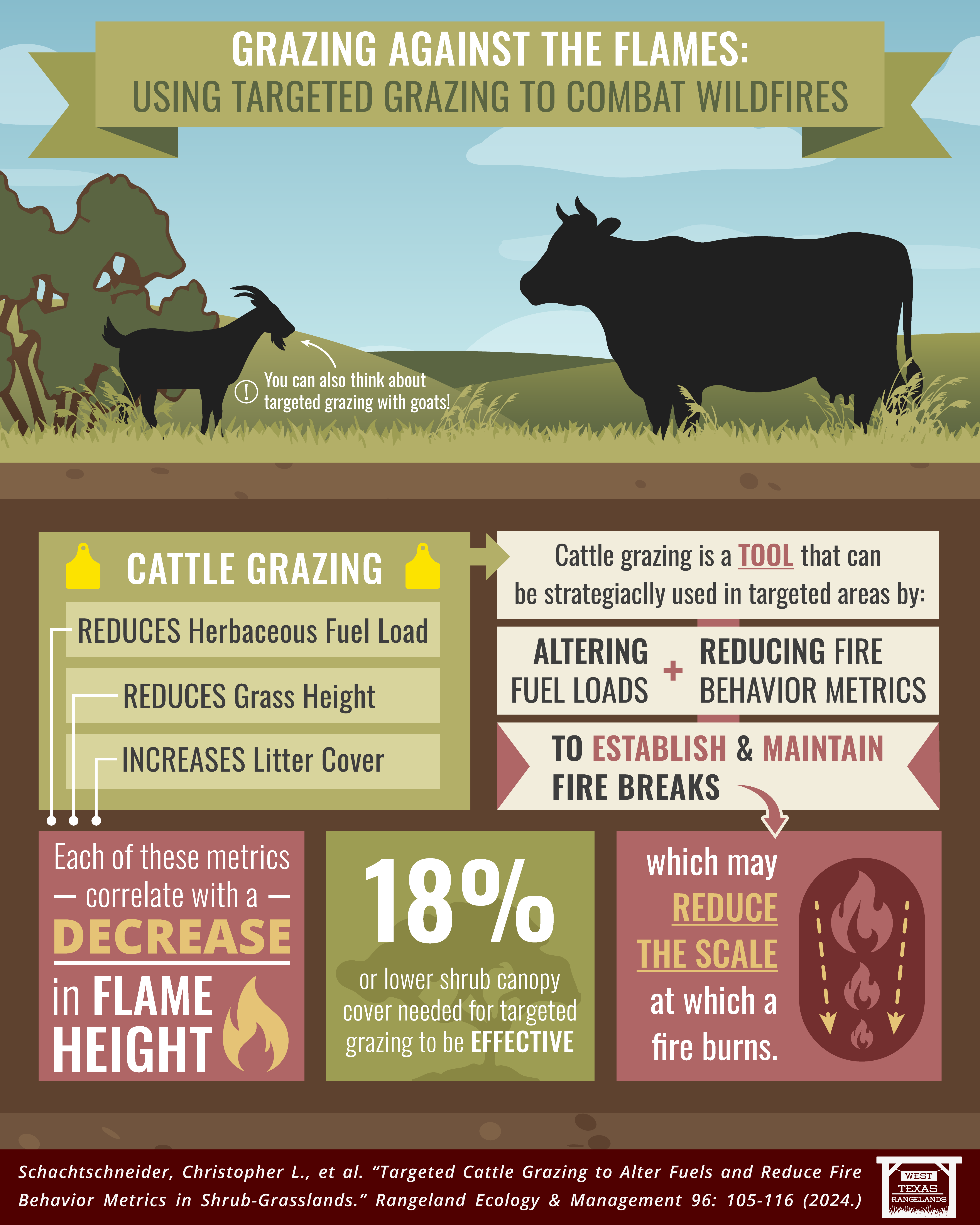
Grazing Against the Flames: Using Targeted Grazing to Combat Wildfires

April 9, 2025 by jaime.sanford

Wildfires are an escalating global crisis, marked by increasing size, frequency, suppression costs, and devastating losses. In the search for effective mitigation strategies, targeted grazing has emerged as a promising technique, strategically employing livestock to manage vegetation and diminish wildfire risks.  

[Read more…] about Grazing Against the Flames: Using Targeted Grazing to Combat Wildfires

Filed Under: Beef Cattle, Goats, Grazing Management, Targeted Grazing

Impact of Goats on Cattle Diet Composition

August 14, 2024 by jaime.sanford

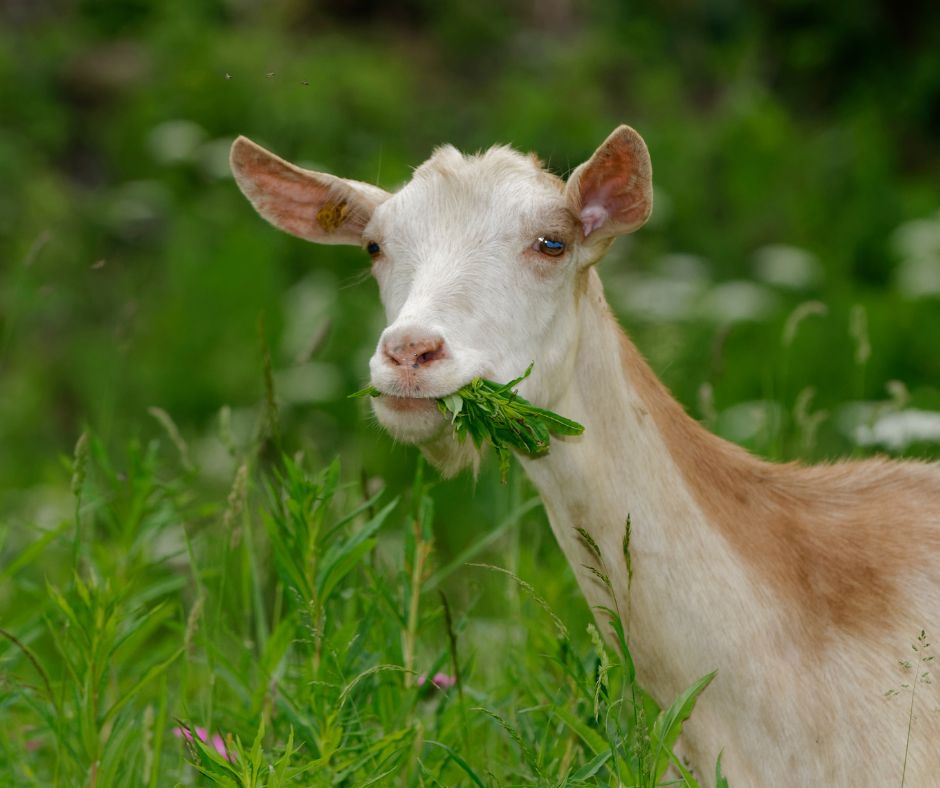
Did you know that having goats in your pasture could potentially complement the existing cattle operation while boosting livestock productivity and plant community diversity? Goats normally prefer and preferentially consume various types of woody and forb species more so than cattle do, and that their presence in a pasture does not alter what the cattle preferentially select to eat.

[Read more…] about Impact of Goats on Cattle Diet Composition

Filed Under: Beef Cattle, Brush Management, Goats, Grazing Management, Targeted Grazing, Woody Encroachment

What Goats Really Eat, With Grazing Menu Tips to Benefit Your Ranch

November 1, 2023 by jaime.sanford

Did you know that goats are meticulous eaters? They move across the landscape selectively browsing, picking out desirable pieces of forage, and combing hard to access pastures and areas for their favorite plant parts and species. 

[Read more…] about What Goats Really Eat, With Grazing Menu Tips to Benefit Your Ranch

Filed Under: Brush Management, Goats, Grazing Management, Sheep, Targeted Grazing, Woody Encroachment

NIFA Invests $9 million in Extension, Education and USDA Climate Hubs Partnership

July 19, 2023 by jaime.sanford

We are excited to announce that Drs. Morgan Treadwell, Melissa Shehane, and Ben Wu will be continuing education and extension Prairie Project efforts after receiving a $1.5 million grant from the USDA-NIFA Extension, Education and USDA Climate Hubs Partnership program area priority within AFRI’s Foundational and Applied Science Program  to support a project titled, “Promoting Climate-Smart Agricultural Practice to Reduce Risk and Impacts of Drought, Wildfire and Woody Encroachment on Livestock Production.”

[Read more…] about NIFA Invests $9 million in Extension, Education and USDA Climate Hubs Partnership

Filed Under: Drought Management, Grazing Management, Prescribed Burning, Targeted Grazing, Woody Encroachment Tagged With: Drought Management, grazing management, Prescribed Burn, woody encroachment

Wood Plant Encroachment in Grasslands: Teaching by RAP’ping

March 22, 2023 by jaime.sanford

Are you headed to Texas and Southwestern Cattle Raisers Conference this weekend? If so, be sure to stop by and see our very own Erika Sullivan during the Graduate Poster Presentation.

[Read more…] about Wood Plant Encroachment in Grasslands: Teaching by RAP’ping

Filed Under: Conservation, Conservation Practices, Prescribed Burning, RAP, Targeted Grazing Tagged With: Conservation, grazing management, Rangeland Platform Analysis, RAP

The Society for Range Management Recognizes Texas Stewards

March 22, 2023 by jaime.sanford

Congratulations are in order for Dr. John Walker for receiving the Sustained Lifetime Achievement Award. He has been recognized for more than four decades of substantial contributions to Rangeland Science and Management.

[Read more…] about The Society for Range Management Recognizes Texas Stewards

Filed Under: Conservation, Conservation Practices, Grazing Management, Targeted Grazing Tagged With: Conservation Practices, Conversation, grazing management

Targeted Grazing with Goats and Sheep

March 1, 2023 by jaime.sanford

Before producers can consider adding additional species to their operations, forage production and carrying capacity must be determined. This is crucial and the foundation of any operation.  More information on determining stocking rate and carry capacity can be found in this AgriLife Extension Publication – Stocking Rate: The Key Grazing Management Decision.

What is Targeted Grazing?

[Read more…] about Targeted Grazing with Goats and Sheep

Filed Under: Goats, Grazing Management, Range Concepts, Sheep, Targeted Grazing Tagged With: Goats, Grazing, grazing management, Sheep, Targeted Grazing

Recent Posts

  • Mesquite Seedling Mastery – New Insights on Limiting Mesquite Recruitment with Fire
  • Take What You Need & Let The Range Succeed: Principles of Sustainable Grazing
  • The Power of Connection: How Social Interactions Affect the Utilization of Prescribed Fires
  • Summer Weather Outlook
  • Burn Smarter, Not Just Hotter: Timing Fire for Plant Response in the Edwards Plateau

Categories

  • 4-H Range Contests
  • Beef Cattle
  • Brush Management
  • Carbon Credits
  • Carbon Markets
  • Conservation
  • Conservation Practices
  • Drought Management
  • El Niño
  • Events
  • Goats
  • Grazing Management
  • La Niña
  • Land
  • Lessons Learned
  • Meet A County Extension Agent
  • Plant ID
  • Podcast
  • Prescribed Burn Associations
  • Prescribed Burning
  • Publications
  • Range Concepts
  • RAP
  • Sheep
  • Society for Range Management
  • Soil
  • Staff
  • Targeted Grazing
  • Uncategorized
  • Water
  • Weather
  • Why I Ranch
  • Wild Pigs
  • Wildfire
  • Wildfires
  • Wind
  • Woody Encroachment
  • Youth Range Workshop

Archives

Texas A&M AgriLife Extension Service
Texas A&M University System Member
  • Compact with Texans
  • Privacy and Security
  • Accessibility Policy
  • State Link Policy
  • Statewide Search
  • Veterans Benefits
  • Military Families
  • Risk, Fraud & Misconduct Hotline
  • Texas Homeland Security
  • Texas Veteran's Portal
  • Equal Opportunity
  • Open Records/Public Information