Article written by Mr. Burkes Kissire, Sutton County 4-H Member
When looking out into a rangeland, you might think that all the grass you see can be fully grazed, but when you look a little deeper into the subject, you begin to realize that you may be wrong.
Rangelands are the most valuable resource available to livestock producers in Texas. A well-managed rangeland can easily sustain both livestock and wildlife, while also maintaining healthy soil. However, these resources can decline quickly when overused. One of the most recommended grazing practices is the Take 50%, Leave 50% concept. While simple in theory, this management practice can have significant impacts on the long-term health and the productivity of your land.
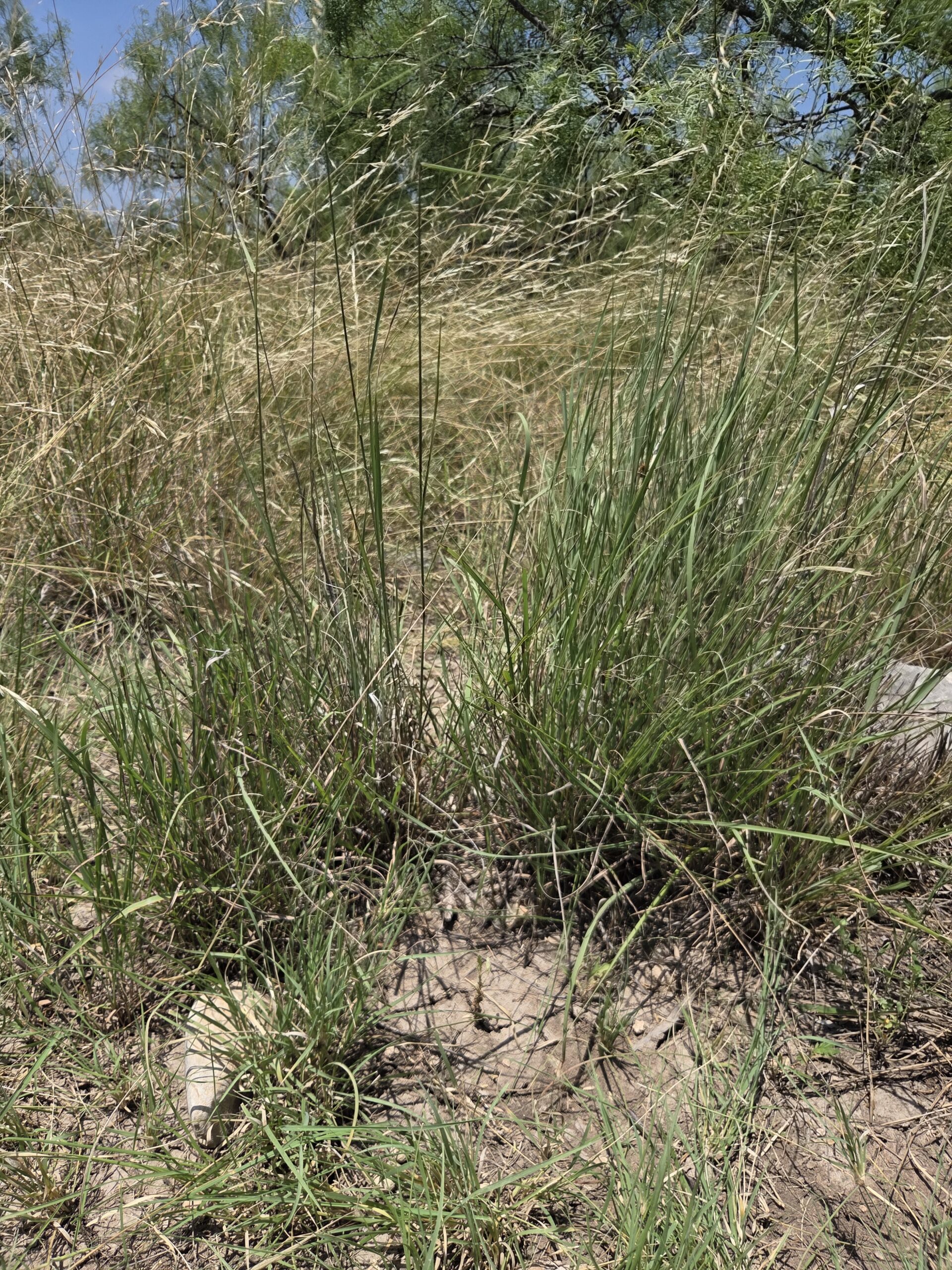
Take 50%, Leave 50% is exactly what the name suggests: only half the edible forages should be removed from the pasture. Importantly, this must be based on the weight of the edible forage, rather than the height of the plant. Different plants grow differently, making height an unreliable factor for estimating. By only focusing on the amount of forage used, rangeland managers can better manage their plants and rangelands and ensure that plants retain enough leafy material to recover the lost material efficiently and quickly.
Leaving half of the plant is essential for the plant’s health since plants rely on their leaves to capture available sunlight and produce energy they need through photosynthesis. When too much of the leaf is grazed, the plant goes into a state of emergency, in which the plant begins to use energy stored in the roots for regrowth. Depending on how much leaf was removed, a portion of the roots will stop growing. In contrast, when 50% or more of the leaf material remains and contributes to photosynthesis, the plant recovers more quickly, leading to more efficient plant growth and healthier roots.
Proper grazing affects the roots more than you think. A pasture full of healthy plants has a healthy root system that helps hold soil in place and helps hold water during a drought. Deep roots allow water to infiltrate the soil, instead of running off and eroding your soil. Healthy rangelands also promote nutrient cycling as plant material decomposes and returns nutrients to the soil. Over time, these processes and cycles will lead to better soil health, cleaner groundwater, and a more drought-resistant rangeland for years to come.
Applying the Take 50%, Leave 50% principle starts with understanding the amount available forage. Rangeland managers can visually estimate the amount of plant life in a pasture, but for precise measurements, you should weigh the grass. Begin by marking out a random square yard in your pasture, clip and weigh the grass, then convert this weight into pounds per acre. Knowing the exact amount of forage production in your pasture can help prevent overstocking and ensure that the plant retains enough material to regenerate.
Each livestock species selects different plants, making your choice of livestock very important. Cattle primarily graze taller grasses, and graze less selectively than other livestock species. Sheep graze shorter grasses, legumes, and other plants native to where they live. In contrast to both cattle and sheep, goats prefer browse, similar to a white-tail deer. Because each species has its preference, you can allow multiple species to graze or browse the same pasture to maximize operation. For example, if you have a pasture dominated by grasses that also has a considerable amount of browse, you may consider allowing both sheep and goats to graze and browse the same pasture.
Successfully applying this principle requires more than simply gauging your forage content. Rangeland managers must also consider carrying capacity, stocking rates, growing seasons, seasonal rainfall, and pasture recovery times. Strategies such as rotational grazing and deferred grazing help you maintain the perfect ratio of forage in your pasture. During a drought, you may have to reduce your stocking rate to ensure you do not lose too much grass.
The economic benefits of proper grazing are major. A healthy rangeland produces more edible forage over time, reducing the need for supplemental feeds. Good forage quality is important since it leads to efficient weight gain and overall improves herd quality. By maintaining productive plants on productive soil, producers can avoid costly restoration efforts needed after overgrazing. Sustainable grazing practices help protect natural resources we have and profitability.
The Take 50%, Leave 50% concept has remained one of the most reliable grazing practices since it can balance production and resource conservation. Following this principle helps maintain healthy plants and soil. This combination of benefits leads to productive rangelands for future generations. While every operation is unique, this practical principle can be applied almost anywhere, with any types of grass.
Sources: Dr. Doug Tolleson, Pascual Hernandez, Tammy Fisher