Guest Collaborator – Mr. Cooper Caswell, Undergraduate Student Angelo State University
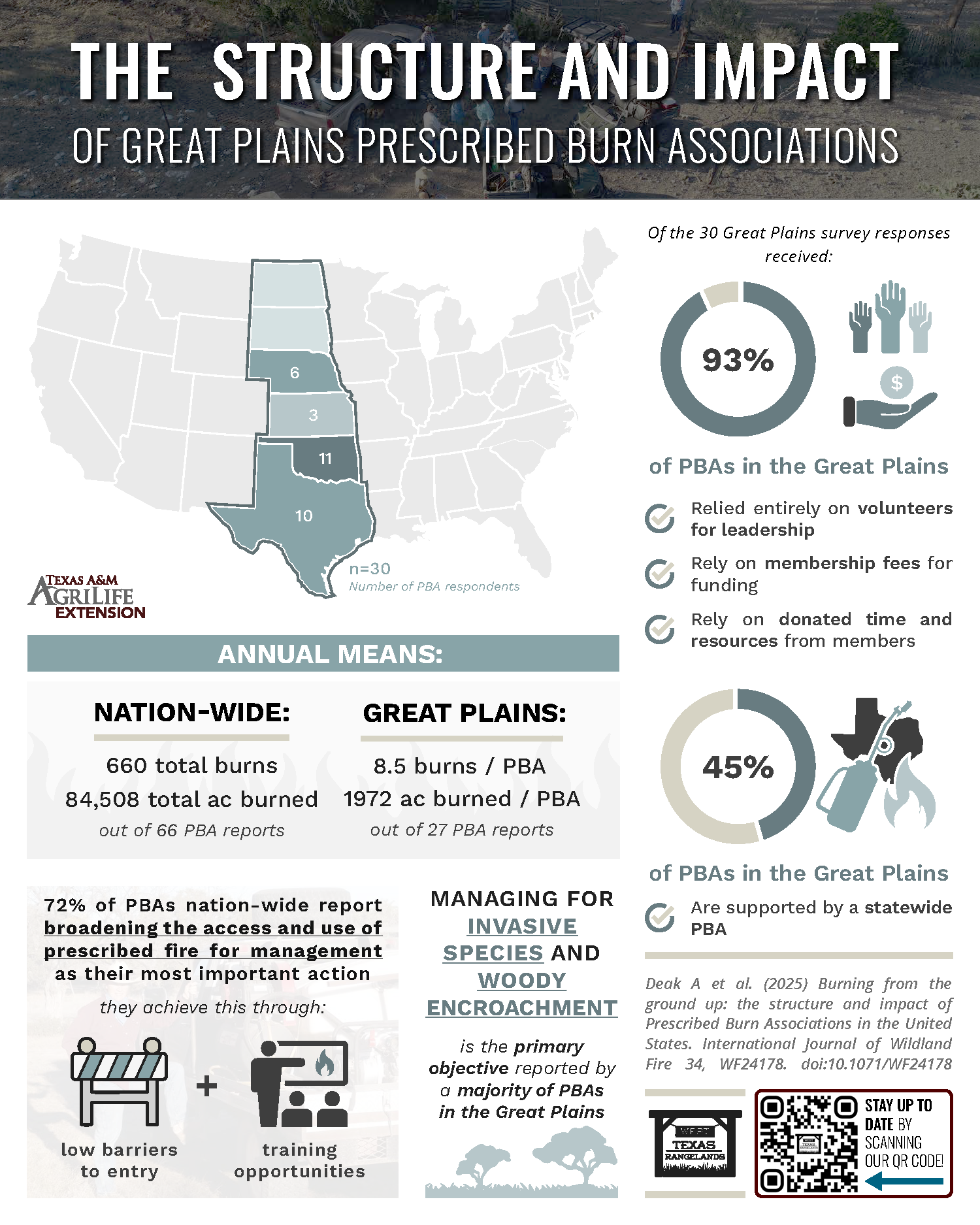
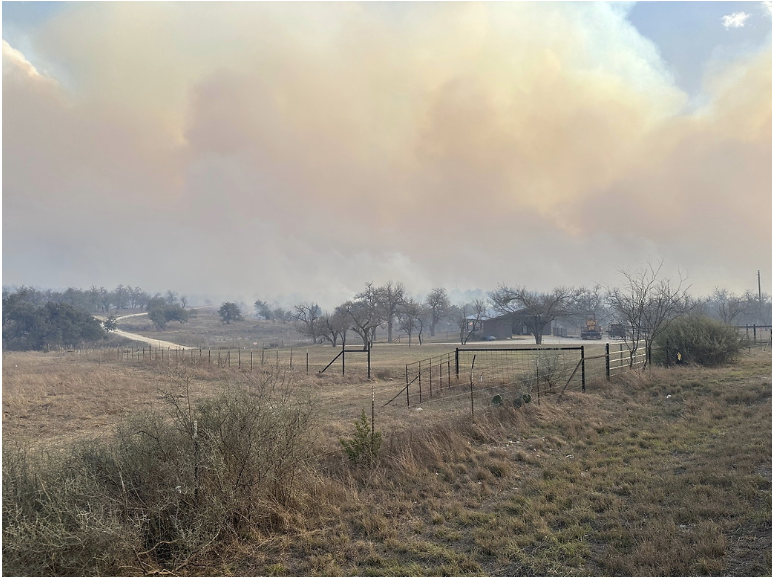
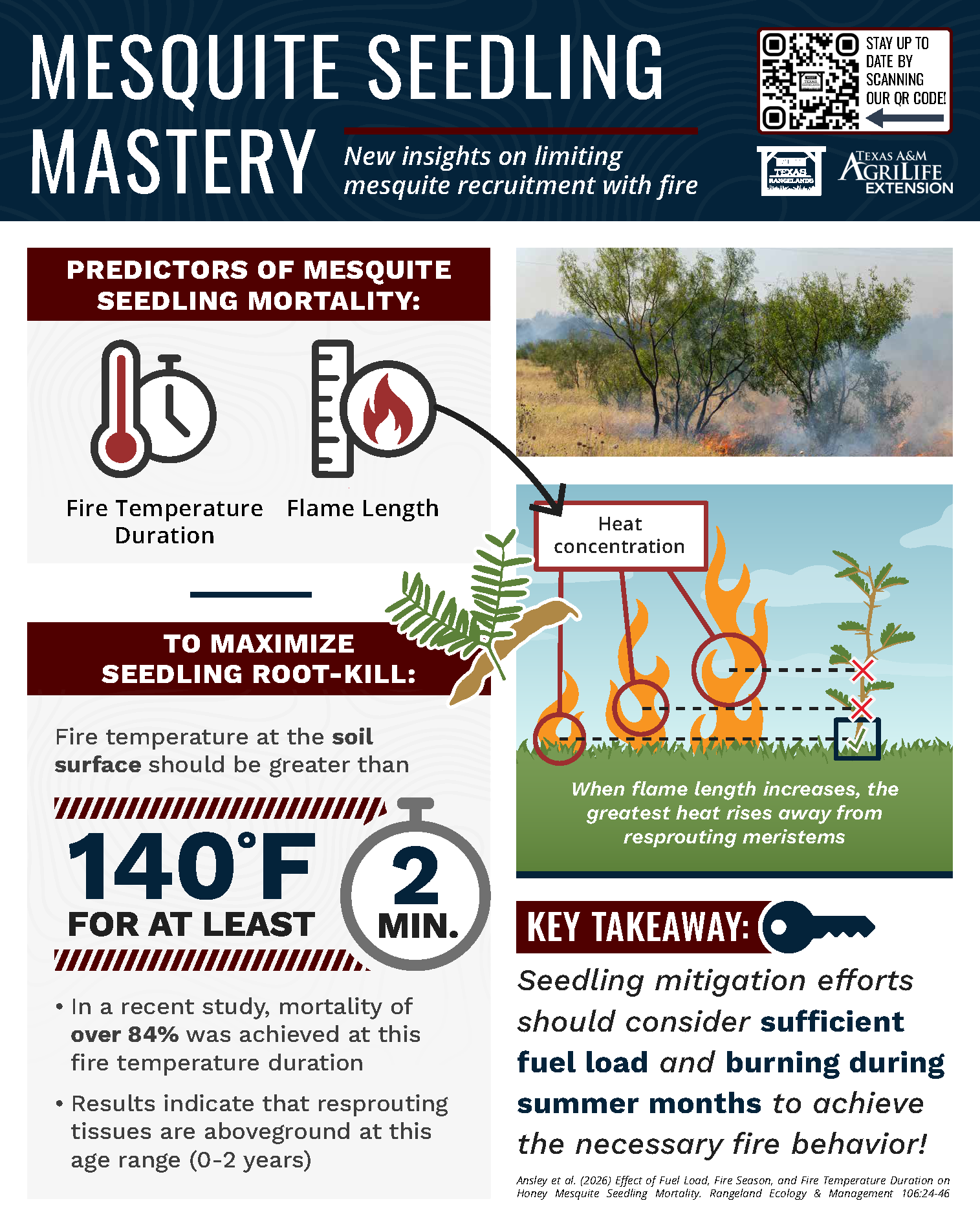
Fire has historically been a threat to wildlife; however, it is a widely proven fact that one of the most beneficial tools available in Texas rangelands to create improved wildlife habitat is the use of prescribed fire. Natural wildfires and fire utilized by Indigenous peoples created grassland habitat for millennia before the widespread practice of fire suppression and removed encroaching woody species, recycled nutrients, and stimulated grass and plant growth-the species on which native wildlife are accustomed to feed. Today, years of fire suppression have permitted the spread of invasive woody species over millions of Texas acres; the result: dense woody cover limits native grass and food production, creating an unsuitable habitat for many species.
Carefully designed prescribed burns bring back open grasslands, a diversity of plant life, and healthy ecosystem support for livestock and wildlife alike.
Benefits of Fire to Wildlife
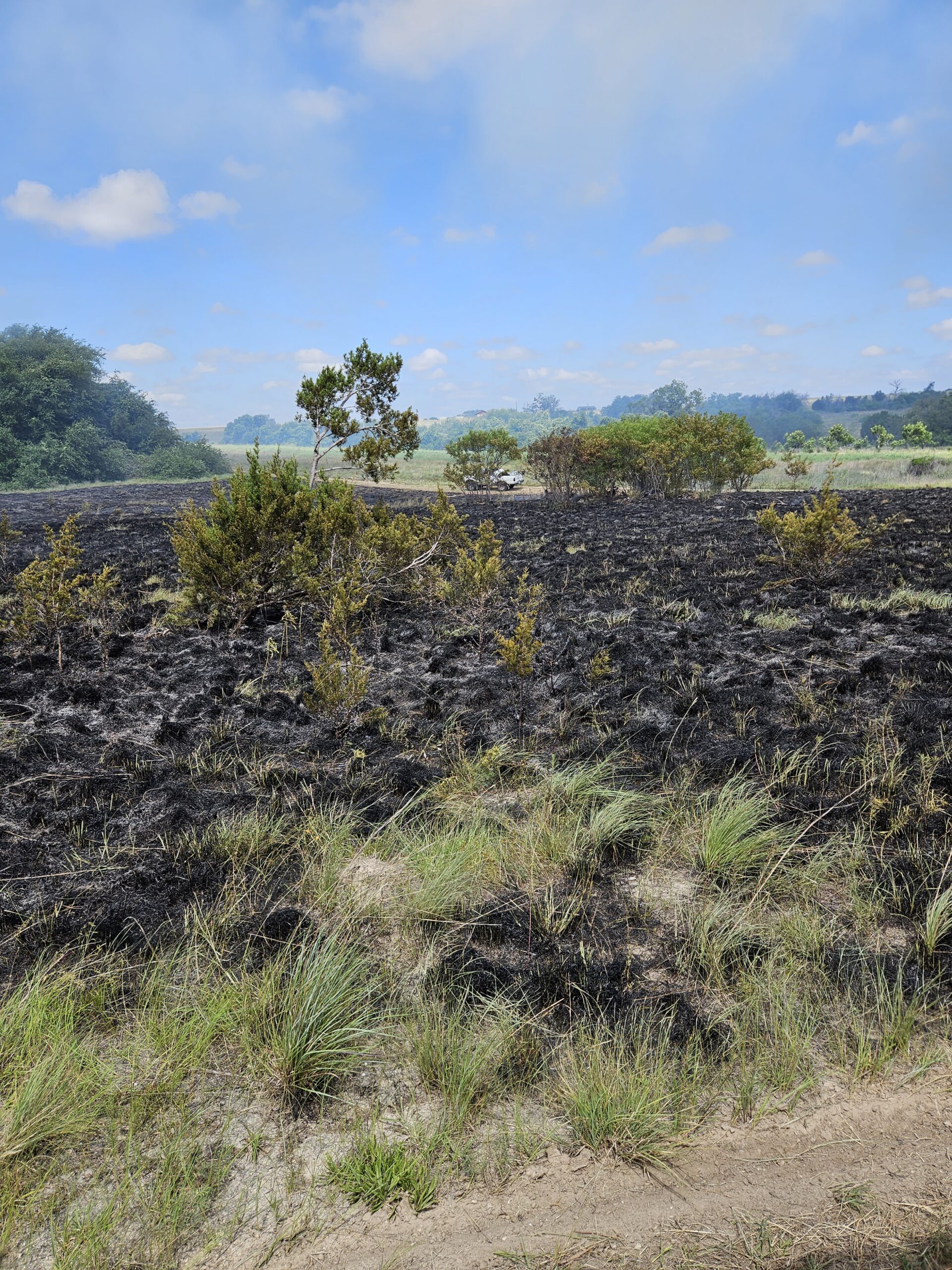
When managed carefully, a fire seldom kills any wildlife animals directly-they tend to avoid flames or seek refuge in underground burrows, tree roots, or within unburned vegetation. While habitat loss occurs in burned patches temporarily, post-rain regrowth of green, young vegetation encourages insects, small mammals, birds, and larger grazing animals alike. The greatest ecological benefit of a burn is diversity. It creates a mosaic effect of burned and unburned portions of the landscape, providing a mix of food and habitat opportunities to attract and sustain a number of animal species.
Wildlife Responses to Prescribed Fire
Effects vary by species, but fire tends to benefit most species.
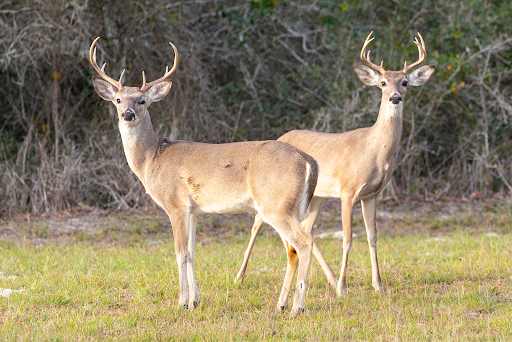
Small mammal impacts from the fire itself are generally insignificant, but increases in their availability and a surge in their populations follow as a new bounty of young plants provides an abundance of food. Numerous bird species are especially positively affected by a burn. Bobwhite quail-a grassland bird preferring a diverse mixture of open, shrubby habitats-may feed in recently burned patches, while relying on adjacent woody cover and trees for nesting and roosting opportunities. Wild Turkey may also forage in burned areas but look to the nearby trees for cover. Small songbirds can also benefit from an increase in insects and a more desirable, nutritious habitat for nesting and food. For many large mammals, like white-tailed deer, pronghorn antelope, and mule deer, improved habitat is an important benefit of fire.
After a fire, the nutritious green forage regrows rapidly, providing readily available food resources. With nearby areas of remaining trees and shrubs providing food and shelter, edges created between burned and unburned areas become feeding zones and bedding locations. Amphibians and reptiles, so long as appropriate conditions exist at the time of burn, generally tolerate a fire quite well; many research efforts demonstrate a variety of amphibian and reptile species are often maintained or enhanced on fire-managed landscapes.
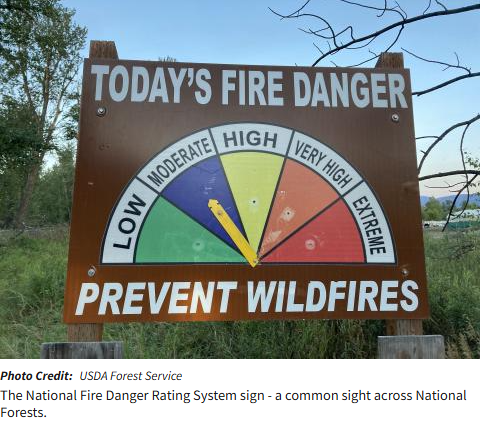
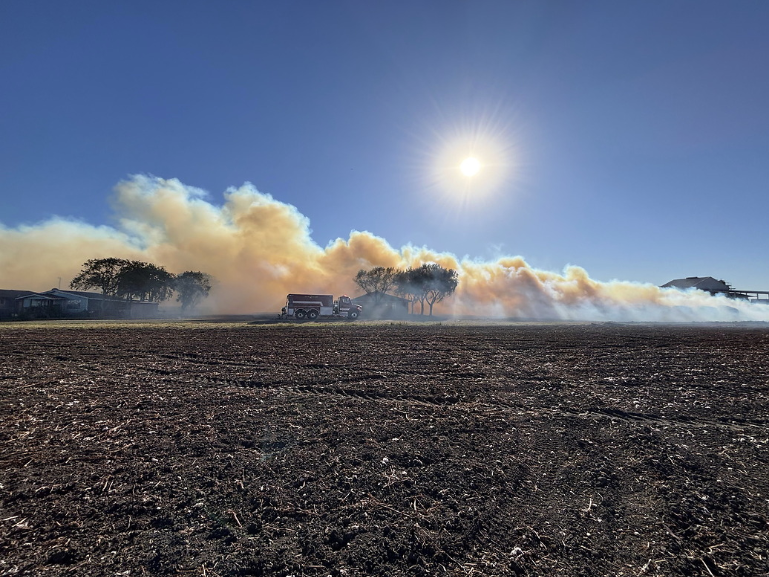
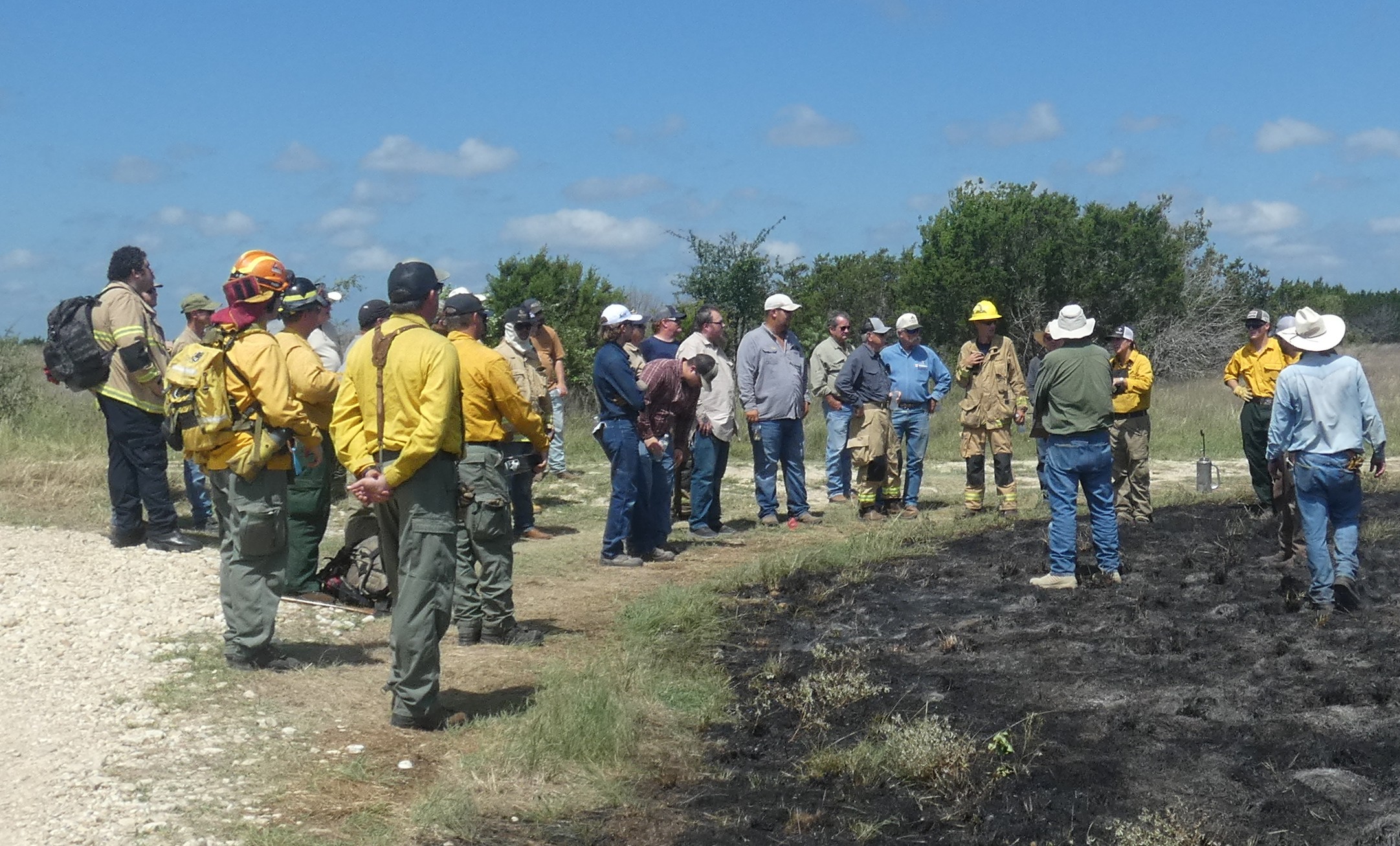
A prescribed fire needs careful planning. A successful fire utilizes the best timing, weather conditions, vegetation type, soil type, fuel levels, and species of interest to ensure success. Burning rotational segments of a ranch allows ample time for vegetation to recover between burns and for animals to use burned as well as nonburned areas.
The impact of fire multiplies when paired with good livestock grazing management, which encourages and utilizes new grass growth, forcing grazing and allowing remaining vegetation to grow.
Management for Healthy Landscapes
Wildlife habitat fluctuates; management strategies must be in place for productive rangelands. Prescribed burning returns nutrients to the soil, removes fuel for more damaging wildfires, and promotes the growth of productive native vegetation, vital for ecosystem health.
A burn plan combined with a grazing management plan on your property will ensure healthy, diverse, and resilient ecosystems for years to come.
Source: https://agrilife.org/westtexasrangelands/files/2023/08/Effects-of-fire-on-wildlife.pdf