Across much of Texas, drought remains a defining challenge for rangeland managers. A recent AgriLife Today article highlights an important reality for producers: while some areas have seen timely rainfall, much of the state is still managing through ongoing drought conditions, and adaptability remains critical for long-term rangeland resilience.
👉 Read the full AgriLife Today article: https://agrilifetoday.tamu.edu/2026/05/19/adaptability-and-managing-for-rangeland-resilience-remain-key-as-drought-covers-much-of-the-state/
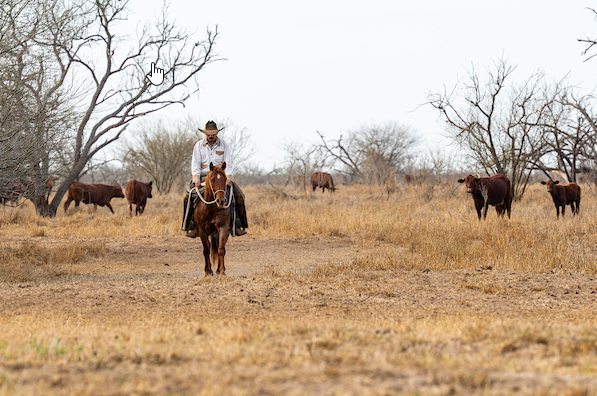 A Mixed Picture Across the State
Texas rangelands are experiencing a wide range of conditions this year. Some regions, including parts of the Cross Timbers, Concho Valley, and Hill Country, are seeing improved forage production due to spring rainfall. These areas present an opportunity for producers to allow pastures time to recover after extended drought conditions.
At the same time, much of the state remains in drought. According to the U.S. Drought Monitor cited in the article, 81 percent of Texas is experiencing some level of drought. While fewer areas are in the most extreme categories compared to last year, drought is still widespread and continues to impact forage availability and management decisions.
For producers in the Panhandle, South Texas, and other regions facing more severe conditions, the message is clear: careful evaluation and planning are still essential.
Recovery Starts with Rest
One of the most important takeaways from the article is the value of rest during periods of active plant growth. When moisture is available, and grasses begin to respond, reducing grazing pressure allows plants to rebuild energy reserves.
This recovery period helps promote:
- Root development
- Leaf growth
- Improved plant vigor
Allowing plants time to recover can have long-term benefits for both forage production and overall rangeland health. Resilient rangelands depend on maintaining this balance between use and recovery.
Managing for Resilience, Not Just Production
Producers are not just managing livestock. They are managing ecosystems. The article emphasizes that stewardship of rangeland resources includes maintaining ground cover and building organic matter in the soil.
These practices support essential ecosystem services, including:
- Forage production for livestock
- Habitat for wildlife, especially during critical periods
- Soil health and water infiltration
A focus on resilience helps ensure that rangelands can continue to function through both wet and dry periods.
Drought Planning Still Matters
Even in areas that have received rain, it is important not to assume the drought is over. Conditions can change quickly, and the forage available now may need to carry operations through the remainder of the growing season.
Producers are encouraged to continually evaluate forage availability and compare it to expected needs. This is a key part of any drought contingency plan and helps guide decisions about stocking rates and grazing pressure.
In areas still experiencing severe drought, proactive steps such as adjusting stocking rates or reassessing grazing strategies may be necessary to avoid long-term damage to the land.
A Practical Takeaway for West Texas
For West Texas producers, where variability is the norm and drought cycles are familiar, this message reinforces what many already know. Flexibility is not optional. It is essential.
Whether your operation has received recent rain or is still waiting for relief, the same principles apply:
- Take advantage of good conditions to build recovery
- Protect plant health through strategic grazing decisions
- Monitor forage conditions closely
- Be prepared to adjust as conditions change
Looking Ahead
Drought will continue to be part of managing rangelands in Texas. While rainfall patterns and seasonal conditions are beyond our control, management decisions are not.
By focusing on adaptability and resilience, landowners and managers can position their operations to better withstand drought and recover more quickly when conditions improve.