• Skip to primary navigation
  • Skip to main content
  • Skip to primary sidebar
  • Texas A&M Forest Service
  • Texas A&M Veterinary Medical Diagnostics Laboratory
  • Texas A&M AgriLife Extension Service
  • Texas A&M AgriLife Research
  • Texas A&M College of Agrculture and Life Sciences
West Texas Rangelands
West Texas RangelandsWe hope to provide a variety of science-based rangeland information and current research on prescribed fire, wildfires, brush management, and grazing management!
  • Menu
  • Home
  • About & Contact
  • Publications
    • Extension Publications
    • Refereed Journal Articles
    • Program Summaries
  • Events
  • Lunch N’ Learn
  • Infographics
    • Drought
    • Grazing
    • Herbicide
    • Prescribed Fire
    • Rangeland Plants
    • Wildfire
  • Range Resources
    • Published to Pasture
    • Range Concepts
  • Fire Resources
  • Sponsors
  • AgriLife Learn Online Courses

Wildfire Resilience Starts Before the Fire: Lessons from Fire Scientist Jack Cohen

August 13, 2026 by kara.matheney

When headlines focus on record-setting wildfires, the conversation often centers on flame lengths, acres burned, and suppression efforts. While these factors matter, one of the nation’s leading wildfire scientists argues that we may be asking the wrong question.

Instead of asking how to stop every wildfire, Dr. Jack Cohen encourages us to ask how we can better prepare homes, ranches, and communities to withstand them. In a recent interview published in Forest News, Cohen discussed decades of research that have transformed our understanding of wildfire risk and what truly drives losses during wildfire events.

For landowners and producers across Texas, his message is both practical and empowering: wildfire resilience begins long before smoke appears on the horizon.
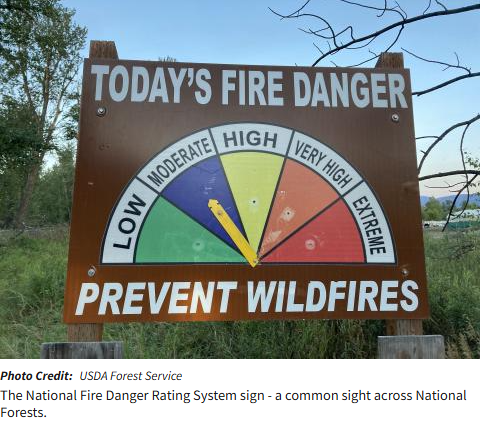
Rethinking Wildfire Risk
Cohen’s work as a Forest Service fire scientist helped reshape how wildfire professionals think about community losses. According to the interview, his research demonstrated that the ignitability of homes and structures is often the decisive factor in wildfire disasters, rather than the behavior of the wildfire itself.

That idea challenges a common assumption. Many people believe homes are destroyed primarily because a large wildfire directly engulfs them. In reality, homes and infrastructure are often vulnerable because of conditions immediately surrounding the structure. Cohen’s research has helped shift the focus toward creating ignition-resistant homes and fire-adapted communities.

For Texas landowners, this means wildfire preparedness is not solely about what happens across the landscape. It is also about what happens within a few feet of homes, barns, equipment sheds, livestock facilities, and other critical infrastructure.

The Growing Importance of Preparedness
Texas has experienced several significant wildfire events in recent years, including fires that moved quickly across rangelands under extreme weather conditions. As drought, heat, and wind combine to create elevated fire danger, reducing vulnerability before a wildfire occurs becomes increasingly important.

While ranchers cannot control weather conditions, they can influence how prepared their operations are when fire occurs.

Preparation may include:

  • Reducing combustible materials around structures.
  • Maintaining access routes for emergency vehicles.
  • Developing livestock evacuation or relocation plans.
  • Managing fine fuels around homes and working facilities.
  • Identifying water sources and suppression resources.
  • Coordinating with neighbors and local fire departments.

These actions may not prevent a wildfire from occurring, but they can significantly improve an operation’s ability to withstand one.

Fire Is a Natural Part of the Landscape
Another important takeaway from Cohen’s work is the recognition that fire is a natural ecological process. Throughout history, fire has shaped grasslands, woodlands, and forests across North America.

Many Texas ecosystems evolved with periodic fire. Historically, naturally occurring fires and Indigenous burning practices helped maintain healthy plant communities, recycle nutrients, reduce woody encroachment, and create diverse wildlife habitat.

When fire is excluded from fire-adapted landscapes for extended periods, fuels can accumulate. This build-up can contribute to more challenging fire behavior when wildfires eventually occur.

For many landowners, prescribed fire remains one of the most effective tools available for reducing hazardous fuels while maintaining healthy and productive rangelands.

Building Fire-Adapted Communities
Cohen emphasized the importance of creating wildfire-resistant communities rather than relying solely on fire suppression. His research helped influence national programs such as Firewise USA and broader efforts to improve community resilience.

Although much of the national conversation focuses on neighborhoods in forested regions, the same principles apply to rural communities and ranching operations across Texas.

Fire-adapted communities often share several characteristics:

  • Awareness of local fire risk.
  • Coordinated planning among landowners.
  • Regular fuel management.
  • Infrastructure designed to reduce vulnerability.
  • Strong partnerships with local emergency responders.

These efforts help communities prepare for wildfire as an inevitable event rather than treating it as a rare possibility.

What This Means for Texas Ranchers
For producers, wildfire resilience extends beyond protecting homes. Livestock, fences, water infrastructure, hay supplies, equipment, and grazing resources are all vulnerable to wildfire impacts.

A wildfire preparedness plan should consider:

Livestock Management

Identify potential evacuation routes, temporary holding areas, and transportation resources before they are needed.

Infrastructure Protection
Evaluate vulnerable structures and facilities. Simple maintenance actions can reduce fire risk around homes, barns, and equipment storage areas.

Fuel Management
Maintain defensible space around critical infrastructure and consider long-term fuel reduction strategies where appropriate.

Communication
Know how emergency information will be received and shared during a wildfire incident.

Recovery Planning
Think beyond response. Consider how fencing, grazing management, and livestock operations would recover following a wildfire.

Resilience Starts Now
One of the most important lessons from Cohen’s career is that successful wildfire management is not solely measured by fires extinguished. It is also measured by communities that are prepared, landscapes that are resilient, and structures that can survive when wildfire occurs.

For Texas landowners, that is encouraging news. While wildfire is an unavoidable part of many landscapes, there are practical actions that can reduce risk and improve outcomes.

The most effective wildfire response often begins months or even years before the first spark. Whether through fuel management, prescribed fire, preparedness planning, or community collaboration, every step taken today can help create a more resilient tomorrow.

As wildfires continue to shape landscapes across the West, Cohen’s message remains highly relevant: protecting communities starts with making them less vulnerable to ignition in the first place.

Source: “A Conversation With Jack Cohen,” Forest News, Summer 2026, Forest Service Employees for Environmental Ethics.
Filed Under: Lessons Learned, Wildfire Tagged With: #ConservationMatters, #FireAdaptedCommunities, #PrescribedFire, #RangelandManagement, #TexasRanching, #WestTexasRangelands, #WildfirePreparedness, #WildfireResilience

Lessons Learned – Pyro-Vortex Tornado on the Deer Creek Fire

November 12, 2025 by jaime.sanford

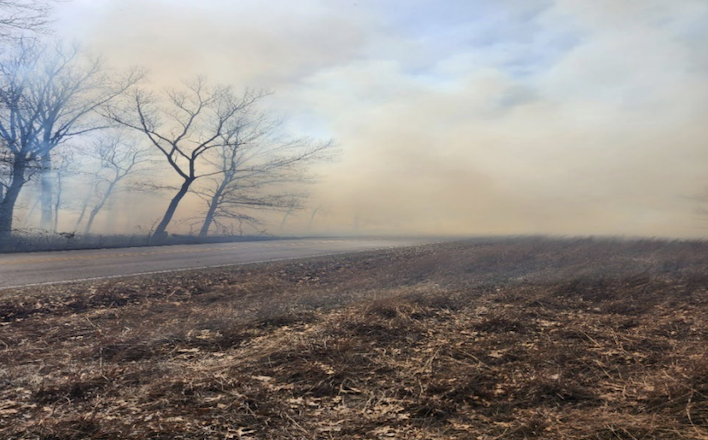
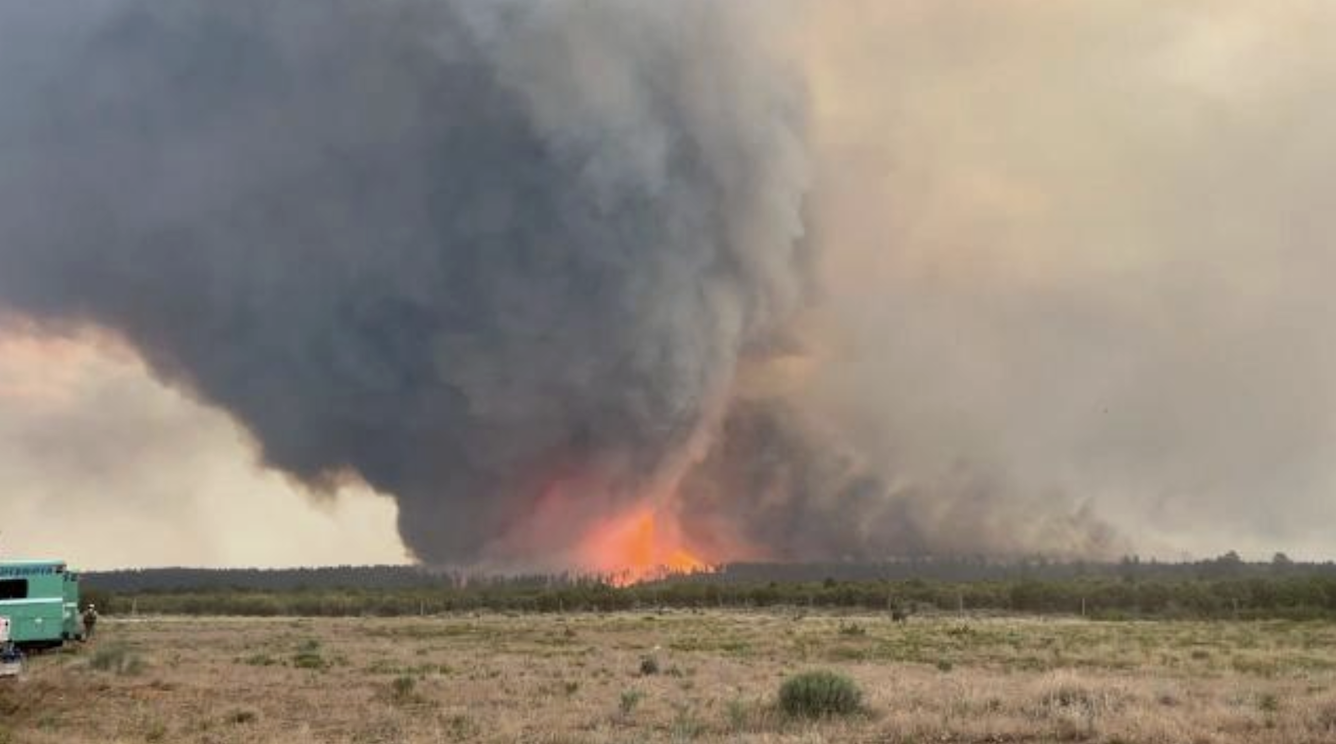
On July 12, 2025, firefighters on the Deer Creek Fire near Moab, Utah, experienced one of the most extreme and rare weather events in wildfire history, a pyro-vortex powerful enough to be classified as an EF2 tornado. With wind speeds reaching 111–135 mph, this fire-generated vortex caused significant structural damage and created life-threatening conditions for crews on the ground.

[Read more…] about Lessons Learned – Pyro-Vortex Tornado on the Deer Creek Fire

Filed Under: Lessons Learned

Lessons Learned – Gas Polyurethane Line Ignited by Wildfire

September 10, 2025 by jaime.sanford

Picture of a natural gas fire burningOn July 17, 2025, a rapidly growing brush and grass fire broke out in the steep slopes of Cottonwood Flats, near the community of Rulison, Colorado. This area is known for its oil and gas infrastructure, and fire resources are regularly briefed on the presence of these operations. 

The wildfire’s east side saw the most growth. However, the majority of the oil and gas infrastructure was located on the fire’s northwest flank, where it experienced lower-intensity backing and flanking fire. Two above-ground natural gas lines were near the heel of the fire, one steel and the other a “FlexSteel” pipe. According to local fire and oil and gas personnel, most gas lines are typically buried underground.

[Read more…] about Lessons Learned – Gas Polyurethane Line Ignited by Wildfire

Filed Under: Lessons Learned

Indiana Prescribed Fire Entrapment – Incident Review

August 6, 2025 by jaime.sanford

On March 18, 2025, a routine prescribed fire at Indiana Dunes National Park turned into a serious safety incident when a firefighter sustained first and second‑degree facial burns, and a UTV caught fire during suppression efforts.

The team was tasked with burning a 10‑acre section just north of Long Lake, Indiana. Winds were at the upper limit of the prescription, but initial operations proceeded normally.

[Read more…] about Indiana Prescribed Fire Entrapment – Incident Review

Filed Under: Lessons Learned

Masticator Sparks Wildfire – Rapid Lesson Sharing

January 8, 2025 by jaime.sanford

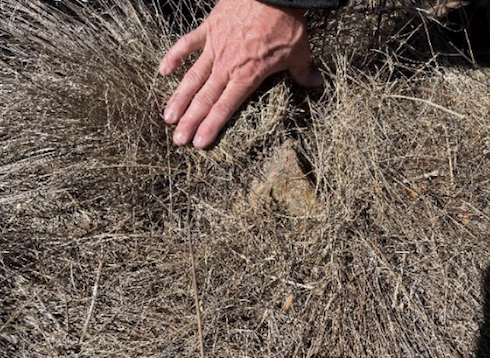
This past October in the Wichita Mountains National Wildlife Refuge (Comanche County, OK, USA) a skid steer masticator was conducting a hazardous fuels reduction treatment along a paved road. There was additional road grading and other mechanical fuel reduction work for a future prescribed burn occurring on other parts of the refuge that day. Unfortunately, the masticator hit a rock that was hidden underneath the vegetation and, unknowingly, sparked a fire. 

[Read more…] about Masticator Sparks Wildfire – Rapid Lesson Sharing

Filed Under: Lessons Learned

Prescribed Fire Lessons

May 29, 2024 by jaime.sanford

The Nebraska Prescribed Fire Council has published its second issue of Prescribed Fire Lessons Learned! The Nebraska Prescribed Fire Council takes submissions from practitioners on lessons learned from prescribed fires to assist producers, landowners, PBAs, and other prescribed fire professionals to keep improving season after season.  This forum has been invaluable in learning from one another in hopes that mistakes or judgment calls turn into valuable lessons for all of us building and contributing to prescribed fire culture. Below are some highlights from this issue. 

[Read more…] about Prescribed Fire Lessons

Filed Under: Brush Management, Lessons Learned, Prescribed Burn Associations, Prescribed Burning, Wildfire

Prescribed Fire Drip Torch Burn – Rapid Lesson Sharing

May 8, 2024 by jaime.sanford

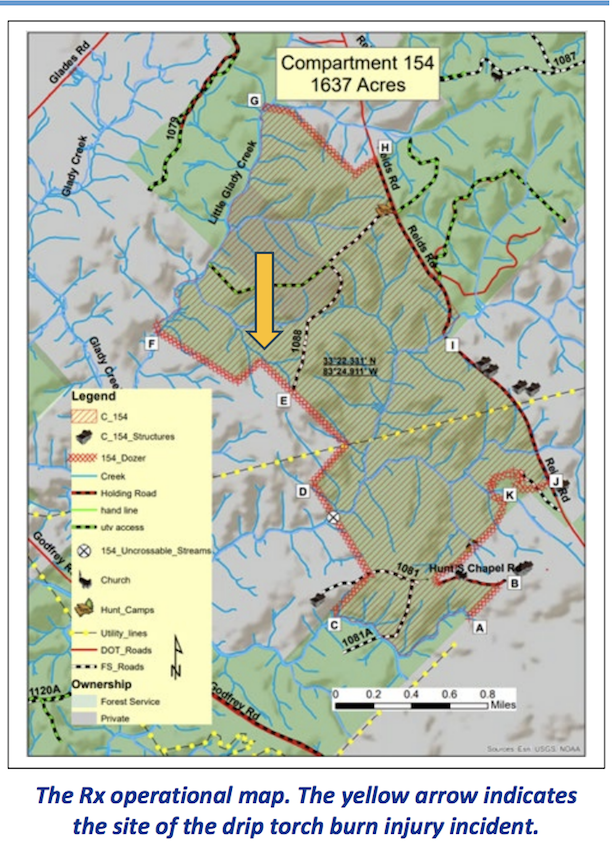
The Oconee Ranger District conducted a 1,637-acre prescribed fire in Eatonton, Georgia on February 22nd. On the day of the prescribed fire, three firefighters were assigned to the ignition crew and other personnel were assigned to holding and overhead positions. As the morning brief occurred, discussion on hazards including entanglements in vines were common to the area. 

[Read more…] about Prescribed Fire Drip Torch Burn – Rapid Lesson Sharing

Filed Under: Lessons Learned, Prescribed Burning

Lessons Learned – Contributing Factors to UTV Rollover on Prescribed Fire

March 27, 2024 by jaime.sanford

In Feb. 2023, Oakmulgee Ranger District was conducting their first large burn of the season. Multiple off-unit resources had been requested to assist with the burn, including various firefighters from other regions, Job Corps, Bureau of Land Management, and local militia. 

[Read more…] about Lessons Learned – Contributing Factors to UTV Rollover on Prescribed Fire

Filed Under: Lessons Learned, Prescribed Burn Associations, Prescribed Burning

UTV Incidents Dominates 2023 Lessons Learned

March 6, 2024 by jaime.sanford

One of the big takeaways from the 2023 summary of incident reports from the Wildland Fire Lessoned Learned Center was the increase of UTV related incidents. Over the past 14 years, the most UTV related incidents in one year was 5. In 2023 however, there were 13 related incidents. The graph shows 15 accumulated years of UTV involved incidents, including rollovers, entrapments, equipment damage, and tree strikes.

[Read more…] about UTV Incidents Dominates 2023 Lessons Learned

Filed Under: Lessons Learned, Prescribed Burn Associations, Prescribed Burning

Valuable Lessons from Dubba Shop #2 Prescribed Fire in Florida

January 31, 2024 by jaime.sanford

The Burn Boss (RXB2) for the Miccosukee Tribe in Florida and the Regional Fire Management Officer (FMO) for the Bureau of Indian Affairs, started looking for a burn window for the Dubba Shop #2 Prescribed burn. 


[Read more…] about Valuable Lessons from Dubba Shop #2 Prescribed Fire in Florida

Filed Under: Lessons Learned, Prescribed Burn Associations, Prescribed Burning

  • Page 1
  • Page 2
  • Go to Next Page »

Recent Posts

  • Know Your Forage Before Winter: Why Fall Forage Testing Pays Off
  • Wildfire Resilience Starts Before the Fire: Lessons from Fire Scientist Jack Cohen
  • Wildfire Wisdom: Proven Strategies to Protect Your Property and Livestock
  • Early Fall Outlook Points to Heat, Fire Risk, and Continued Drought Concerns
  • How Fire and Grazing Can Impact Rangeland Resilience

Categories

  • 4-H Range Contests
  • Beef Cattle
  • Brush Management
  • Carbon Credits
  • Carbon Markets
  • Conservation
  • Conservation Practices
  • Drought Management
  • El Niño
  • Events
  • Forage
  • Goats
  • Grazing Management
  • La Niña
  • Land
  • Lessons Learned
  • Meet A County Extension Agent
  • Plant ID
  • Podcast
  • Prescribed Burn Associations
  • Prescribed Burning
  • Publications
  • Range Concepts
  • RAP
  • Sheep
  • Society for Range Management
  • Soil
  • Staff
  • Targeted Grazing
  • Uncategorized
  • Water
  • Weather
  • Why I Ranch
  • Wild Pigs
  • Wildfire
  • Wildfires
  • Wind
  • Woody Encroachment
  • Youth Range Workshop

Archives

Texas A&M AgriLife Extension Service
Texas A&M University System Member
  • Compact with Texans
  • Privacy and Security
  • Accessibility Policy
  • State Link Policy
  • Statewide Search
  • Veterans Benefits
  • Military Families
  • Risk, Fraud & Misconduct Hotline
  • Texas Homeland Security
  • Texas Veteran's Portal
  • Equal Opportunity
  • Open Records/Public Information