• Skip to primary navigation
  • Skip to main content
  • Skip to primary sidebar
  • Texas A&M Forest Service
  • Texas A&M Veterinary Medical Diagnostics Laboratory
  • Texas A&M AgriLife Extension Service
  • Texas A&M AgriLife Research
  • Texas A&M College of Agrculture and Life Sciences
West Texas Rangelands
West Texas RangelandsWe hope to provide a variety of science-based rangeland information and current research on prescribed fire, wildfires, brush management, and grazing management!
  • Menu
  • Home
  • About & Contact
  • Publications
    • Extension Publications
    • Refereed Journal Articles
    • Program Summaries
  • Events
  • Lunch N’ Learn
  • Infographics
    • Drought
    • Grazing
    • Herbicide
    • Prescribed Fire
    • Rangeland Plants
    • Wildfire
  • Range Resources
    • Published to Pasture
    • Range Concepts
  • Fire Resources
  • Sponsors
  • AgriLife Learn Online Courses

Are Cows Athletes? -Dr. Travis Mulliniks University of Tennessee

October 14, 2016 by morgan.treadwell

Dr. Travis Mulliniks, Assistant Professor in beef cattle nutrition and energy nutrition University of Tennessee, poses a very interesting question.

Read below for his incredible insight!!!!  Excellent work by Dr. Mulliniks!


Beef cattle in the United States graze a variety of unique environments, which differ in climate, topography, and forage quality and quantity. These differences are accentuated by dynamic and unpredictable weather patterns and thus impact forage production and subsequently increase variability in cow performance. Animals commonly react to these variable conditions by initiating adaptive responses to cope with extreme conditions such as stress (Stott, 1981).  To date, a tremendous amount of research has shown the benefit of adapted breeds of animals to certain environmental stressors.  However, production practices that modify the production environment with purchased or harvested feedstuffs can buffer the coping mechanisms that livestock express. Furthermore, these production practices may start leading to less desirable and stagnant responses to environmental and physiological stresses. 

Dr. Mark Petersen with the USDA-ARS Fort Keogh Livestock and Range Research Laboratory in Miles City, MT has preached that cows are athletes and should be managed accordingly. For most people, that seems like a crazy concept, but when you think about the amount of environmental pressure a cow is expected to perform under coupled with nutrient demands of lactation and reproduction, this concept becomes clearer. If athletes train to have an increased adaptive capacity and tolerance to stress, why don’t we manage cows in a similar methodology to increase their adaptive resilience to environmental stresses?  However, common livestock practices tend to manipulate livestock’s nutritional environment to a degree that may completely buffer their capacity to become more adaptive and ultimately less energy efficient.  In human fitness, an interesting aspect of skeletal muscle is its adaptability. If a muscle is stressed (within tolerable limits), it adapts and improves function.  Conversely, if a muscle receives less stress than it’s used to, it atrophies. Therefore, adaptation requires a systematic application of environmental stress that is sufficient enough to elicit an adaptation, but not so severe that a loss in production occurs.  If the stress is insufficient to overload the body, then no adaptation occurs, which is where a lot of our cow-herd management practices leads us.  So can we use a model for capacity adaptability and environmental stress to increase energy efficiency and longevity of the cow herd?  Is the “feed them to breed them” mentality decreasing efficiency and/or the cow’s inherent capacity to cope with environmental stress?

Research

Adaptive capacity confers resilience to nutritional insults, given that livestock have the ability to modify their nutrient requirements with minimal losses of production.  Petersen et al. (2014) illustrated that cows experiencing a dynamic environment are coping with the change by altering nutrient requirements compared with those that are in relatively static surroundings. Conversely, cows managed in the more controlled situations or static environment have a decreased aptitude for energy utilization efficiency.  To illustrate this, Mulliniks et al. (2015) utilized datasets from research stations in New Mexico and Tennessee.   Although, nutritional supply during the breeding season is much greater in TN, pregnancy rates were significantly less (88 vs 96% in TN and NM; respectively) in TN than in the nutrient restricted environment of NM.  Input cost to achieve these production measures has to be taken into account in calculating efficiency differences.  Current annual cost of production in Tennessee is $800/cow; whereas New Mexico is roughly half at $440/cow.  In addition, Mayfield (2012) reports that longevity in the Tennessee herd was only 3.5 year, which is quite a bit lower than the 61% retention rate of the heifers remaining in the herd after 5 year of age (Mulliniks et al., 2013a).  Thus, illustrating short- and long-term effects of adaptive capacity on cow-herd productivity. 

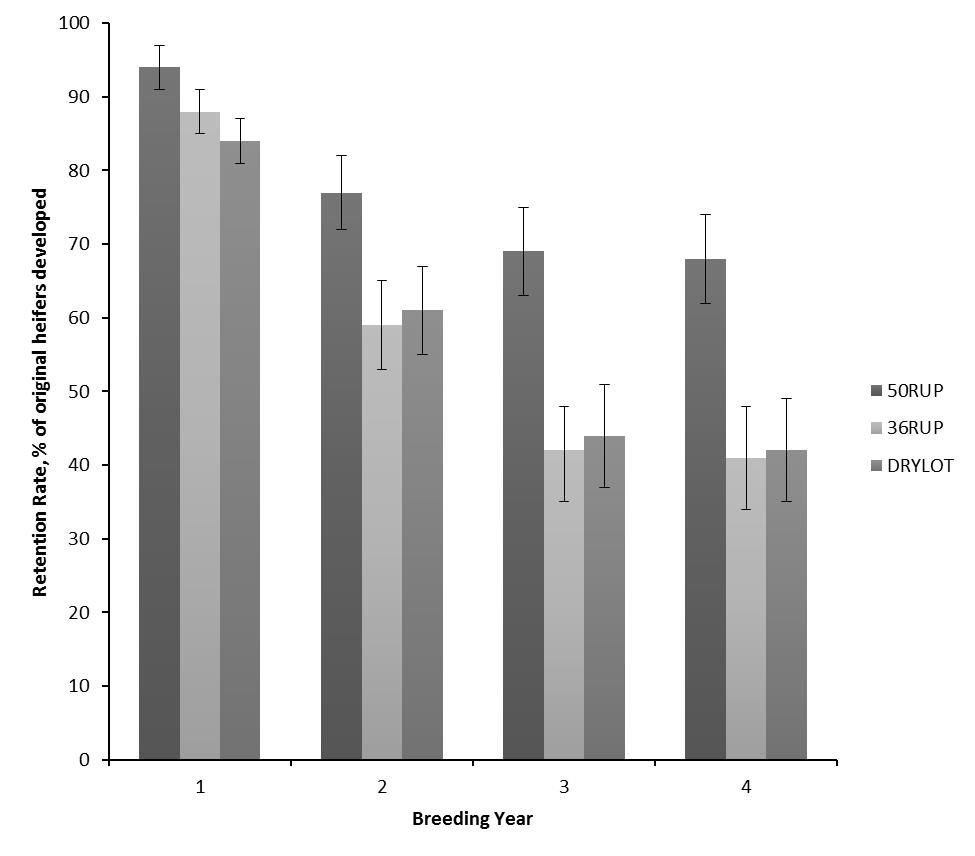
So what happens if we take environmentally adapted heifers out of their dynamic environment and develop them in a static nutritional environment?   In New Mexico, Mulliniks et al. (2013a) showed the impact of programing animals to fit their given production environment. These researchers developed yearling beef heifers on native range receiving one of two protein supplements (low-rumen undegradable protein vs high-rumen undegradable protein) or a control set of heifers developed in a feedlot.  During the developmental treatment period, heifers developed in the feedlot had increased average daily gain (1.5 lb/d) from the initiation of treatments to the start of breeding compared with range-raised heifers consuming low-quality range with protein supplementation (0.58 lb/d).  Even with the low average daily gain until breeding, retention rate through 5 years of age for range-developed heifers fed a high-RUP supplement was 68% compared with 41% heifers fed a lower-RUP supplement and 42% for heifers developed in a feedlot (see Figure 1 below).  This study indicated the short- and long-term impact that developing heifers to fit their environment can have on biological and economic efficiency.


Figure 1. Retention rate of heifers grazing native dormant range with two types of protein supplementation (36RUP and 50RUP) or fed a growing diet in a drylot. Values shown in breeding yr 1 are heifer pregnancy rates.  Breeding years 2 through 4 are proportion of the original heifers treated that were remaining at end of breeding in yr 2, 3, and 4. Retention tended (*P > 0.08) to differ among treatments in breeding yr 1 and 2, but was greater for 50RUP than 36RUP and DRYLOT cows in breeding yr 3 and 4 (**P < 0.01). 36RUP = 36% CP cottonseed meal base supplement fed 3 d/wk supplying 36% RUP; 50RUP = 36% CP supplement fed 3×/wk supplying 50% RUP; DRYLOT = corn silage diet fed in drylot to gain 0.68 kg/d. Adapted from Mulliniks et al. (2013).

figure-1

Flexible and opportunistic strategies are necessary for successful management in variable environments. Successful strategies have to be engrained in a clear understanding of the challenges facing the grazing animal and its natural abilities to meet and adapt to these challenges.  For example, Mulliniks et al. (2012) illustrated over a 6 year period that not all animals need to be fed to achieve a target body condition score, which allows for utilizing body storage as a nutrient source during periods of energy deficiency to maintain reproductive competence.  The cows from this study were offspring of cows that were managed in a low-input ($35 to 50 per cow per year in feed inputs) production system for multiple generations.  Thus, pre-planned management strategies to allow for body weight loss during periods of moderate feed restriction followed by nutrient realimentation during period of increase nutrient supply can be used to improve efficiency of energy utilization (Freetly et al., 2008).

The capacity for animals to cope with environmental changes depends on the degree of their metabolic flexibility (i.e., the phenotypic response to an environmental change).  Having a high metabolic flexibility may be significantly tied to the adaptability to dynamically changing nutrient supply levels.  Mulliniks et al. (2013b) illustrated the ability of livestock to modify metabolically in response to changes in nutrient availability was correlated to their timing of conception. Cows with elevated blood ketone concentrations, manifested from metabolic imbalance, prior to breeding season had a prolonged interval from calving to conception.  Therefore, ketone concentrations may be a useful indicator of adaptive capacity during metabolically challenging physiological periods.

Bottom Line

Livestock are expected to survive, grow, reproduce, and cope in dynamic and unpredictable weather patterns that create diverse environmental challenges or a combination of challenges.  However, if adaptive, flexible management is not utilized, static management in the face of a dynamic problem will not yield the most favorable long-term results.  With that being said, adaptive management is similar to the “bend but don’t break” philosophy.  You allow a defined amount of stress to elicit an increased capacity to respond positively to the stress.  With dynamic swings in environmental conditions, exploiting the natural ability of livestock to adapt in response to periods of nutrient imbalances may be an alternative strategy to manipulating the production environment. Implementing this approach may subsequently enhance adaptive capacity to environmental stresses, while increasing economic and biological efficiency. 

References

Freetly, H. C., J. A. Nienaber, and T. Brown-Brandl. 2008. Partitioning of energy in pregnant beef cows during nutritionally induced body weight fluctuation. J. Anim. Sci. 86:3703-77.

Mayfield, W. M. 2012. Evaluating the relationship between ultrasound-derived carcass characteristics and the production traits in Angus cattle. MS thesis. University of Tennessee, Knoxville.

Mulliniks. J. T., A. G. Rius, M. A. Edwards, S. R. Edwards, J. D. Hobbs, and R. L. G. Nave. 2015. Improving efficiency of production in pasture- and range-based beef and dairy systems. J. Anim. Sci. 93:2609-2615.

Mulliniks, J. T., D. E. Hawkins, K. K. Kane, S. H. Cox, L. A. Torell, E. J. Scholljegerdes, and M. K. Petersen. 2013a. Metabolizable protein supply while grazing dormant winter forage during heifer development alters pregnancy and subsequent in-herd retention rate. J. Anim. Sci. 91:1409-1416.

Mulliniks, J. T., M. E. Kemp, R. L. Endecott, S. H. Cox, A. J. Roberts, R. C. Waterman, T. W. Geary, E. J. Scholljegerdes, and M. K. Petersen. 2013b. Does β-hydroxybutyrate concentration influence conception date in young postpartum range beef cows? J. Anim. Sci. 91:2902-2909.

Mulliniks, J. T., S. H. Cox, M. E. Kemp, R. L. Endecott, R. C. Waterman, D. M. VanLeeuwen, and M. K. Petersen. 2012. Relationship between body condition score at calving and reproductive performance in young postpartum cows grazing native range. J. Anim. Sci. 90:2811–2817.

Petersen, M. K., C. J. Mueller, J. T. Mulliniks, A. J. Roberts, T. DelCurto, and R. C. Waterman. 2014. Potential limitations of NRC in predicting energetic requirements of beef females with western U. S. grazing systems. J. Anim. Sci. 92:2800-2808.

Stott, G. H. 1981. What is animal stress and how is it measured? J. Anim. Sci. 52:150-153.


Filed Under: Brush Management, Grazing Management Tagged With: beef cattle, grazing management, herd management, range

Why I Ranch.

September 12, 2016 by morgan.treadwell

I have decided to dedicate a series on West Texas ranchers called “Why I Ranch.”  Each month I will highlight a rancher in West Texas and ask them to share their story about the ranch life.

This September, Mr. John Treadwell will share with us his story on “Why I Ranch”.

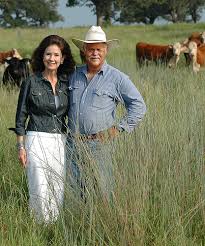
John ranches in Tom Green, Menard, and Schleicher counties.  John is the recipient of the 2006 Statewide Lone Star Land Steward and Leopold Conservation awards.  John has a mix of sheep and cattle on his operation and holds resource stewardship at the top of his priorities.

How did you get your start in ranching? I grew up as an unpaid cowboy during the peak of the screwworm infestation. Getting rid of those flies is one thing the Government did correctly. Later, after college and the Navy, I got a lot of pleasure from gardening, producing food for my family and neighbors when I lived in Dallas and gardening was also a stress reducer from my corporate job. Years later, after I sold my business, my son Brian asked me to assist him in his guiding/outfitting hunting business based on the family’s 4000 acre ranch in West Texas. We soon outgrew the home ranch and needed to lease other properties for hunting, but were appalled at the condition of the available ranches. We decided to look for a block of land that would enable us to manage the deer, quail and turkey populations to ensure sustainable and controllable numbers for our hunting operation. He eventually found two adjoining ranching properties for sale and we had 8000 acres in Eastern Menard County. Hunting alone would not float the note so we added cattle and began dividing the existing pastures to apply our version of high intensity/short duration rotation system so that we could bank grazing and would not need to feed our stock during the winter.

How important is agriculture to your family?  I think my family is more aware of what goes into the food we consume, and are appreciative of the work we go to in order to produce it. But, a lot of gardening is not fun and the same goes for chickens, sheep and cattle. So often there is recognition but not commitment.

What makes ranching in West Texas so unique?  West Texas ranching causes one to be cautious in his planning because nature is so unpredictable and we are so near the desert as far as rainfall’s reliability. We need to be continuously grateful for what we receive because it could easily be worse.

Do you feel like there is enough emphasis on agriculture in K-12 education?  I think that some exposure to plant and animal growth and behavior could be part of Biology but since no university has a degree in sustainable ag or organic ag, where would the instructors come from?

Who did you learn the most from along the way?  I’d have to credit Rodale, Allan Savory, Walt Davis and Jimmy Powell and of course Holistic Ranch Management. I observed my Grandfather and Father as being the opposite but still influential. Make a plan, observe, and re-plan.

Thank you John!


Filed Under: Grazing Management, Why I Ranch Tagged With: John Treadwell, Ranch life

Prussic Acid Misconceptions – Dr. Ted McCollum

August 30, 2016 by morgan.treadwell

Dr. Ted McCollum, Extension Beef Cattle Specialist with Texas A&M AgriLife Extension Service, explains that prussic/cyanide levels when there is a frost/freeze event is one of the most confusing and misleading statements in most extension and popular press articles.  Here’s the skinny on the actual facts brought to you by thee Dr. McCollum:

“The cyanide(prussic acid) in plants does not exist in a free, liberated state.  The cyanide is part of a larger molecule called a cyanogenic glycoside. In members of the sorghum family this compound is Dhurrin; in chokecherries, wild cherries, mountain mahogany, among others, and the kernels of almonds, peaches,  apricots and apples this is Amygdalin (laetrile) and Prunasin; in cassava, white clover, flax and lima beans this is Linamarin.  These compounds themselves are harmless; the breakdown and liberation of the cyanide is the insult.  

A hand grenade represents a “potential” explosion.  As long as the pin is in place and the lever (trigger) has not been released that “potential” is not realized; the grenade is harmless.  But when the pin is pulled and the trigger is released and the fuse activates and catalyzes the explosion, the potential is realized and potential harm ensues.  The cyanogenic glycoside is like the hand grenade.   As long as the cyanogenic glycoside remains intact there is only the potential for toxicity; this is sometimes referred to as “cyanide potential”.  In order for the potential to be realized, something has to trigger the enzymatic action to liberate the cyanide molecule from the glycoside.   The beta-glucosidase enzymes that liberate cyanide from the parent glycoside are found in the plant tissue. In the intact plant tissue, the cyanogenic glycosides are found in vacuoles while the enzymes are found in the cytosol.  In order for the cyanide to be released the plant tissue must be damaged so that the glycosides and the enzymes come together. The enzymes are also produced by ruminal microbes.  Cutting, crimping, mastication, trampling, hail damage, and frost/freeze disrupt cellular structure and allow the glycosides and enzymes to mix and liberate cyanide from the parent glycoside.  Introduction into the ruminal environment presents the glycosides to the microbial enzymes and releases cyanide. 

So back to the grenade, the cyanogenic glycoside is the grenade and represents “potential toxicity”.  The damage to the plant tissue or introduction to the ruminal environment pulls the pin and releases the trigger.  The subsequent mixing of the glycoside with the enzymes activates the fuse and catalyzes the release of cyanide and a possibly toxic insult.  

Back to the freeze/frost — 

First, freeze/frost causes tissue damage and will indeed result in an increase in the “free” cyanide present in plant tissue (In fact, when analyzing cyanide in the lab, the forage samples are first frozen in order to release all of the cyanide; simply analyzing cyanide on fresh samples only indicates what is “free” in the tissue).  But remember, when the animal bit, chewed and swallowed that same forage into the ruminal environment just hours before the freeze or frost, the same cascade of events occurred as when the standing forage was exposed freeze/frost a few hours later.  The potential for toxicity was always there, different events pulled the pin and released the trigger. So, in order for a freeze/frost to increase toxicity for ruminants (more later) as is stated in the many pubs, the freeze/frost would have to actually stimulate dhurrin (cyanogenic glycoside) synthesis by the plant.  In other words, the freeze/frost would have to stimulate the plant to make more hand grenades. I have searched for research to prove that freeze/frost increases dhurrin synthesis (specifically dhurrin since that is the glycoside in sorghums, sudans, johnsongrass) in the plant.  It is not there.  I recently contacted Dr. Ros Gleadow from Australia who works in the area of cyanogenensis in plants and her response to my query was quote “Dhurrin is not synthesised in response to frost.” 

So, the plant does not make more hand grenades in response to frost/freeze which goes back to Dr. Halliburton’s comment which I have reworded with my interpretation of his meaning – The potential toxicity after the freeze was the same as the day before the freeze.

I think some of the misinterpretation and source of information in the pubs stems from studies of long ago where the researchers collected plant samples before and after a freeze and analyzed the cyanide content of the forage tissue.  However, they did not freeze the samples before they analyzed them.  So, they did not release all of the cyanide before analyses.  They found that the amount of “Free” cyanide was higher after the freeze.  This is indeed true. BUT, they did not measure “cyanide potential” which is the real concern and as far as I have discerned, if they had measured cyanide potential they would have found no difference before and after the freeze.

We typically deal with ruminants in these grazing forage situations.  Ruminants are typically more susceptible to cyanide toxicity because (1) ruminal microbial beta-glucosidase activity, (2) ruminal pH near neutrality – the optimum pH for beta-glucosidase activity.

What about nonruminants?  Typically less susceptible to cyanide toxicity (1) no microbial activity in the first stage of digestion (2) acid pH in first stage of digestion slows/eliminates beta-glucosidase activity in ingested forages.  So when the nonruminant is ingesting forage with “cyanide potential”, they have some protection because the enzymatic activities that release cyanide are suppressed or absent.

BUT, following a freeze/frost, the possibility for toxicity in a nonruminant may increase.  The frost or freeze has liberated the cyanide and the animal will be ingesting free cyanide.  The other “protective” mechanisms – no microbial digestion, acid pH in stomach – have been circumvented.”


Filed Under: Grazing Management, Plant ID Tagged With: Grazing, Prussic Acid, Range Nutrition

Fire Appreciation Day

June 1, 2016 by morgan.treadwell

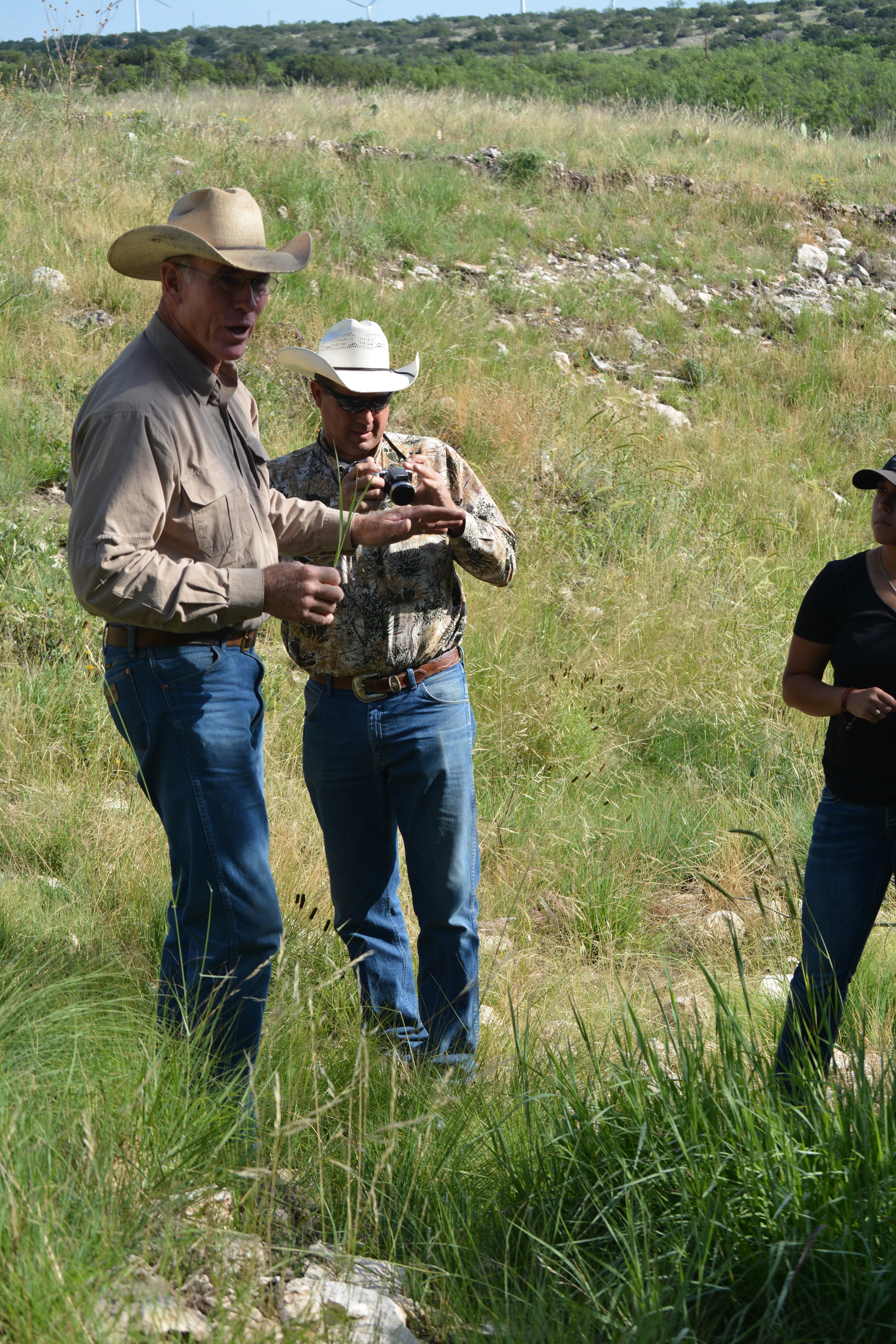
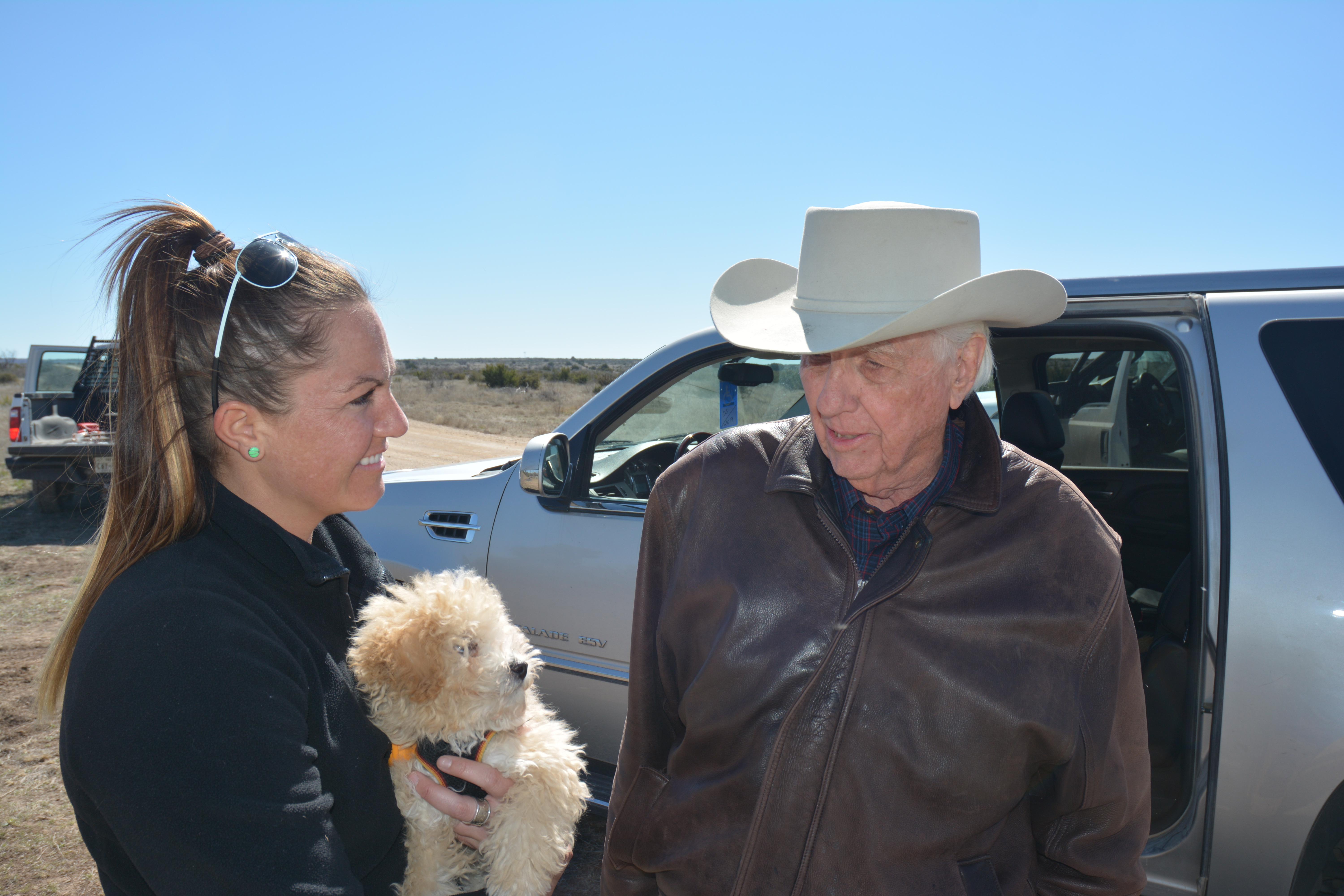
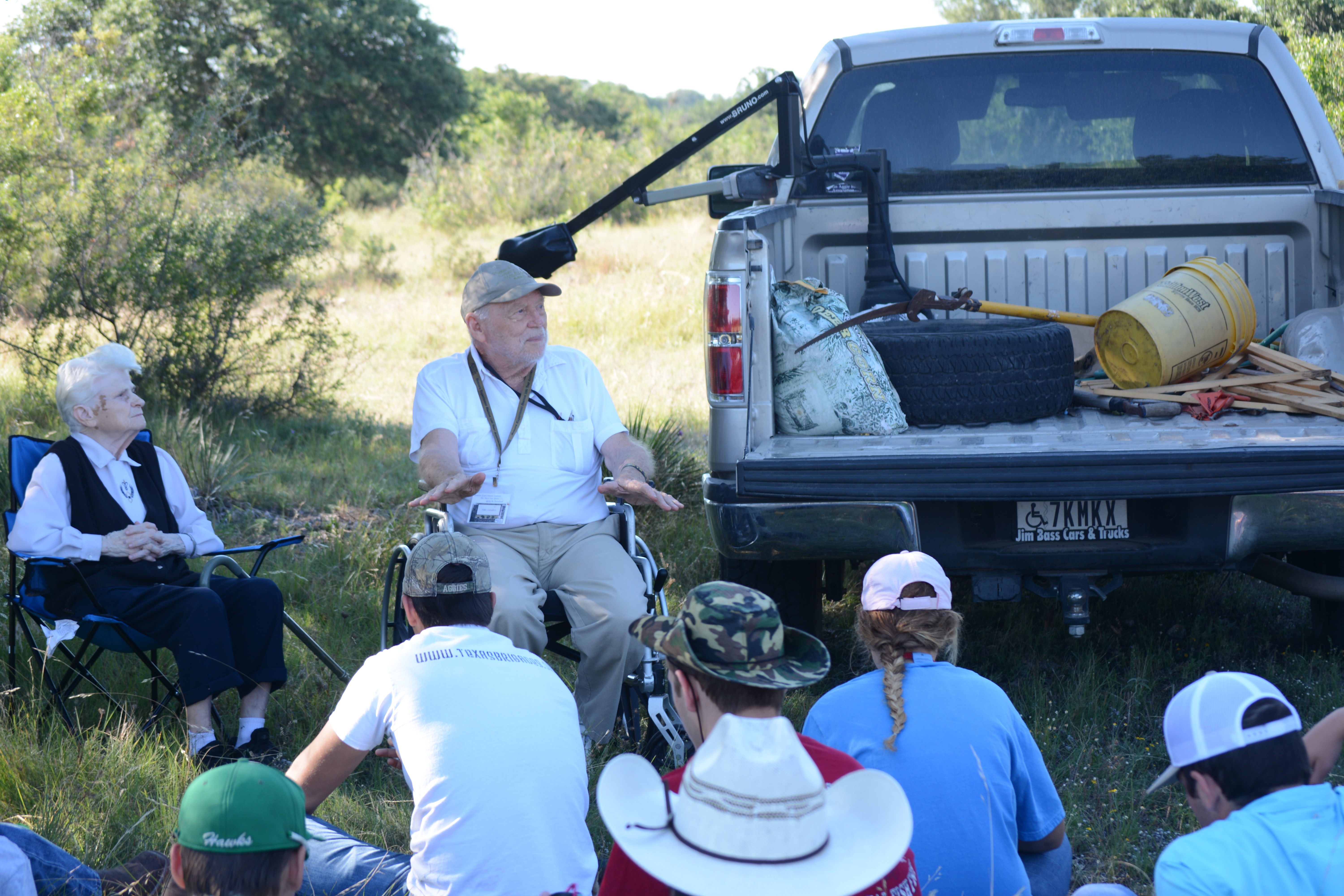
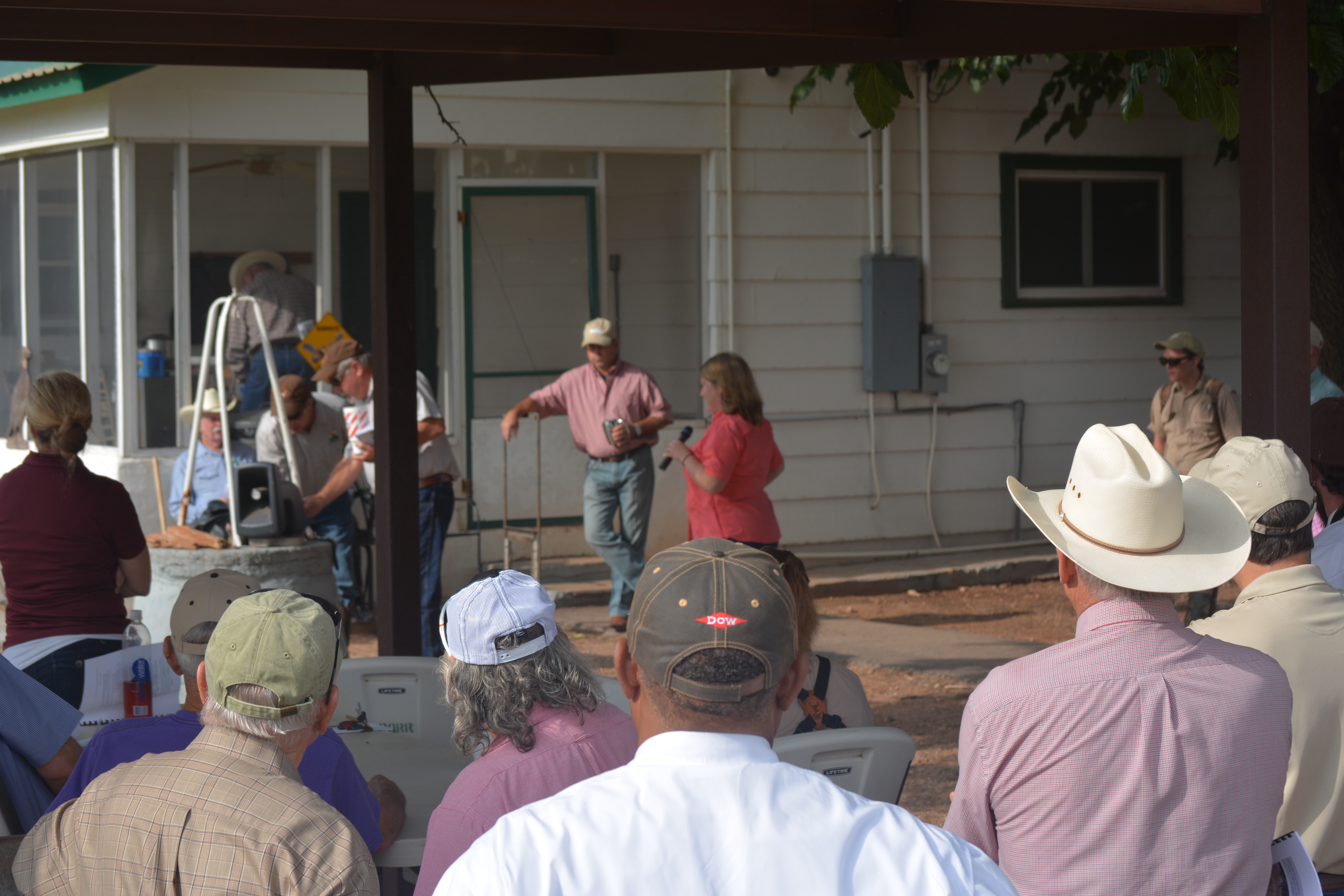
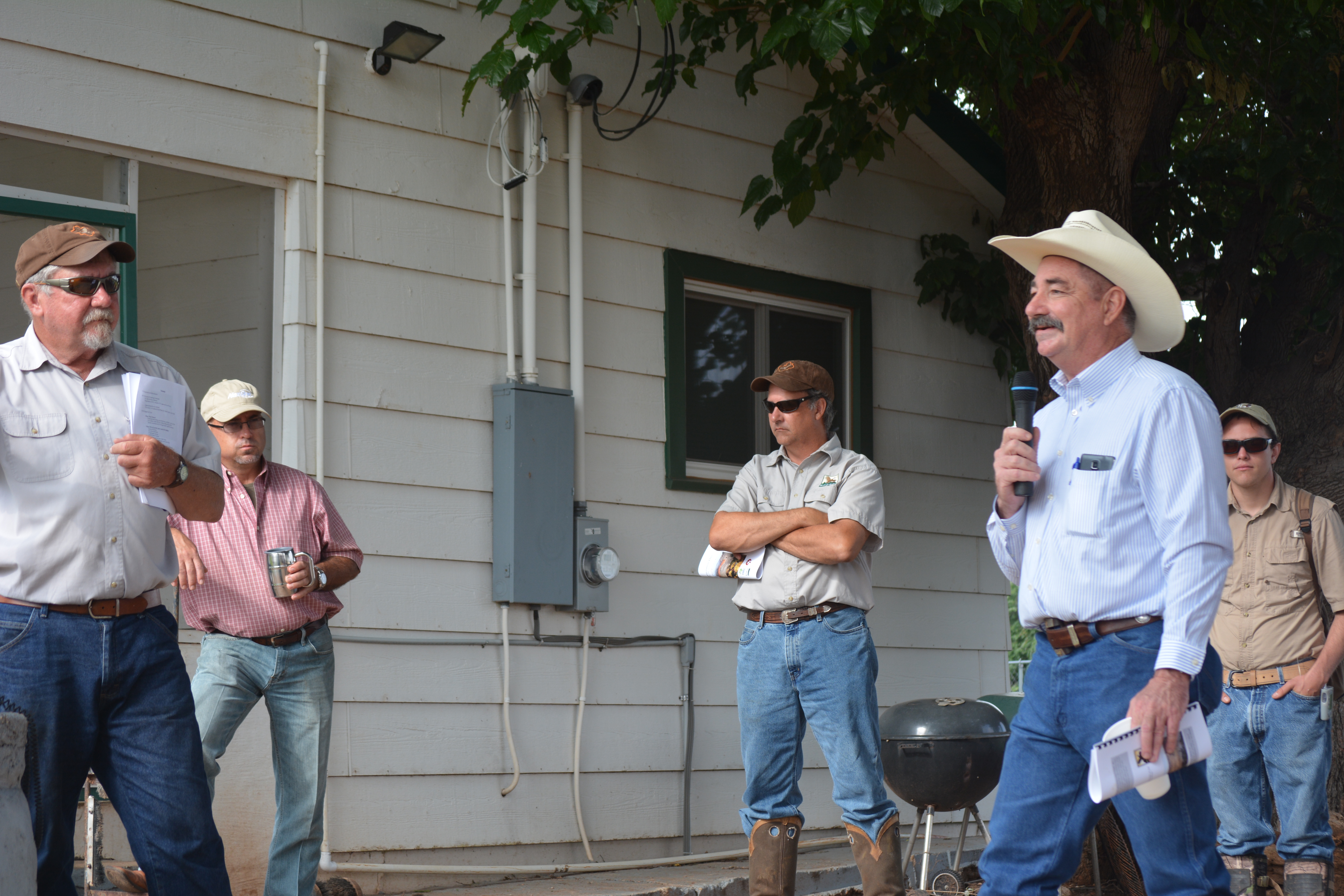
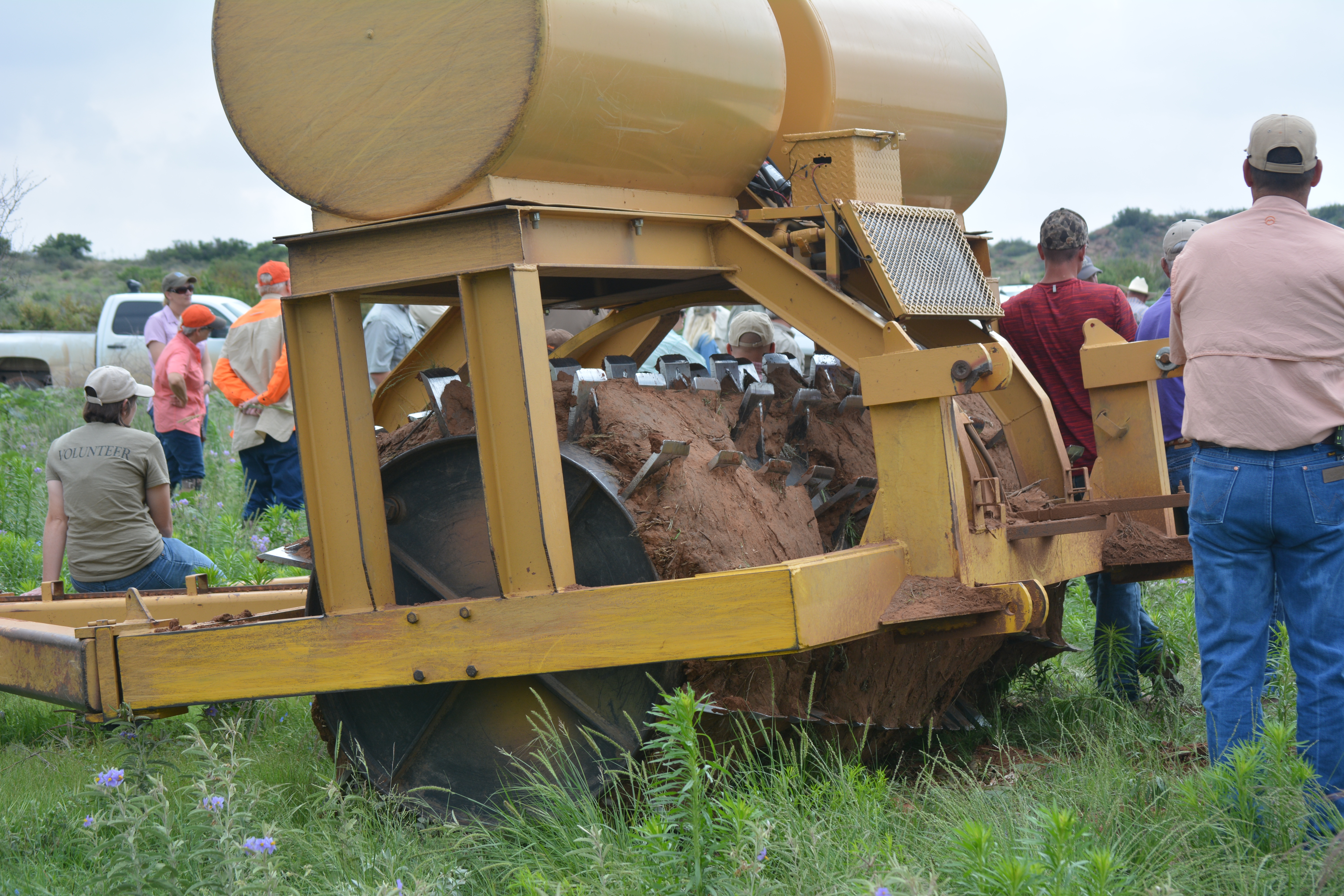
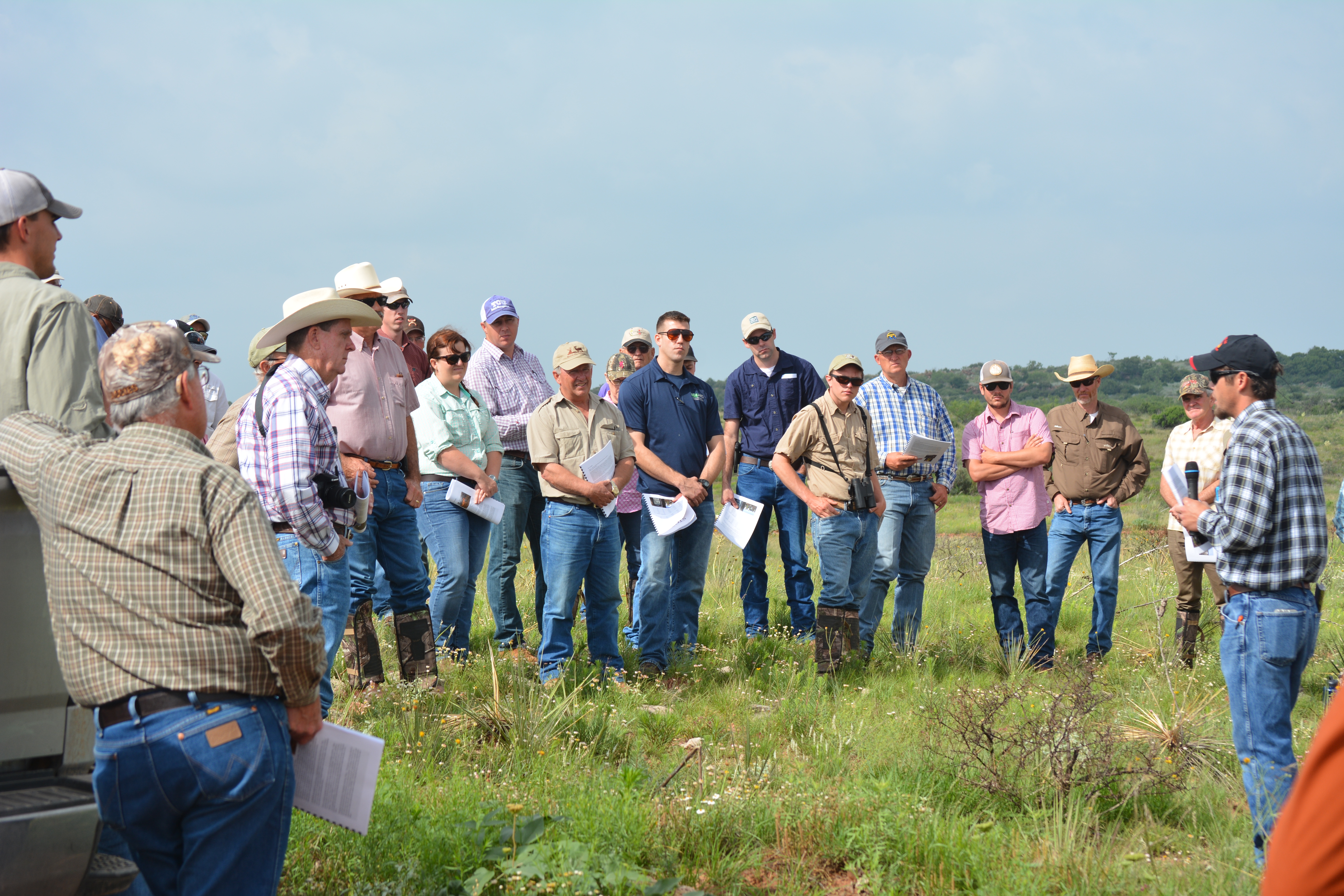
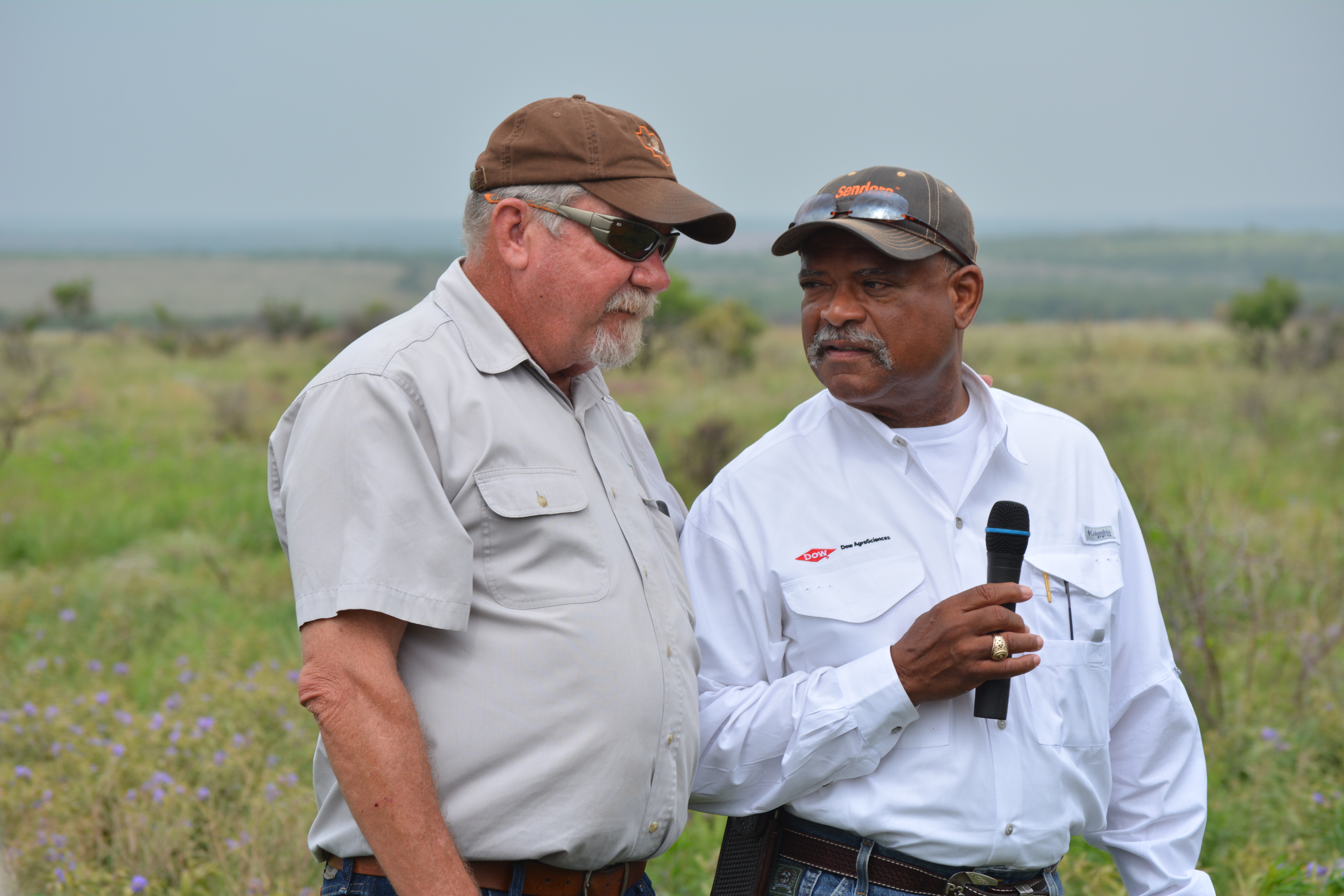
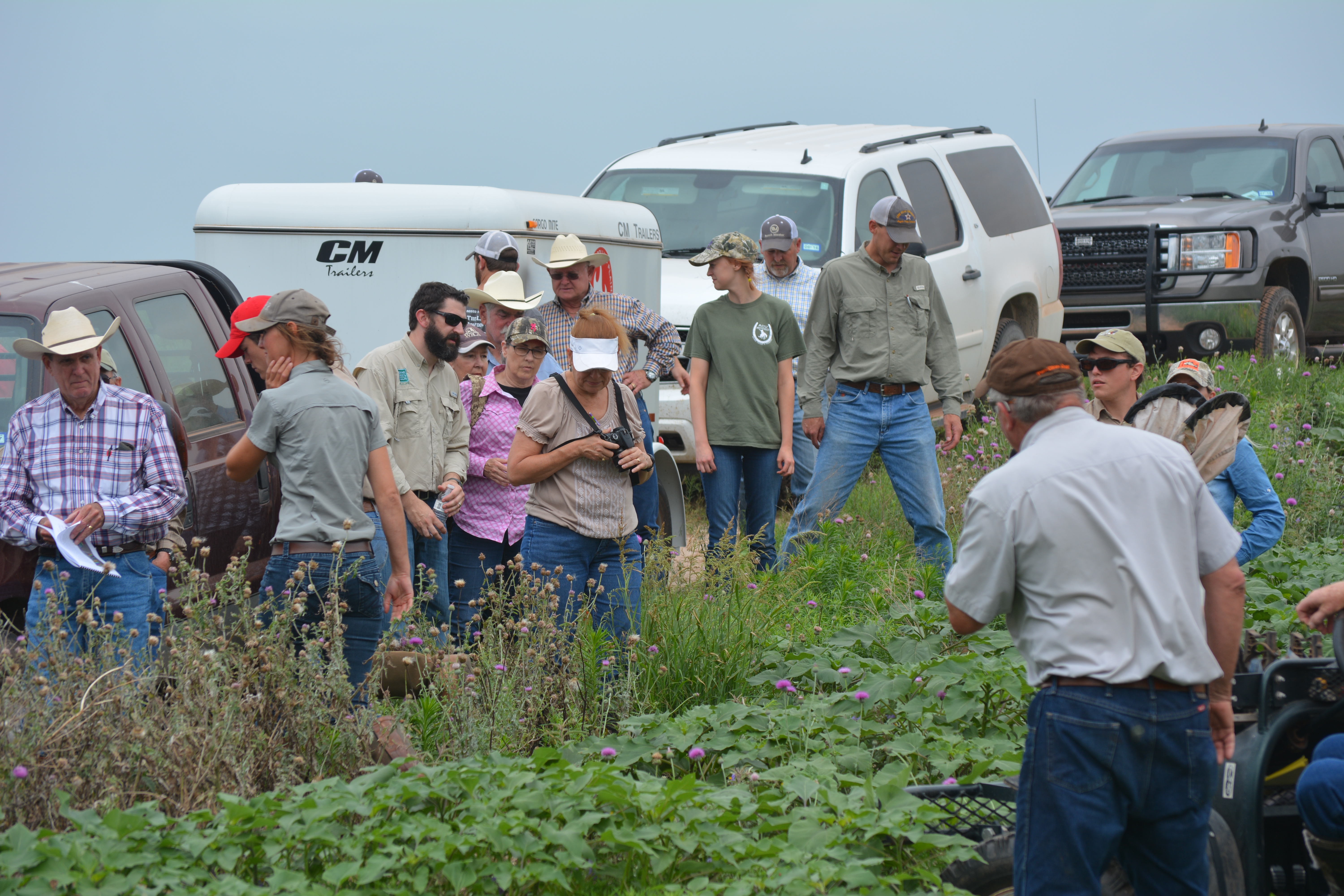
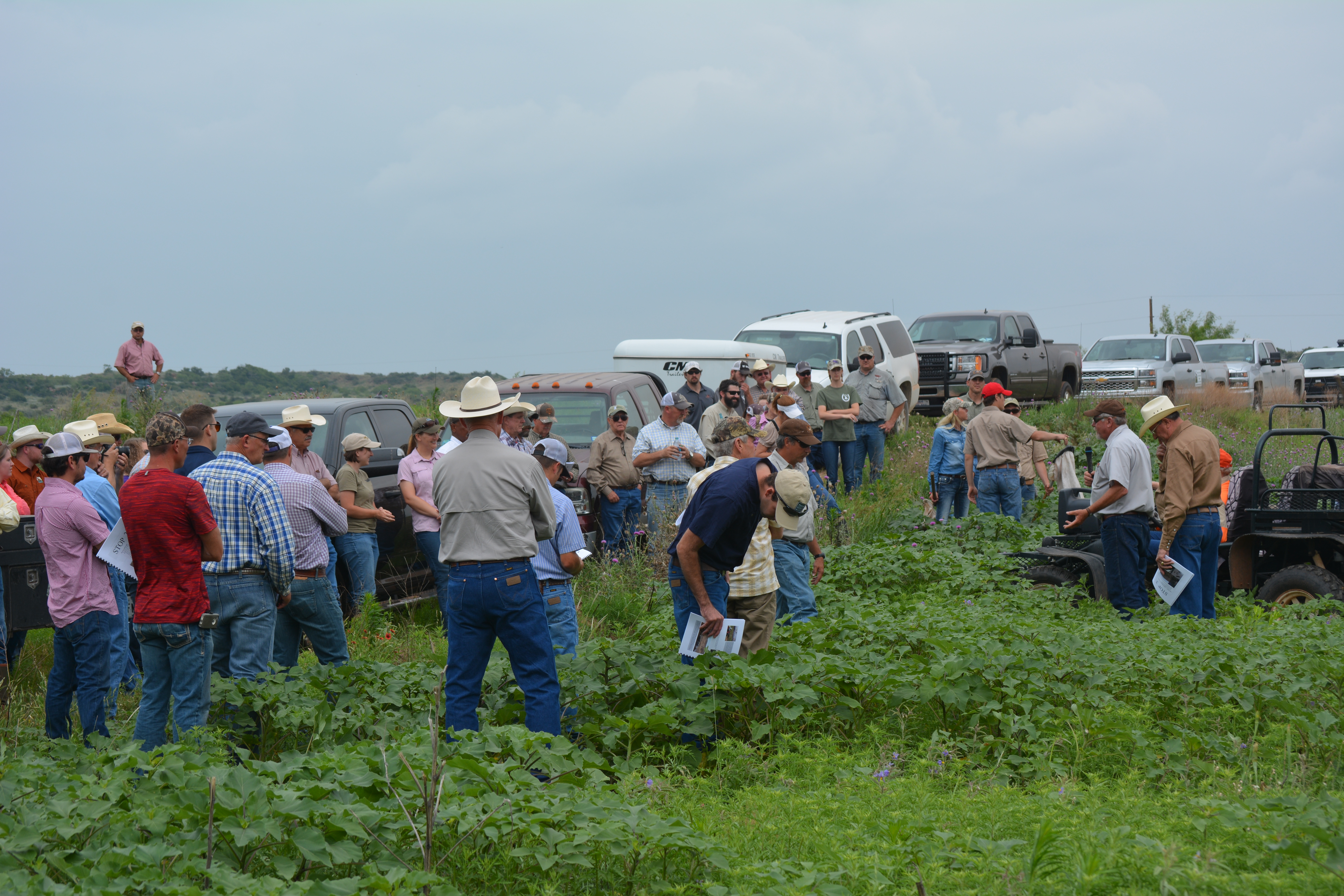
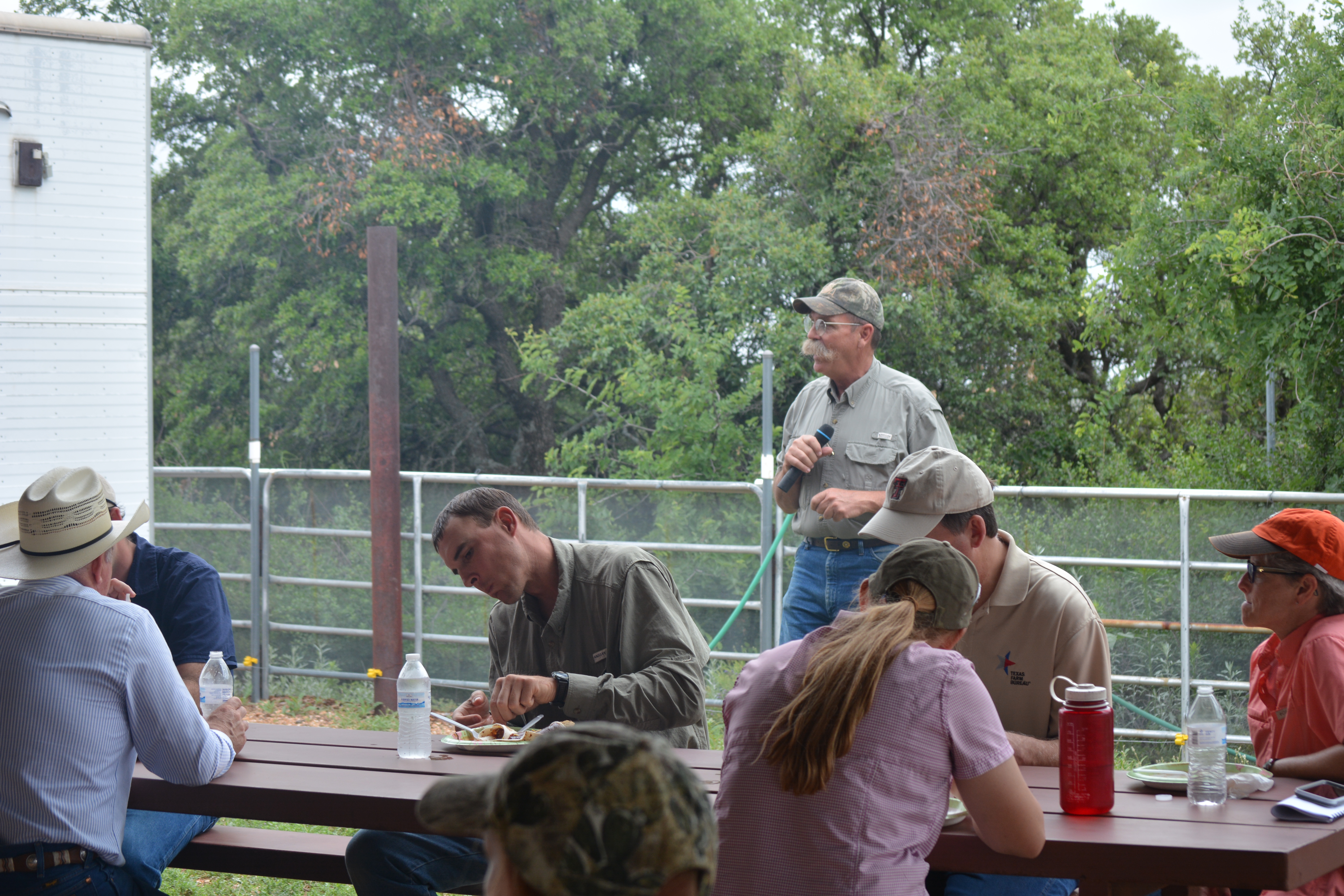
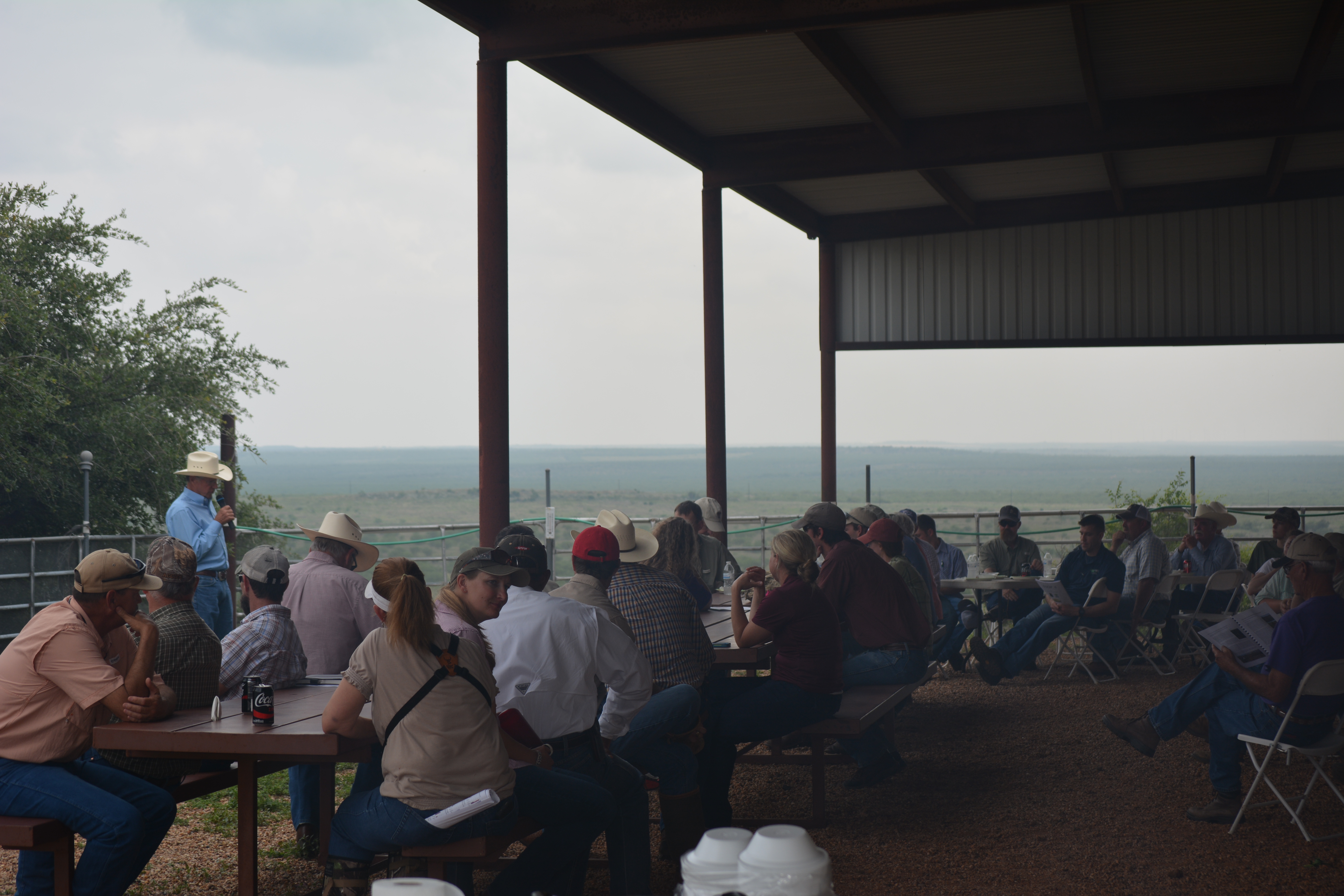
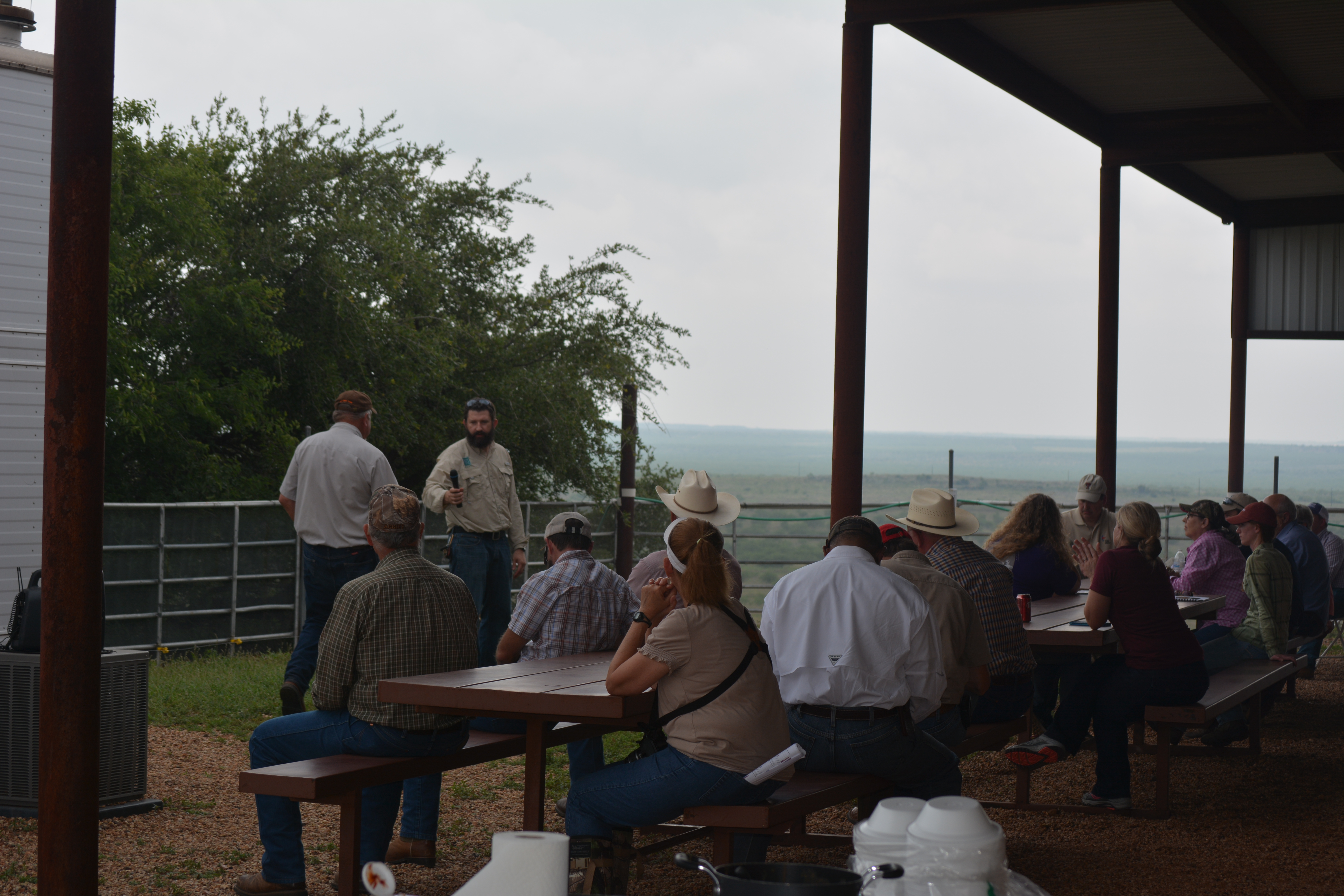
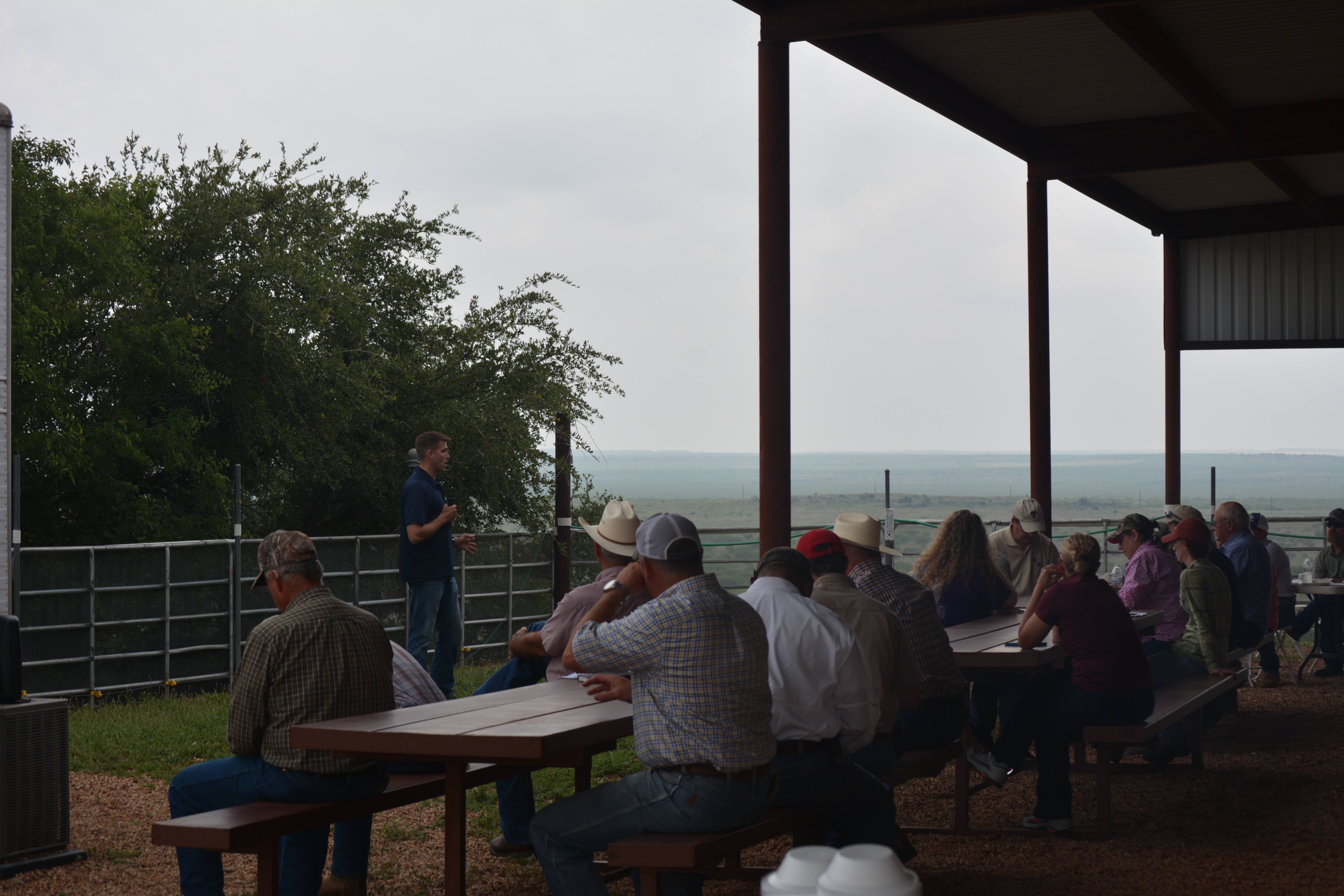
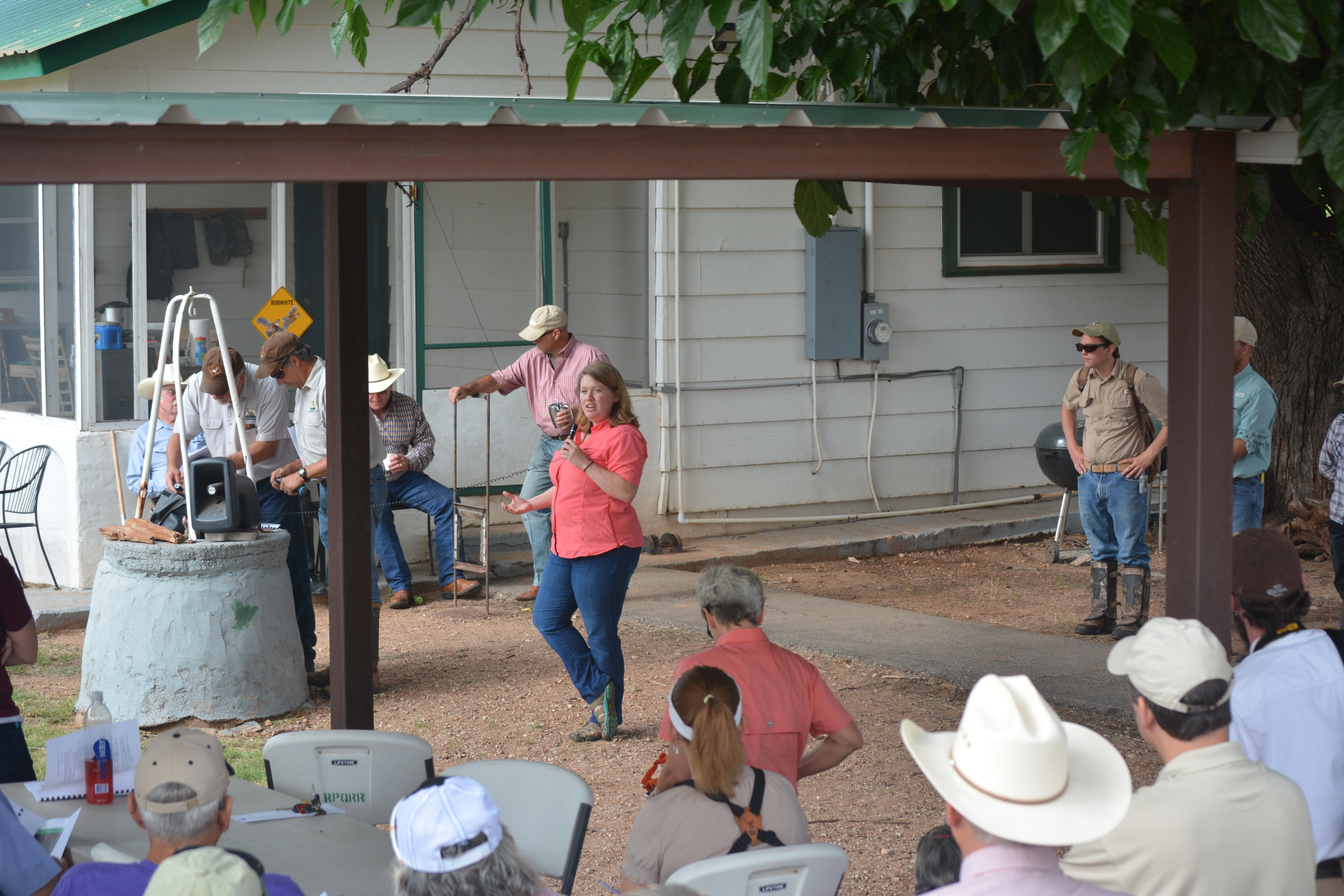
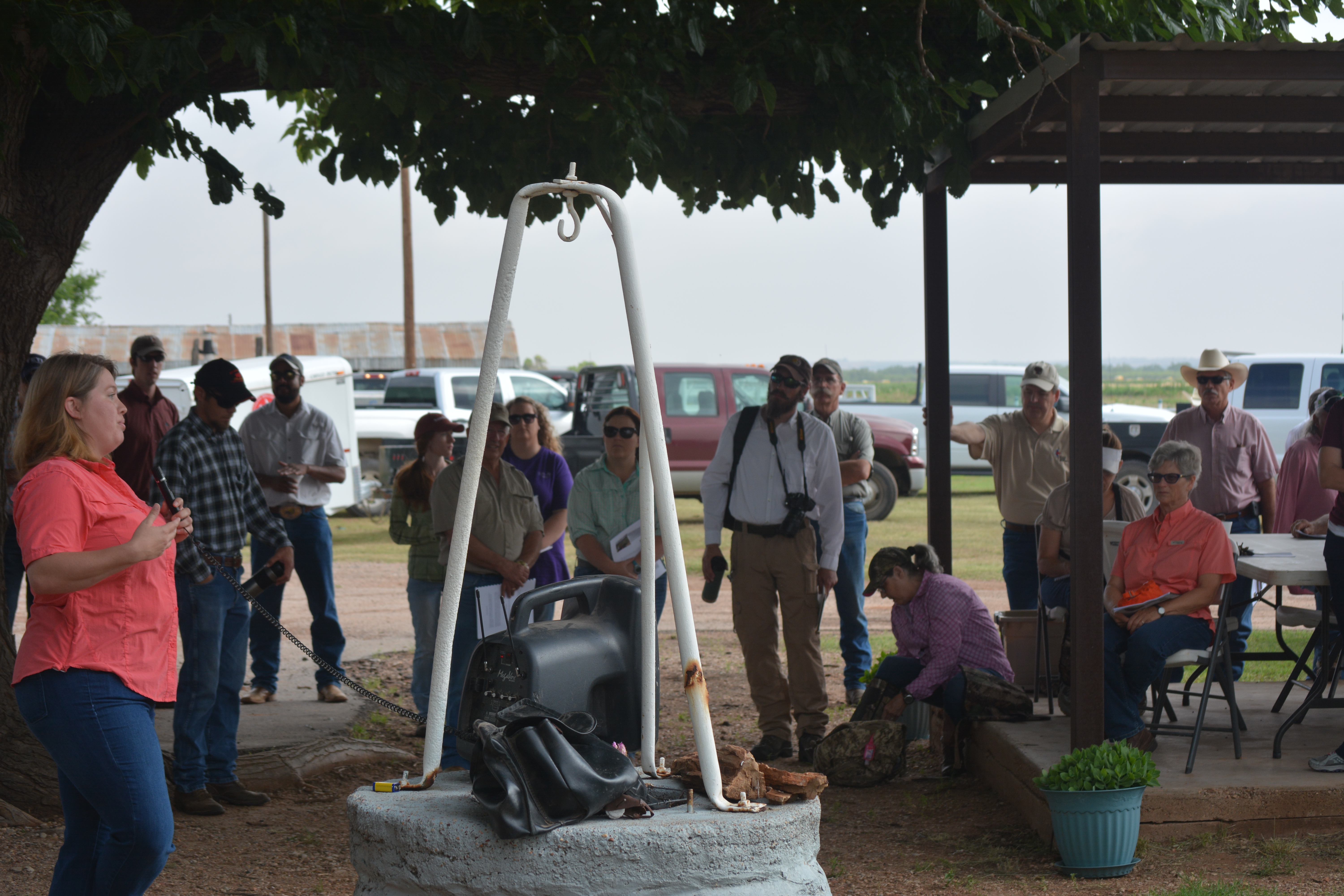
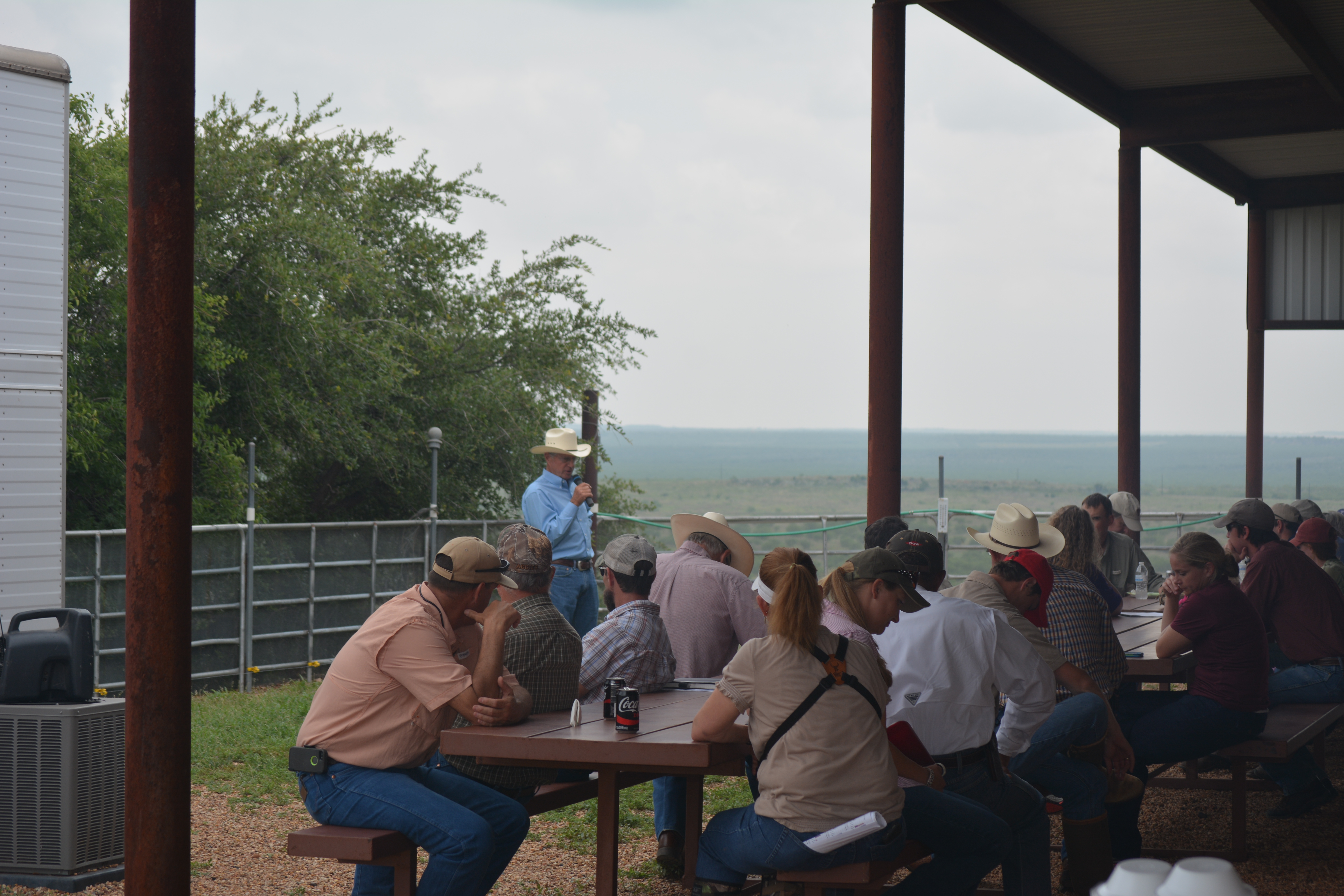
A HUGE thank you to Dr. Dale Rollins for organizing Fire Appreciation Day at the Rolling Plains Quail Research Ranch on May 24th!  We had over 80 participants and a healthy mix of stakeholders, agencies, and Prescribed Burn Association members!  Thank you to Dr. Robin Verble-Pearson, Zac Wilcox, Lloyd LaCoste, Matt McEwen, Mark Moon, Chris Ellis, Kent Mills, Barrett Koennecke, Brad Kubecka, Seth Pearson, Ethan McJames and all the other others who helped put this show on!  Thank you for your support in prescribed burning! Click here for more information on the talks presented at Fire Appreciation Day! And check out this link for the radio broadcast presented by Texas Farm Bureau!

DSC_0745DSC_0751
DSC_0760 DSC_0757DSC_0762
DSC_0765 DSC_0766 DSC_0767 DSC_0771
DSC_0778 DSC_0779 DSC_0781

Filed Under: Brush Management, Grazing Management, Prescribed Burn Associations, Prescribed Burning Tagged With: Big picture, prescribed burning, Rolling Plains Quail Research Ranch, rxfire

100 Years at Sonora

April 20, 2016 by morgan.treadwell

In case you haven’t heard, Sonora is having a party! Well, technically, Field Day first and party afterwards.  Dr. Butch Taylor has decided to retire and go out with a bang at the Sonora Celebration.

This Saturday we celebrate one individual and one Experiment Station that have been inseparable for 44 years.  One man.  One Career.  One location.  Pretty amazing and definitely not something you see everyday.  The Sonora Experiment Station is a magical place to start with.  This is probably the only place in the United States where producers advocated and helped purchase land and facilities to be solely utilized for applied research that producers NEED.  Match that research station with a very dedicated and determined individual and you have the perfect combination of research and outreach.  Here you will find an invitation to the Celebration and all the information you need to know to attend, including directions and a list of hotels.

If you have only heard of Dr. Butch Taylor, please come to the Sonora Celebration and shake the man’s hand.  Butch has done more for Texas rangelands and for Fire Ecology than any other scientist or Aggie for that matter.  But, you would never know that just by talking to him.  He is humble, gracious, kind, and truly in the business of education. I promise to keep a straight face, tear free, on Saturday, and can’t wait to applaud one hell of an amazing man. To learn more about Dr. Taylor’s story and tenure at Texas A&M University click here.


Please come celebrate Sonora with me this Saturday, April 23rd.  More importantly, come meet the man behind the station.

Filed Under: Brush Management, Grazing Management, Prescribed Burn Associations, Prescribed Burning Tagged With: Dr. Butch Taylor, Fire Ecology, prescribed burning, Sonora Experiment Station

  • « Go to Previous Page
  • Page 1
  • Interim pages omitted …
  • Page 5
  • Page 6
  • Page 7

Recent Posts

  • Fire Up Plant Diversity!
  • New Publication! Photosensitization
  • Dry, Warm, Windy, and Fuel.
  • Lessons Learned – Pyro-Vortex Tornado on the Deer Creek Fire
  • Mapping Fire Before It Starts: How the Fireshed Project Strengthens Readiness in West Texas

Categories

  • 4-H Range Contests
  • Beef Cattle
  • Brush Management
  • Carbon Credits
  • Carbon Markets
  • Conservation
  • Conservation Practices
  • Drought Management
  • El Niño
  • Events
  • Goats
  • Grazing Management
  • La Niña
  • Land
  • Lessons Learned
  • Meet A County Extension Agent
  • Plant ID
  • Podcast
  • Prescribed Burn Associations
  • Prescribed Burning
  • Publications
  • Range Concepts
  • RAP
  • Sheep
  • Society for Range Management
  • Soil
  • Staff
  • Targeted Grazing
  • Uncategorized
  • Water
  • Weather
  • Why I Ranch
  • Wild Pigs
  • Wildfire
  • Wildfires
  • Wind
  • Woody Encroachment
  • Youth Range Workshop

Archives

Texas A&M AgriLife Extension Service
Texas A&M University System Member
  • Compact with Texans
  • Privacy and Security
  • Accessibility Policy
  • State Link Policy
  • Statewide Search
  • Veterans Benefits
  • Military Families
  • Risk, Fraud & Misconduct Hotline
  • Texas Homeland Security
  • Texas Veteran's Portal
  • Equal Opportunity
  • Open Records/Public Information