• Skip to primary navigation
  • Skip to main content
  • Skip to primary sidebar
  • Texas A&M Forest Service
  • Texas A&M Veterinary Medical Diagnostics Laboratory
  • Texas A&M AgriLife Extension Service
  • Texas A&M AgriLife Research
  • Texas A&M College of Agrculture and Life Sciences
West Texas Rangelands
West Texas RangelandsWe hope to provide a variety of science-based rangeland information and current research on prescribed fire, wildfires, brush management, and grazing management!
  • Menu
  • Home
  • About & Contact
  • Publications
    • Extension Publications
    • Refereed Journal Articles
    • Program Summaries
  • Events
  • Lunch N’ Learn
  • Infographics
    • Drought
    • Grazing
    • Herbicide
    • Prescribed Fire
    • Rangeland Plants
    • Wildfire
  • Range Resources
    • Published to Pasture
    • Range Concepts
  • Fire Resources
  • Sponsors
  • AgriLife Learn Online Courses

Hot and Dry. And, it’s only April.

April 16, 2025 by jaime.sanford

Hel-loooooo La Niña. Until June-July-August (hopefully). 

The percentage of the state under drought conditions (D1-D4) has alarmingly increased from 49% to 68% in just four weeks. Extreme drought or worse has jumped from 17% to 29% during the same period, and exceptional drought has more than doubled from 6.3% to 14%. Overall, a staggering 85% of the state is now abnormally dry or worse (D0-D4).
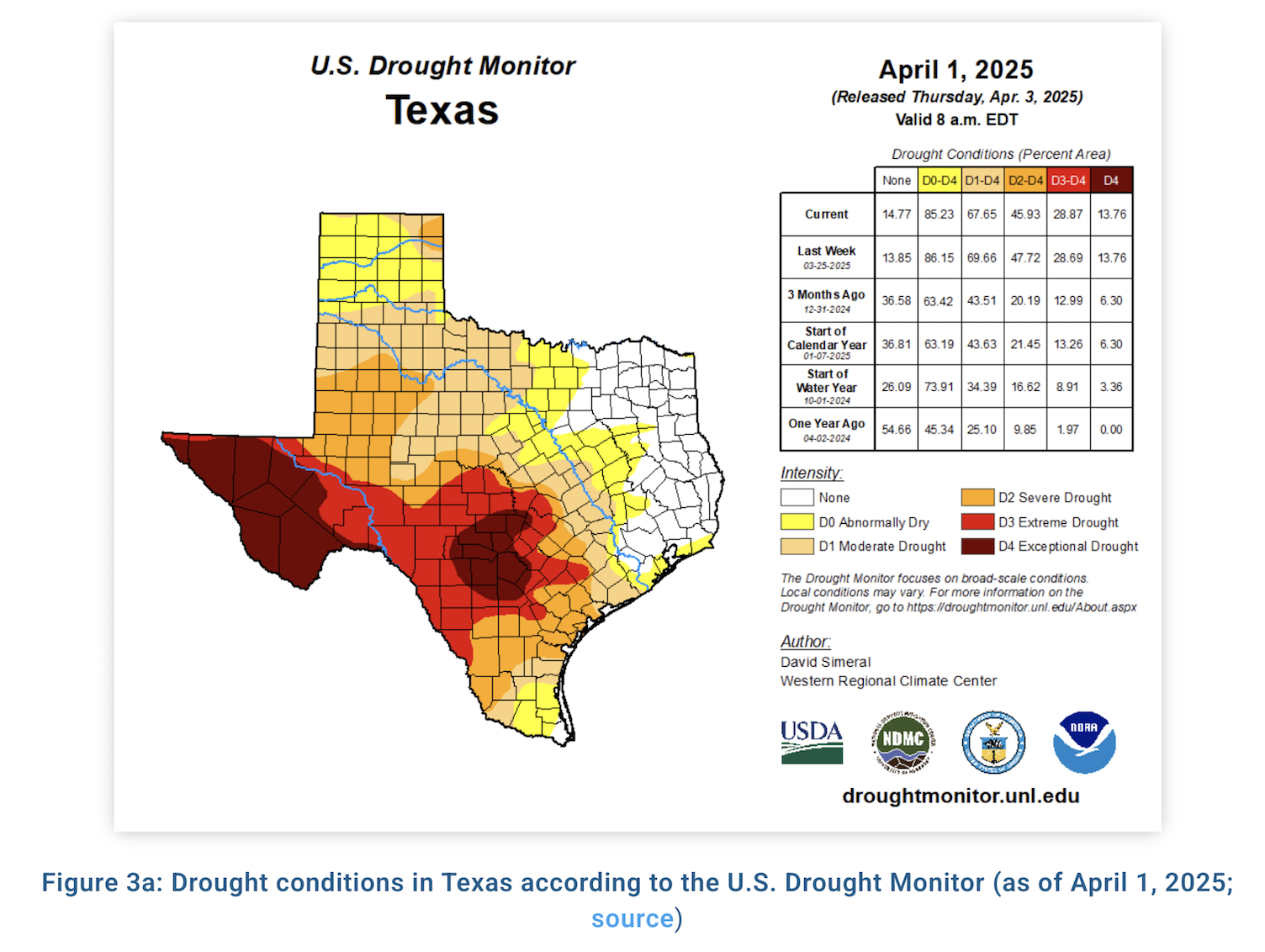
While the eastern parts of Texas saw typical March precipitation patterns, a significant portion of West and Far West Texas received less than 0.01 inches of rainfall. Consequently, despite the localized flooding in the Lower Rio Grande Valley,, almost the entire state experienced substantially less than normal rainfall for March 2025. 

The current La Niña Advisory, is expected to be short-lived, with a high probability (62%) of transitioning to neutral conditions by late summer. The U.S. Seasonal Drought Outlook through May predicts continued drought or drought development for most of Texas, excluding the far east. Furthermore, the three-month temperature outlook favors above-average temperatures, while the precipitation outlook leans towards rainfall deficits for the majority of the state.
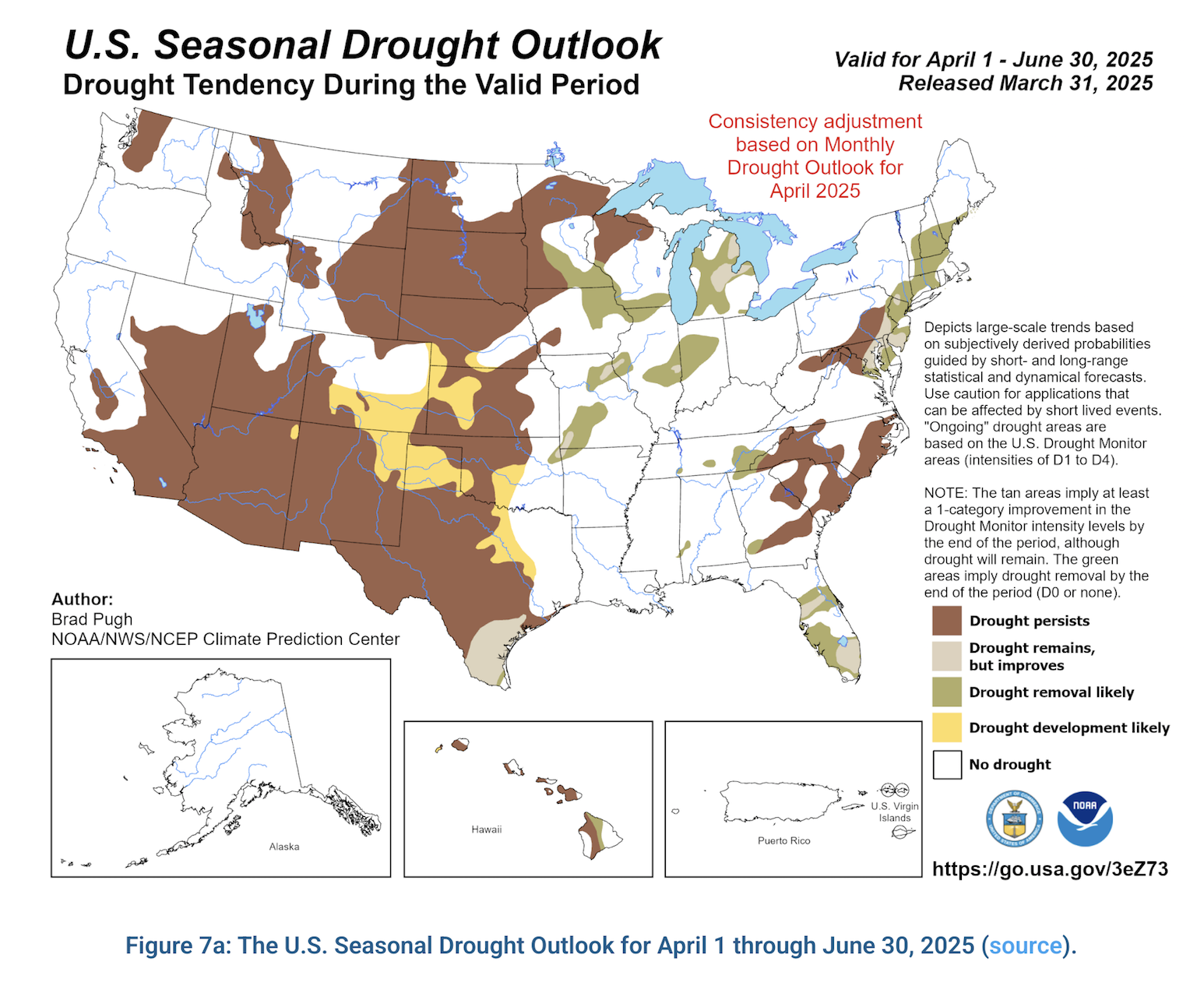
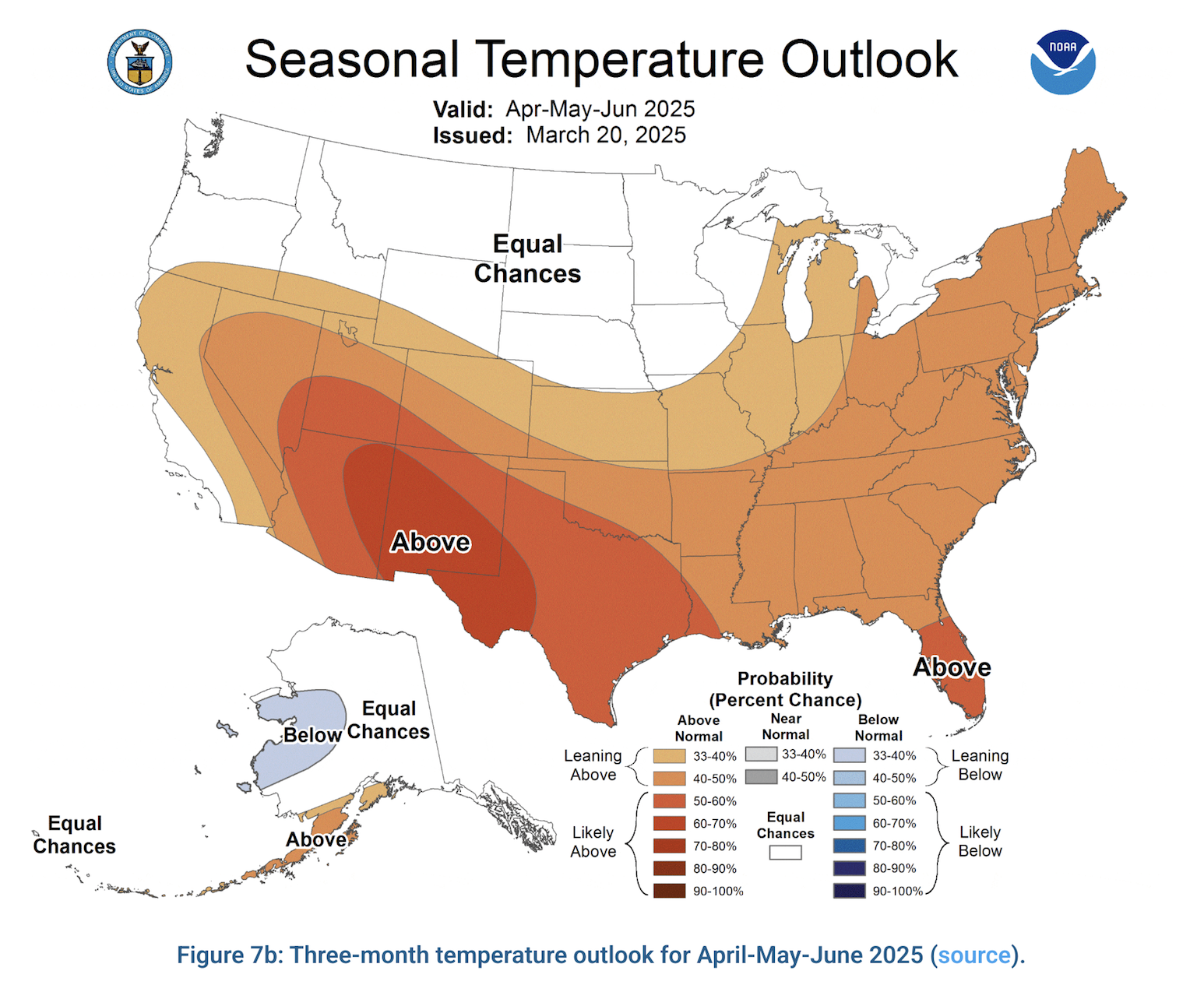
 

It’s going to get worse before it gets better.  

This is growing season drought.

For the full article, check it out here! 
Filed Under: Drought Management, La Niña, Weather

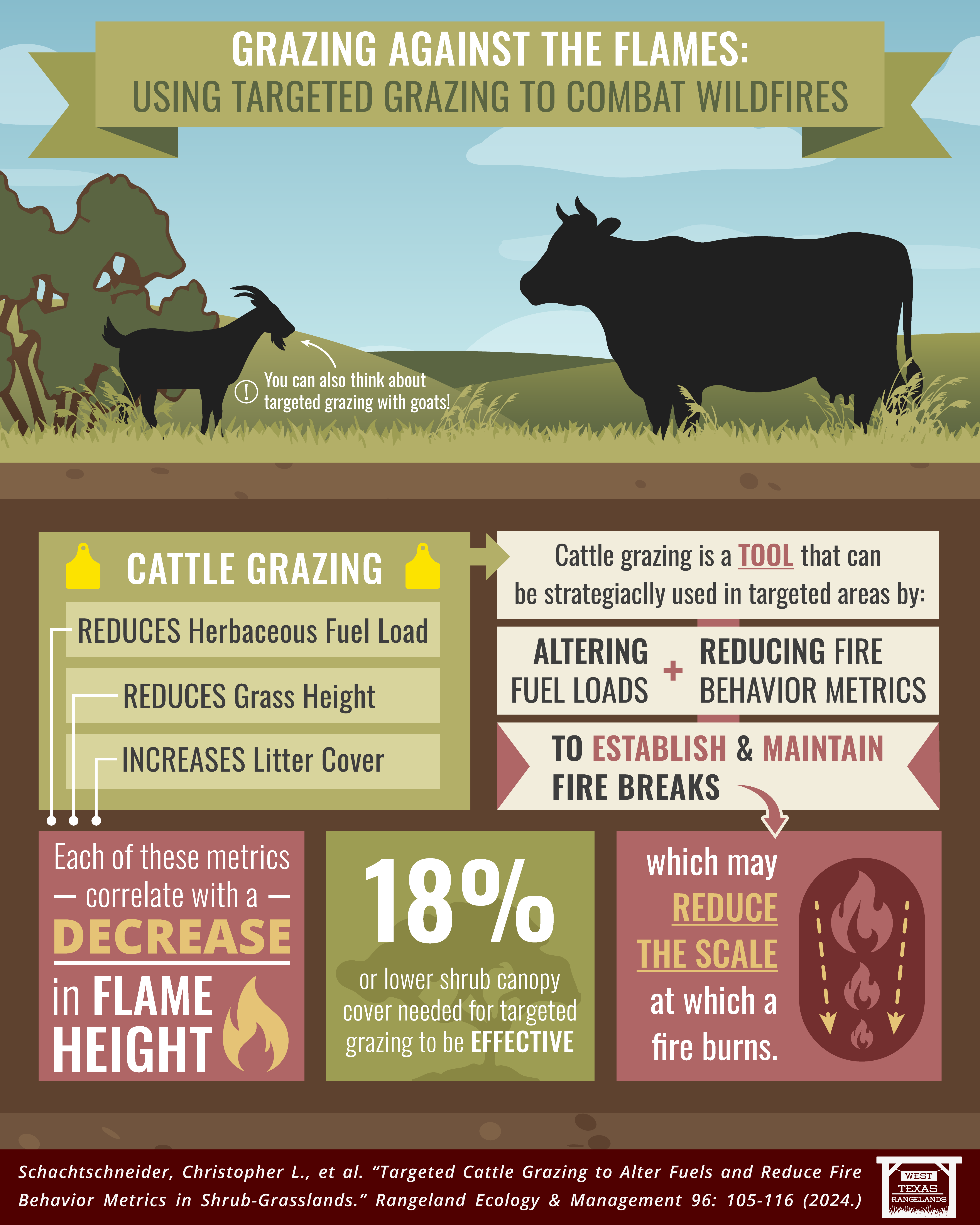
Grazing Against the Flames: Using Targeted Grazing to Combat Wildfires

April 9, 2025 by jaime.sanford

Wildfires are an escalating global crisis, marked by increasing size, frequency, suppression costs, and devastating losses. In the search for effective mitigation strategies, targeted grazing has emerged as a promising technique, strategically employing livestock to manage vegetation and diminish wildfire risks.  

[Read more…] about Grazing Against the Flames: Using Targeted Grazing to Combat Wildfires

Filed Under: Beef Cattle, Goats, Grazing Management, Targeted Grazing

A New Landowner’s Guide for Texas Rangelands

April 2, 2025 by jaime.sanford

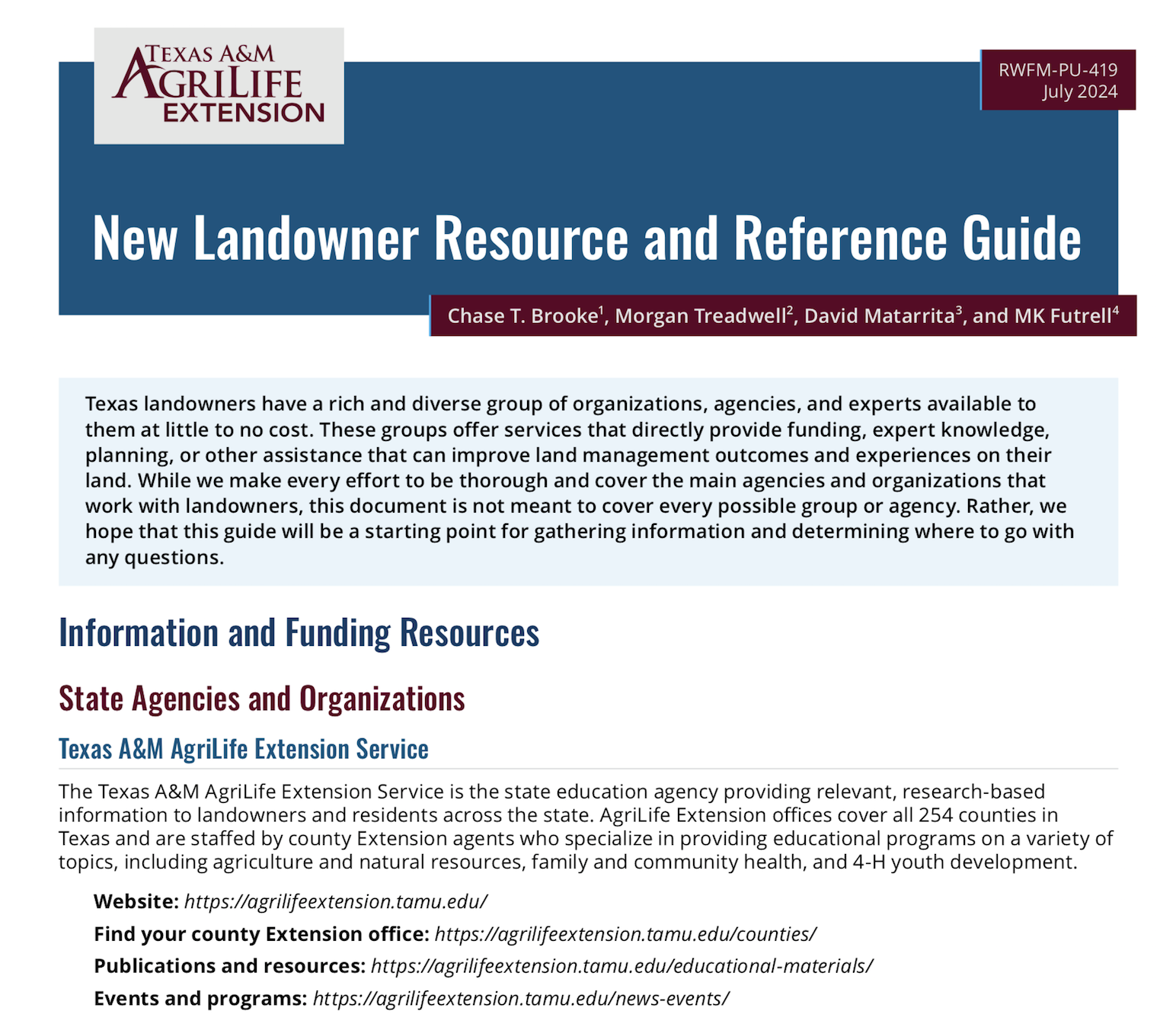
New landowner ResourcesIf you’re a new landowner in Texas, you’re in a great position to take advantage of the many resources available to you!!! Texas has a rich and diverse group of natural resource organizations, agencies, and experts ready to assist you, often at little to no cost. There is a new publication written by Chase Brooke, Dr. Morgan Treadwell, Dr. David Matarrita-Cascante, and MK Futrell from the Department of Rangeland, Wildlife and Fisheries Management that highlights a variety of services, including cost-share opportunities, expert knowledge, planning assistance, and other support aimed at improving rangeland management practices and conservation. 

[Read more…] about A New Landowner’s Guide for Texas Rangelands

Filed Under: Publications

Arthropod Response to Long-term Prescribed Fire

March 26, 2025 by jaime.sanford

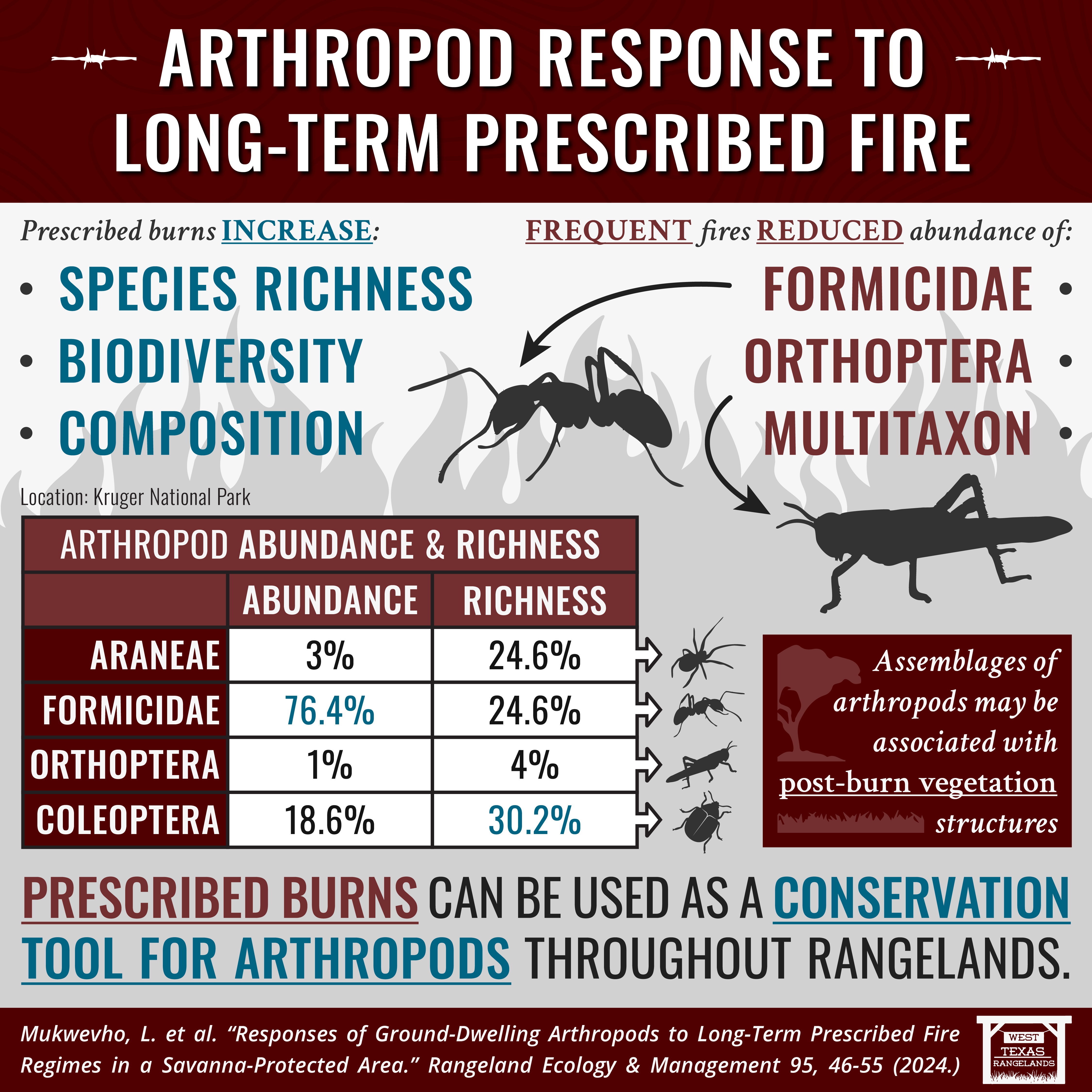
Prescribed fire is a powerful tool for rangeland management, often used to control invasive species, promote native plant growth, and reduce wildfire risk. But what about the impact on the smaller inhabitants of our rangeland systems? A 2024 study sheds light on how prescribed fire, particularly long-term fire regimes and legacy fire effects, affect arthropod communities.

[Read more…] about Arthropod Response to Long-term Prescribed Fire

Filed Under: Prescribed Burning

Prickly Pear and the South American Cactus Moth

March 19, 2025 by jaime.sanford

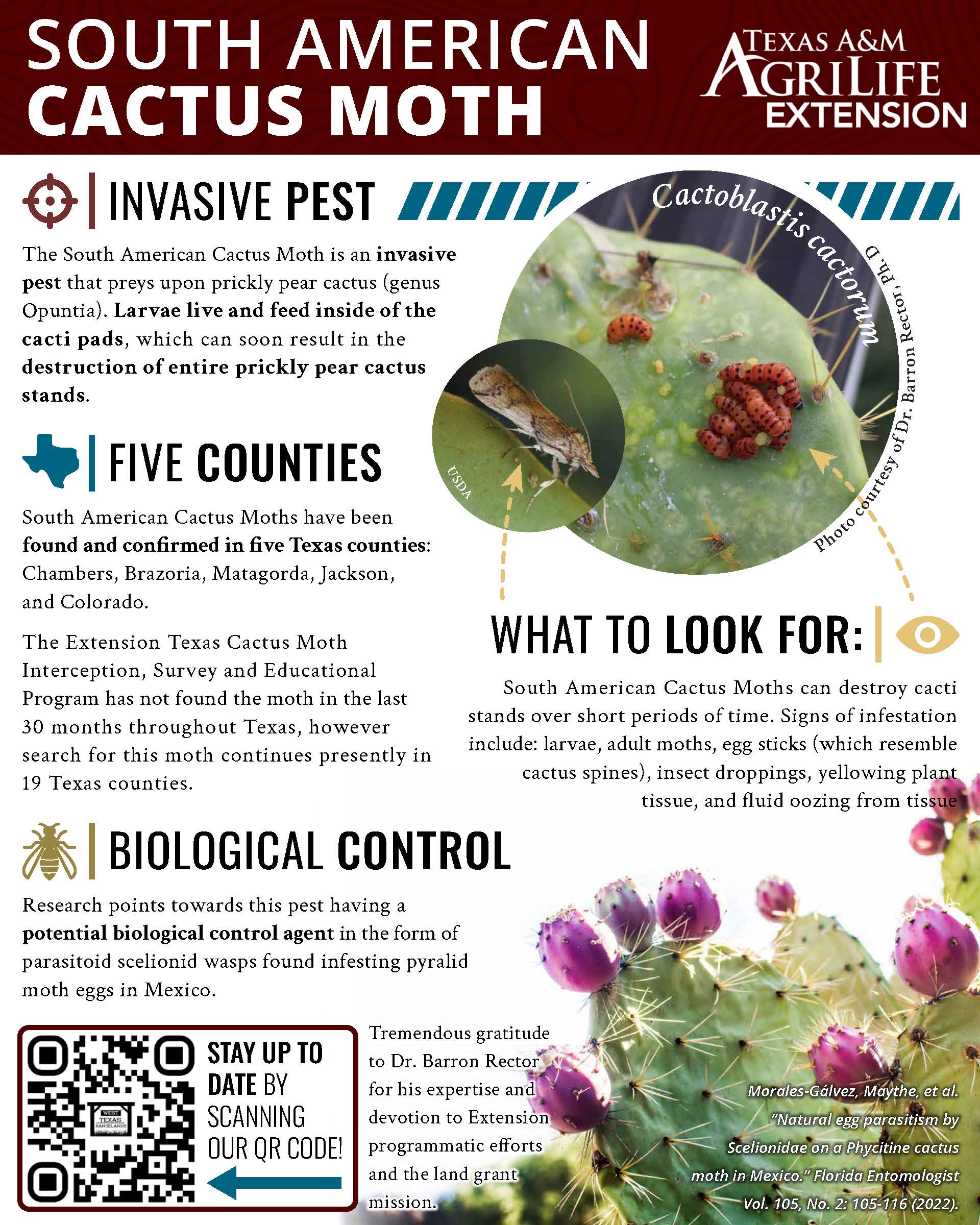
Cactus Moth InfographicTexas is known for its rugged landscapes and iconic, opportunistic, and problematic prickly pear. While these plants readily provide headaches to the grazing manager, oftentimes pear also serves as food and habitat for wildlife and is a native species on Texas rangelands. However, the South American Cactus Moth has been found and confirmed in five Texas counties. 

[Read more…] about Prickly Pear and the South American Cactus Moth

Filed Under: Brush Management, Grazing Management, Plant ID, Range Concepts

Water Supply Stress Index (WaSSI) Dashboard

March 12, 2025 by jaime.sanford

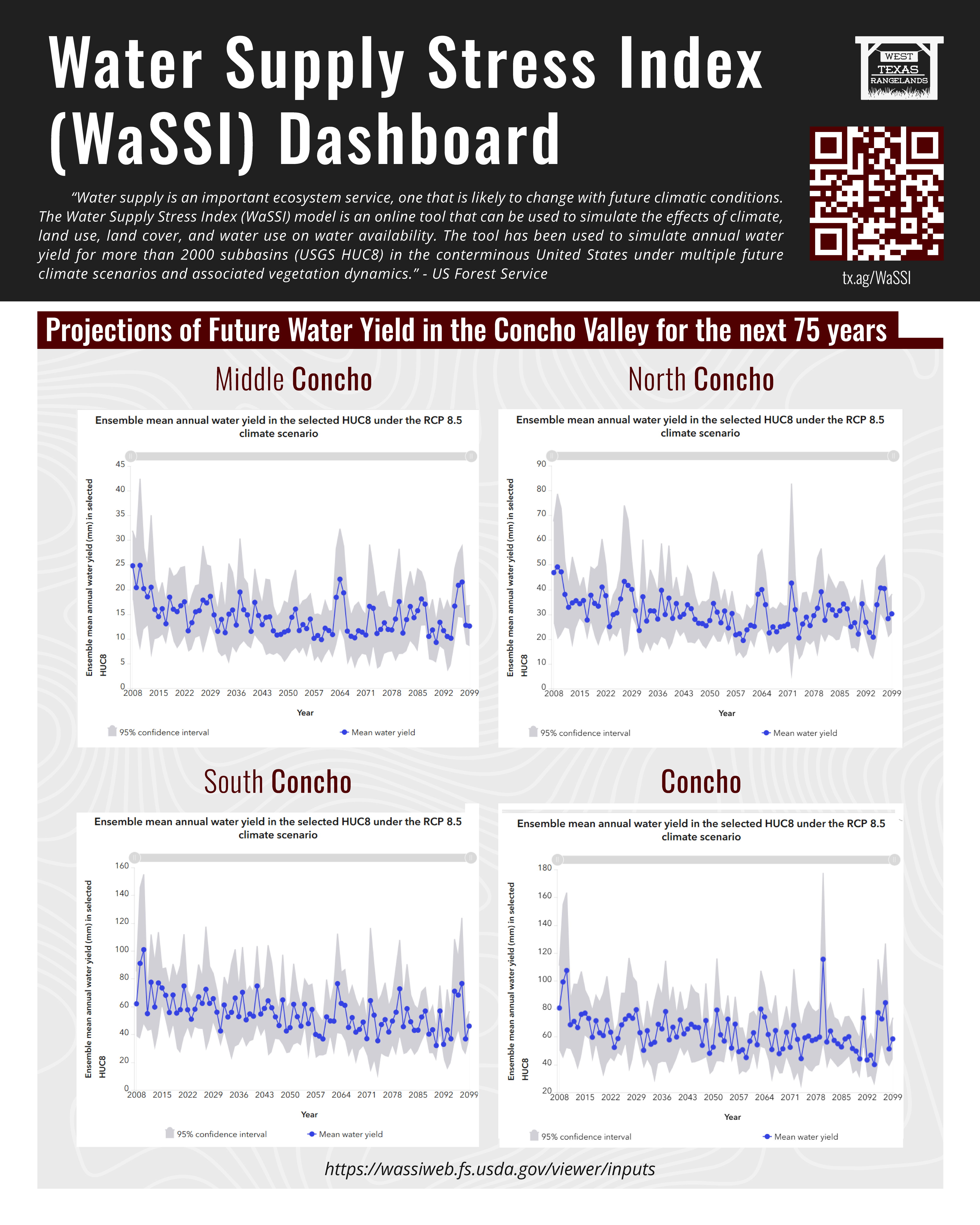
The Water Supply Stress Index (WaSSI) Dashboard, developed by the USDA U.S. Forest Service is an easy-to-use, FREE, online tool that helps producers see how changes in land use, climate, and water use might affect rivers, water supply, and rangeland’s ability to grow herbaceous plants and maintain ecosystem services. It uses weather and land data to determine water flow and plant growth, so users can understand various management strategy impacts and make smart choices about managing rangeland and watersheds. 

[Read more…] about Water Supply Stress Index (WaSSI) Dashboard

Filed Under: Water

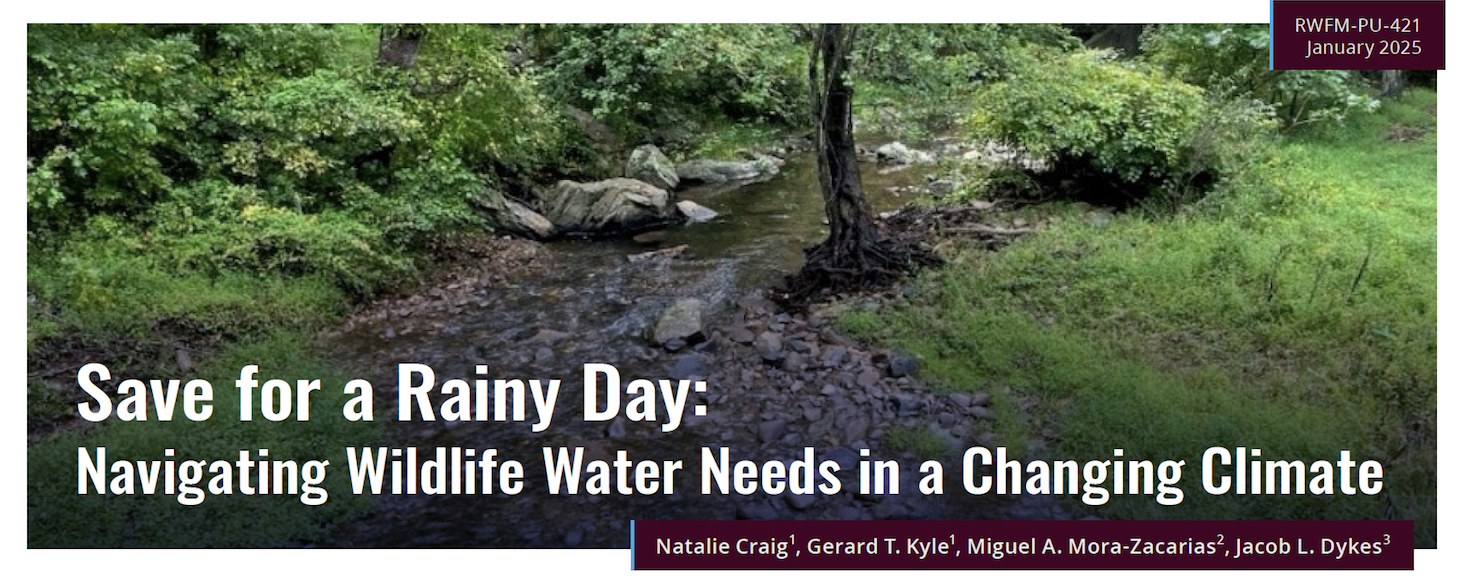
Save for a Rainy Day: Navigating Wildlife Water Needs in a Changing Climate

March 5, 2025 by jaime.sanford

Dr. Jacob Dykes and colleagues have recently published a factsheet exploring the diversity of wildlife using free water sources in arid environments in Far West Texas. As we know in that neck of the world, access to water is crucial. As extreme climatic events and variability intensify spurring flash droughts, dry spells, and extended drought conditions, the availability and predictability of water sources is becoming increasingly unpredictable and that much more of a priority. 

[Read more…] about Save for a Rainy Day: Navigating Wildlife Water Needs in a Changing Climate

Filed Under: Conservation, Staff, Water

Structural Changes Drive Functional Changes

February 26, 2025 by jaime.sanford

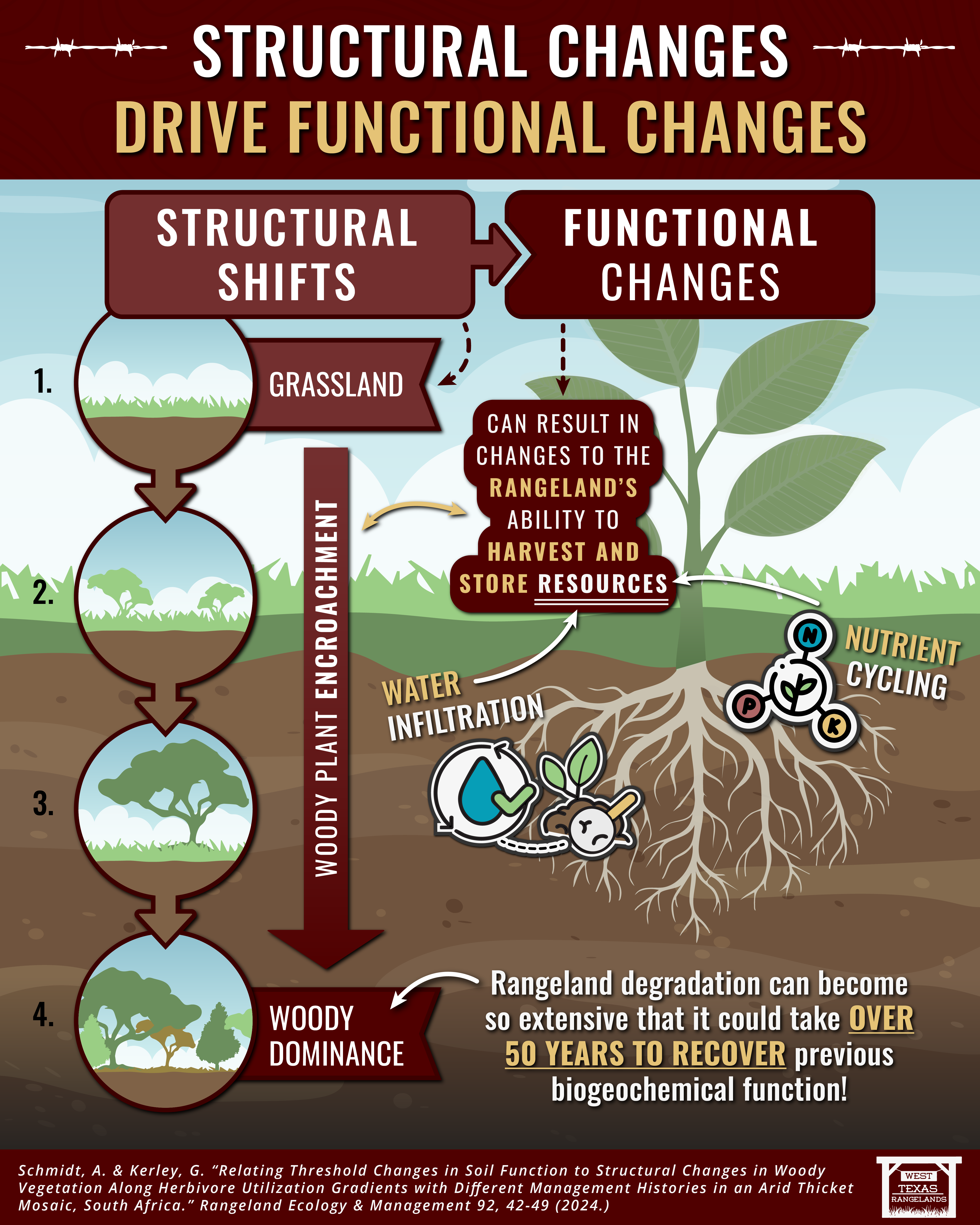
Woody Encroachment soil graphic changeRangelands, vast and vital, are more than just scenic landscapes. They’re complex ecosystems providing essential services, from clean air and water to livestock grazing and wildlife habitat. But these valuable areas face a growing threat: woody plant encroachment. This occurs when shrubs and trees increase in density and coverage, often at the expense of grasslands. While it might seem like a simple change in vegetation, the consequences are far-reaching, impacting everything from soil health to water availability.

[Read more…] about Structural Changes Drive Functional Changes

Filed Under: Soil, Woody Encroachment

Get Ready: Hot. Dry. And More Dry.

February 19, 2025 by jaime.sanford

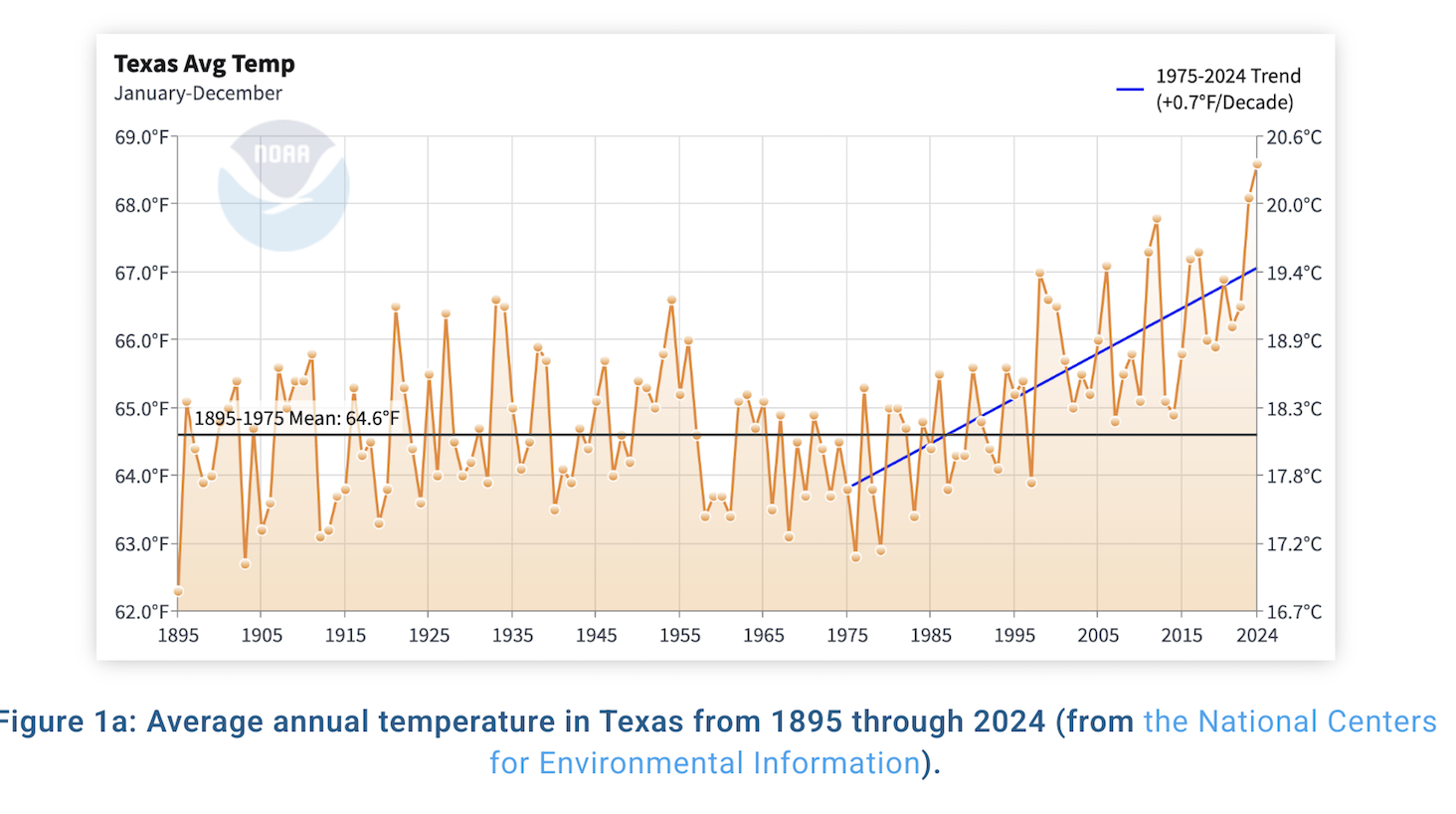
If you felt like 2024 was a scorcher, you weren’t wrong. Texas experienced its warmest year in 130 years, mirroring a global trend that likely marks the hottest year in nearly 100,000 years. That’s not just hot; it’s historically significant (Figure 1a courtesy of Texas + Water)!

[Read more…] about Get Ready: Hot. Dry. And More Dry.

Filed Under: La Niña, Weather

A Comparison of the 2017 & 2022 USDA Ag Census Data for West Texas Counties

February 12, 2025 by jaime.sanford

The U.S. Department of Agriculture’s National Agricultural Statistics Service (NASS) has released 2022 Census of Agriculture data. The graphic presents a fascinating snapshot of the ranching landscape impacting four West Texas counties: Tom Green, Schleicher, Crockett, and Menard. Using data from the 2017 and 2022 USDA Agricultural Census, we can glean valuable insights into trends and shifts within this vital sector of Texas’s economy and heritage.

[Read more…] about A Comparison of the 2017 & 2022 USDA Ag Census Data for West Texas Counties

Filed Under: Beef Cattle, Land, Range Concepts, Sheep

  • « Go to Previous Page
  • Page 1
  • Page 2
  • Page 3
  • Page 4
  • Page 5
  • Page 6
  • Interim pages omitted …
  • Page 15
  • Go to Next Page »

Recent Posts

  • Adaptability Is Key as Drought Persists Across Texas Rangelands
  • What the National CPBM Report Means for Producers Using Prescribed Fire
  • 2025 Region 3 Texas Land Value Trends: What Stability Means for West Texas Producers
  • A Tale of Two Texas Landscapes: Drought Conditions and the Road Ahead
  • The Hidden Cost of Overgrazing: How It Drains Your Watershed, Your Rainfall, and Your Bottom Line

Categories

  • 4-H Range Contests
  • Beef Cattle
  • Brush Management
  • Carbon Credits
  • Carbon Markets
  • Conservation
  • Conservation Practices
  • Drought Management
  • El Niño
  • Events
  • Goats
  • Grazing Management
  • La Niña
  • Land
  • Lessons Learned
  • Meet A County Extension Agent
  • Plant ID
  • Podcast
  • Prescribed Burn Associations
  • Prescribed Burning
  • Publications
  • Range Concepts
  • RAP
  • Sheep
  • Society for Range Management
  • Soil
  • Staff
  • Targeted Grazing
  • Uncategorized
  • Water
  • Weather
  • Why I Ranch
  • Wild Pigs
  • Wildfire
  • Wildfires
  • Wind
  • Woody Encroachment
  • Youth Range Workshop

Archives

Texas A&M AgriLife Extension Service
Texas A&M University System Member
  • Compact with Texans
  • Privacy and Security
  • Accessibility Policy
  • State Link Policy
  • Statewide Search
  • Veterans Benefits
  • Military Families
  • Risk, Fraud & Misconduct Hotline
  • Texas Homeland Security
  • Texas Veteran's Portal
  • Equal Opportunity
  • Open Records/Public Information