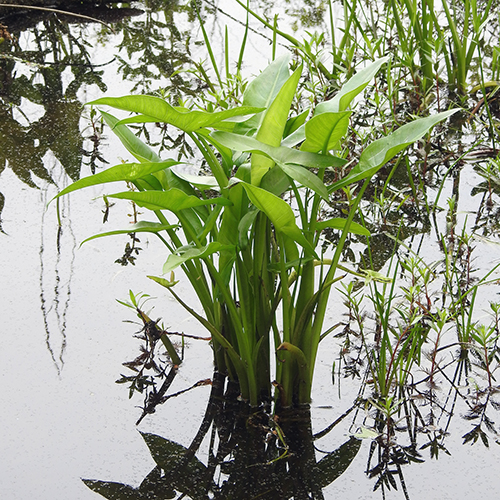
As Texas A&M AgriLife experts and colleagues, Dr. Todd Sink and Brittany Chesser, can certainly attest that ponds are just a continuation of rangelands. Brittany Chesser and Dr. Todd Sink continue to dedicate their expertise to advancing aquaculture, fisheries management, and aquatic conservation through innovative research and community education. Their unwavering commitment to sustainable resource management and public outreach empowers stakeholders with the knowledge and tools necessary to enhance aquatic ecosystems across Texas and beyond. Check out this new factsheet by the best of the best!
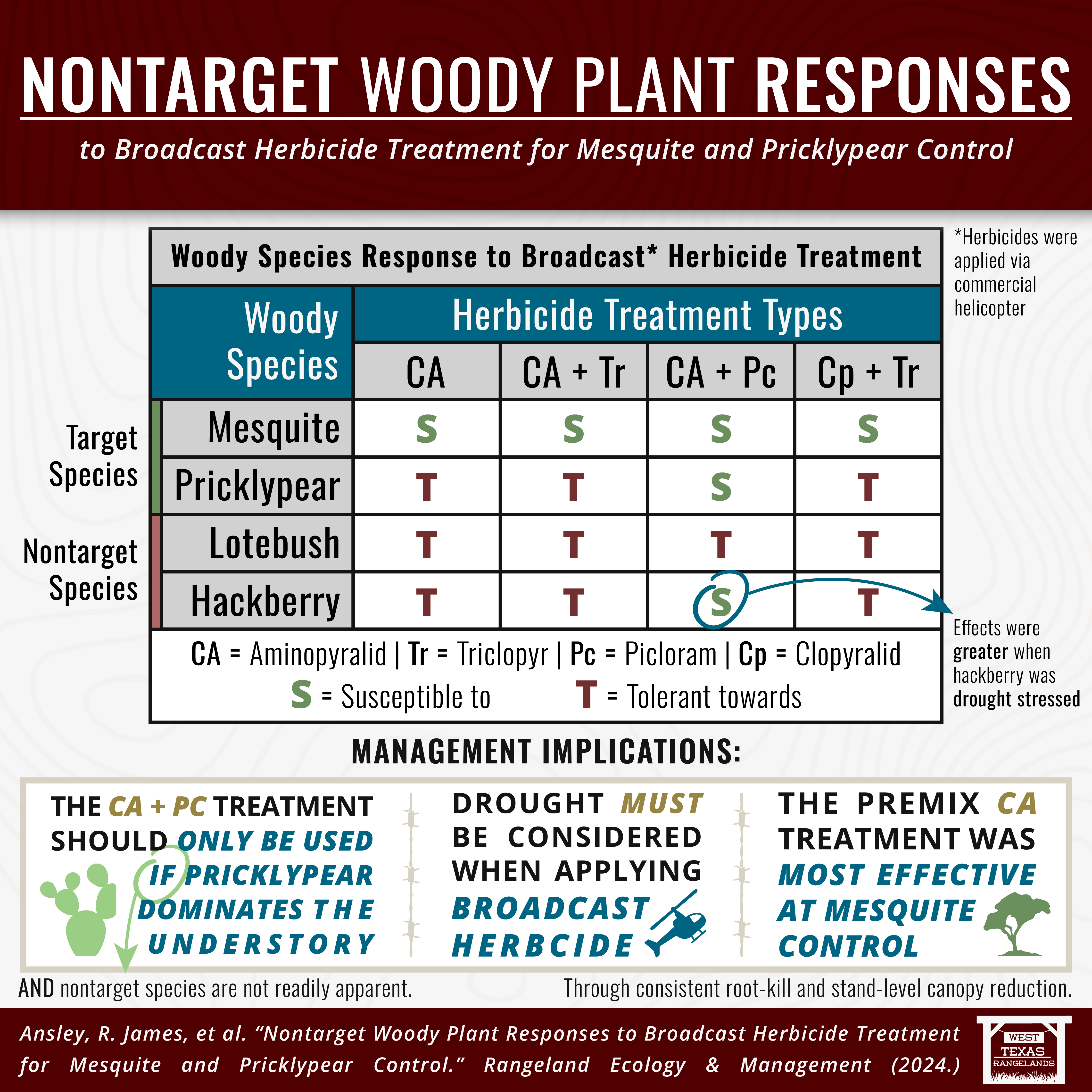
Non-Target Woody Plant Response to Herbicides
Ranchers in West Texas frequently encounter a double-decker challenge with intense canopy coverage from honey mesquite and dense pricklypear in the understory. Synergistic broadcast herbicide applications are commonly employed to tackle these layered problematic, opportunistic, and abundant species. However, it is crucial to recognize the potential for unintended consequences on nontarget woody plant species. A recent study delved into the effects of various herbicide treatments on both target and nontarget woody plant species.
[Read more…] about Non-Target Woody Plant Response to Herbicides
Wildfire Preparedness: Protecting Your Ranch
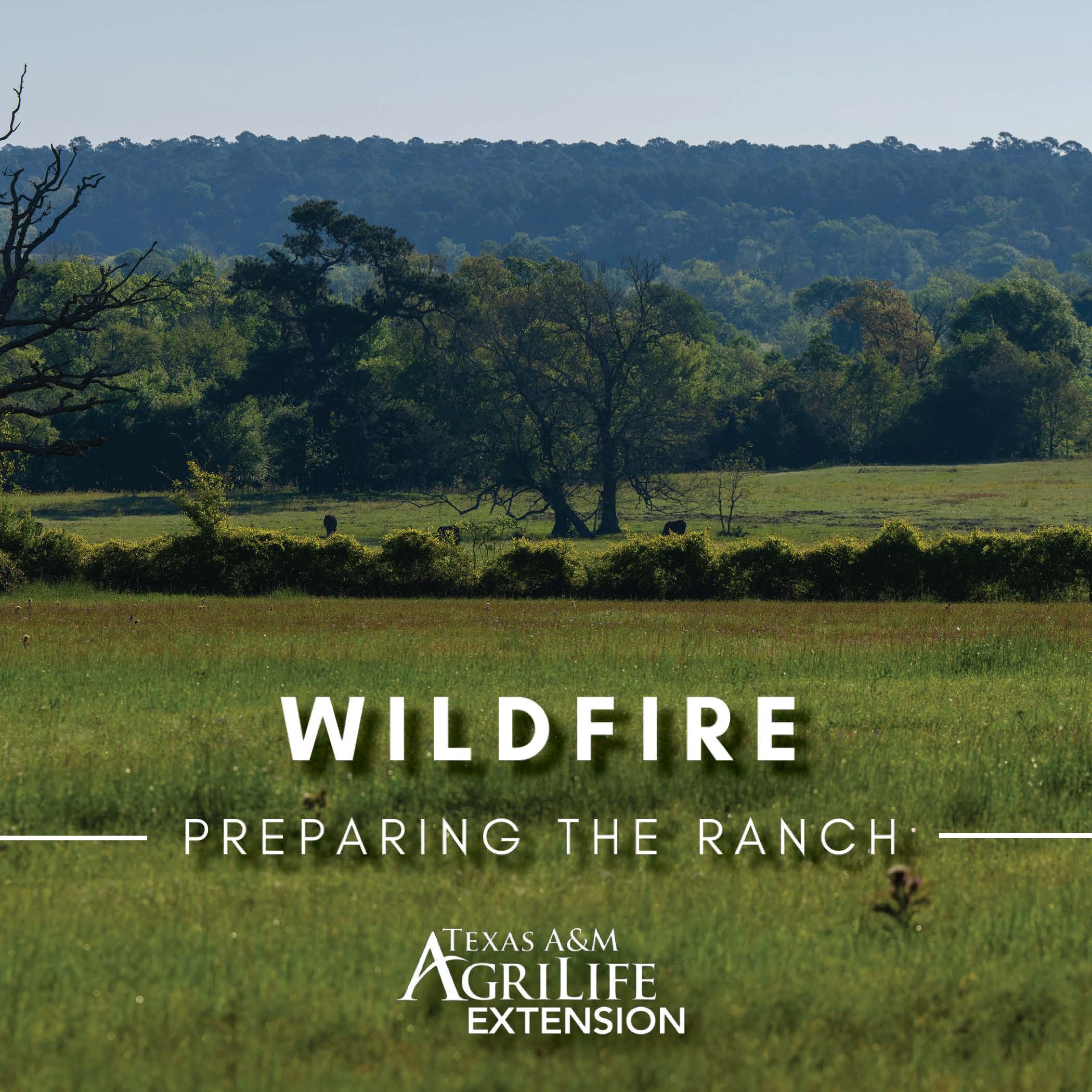
Texas A&M AgriLife has released a new publication in preparing the ranch for wildfire!
Wildfire: Preparing the Ranch is an online educational resource debuting at Texas Panhandle wildfire preparedness educational meetings in Pampa and Canadian. The resource is designed to equip Texas agricultural producers with educational information and tools to prepare for wildfires.
[Read more…] about Wildfire Preparedness: Protecting Your Ranch
Gone With the Wind: Examining the Impact of Windfarms on Property Value
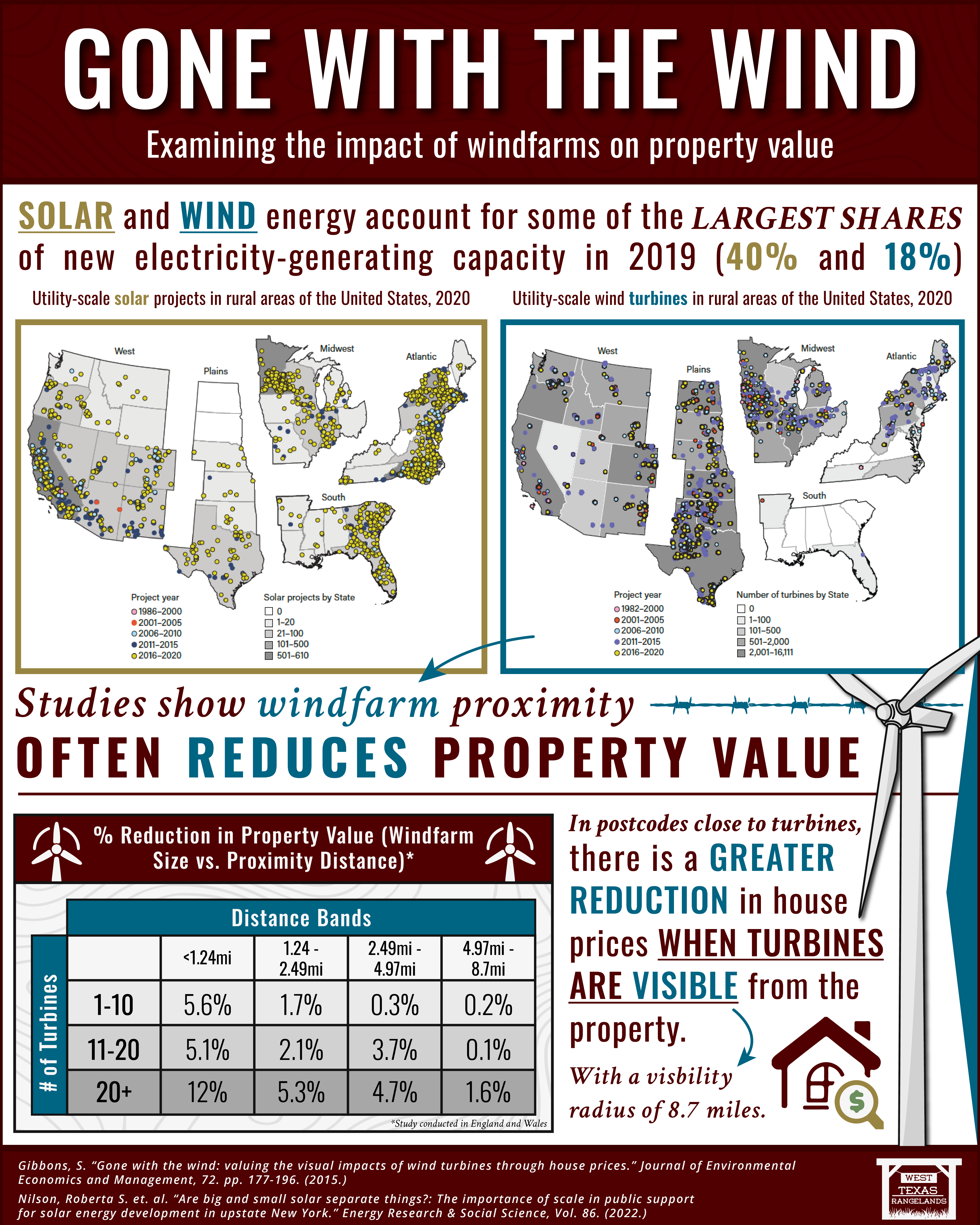
Solar and wind energy development on rangeland is everywhere. They accounted for a whopping 40% and 18% of new electricity generation capacity in the United States in 2019, respectively. Inevitably, these projects often lead to habitat fragmentation, soil disturbance, and changes in hydrology, which can negatively impact native vegetation and wildlife species reliant on these landscapes. However, few ecological studies exist documenting plant community impacts, soil health dynamics, and wildlife habitat alterations, however, some studies conducted on wind and solar development have shown that proximity to wind farms can often reduce overall property values. This reduction is more significant when the wind turbines are visible from the property. The visual impact of wind turbines is a major factor in overall property value depreciation. Research suggests that the visibility radius for wind turbines can extend up to 8.7 miles.
[Read more…] about Gone With the Wind: Examining the Impact of Windfarms on Property Value
Masticator Sparks Wildfire – Rapid Lesson Sharing
This past October in the Wichita Mountains National Wildlife Refuge (Comanche County, OK, USA) a skid steer masticator was conducting a hazardous fuels reduction treatment along a paved road. There was additional road grading and other mechanical fuel reduction work for a future prescribed burn occurring on other parts of the refuge that day. Unfortunately, the masticator hit a rock that was hidden underneath the vegetation and, unknowingly, sparked a fire.
[Read more…] about Masticator Sparks Wildfire – Rapid Lesson Sharing
Blue Grama (Bouteloua gracilis)
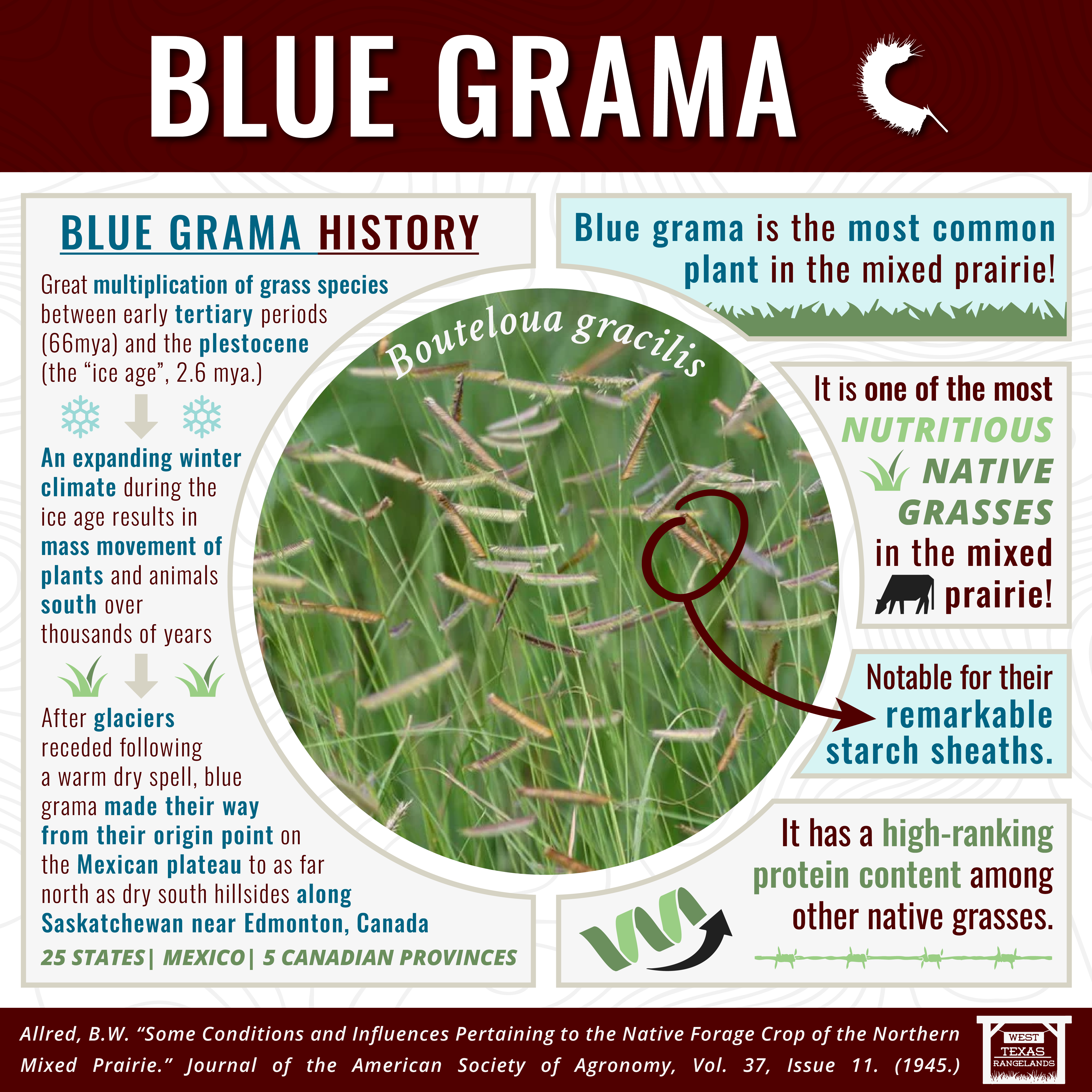
As stewards, let’s all just take a Christmas moment reflection and a deep breath of blue grama. Did you know that blue grama is the most common plant found throughout the mixed prairie? Even more impressively, blue grama possesses the most general distribution thriving as far north as Canada and as far south as Mexico.
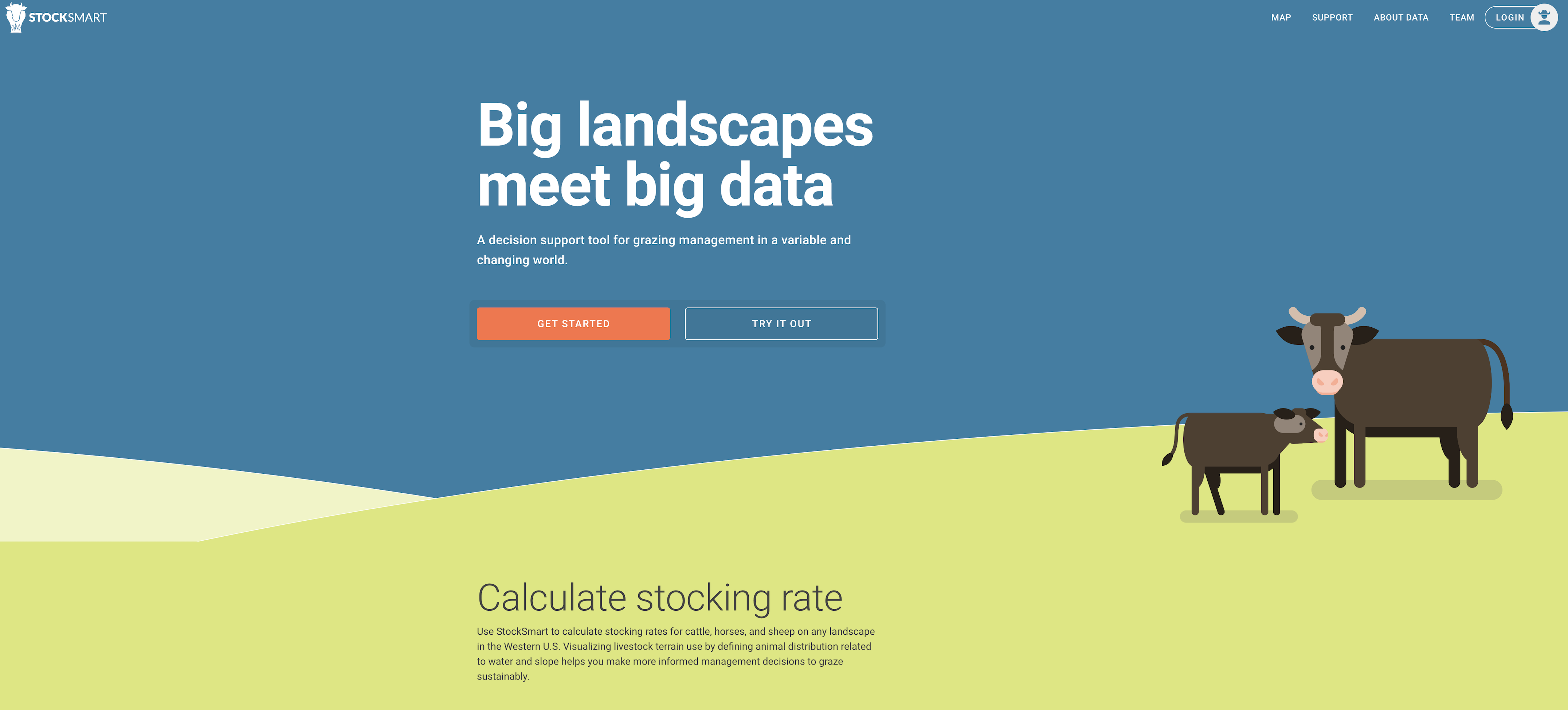
A New Tool for Calculating Stocking Rates: StockSmart
StockSmart is a new decision support tool that is used for grazing management. StockSmart can be used to calculate stocking rates for cattle, horses, and sheep on any landscape.
[Read more…] about A New Tool for Calculating Stocking Rates: StockSmart
Cheatgrass in Texas Lower Rolling Plains
What is Cheatgrass? Cheatgrass (Bromus tectorum), is an invasive annual species. This species poses a significant ecological threat to the Southern Great Plains of Texas, particularly in the Rolling Plains Region. Cheatgrass will displace native grasses such as sideoats grama (Bouteloua curtipendula), blue grama (Bouteloua gracilis) and little bluestem (Schizachyrium scoparium). These dominant, perennial, native grasses are key to maintaining soil stability, biodiversity, and forage quality (D’Antonio & Vitousek, 1992; Chambers et al., 2014).
Wildfire Risk to Communities
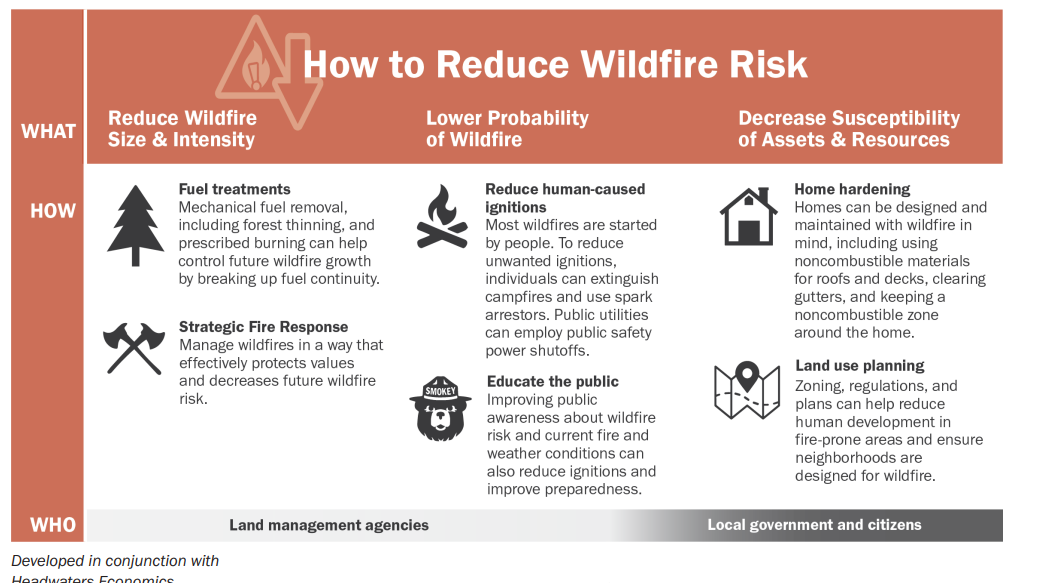
What is Risk? Risk is the probability and consequences of uncertain future events. It is the framework for understanding the implications of decisions because the decisions we make all come with a tradeoff. Wildfire Risk is the likelihood of a wildfire occurring and the potential effects it would have on things we care about. Being able to estimate the likelihood and consequences of wildfires, we are better able to consider and plan for possible outcomes.
Getting to The Root of It
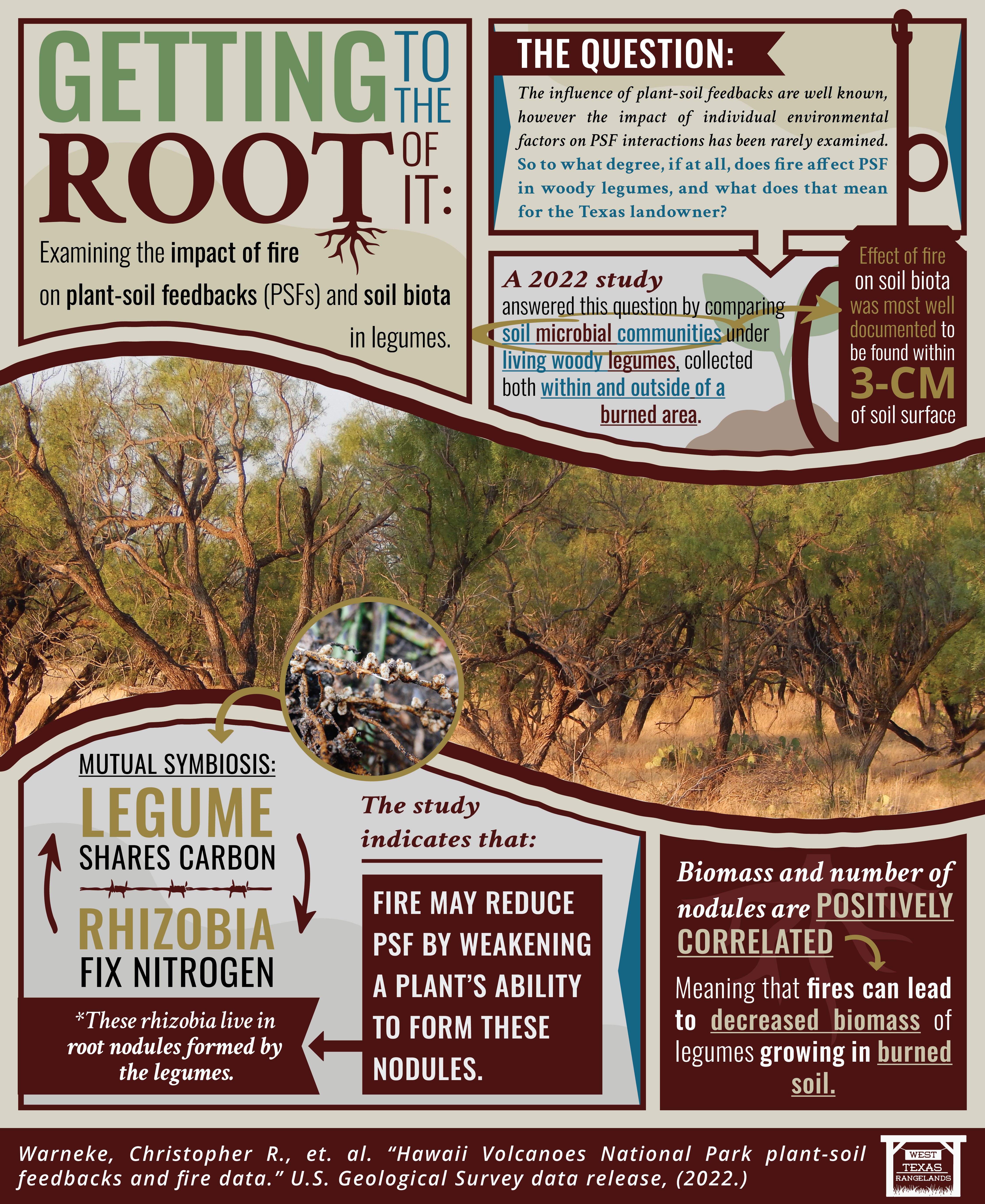
Interactions between plants and soils, plant-soil feedbacks (PSFs) are widely known to influence patterns of plant diversity at local and landscape scales. However, these interactions are rarely examined in the context of environmental factors. Prescribed fire is an environmental factor that alters microbial communities (Pourreza et al. 2014, Hedo et al. 2015, Prendergast-Miller et al. 2017). Prior to the study below, the influence of fire on PSFs was unexamined. Does fire affect PSF in woody legumes and what does it mean for Texas landowners? This study helped to answer this question by comparing soil microbial communities under living woody legumes, collected both within and outside of a burned area.