As summer transitions into fall, many ranchers begin taking stock of hay inventories, pasture conditions, and winter feeding plans. While it’s easy to focus on how much forage is available, an equally important question is often overlooked:
What is the quality of the forage you have?
Forage testing is one of the most cost-effective management tools available to livestock producers. A relatively inexpensive analysis can provide valuable information that helps reduce feed costs, improve livestock performance, and support sustainable grazing management throughout the winter months. Texas A&M AgriLife Extension specialists consistently emphasize that successful winter feeding programs begin with knowing the nutrient value of available forage resources.
Why Forage Quality Matters
Winter feeding decisions are often based on assumptions. Hay that appears green and leafy may seem adequate, while coarse or weathered hay may be dismissed as low quality. However, visual appearance is not always a reliable indicator of nutritional value.
Forage quality is influenced by numerous factors, including:
- Plant species and variety
- Stage of maturity at harvest
- Fertility management
- Rainfall and weathering
- Leaf-to-stem ratio
- Harvest and storage conditions
As a result, nutrient levels can vary significantly between hay cuttings, fields, and even bales harvested from the same operation.
Without testing, producers are left guessing about the protein and energy content being delivered to their livestock.
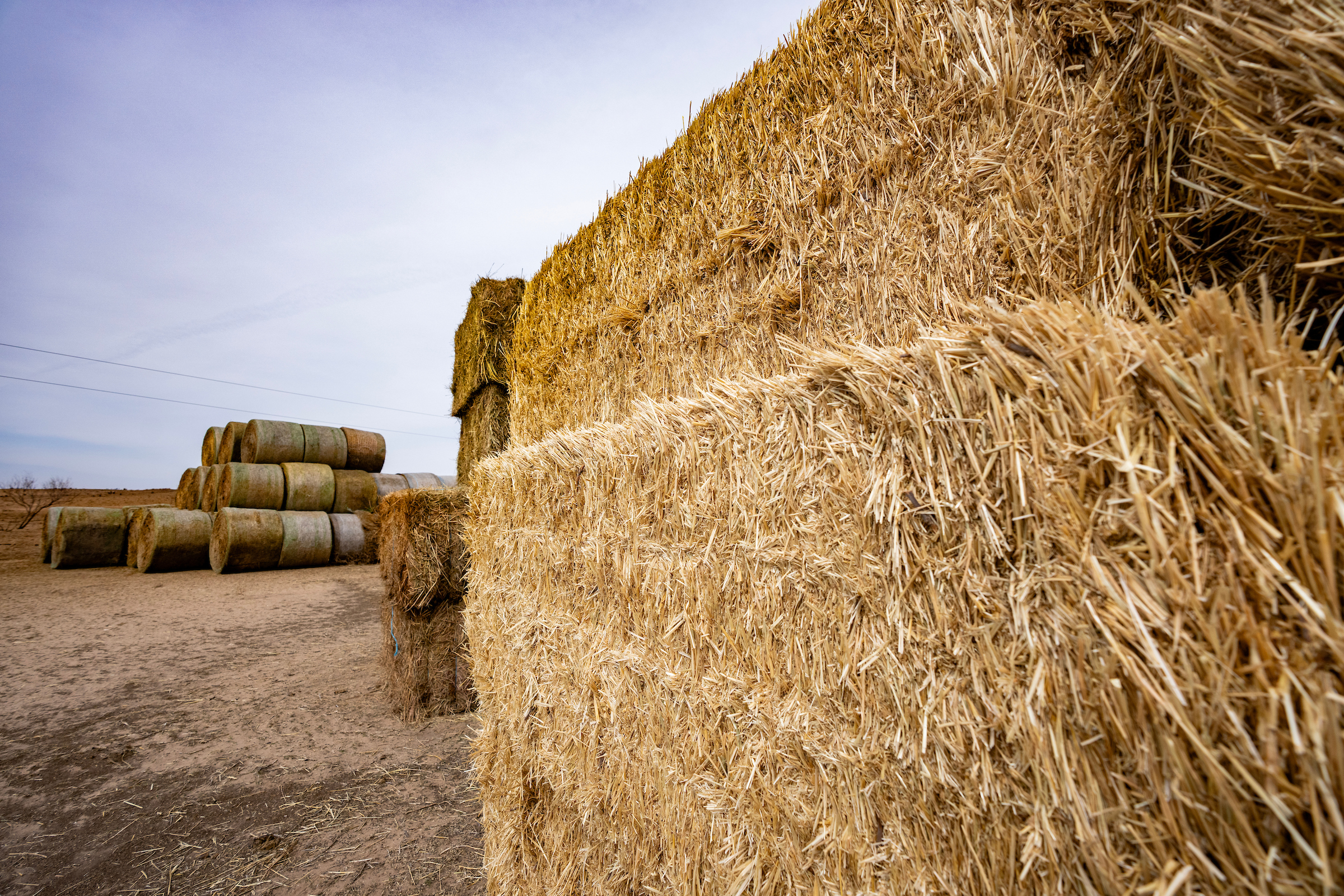
Hay bales sit alongside a farm road. (Sam Craft/Texas A&M AgriLife Marketing and Communications)
[Read more…] about Know Your Forage Before Winter: Why Fall Forage Testing Pays Off