• Skip to primary navigation
  • Skip to main content
  • Skip to primary sidebar
  • Texas A&M Forest Service
  • Texas A&M Veterinary Medical Diagnostics Laboratory
  • Texas A&M AgriLife Extension Service
  • Texas A&M AgriLife Research
  • Texas A&M College of Agrculture and Life Sciences
West Texas Rangelands
West Texas RangelandsWe hope to provide a variety of science-based rangeland information and current research on prescribed fire, wildfires, brush management, and grazing management!
  • Menu
  • Home
  • About & Contact
  • Publications
    • Extension Publications
    • Refereed Journal Articles
    • Program Summaries
  • Events
  • Lunch N’ Learn
  • Infographics
    • Drought
    • Grazing
    • Herbicide
    • Prescribed Fire
    • Rangeland Plants
    • Wildfire
  • Range Resources
    • Published to Pasture
    • Range Concepts
  • Fire Resources
  • Sponsors
  • AgriLife Learn Online Courses

What Your Rangeland Is Telling You: If You Know How to Look

February 11, 2026 by morgan.treadwell

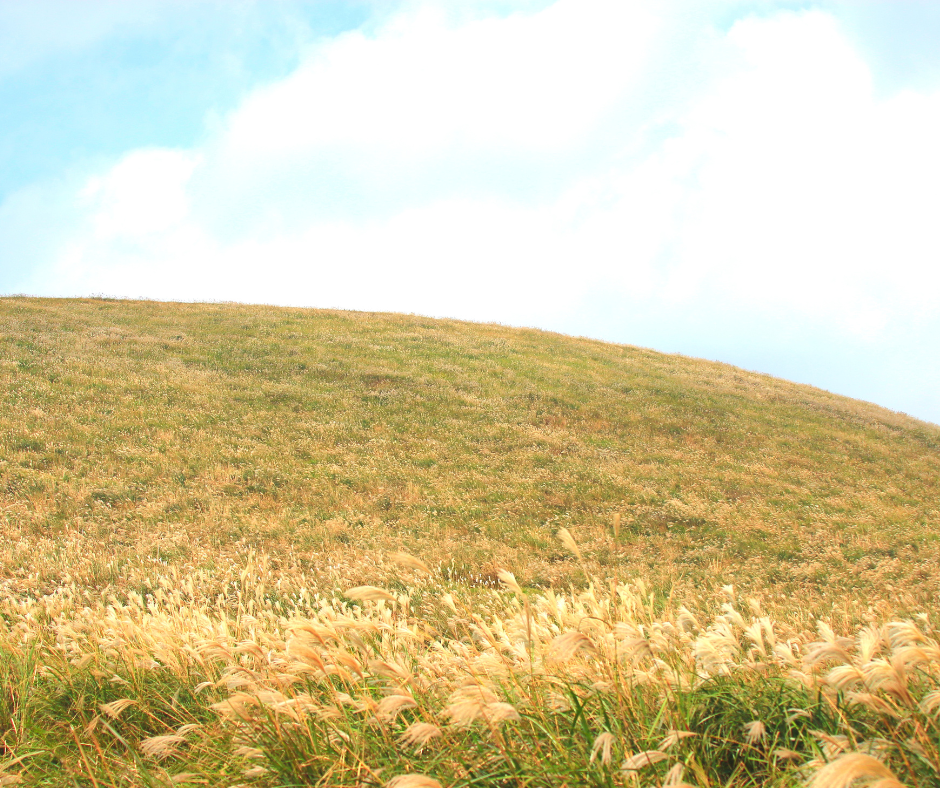
The condition of your rangeland shows how management decisions are affecting it. By paying attention to plant communities, soil cover, and overall structure, land managers can identify potential issues early and respond effectively. Regular observation is one of the most important tools in long-term rangeland stewardship. 

Key Indicators to Watch 

Plant diversity is a strong indicator of rangeland health. A mix of grasses, forbs, cool and warm season species, and varying plant heights often signals a functioning system. Uniform vegetation or dominance by a single species may indicate stress or management imbalance. Think monocultures of Purple Threeawn or Texas Wintergrass.  

Soil surface condition is equally important. Adequate litter and ground cover protect soil from erosion, temperatures, and help retain moisture. Increasing bare ground can signal declining rangeland condition.  Bare ground between bunchgrasses of plants will slowly start to expand, increasing soil movement and soil loss.  

Monitoring Beyond the Growing Season 

Rangeland monitoring does not stop when plants are dormant! Winter and early spring observations can reveal grazing patterns, hoof impact, and areas where pressure may be too concentrated.  Monitoring native perennial grasses during the winter is just as important as monitoring during the growing season, because what you protect in the winter is what jumpstarts new growth this spring.   

Tracking changes season-to-season rather than reacting to a single observation provides a clearer picture of trends and management outcomes.  

Using Monitoring to Guide Decisions 

Monitoring allows managers to make informed adjustments to grazing timing, duration, and intensity. When rangeland conditions are regularly evaluated, management becomes proactive rather than reactive setting pastures off to a great start this spring.  
Filed Under: Conservation, Grazing Management, Range Concepts, Woody Encroachment Tagged With: #grazing #ranchmanagement #brush #grasslands, Conservation, Conservation Practices, grazing management

Integrated Pest Management for Woody Encroachment

September 20, 2023 by jaime.sanford

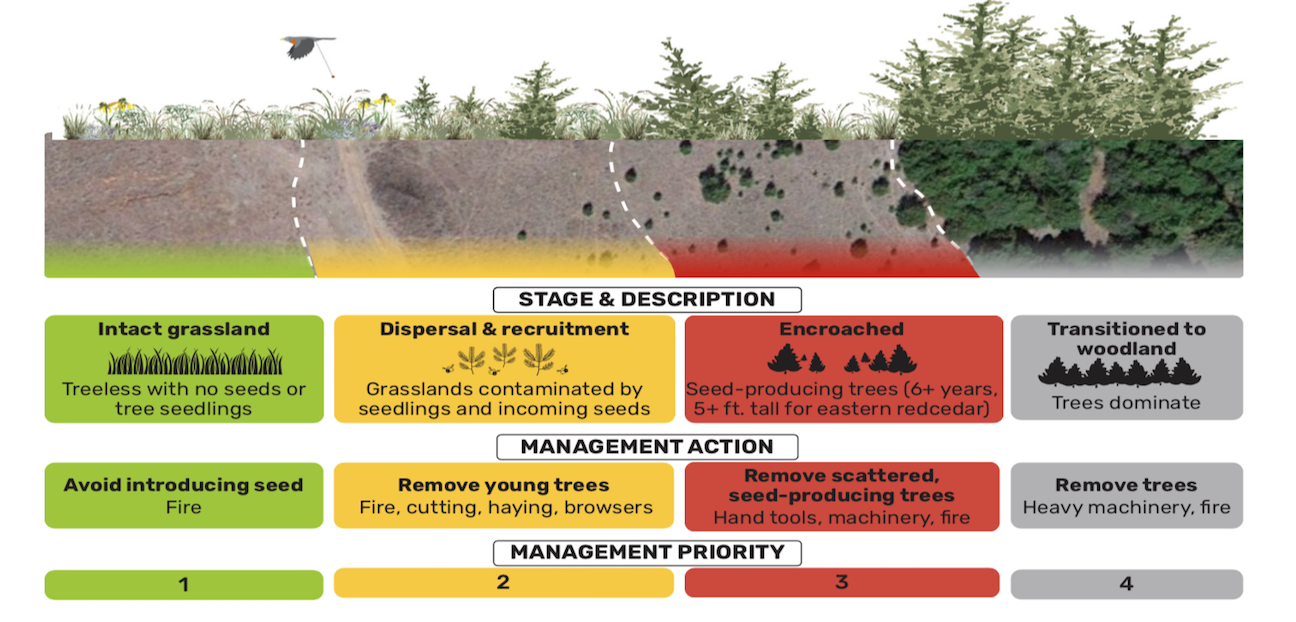
The top 5 woody invasive plant species in the Great Plains Grasslands include; Eastern redcedar, Honey mesquite, Chinese tallow, Ashe juniper, and Redberry juniper. Past brush management efforts have been unable to stop or reverse the loss of grasslands at county, state, or regional scales. Traditional management efforts have assumed that there are tolerable levels of the top five woody pests in grasslands before encroachment becomes a resource concern and mechanical or chemical removal of woody plants will restore a site back to a grassland. Scientists are now recommending more integrated approaches for dealing with woody species and ending the reinvasion cycle in grasslands. 

[Read more…] about Integrated Pest Management for Woody Encroachment

Filed Under: Brush Management, Conservation, Conservation Practices, Grazing Management, Publications, Woody Encroachment Tagged With: #grazing #ranchmanagement #brush #grasslands, brush management, Conservation, Conservation Management, Conservation Practices, Range Concepts, woody encroachment

SRM Multidisciplinary Rangeland Ecosystem Services Report

August 30, 2023 by jaime.sanford

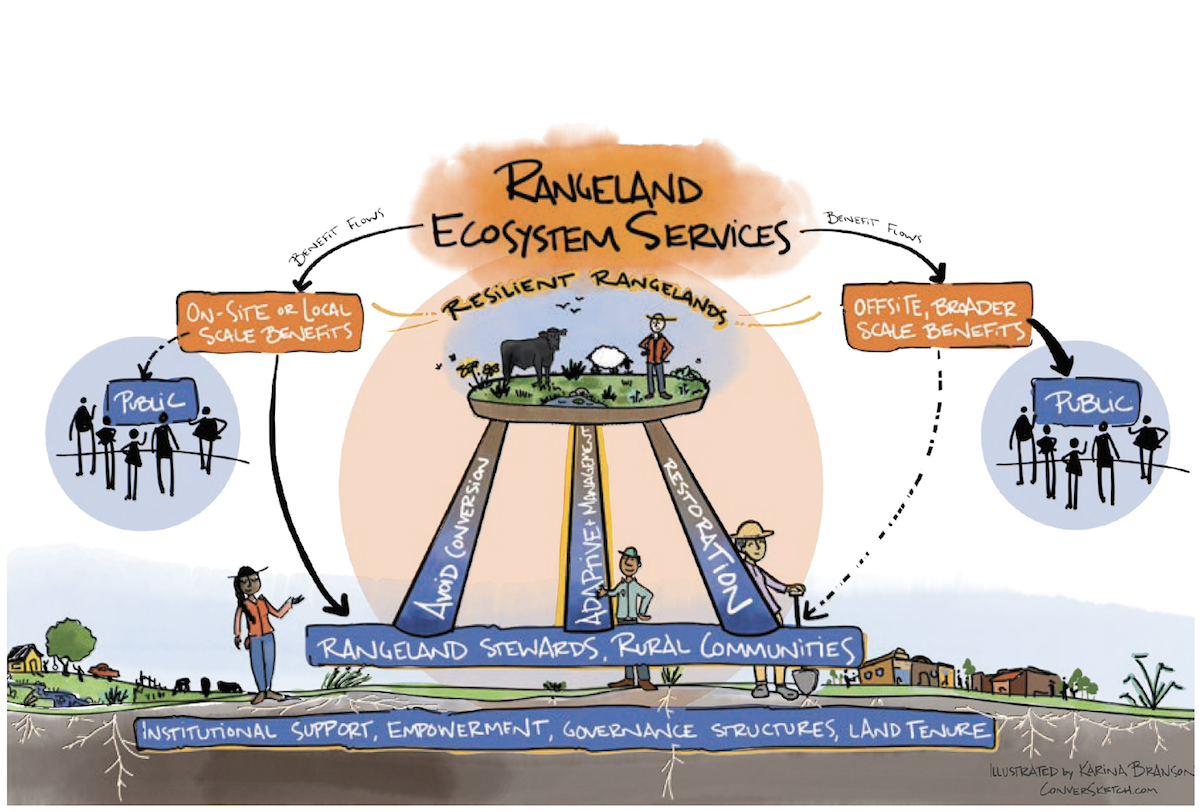
The Society for Rangeland Management recently released their Rangeland Ecosystem Services Report: Connecting Nature and People. The report includes five key rangeland service topic areas including; food and fiber, water as an ecosystem driver in rangelands, carbon sequestration and security, plant and insect biodiversity, and wildlife habitat provision. 


Photo: Rangeland Ecosystem Services Report

[Read more…] about SRM Multidisciplinary Rangeland Ecosystem Services Report

Filed Under: Beef Cattle, Conservation, Conservation Practices, Grazing Management, Society for Range Management Tagged With: brush management, Conservation, Conservation Management, Conservation Practices, Grazing

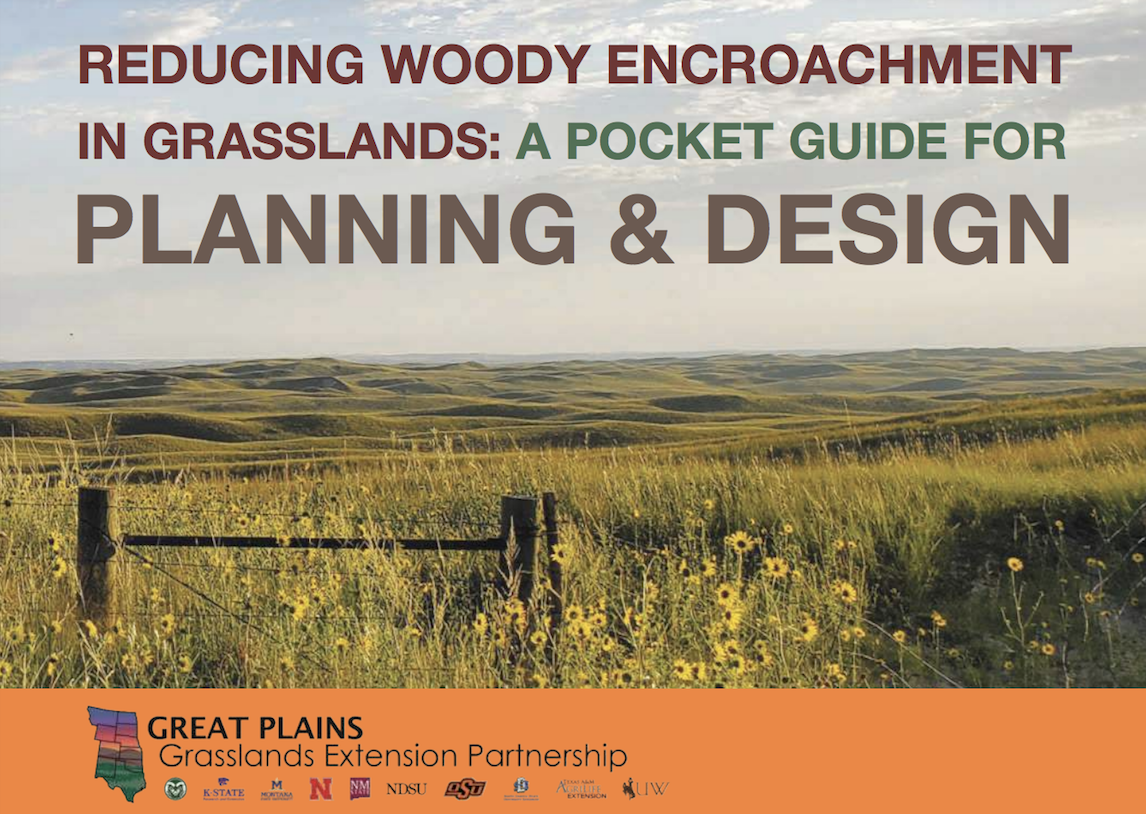
Reducing Woody Encroachment in Grasslands: A Pocket Guide for Planning and Design

August 23, 2023 by jaime.sanford

Have you seen the latest Pocket Guide from the Great Plains Grasslands Extension Partnership? This Pocket Guide integrates new guidelines for reducing woody encroachment with a planning process. It is also an important resource that further incorporates the latest, science-based approaches for reducing woody encroachment.


[Read more…] about Reducing Woody Encroachment in Grasslands: A Pocket Guide for Planning and Design

Filed Under: Brush Management, Conservation, Conservation Practices, Grazing Management, Range Concepts, Woody Encroachment Tagged With: #grazing #ranchmanagement #brush #grasslands, brush management, Conservation, Conservation Management, Conservation Practices, Range Concepts, woody encroachment

Conserving Texas: Quantifying Ecological Return on Investment

May 31, 2023 by jaime.sanford

In Texas, close to 95% of the land lies in private ownership, which means relying on collaborative solutions and public-private partnerships to support the stewardship and conservation of natural resources for the public good.

[Read more…] about Conserving Texas: Quantifying Ecological Return on Investment

Filed Under: Conservation, Conservation Practices Tagged With: Conservation, Conservation Management, Conservation Practices

Statewide Texas Landowner Survey Results

May 10, 2023 by jaime.sanford

Did you know that Texas Landowner demographics are surveyed by the Texas A&M Natural Resources Institute (NRI)? This type of information is incredibly valuable and insightful to the changing demographic occurring across Texas working landscapes. 

[Read more…] about Statewide Texas Landowner Survey Results

Filed Under: Beef Cattle, Conservation, Grazing Management, Why I Ranch Tagged With: Conservation, grazing management, grazingland, Landowner

Wild Pig Damage in Texas

April 26, 2023 by jaime.sanford

Did you know that wild pigs are found on 6 of the 7 continents? Over the past four decades, wild pigs have expanded into 35 states in the United States, with an estimated population of 6.9 million. They are highly adaptable with high reproductive rates. 

[Read more…] about Wild Pig Damage in Texas

Filed Under: Conservation Practices, Wild Pigs Tagged With: Conservation, Pasture damage, RWFM webinar series, Wild pigs

What Is In My Soil?!

April 19, 2023 by jaime.sanford

Did you know that your soil is a living, breathing ecosystem and is easily one of the most complex ecosystems on earth?! There are billions (perhaps trillions) of organisms in a small handful of healthy soil, with millions of different species.

[Read more…] about What Is In My Soil?!

Filed Under: Conservation, Range Concepts, Soil Tagged With: Conservation, range management, soil

Central Texas Fuels Reduction Grant

April 12, 2023 by jaime.sanford

The Central Texas Fuels Reduction Grant has officially opened! This an opportunity for Central Texas Landowners to apply for the SFAM Mechanical Fuels Reduction Grant to help reduce risks posed to their property by wildfire. 

[Read more…] about Central Texas Fuels Reduction Grant

Filed Under: Brush Management, Conservation, Conservation Practices, Prescribed Burning, Wildfires Tagged With: brush management, Conservation, Grants, Prescribed Burn, Wildfires

Prescribed Burn School April 19 – 21, 2023 – San Angelo, Texas

March 24, 2023 by jaime.sanford

Prescribed Burn School April 19 – 21, 2023 – San Angelo, Texas

Dr. Morgan Treadwell is back with her first Prescribed Burn School for 2023 in San Angelo, Texas on April 19 – 21! If you are curious about prescribed fire or would like to get more hands-on experience, this 3-day school is for you! View the agenda here.

[Read more…] about Prescribed Burn School April 19 – 21, 2023 – San Angelo, Texas

Filed Under: Conservation, Conservation Practices, Grazing Management, Prescribed Burn Associations, Prescribed Burning Tagged With: Conservation, Conservation Management, prescribed burning

  • Page 1
  • Page 2
  • Go to Next Page »

Recent Posts

  • Grazing Isn’t the Problem. Unmanaged Pressure Is.
  • What Your Rangeland Is Telling You: If You Know How to Look
  • When Does Grazing Become Overgrazing?
  • Prepared Today, Resilient Tomorrow: Making Wildfire Preparedness Part of Rangeland Stewardship
  • Fuel, Weather, and Risk: Monitoring Wildfire Conditions on Your Land

Categories

  • 4-H Range Contests
  • Beef Cattle
  • Brush Management
  • Carbon Credits
  • Carbon Markets
  • Conservation
  • Conservation Practices
  • Drought Management
  • El Niño
  • Events
  • Goats
  • Grazing Management
  • La Niña
  • Land
  • Lessons Learned
  • Meet A County Extension Agent
  • Plant ID
  • Podcast
  • Prescribed Burn Associations
  • Prescribed Burning
  • Publications
  • Range Concepts
  • RAP
  • Sheep
  • Society for Range Management
  • Soil
  • Staff
  • Targeted Grazing
  • Uncategorized
  • Water
  • Weather
  • Why I Ranch
  • Wild Pigs
  • Wildfire
  • Wildfires
  • Wind
  • Woody Encroachment
  • Youth Range Workshop

Archives

Texas A&M AgriLife Extension Service
Texas A&M University System Member
  • Compact with Texans
  • Privacy and Security
  • Accessibility Policy
  • State Link Policy
  • Statewide Search
  • Veterans Benefits
  • Military Families
  • Risk, Fraud & Misconduct Hotline
  • Texas Homeland Security
  • Texas Veteran's Portal
  • Equal Opportunity
  • Open Records/Public Information