• Skip to primary navigation
  • Skip to main content
  • Skip to primary sidebar
  • Texas A&M Forest Service
  • Texas A&M Veterinary Medical Diagnostics Laboratory
  • Texas A&M AgriLife Extension Service
  • Texas A&M AgriLife Research
  • Texas A&M College of Agrculture and Life Sciences
West Texas Rangelands
West Texas RangelandsWe hope to provide a variety of science-based rangeland information and current research on prescribed fire, wildfires, brush management, and grazing management!
  • Menu
  • Home
  • About & Contact
  • Publications
    • Extension Publications
    • Refereed Journal Articles
    • Program Summaries
  • Events
  • Lunch N’ Learn
  • Infographics
    • Drought
    • Grazing
    • Herbicide
    • Prescribed Fire
    • Rangeland Plants
    • Wildfire
  • Range Resources
    • Published to Pasture
    • Range Concepts
  • Fire Resources
  • Sponsors
  • AgriLife Learn Online Courses

Fire and Follow-Through!

December 17, 2025 by morgan.treadwell

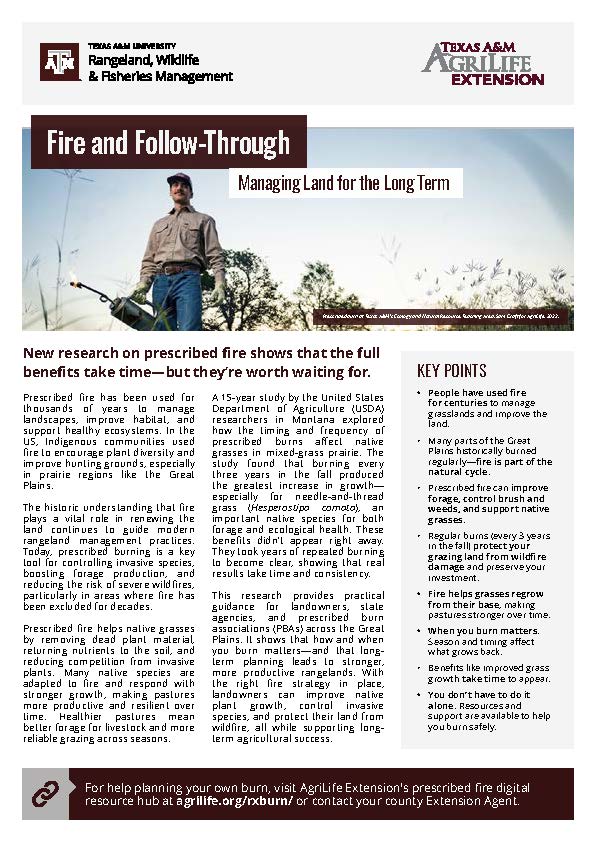
This amazing class at TAMU RWFM is focused on Communicating Natural Resources. It covers principles for effectively sharing natural resource science with diverse stakeholders, building essential skills for careers in rangeland, wildlife, and fisheries management. Topics include audience analysis, mixed-media presentations, and interpersonal communication tailored to natural resource contexts. Check out 2025 spring semester’s capstone project!
 

Filed Under: Conservation, Prescribed Burn Associations, Prescribed Burning, Uncategorized, Woody Encroachment Tagged With: Edwards Plateau Prescribed Burn Association, prescribed fire, Rangeland

High-Energy Fire Significantly Improves Honey Mesquite Control: Key Findings from a 2022 Texas Study

December 10, 2025 by morgan.treadwell

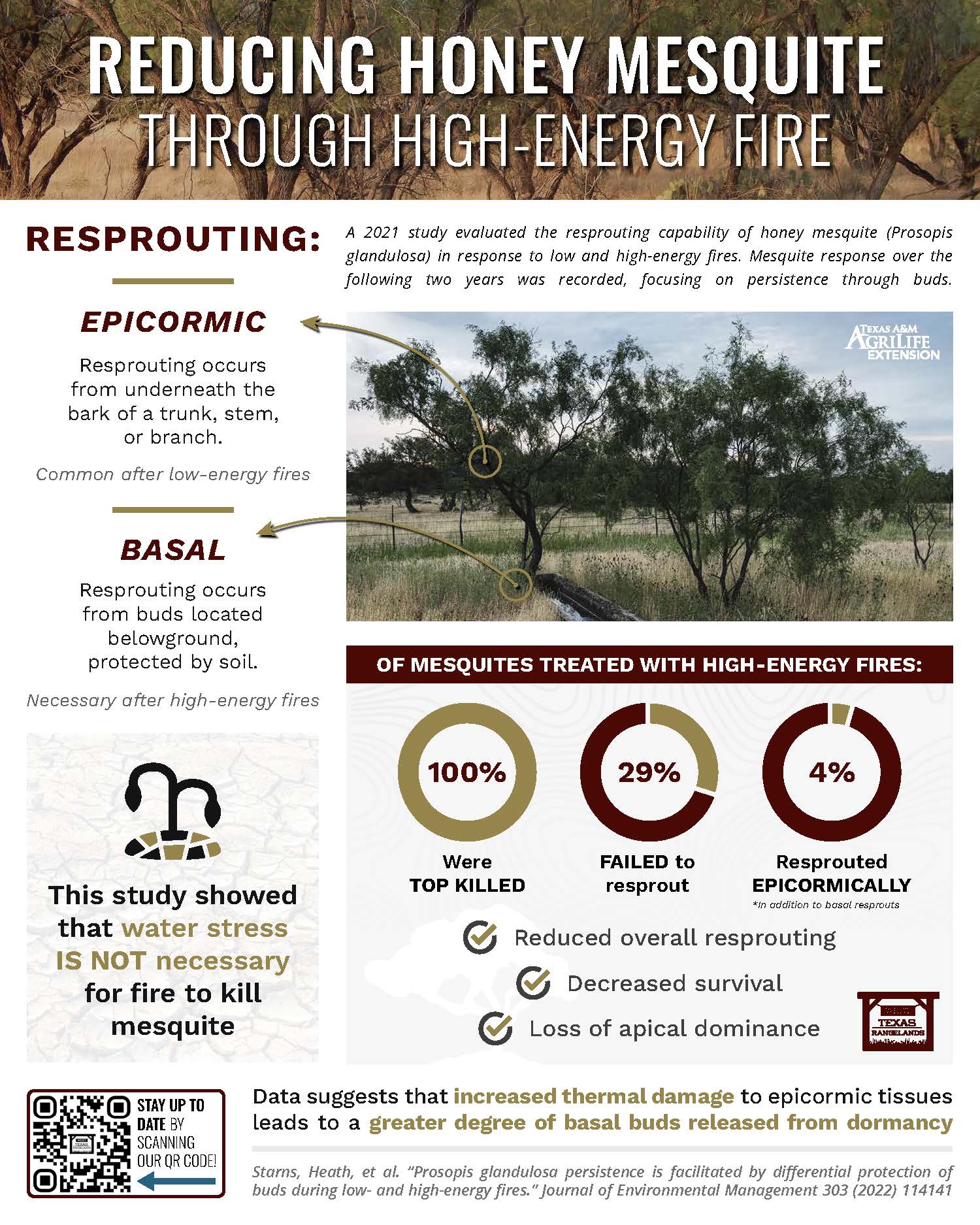
A new(er) peer-reviewed study published in the Journal of Environmental Management (Starns et al., 2022) provides some of the strongest experimental evidence to date that fire intensity—not just the presence of fire—is the critical factor in achieving meaningful mortality of honey mesquite (Prosopis glandulosa).

For decades, land managers in Texas, Oklahoma, and across the southern Great Plains have observed that typical “safe” prescribed fires top-kill mesquite but rarely kill it. The plant simply resprouts vigorously from protected buds beneath the bark (epicormic) and at the root crown (basal). This resilience has made prescribed fire alone an unreliable tool for restoring grass-dominated rangeland once mesquite has become dominant.

The 2022 study directly tested whether dramatically increasing fire energy could overcome those protective mechanisms—even without the added stress of severe drought.

Study Design (Sonora, Texas – 2018–2020)

  • 48 similar-sized honey mesquite trees were selected.
  • Plots received either:
    • Low-energy fire (≈10,000 kJ/m²) – representative of standard prescribed burns using grass/hay fuel, or
    • High-energy fire (≈105,000 kJ/m²) – created by adding cut redberry juniper as fuel to produce prolonged, intense heat.
  • Half the trees in each fire treatment had soil removed from the root crown to test the importance of soil as a bud shield.
  • Trees were monitored for survival and resprouting (basal and epicormic) for two full growing seasons.

Major Results Every Land Manager Should Know

  1. 100% survival after low-energy fire Every mesquite exposed to low-energy fire resprouted and survived the 2-year study period.
  2. 29% apparent mortality after high-energy fire Seven of the 24 mesquites subjected to high-energy fire produced no live resprouts after two growing seasons—an unprecedented kill rate in a controlled experiment without drought stress.
  3. Epicormic (trunk) sprouting virtually eliminated Low-energy fires triggered abundant trunk sprouting (often >100 shoots per tree). High-energy fires almost completely prevented epicormic resprouting—only one tree produced any trunk shoots.
  4. Fewer basal resprouts with high-energy fire Although basal buds (protected by soil) were more heat-tolerant, high-energy fires still reduced the number of basal resprouts by roughly 50–70% in the first post-fire year compared with low-energy fires.
  5. Root-crown exposure helped in year one, but effect faded Excavating soil from the base reduced resprouting the first season, but by year two the difference disappeared.
  6. Results achieved under normal-to-wet conditions The burns were conducted during moderate soil moisture and were followed by above-average rainfall. This demonstrates that extreme fire energy alone—not plant water stress from drought—can significantly impair mesquite recovery.

Practical Implications for Ranchers and Prescribed-Fire Practitioners

  • Standard low-intensity prescribed fire remains largely ineffective for reducing mesquite density or canopy cover.
  • To achieve meaningful mortality, fires must deliver sustained high heat to the cambium and bud zone for several minutes. This typically requires substantial woody fuel loading (e.g., scattered juniper, brush piles, or heavy dead mesquite stems) and weather conditions that support fire spread.
  • Adding targeted woody fuel around individual mesquites or in patches is a practical way to create localized “high-energy” zones even on days when broader landscape conditions are moderate.
  • While complete stand replacement with a single fire is still unlikely, repeated high-energy fires over time—especially when residual dead stems remain standing—should progressively increase cumulative mortality.

In short, the study confirms what many experienced burn practitioners have long suspected: when the goal is mesquite control rather than simple top-kill, hotter is unequivocally better.

Citation: Starns, H.D., Wonkka, C.L., Dickinson, M.B., et al. 2022. Prosopis glandulosa persistence is facilitated by differential protection of buds during low- and high-energy fires. Journal of Environmental Management 303: 114141. https://doi.org/10.1016/j.jenvman.2021.114141. Feel free to download a pdf file here!

Safe, effective, and sufficiently intense prescribed fire can be a game-changing tool for restoring grass dominance in mesquite-invaded rangelands. This research gives us the science to justify turning up the heat!!

Filed Under: Brush Management, Prescribed Burn Associations, Prescribed Burning, Woody Encroachment

Fire Up Plant Diversity!

December 3, 2025 by morgan.treadwell

A recent study from Texas A&M researchers, published in Landscape Ecology, dives into how prescribed fires impact plant diversity in mesquite-oak savannas like those on the Edwards Plateau. By analyzing data from over 288 plots before and after a prescribed fire, the team found that these fires boost local plant diversity, encouraging more species richness and evenness in burned areas. This is especially true in soils with better water-holding capacity, where post-fire regrowth thrives amid the mosaic of burned and unburned patches. But there’s a flip side: fires can reduce beta-diversity, meaning less variation in plant communities across your land, as similar species start dominating post-burn.

The study highlights how soil types and rainfall play starring roles in these outcomes. In areas with deeper, moisture-retaining soils like Kavett silty clay, fires sparked significant gains in forb and grass diversity, helping control woody encroachment from mesquite and juniper while creating prime grazing spots. However, in shallower, drier soils like Tarrant, the effects were muted, underscoring the need to time burns with wetter periods to avoid stressing your vegetation. Precipitation patterns around the 2019 burns, drier than average, further mediated results, showing that fire heterogeneity (those patchy burns) shapes spatial diversity patterns, ultimately supporting a more resilient ecosystem for livestock and wildlife alike.

For ranchers looking to implement pyric-herbivory, combining fire with grazing, this research is a game-changer!! It suggests strategic burns can sustain biodiversity, improve forage quality, and maintain ecosystem services without homogenizing your landscape. Start by mapping your soil types and monitoring rainfall forecasts to maximize benefits. While the study focused on semi-arid savannas, its insights encourage adaptive management: test small-scale burns, observe plant responses, and adjust for your ranch’s unique conditions. In the end, embracing fire thoughtfully could ignite long-term health for your rangeland, turning potential threats into thriving, diverse, opportunities!

For more information on the study led by Jaime Xavier as part of The Prairie Project, please click here!

Filed Under: Prescribed Burn Associations, Prescribed Burning, Woody Encroachment Tagged With: plant diversity, prescribed fire, rangelands

New Publication! Photosensitization

November 26, 2025 by morgan.treadwell

Happy Thanksgiving Eve 2025! Tomorrow we eat too much, watch football, and thank the good Lord for another year on rangelands. But before we all disappear into food comas and family chaos, I want to hit you with one quick heads-up that can save you a pile of money and heartache this winter and next spring. A new publication was recently released by Dr. Thomas Hairgrove, Dr. Barron Rector, Dr. Jake Thorne, and Dale Rankin. Click here for the publication!

Photosensitization is sneaking up on herds right now.

Those pretty cool mornings and bright sunny afternoons we’re having? Perfect recipe for trouble if you’ve got lechuguilla, sacahuista, lantana, kochia, kleingrass, goathead, or rain lilies hanging around. Even alfalfa hay or heavy green wheat pasture can set it off when the liver gets damaged and can’t clear the green-pigment toxin (phylloerythrin).

You’ll see it first on the white-faced or light-skinned cattle, sheep, and goats: ears drooping, eyelids swollen, noses and udders red and peeling, animals crowding into any shade they can find or standing belly-deep in the tank. It hits FAST – sometimes in just hours after sun-up on a clear day.

Notice the early signs or you’ll be doctoring animals when you’d rather be deer hunting.

Quick checklist – do this TODAY (yes, even the day before Thanksgiving):

  • Ride or fly the drone over pastures and look for those culprit plants, especially in draws and south slopes where they stay green.
  • Make sure every pasture with light-skinned stock has real shade or a barn they’ll actually use.
  • If you see even one animal with puffy eyes or crusty ears, get them in the barn NOW and call your vet. Every hour in the sun makes it ten times worse.
  • Check liver fluke control – they’re a major player in Type III (the most common kind).

This ain’t regular sunburn. This is skin literally cooking from the inside out because of a toxin + sunlight combo. It’s painful, expensive, and 100% preventable if you stay ahead of it.

So enjoy tomorrow. Eat the extra piece of pecan pie. Hug your people. Tell your wife or husband you love ’em. But before you carve that turkey, take 20 minutes to look at your cattle.

Your future self (and your bank account) will thank you.

Happy Thanksgiving, folks. Stay safe, stay grateful, and give those critters some shade options!

Filed Under: Beef Cattle Tagged With: cattle health, herd health, rangelands

Dry, Warm, Windy, and Fuel.

November 19, 2025 by morgan.treadwell

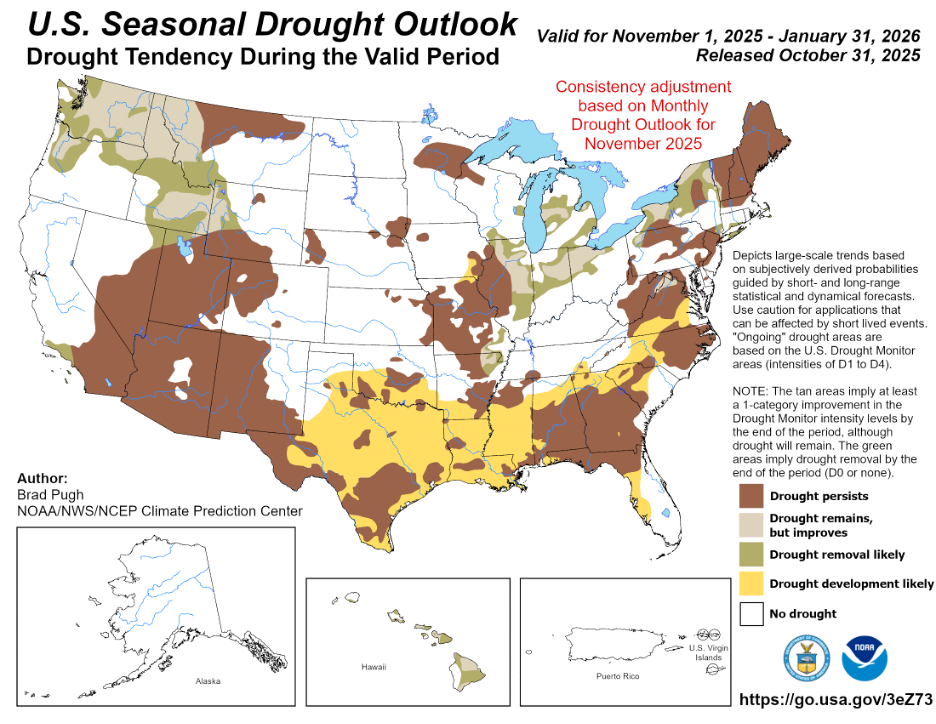
  • Drought conditions (D1–D4) increased to 33% of the state, up from 24% four weeks ago; statewide reservoir storage decreased to 73.9% full, down from 75.6% four weeks ago, about 6 percentage points below normal for this time of year.
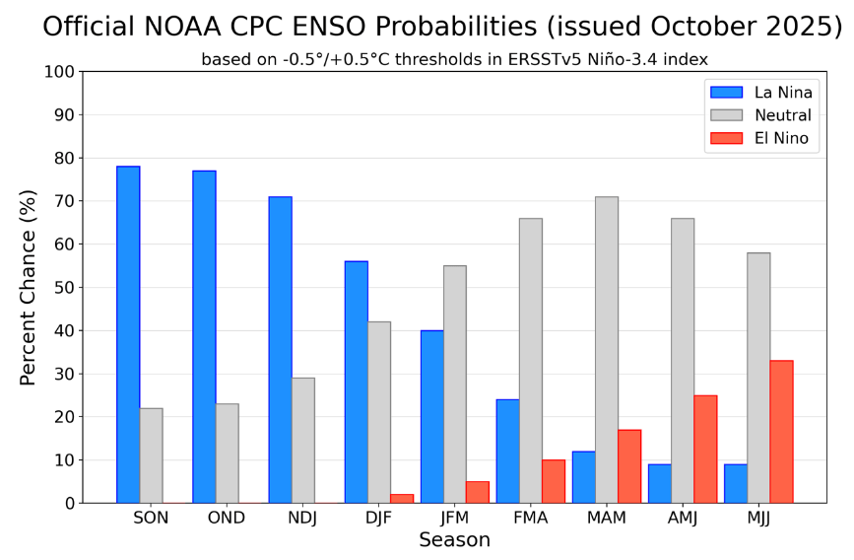
  • We are now a La Niña Advisory with a 55% chance of La Niña conditions continuing into the January-March season.
  • Most of the state is projected to be in drought over the next three months.

Isn’t it ironic that this last summer presented us with more than above average rainfall, yet not only is 33% of Texas in D1-D4 status, but our statewide reservoir storage is currently at 73.9%.  This becomes increasingly concerning as we watch La Niña take a firm hold with a 55% chance of La Niña conditions continuing into the January-March season.  Not only does this present challenging dormant season grazing management conditions, but wildfire will be at the top of rangeland manager’s concerns.

Bottom line, this winter will suck.  Get your game face on, dust off your drought plan, budget your numbers to see how late into winter/early spring your forage base can survive.  We will always remain optimistic, but we will also plan and prepare.  And with any rangeland management, we will remain adaptive holding strong to the grazing management and soil health principles guiding our practices and decisions.  For a comprehensive Wildfire Ready checklist, please click here and for our Preparing the Ranch publication click here.

Much appreciation to Robert Mace for his insight and wisdom in his outlook + water November 3, 2025 article found at: https://texaspluswater.wp.txstate.edu/.


Filed Under: Grazing Management, La Niña, Wildfire Tagged With: drought, Rangeland, wildfire

Lessons Learned – Pyro-Vortex Tornado on the Deer Creek Fire

November 12, 2025 by jaime.sanford

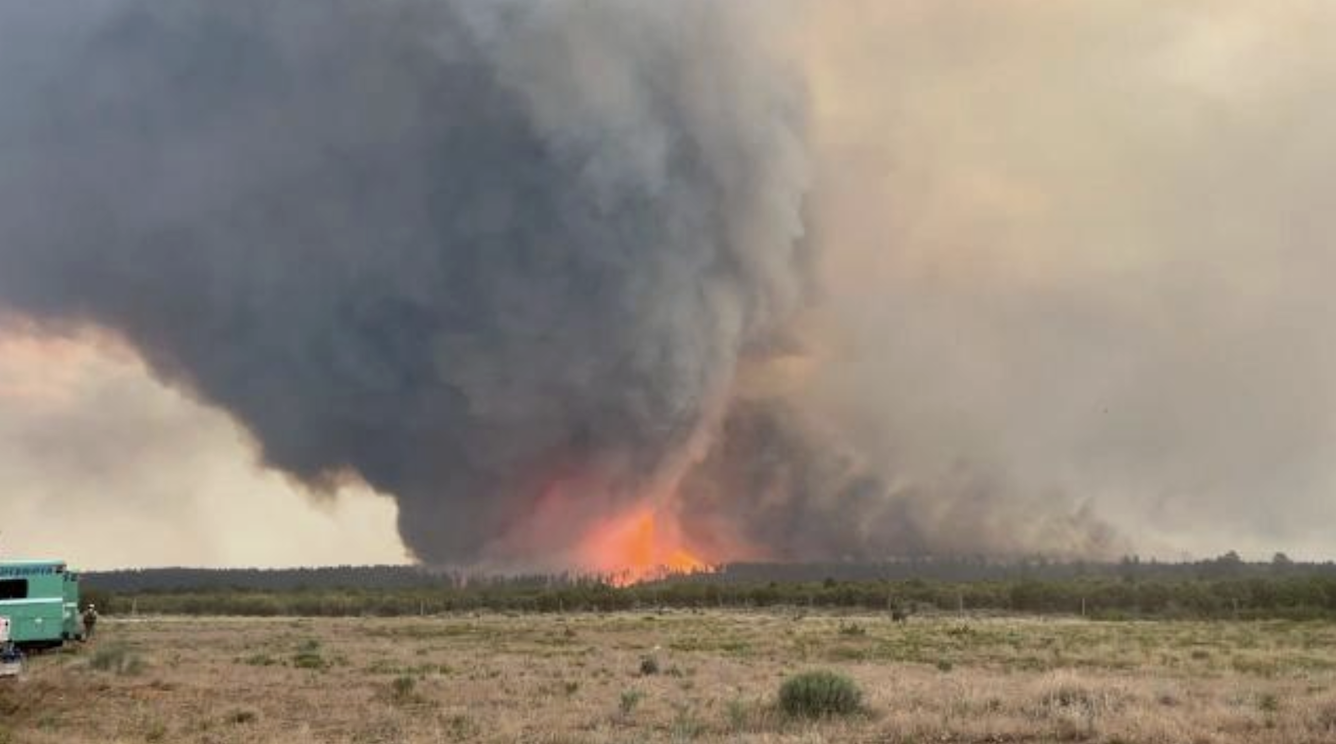
On July 12, 2025, firefighters on the Deer Creek Fire near Moab, Utah, experienced one of the most extreme and rare weather events in wildfire history, a pyro-vortex powerful enough to be classified as an EF2 tornado. With wind speeds reaching 111–135 mph, this fire-generated vortex caused significant structural damage and created life-threatening conditions for crews on the ground.

[Read more…] about Lessons Learned – Pyro-Vortex Tornado on the Deer Creek Fire

Filed Under: Lessons Learned

Mapping Fire Before It Starts: How the Fireshed Project Strengthens Readiness in West Texas

November 5, 2025 by jaime.sanford

Across Texas, wildfire seasons are growing longer and less predictable, and for landowners, that means planning ahead is no longer optional. The U.S. Forest Service’s Fireshed Registry offers a powerful new way to do just that.

[Read more…] about Mapping Fire Before It Starts: How the Fireshed Project Strengthens Readiness in West Texas

Filed Under: Prescribed Burning

Revegetation vs. Encroachment: Why There’s No “Silver Bullet” for Woody Plant Management

October 29, 2025 by jaime.sanford

Across the Great Plains and Texas rangelands, woody plant encroachment continues to challenge grassland health and productivity. A brand new study from Trejo-Perez et al. (2025) offers important insight into why some rangeland reseeding efforts fall short and what it really takes to keep trees and shrubs from taking over.

[Read more…] about Revegetation vs. Encroachment: Why There’s No “Silver Bullet” for Woody Plant Management

Filed Under: Woody Encroachment

Everything that reflects, is not gold

October 22, 2025 by jaime.sanford

On August 19, 2025, Secretary Rollins said “Our prime farmland should not be wasted and replaced with green new deal subsidized solar panels. It has been disheartening to see our beautiful farmland displaced by solar projects, especially in rural areas that have strong agricultural heritage. One of the largest barriers of entry for new and young farmers is access to land. Subsidized solar farms have made it more difficult for farmers to access farmland by making it more expensive and less available. We are no longer allowing businesses to use your taxpayer dollars to fund solar projects on prime American farmland, and we will no longer allow solar panels manufactured by foreign adversaries to be used in our USDA-funded projects.”

A new journal article from Bacon et al. (2025)  recently looked at effects of large-scale solar installations on rangelands, arid landscapes critical for grazing, biodiversity, and carbon storage, disruption of ecosystem services with immediate and long-term consequences. Based on a global assessment of solar park impacts (Hernandez et al., 2019) and new, summarized data from Bacon et al. (2025), we continue to documented, research-based cascading effects on biodiversity, soil, water cycles, and climate regulation, exacerbated by construction, operation, repairs, and eventual panel degradation.

[Read more…] about Everything that reflects, is not gold

Filed Under: Grazing Management, Sheep

Ten Years of Mesquite Application Timing…Spray a Healthy Tree or Wait Until 75F Soil Temperature?

October 15, 2025 by jaime.sanford

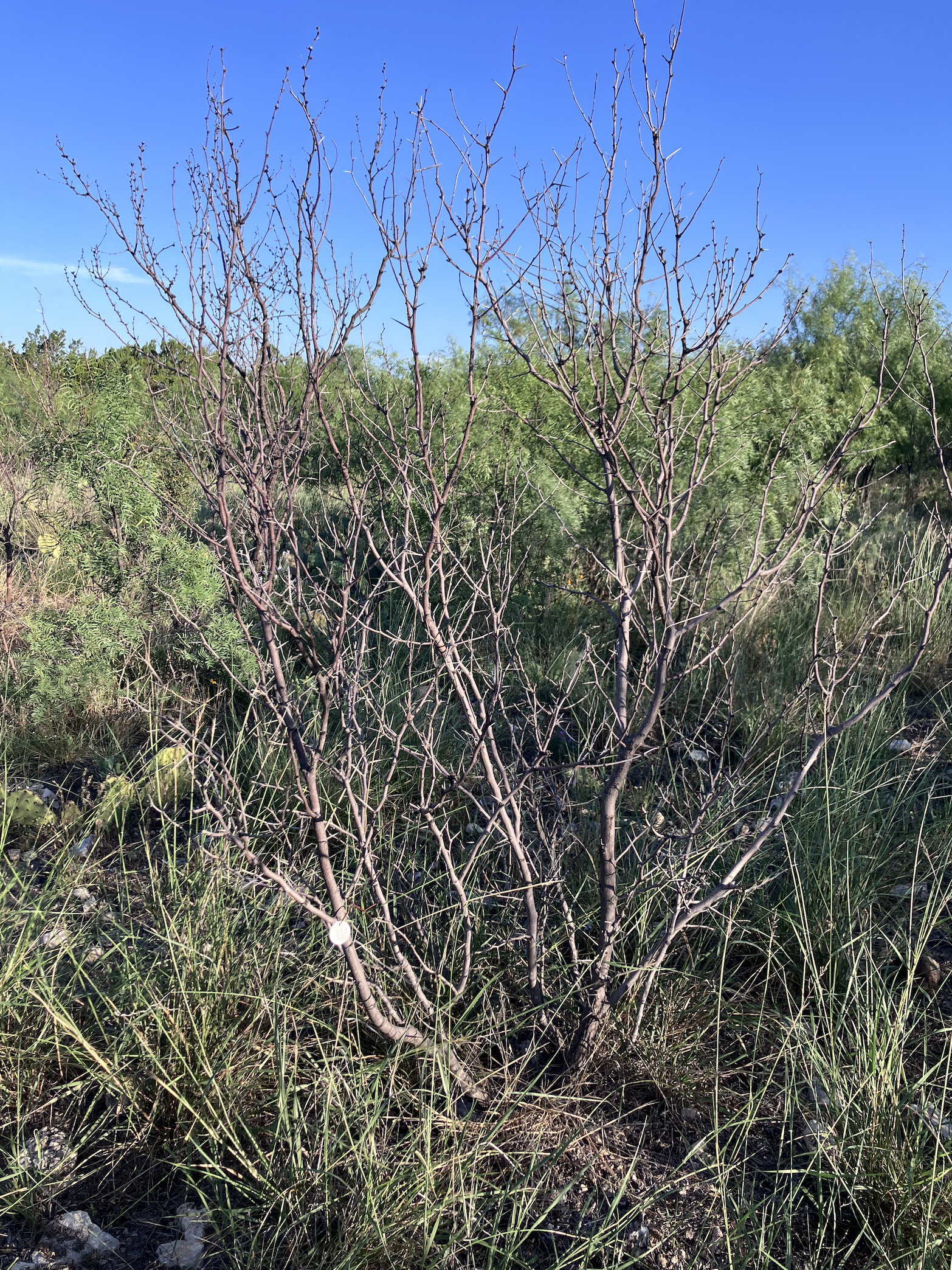
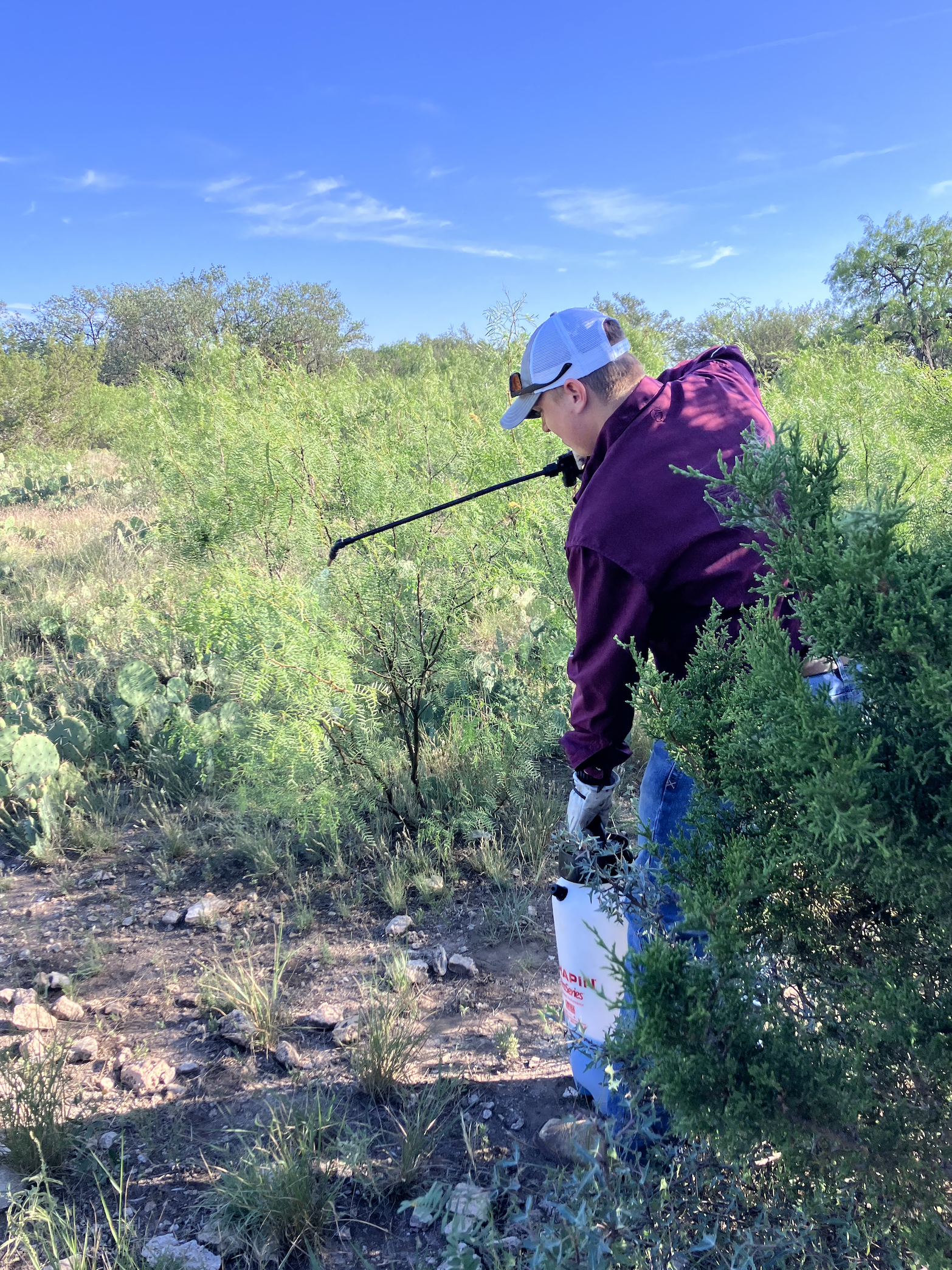
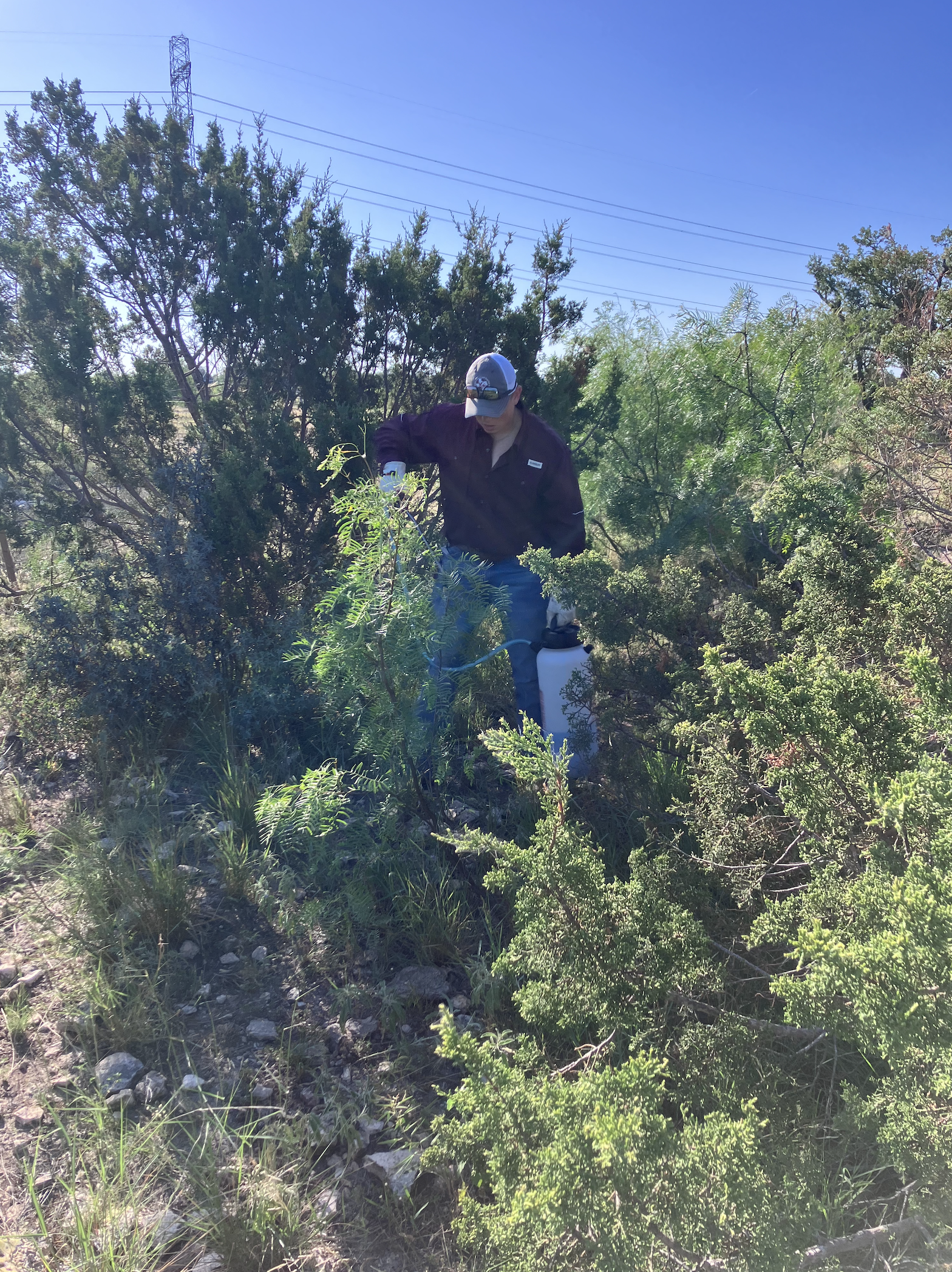
Mesquite (Prosopis spp.) is a tough, invasive shrub that plagues rangelands across Texas and beyond, outcompeting native grasses, reducing forage for livestock, and altering wildlife habitats. For ranchers aiming to boost grazing productivity, conservationists focused on restoring biodiversity, and wildlife managers enhancing quail or deer cover, effective mesquite management is key. But timing your herbicide applications, especially foliar sprays, can make all the difference. Drawing from a ten-year dataset spanning counties like Hamilton, Jack, Hood, Eastland, Comanche, Tom Green, and Schleicher, let’s explore how environmental factors like soil temperature influence mesquite mortality rates one and two years after treatment (YAT).


Insights from the Field Trials

This dataset compiled over 500 observations across 10 years from individual plant treatment (IPT), from 5 Texas counties, tracking percent mortality alongside variables such as soil temperature (12-inch depth), air temperature, and relative humidity. While individual results varied by site and conditions, clear patterns emerge when we aggregate the data.

  • Peak Performance in Late Spring/Early Summer: Applications in May and June yielded the highest average mortality—around 88% at 1 YAT and 92% at 2 YAT in May, dropping slightly to 85% and 86% in June. These months coincide with rising soil temperatures (averaging 70°F in May and 79°F in June), when mesquite is actively growing and translocating herbicides to roots more effectively.
  • Decline in Late Summer and Fall: By July and August, averages dip to 75% (1 YAT) and 66% (2 YAT) in July, further to 56% and 68% in August, despite warmer soils (82°F average). September through November show even lower efficacy, with November applications averaging just 3% at 1 YAT and 9% at 2 YAT—likely due to cooler soils (68°F) and plants entering dormancy.
  • Soil Temperature’s Role: While warmer soils are indicative of growing conditions, it is not the primary driver of plant mortality – IT’S THE TREE!!! There is no statistical significant difference between spraying below 75F and above 75F (P = 0.300) soil temperature at 12” depth.  These results emphasize that if the target tree is healthy, full leaf, and mature in phenology stage, it is ready to be sprayed!

Practical Tips for Your Operation

  • Target May-June Window: For most Texas regions, this period offers the sweet spot of active growth without excessive heat stress, grasshoppers or other insect damage, and hopefully before cotton is in the ground. Adjust for your county’s microclimate, e.g., earlier in southern areas like Tom Green.


By syncing sprays with healthy trees and peak growth, you can achieve higher kill rates, saving time and resources while promoting healthier rangelands. Whether you’re running cattle, promoting biodiversity, or managing for open-spaces, data-driven timing turns mesquite from foe to forgotten!!  Happy spraying and spray for the tree!  

*These data are currently being drafted for submission to Rangeland Ecology and Management.

Filed Under: Woody Encroachment

  • « Go to Previous Page
  • Page 1
  • Page 2
  • Page 3
  • Page 4
  • Interim pages omitted …
  • Page 22
  • Go to Next Page »

Recent Posts

  • Fire Field Day – Mason, Tx: A Hands-On Learning Experience for Landowners
  • The Long-Term Cost of Overgrazing—and How to Avoid It
  • Grazing Isn’t the Problem. Unmanaged Pressure Is.
  • What Your Rangeland Is Telling You: If You Know How to Look
  • When Does Grazing Become Overgrazing?

Categories

  • 4-H Range Contests
  • Beef Cattle
  • Brush Management
  • Carbon Credits
  • Carbon Markets
  • Conservation
  • Conservation Practices
  • Drought Management
  • El Niño
  • Events
  • Goats
  • Grazing Management
  • La Niña
  • Land
  • Lessons Learned
  • Meet A County Extension Agent
  • Plant ID
  • Podcast
  • Prescribed Burn Associations
  • Prescribed Burning
  • Publications
  • Range Concepts
  • RAP
  • Sheep
  • Society for Range Management
  • Soil
  • Staff
  • Targeted Grazing
  • Uncategorized
  • Water
  • Weather
  • Why I Ranch
  • Wild Pigs
  • Wildfire
  • Wildfires
  • Wind
  • Woody Encroachment
  • Youth Range Workshop

Archives

Texas A&M AgriLife Extension Service
Texas A&M University System Member
  • Compact with Texans
  • Privacy and Security
  • Accessibility Policy
  • State Link Policy
  • Statewide Search
  • Veterans Benefits
  • Military Families
  • Risk, Fraud & Misconduct Hotline
  • Texas Homeland Security
  • Texas Veteran's Portal
  • Equal Opportunity
  • Open Records/Public Information