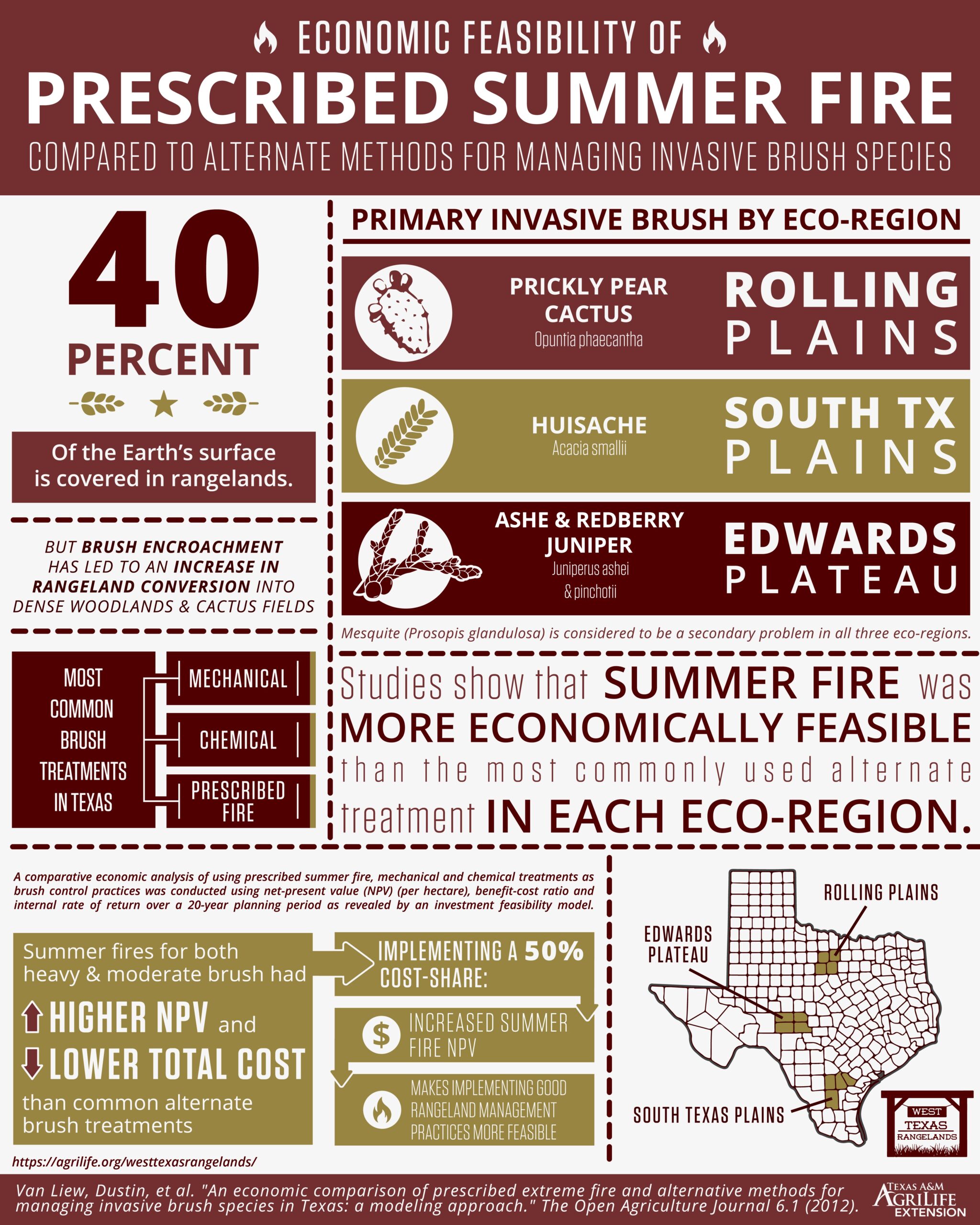
Did you know that 40% of the Earth’s surface is covered in Rangelands? However with the increase of brush encroachment, there has been an increase in conversion from rangeland into undesirable and unproductive species. In the Rolling Plains the primary invasive species focused on is prickly pear cactus, in South Texas Plains huisache is the primary focused species, and in the Edwards Plateau, Ashe & Redberry Juniper are of concerns. One fun fact, Mesquite is considered to be a secondary problem in all three of these ecoregions.
UTV Incidents Dominates 2023 Lessons Learned
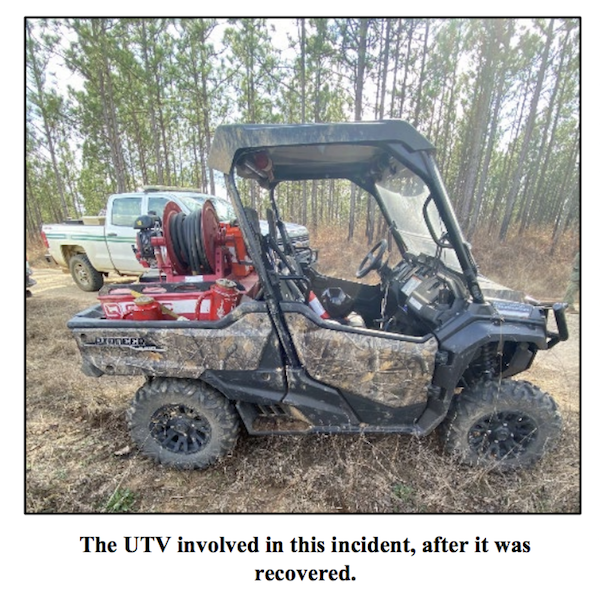
One of the big takeaways from the 2023 summary of incident reports from the Wildland Fire Lessoned Learned Center was the increase of UTV related incidents. Over the past 14 years, the most UTV related incidents in one year was 5. In 2023 however, there were 13 related incidents. The graph shows 15 accumulated years of UTV involved incidents, including rollovers, entrapments, equipment damage, and tree strikes.
[Read more…] about UTV Incidents Dominates 2023 Lessons Learned
Prescribed Fire as a Tool for Controlling Tick Populations in the Southeastern United States
Exotic Herbivores and Fire Energy Drive Standing Herbaceous Biomass but do not Alter Compositional Patterns in a Semiarid Savanna Ecosystem
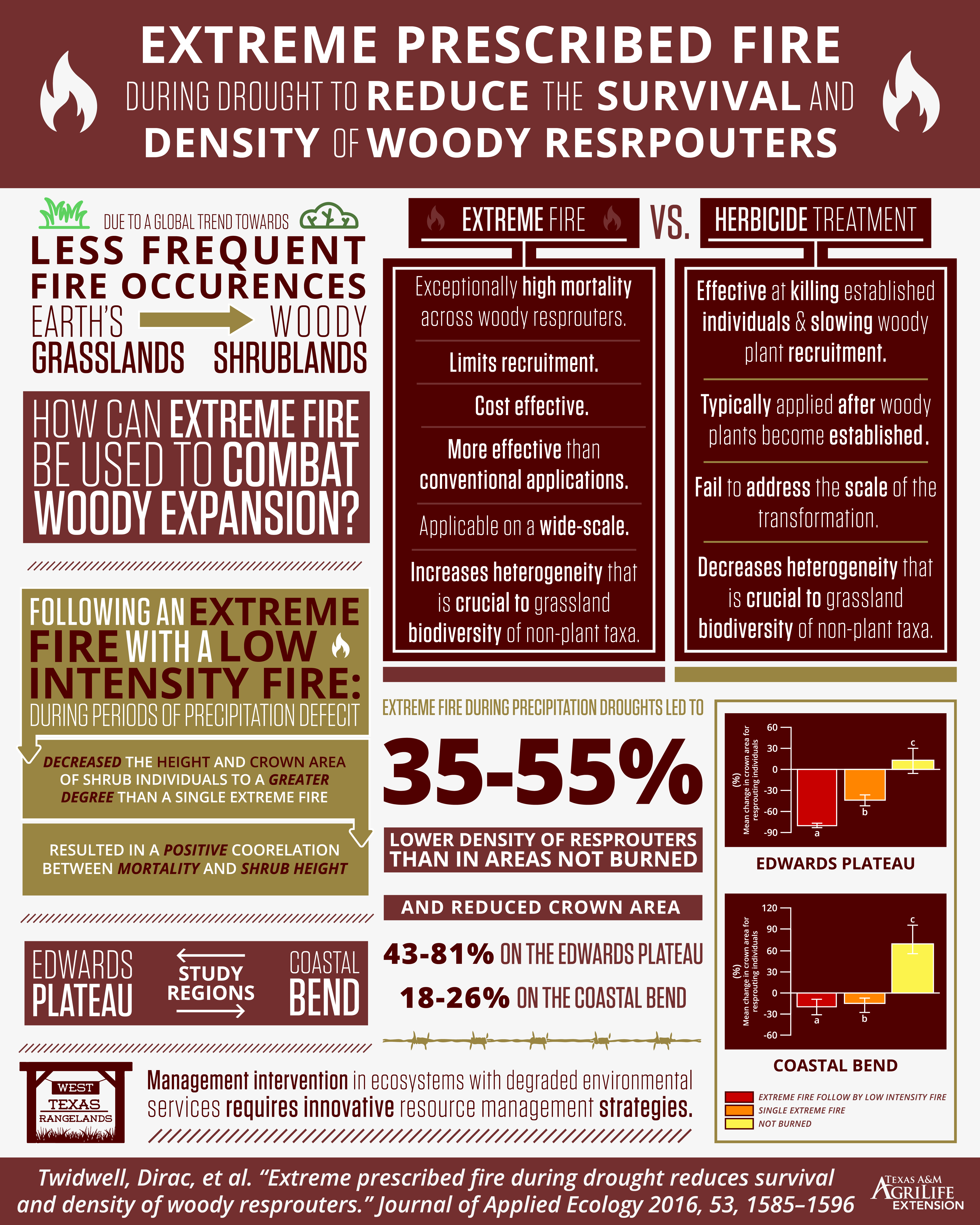
Did you know that fire regime alterations are pushing open ecosystems worldwide past tipping points where alternative steady states characterized by woody dominance prevail. The intensity and frequency of surface fires are reduced, limiting their effectiveness for controlling cover of woody plants. Grazing pressure can also reinforce woody encroachment by potentially reducing fine-fuel loads.
Valuable Lessons from Dubba Shop #2 Prescribed Fire in Florida
The Burn Boss (RXB2) for the Miccosukee Tribe in Florida and the Regional Fire Management Officer (FMO) for the Bureau of Indian Affairs, started looking for a burn window for the Dubba Shop #2 Prescribed burn.
[Read more…] about Valuable Lessons from Dubba Shop #2 Prescribed Fire in Florida
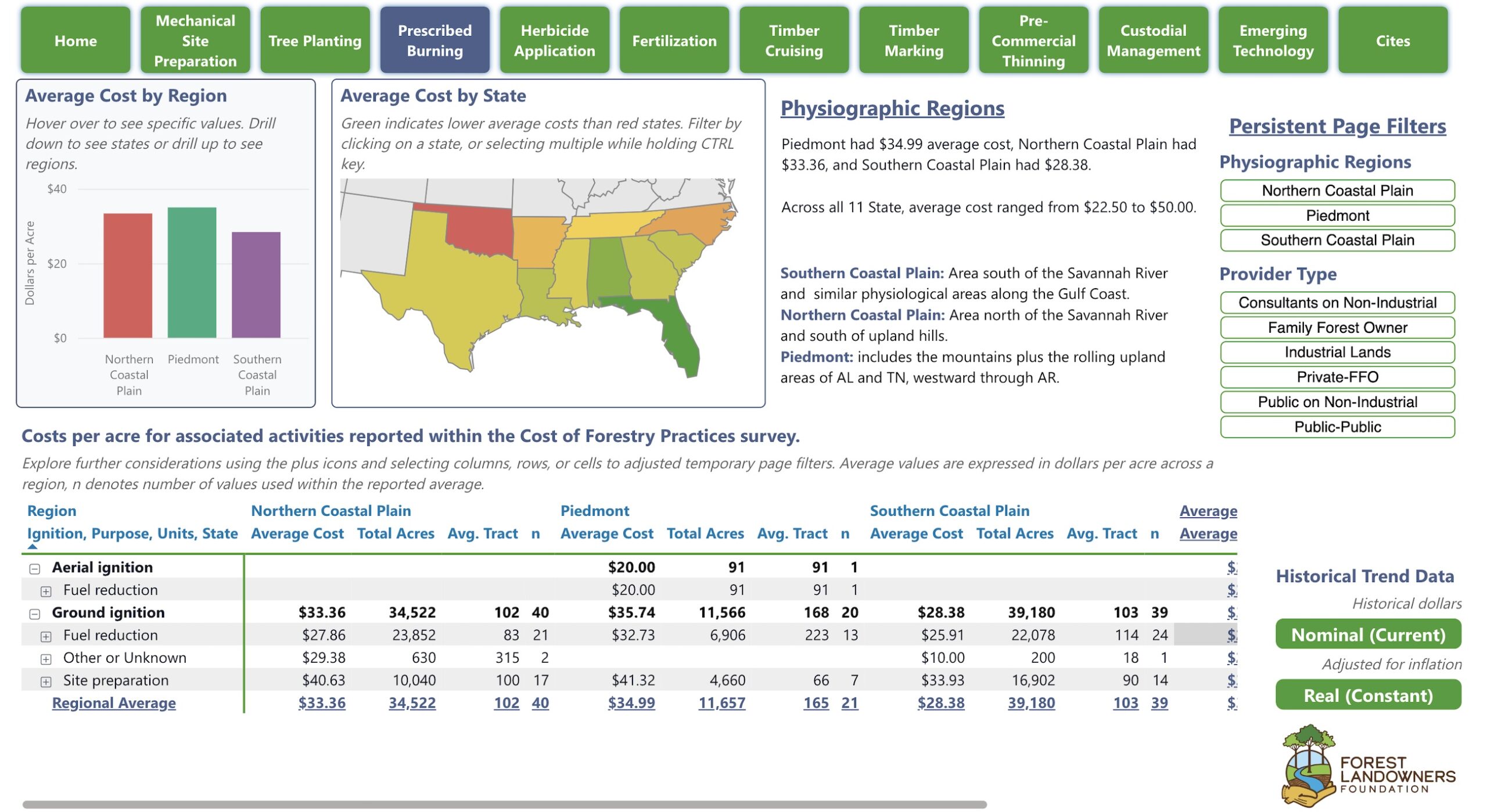
Analysis of the Cost and Cost Components of Conducting Prescribed Fires in the Great Plains
Fire is a naturally occurring process that was first applied by the Native Americans and continues today in the Great Plains by a diverse group of landowners. Fire is an incredible tool that is used to help restore fire regimes in the region. Not only is it used to restore fire regimes, it is also used to maintain and grow benefits for Agricultural outputs, risk reduction, and ecosystem maintenance.
USDA Expands Conservation Practices Qualifying for Climate-Smart Funding
At the end of October, USDA released an updated NRCS expanded list of practices and activities that are eligible for Climate-Smart funding through the Inflation Reduction Act. In addition, they added additional funding for the practices for the fiscal year 2024.
[Read more…] about USDA Expands Conservation Practices Qualifying for Climate-Smart Funding
Prescribed Fire Training 2024 SCHEDULED DATES
We have three upcoming fire events in 2024 that you will want to save the date for!
Prescribed Burn School
July 22-24, 2024
San Angelo, Texas
First up is our 2024 in-person, 24-hr Texas Department of Agriculture (TDA) curriculum approved Prescribed Burn School. This event will be held in San Angelo, Texas July 22-24, 2024 at the Texas A&M AgriLife Research Center (7887 US HWY 87 North San Angelo, TX 76901). Upon completion of this burn school, you will be able to evaluate fuels, describe fire behavior, plan a prescribed burn, identify proper equipment and safety techniques, mitigate smoke impacts, understand Texas laws and regulations, and evaluate potential burn sites. This school will include the field component implementing a prescribed fire (if conditions allow) and the opportunity to complete the TDA Certified and Insured Prescribed Burn Manager exam as a requirement to apply for the Certified and Insured Prescribed Burn Manager (CIPBM) license from the Texas Department of Agriculture. Any individuals who have completed the online Prescribed Burn School are welcome to attend the field day training and complete the exam (burn day and exam TBD July 22-24). 6 Continuing Fire Training Credits for TDA CIPBM license holders will be offered.
Fire Field Day
December 3, 2024
San Angelo, Texas
If you have completed the online Prescribed Burn School from AgriLife Learn and would like to complete the prescribed burn and take the TDA CIPBM Exam, this is an option for you! This will also be hosted in San Angelo, Texas at the Texas A&M AgriLife Research and Extension Center. 6 Continuing Fire Training Credits for TDA CIPBM license holders will be offered.
Great Plains Fire Summit
August 13-15, 2024
Canyon, Texas
Our last Fire event will be our Great Plains Fire Summit that will be held on August 13-15! This event will be held in Canyon, Texas. This Summit is an incredible, practical, and applied prescribed fire conference dedicated to all types of fire practitioners. 6 Continuing Fire Training Credits for TDA CIPBM license holders will be offered at the Fire Summit.
Be sure to save the dates on all three of these events. Registration and more information including detailed agendas are coming soon! For more information email Casey.Matzke@ag.tamu.edu.
Patch Burning Improves Nutritional Quality of Two Gulf Coast Grasses
Gulf cordgrass and seacoast bluestem are native warm season grasses that are found in the Texas Coastal Prairies and Marshes ecoregions. Mature Gulf cordgrass has a nutritional value that is considered poor for grazing animals while the seacoast bluestems nutritional value is considered fair to good in spring and early summer.
Haynes, V.L.; Avila-Sanchez, J.S.; Toomey, A.E.; Ortega-S., J.A.; Campbell, T.A.; Ortega-S., A., Jr.; Rideout-Hanzak, S.; Wester, D.B. Patch Burning Improves Nutritional Quality of Two Gulf Coast Grasses—And Winter Burning Is Better than Summer Burning. Fire 2023, 6, 105. https://doi.org/ 10.3390/fire6030105
[Read more…] about Patch Burning Improves Nutritional Quality of Two Gulf Coast Grasses
Oak Woodlands Fire Science Curriculum
Did you know that Oak Woodlands and Forests Fire Consortium has developed science lessons tailored for grades 9-12 which focus on region-specific fire ecology. These lessons and materials can be downloaded and then adjusted by the educator based on their region.