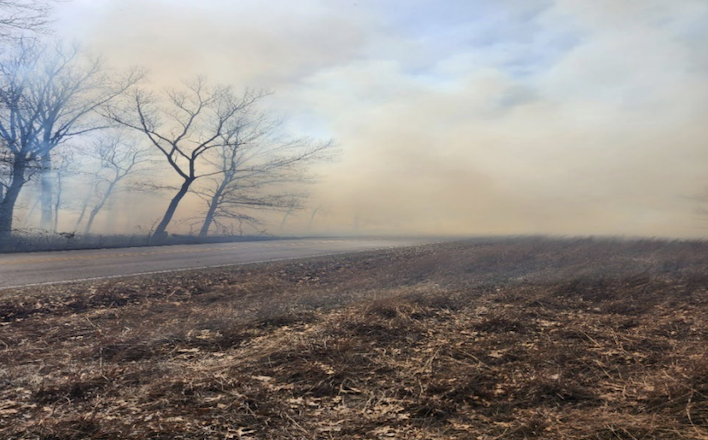
For centuries, fire has been a natural and essential part of Texas ecosystems. Before modern fire suppression, grasslands and forests across the Southeast and into Texas grasslands burned routinely—some every 2 to 10 years. These natural fire regimes kept resprouting trees and understory brush in check, enhanced wildlife habitat, and sustained resilient, productive rangelands.
But decades of fire suppression have come at a cost. Without fire, woody plants like ashe juniper and eastern redcedar creep across pastures. Native grasses struggle to compete and are choked out. Wildlife habitat declines due to unbalanced monocultures and loss of species richness. And volatile fuel builds up, making wildfires hotter, longer,, and harder to control.