• Skip to primary navigation
  • Skip to main content
  • Skip to primary sidebar
  • Texas A&M Forest Service
  • Texas A&M Veterinary Medical Diagnostics Laboratory
  • Texas A&M AgriLife Extension Service
  • Texas A&M AgriLife Research
  • Texas A&M College of Agrculture and Life Sciences
West Texas Rangelands
West Texas RangelandsWe hope to provide a variety of science-based rangeland information and current research on prescribed fire, wildfires, brush management, and grazing management!
  • Menu
  • Home
  • About & Contact
  • Publications
    • Extension Publications
    • Refereed Journal Articles
    • Program Summaries
  • Events
  • Lunch N’ Learn
  • Infographics
    • Drought
    • Grazing
    • Herbicide
    • Prescribed Fire
    • Rangeland Plants
    • Wildfire
  • Range Resources
    • Published to Pasture
    • Range Concepts
  • Fire Resources
  • Sponsors
  • AgriLife Learn Online Courses

Why I Ranch…

October 24, 2017 by morgan.treadwell

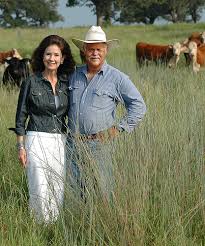
Frank and Sims Price Ranch

In 2012, Price Ranch was recognized for their range management when they were presented the Outstanding Rangeland Stewardship Award by the Texas Section, Society for Range Management and Texas and Southwestern Cattle Raisers Association. And it was recognized as a 2013 regional Environmental Stewardship Award Program (ESAP) winner during the 2013 Cattle Industry Summer Conference.
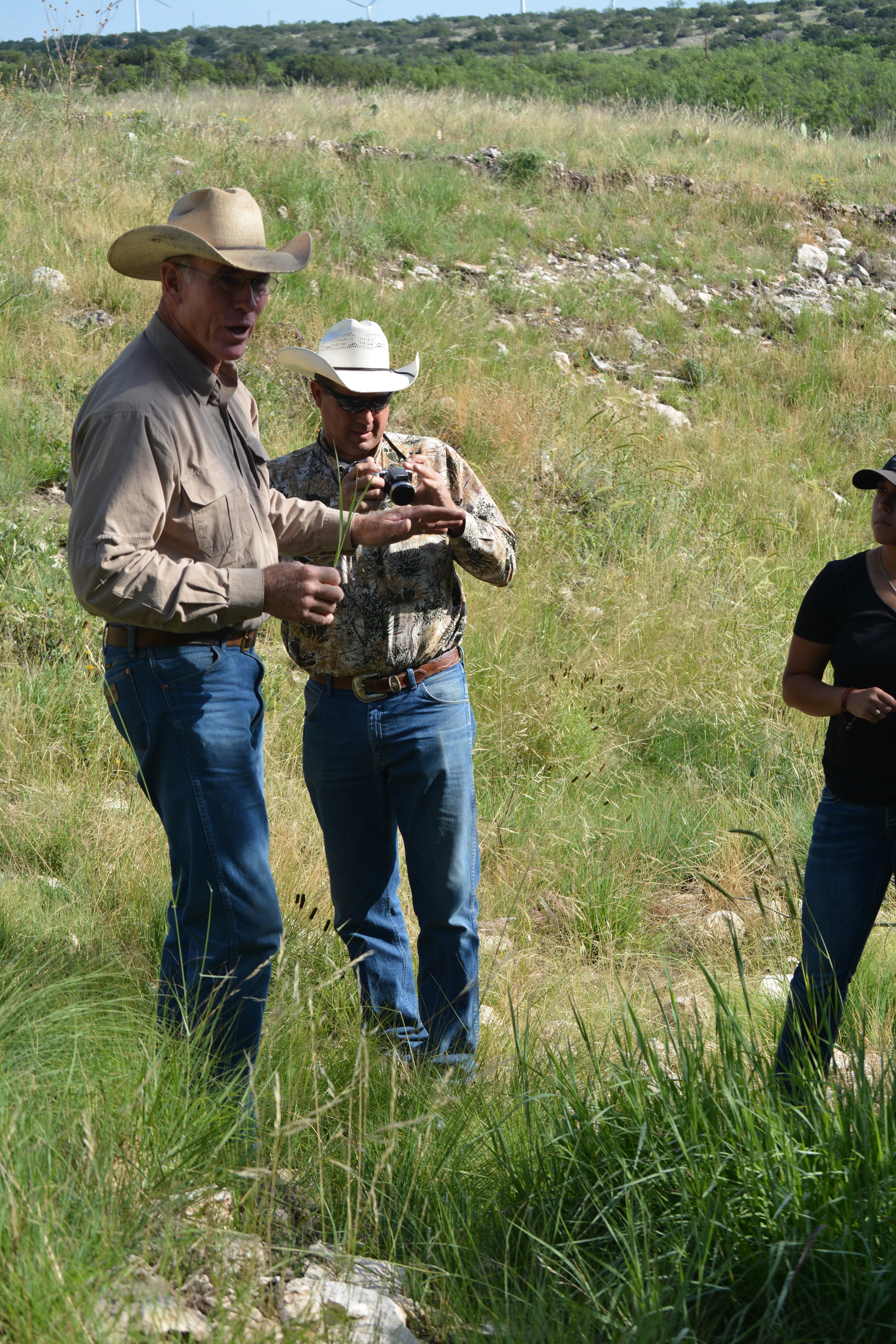
How did you get your start in ranching? The Price family began ranching in 1876. Frank Price has managed his family’s ranch for 40 years, first in partnership with his father, and then in partnership with his son Sims in 2011. Together, they run their cow-calf operation on 68,000 acres. Sims and his wife Krista are the fifth generations of Prices on the ranch, which they operate in four counties. The ranch operates with three primary income enterprises including sheep, cattle, and hunting. 

How important is agriculture to your family?  The Price family has two primary goals. First, the ranch is operated as a separate business, self-sustaining, and is expected to show an annual profit. Second, but equal, their goal is to leave their natural resources in the best possible condition for the next generations.The family is dedicated to these goals. They have recently started using Environmental Quality Incentive Program (EQIP) dollars to make continuous improvements to the ranch, and they also use controlled and prescribed burning to their benefit by adjusting their livestock grazing charts to include speed of moves, flash grazing, animal density and total deferment.

What makes ranching in West Texas so unique? In a normal year, they receive 18 inches of rainfall. These last two years have been abnormal, with exceptional drought and devastating wildfires, particularly in their area,” said Texas and Southwestern Cattle Raisers Association President Joe Parker, Jr. “Even though they had to reduce their herd to protect their land, they still found lessons in flexibility during the adversities. The Price family’s experiences with wildfire lead them to be a leading voice in Texas on inter-agency cooperation in fighting wildfires. We are glad to have his practical and sound leadership in such an important area.” The father-son partnership at Price Ranch represents the fourth and fifth generations of Prices to ranch in west Texas.

Filed Under: Brush Management, Grazing Management, Prescribed Burning, Why I Ranch Tagged With: ESAP, family, ranching, Rangeland, West Texas

Outside the Fire – Wesley Evans, Regional Fire Coordinator, Texas Parks and Wildlife Dept.

November 23, 2016 by morgan.treadwell

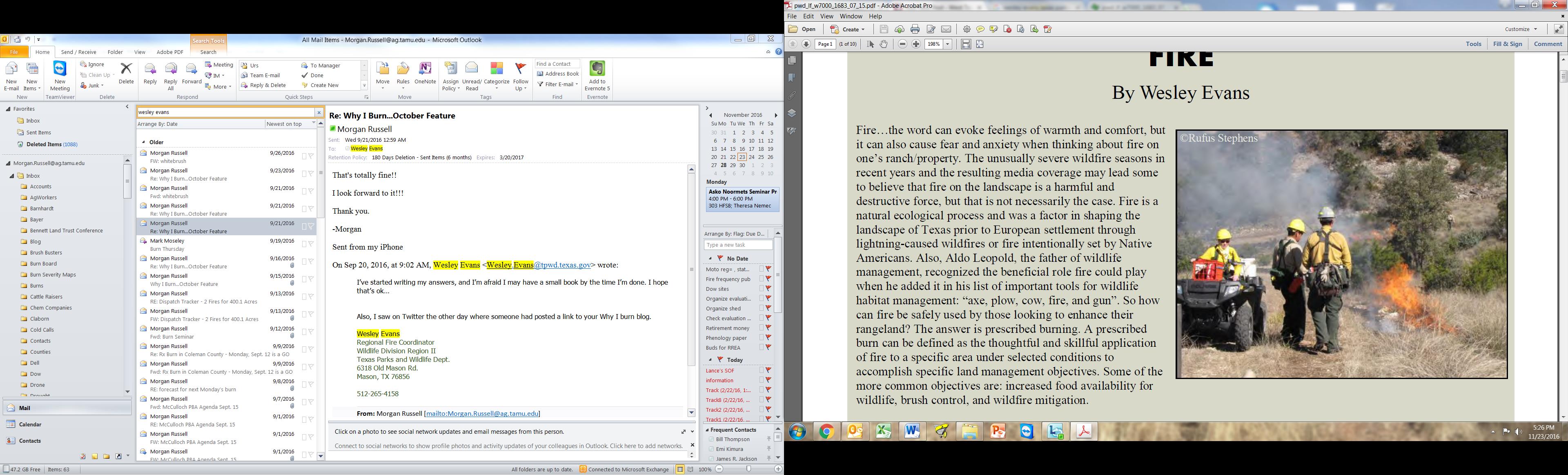
This November we are featuring Wesley Evans, Regional Fire Coordinator for Texas Parks and Wildlife.  Wesley is based out of Mason, Texas and I have never met a more dedicated and caring individual for the stewardship of prescribed fire.  Wesley is super cool and he has my #1 favorite quality in prescribed burning practitioner – HE GET’S IT!  Meet one of my favorite TPW people, Wesley Evans…


tpwHow did you get introduced to fire?
I more or less lucked into fire. After graduating college, I didn’t have much direction or job prospects – I was literally sleeping on my buddy’s couch. One of my friend’s cousins was a District Fire Management Officer for the US Forest Service and she called me letting me know that they were going to have some firefighter jobs opening up soon and that I should apply. I applied and was hired on the Rolla Ranger District of the Mark Twain NF. The job was only a six month position, but only after a few weeks of prescribed burning and fighting wildfires I was hooked. As that job was starting to wind down, I began applying for fire positions all over the country. I was offered a position with the US Fish & Wildlife Service at Balcones Canyonlands NWR in the summer of 1999. I took the position, which turned out to be for a crewmember on a Prescribed Fire Module that would travel all over Texas (and the rest of the US) burning. The rest, as they say, is history. After 14 years with the USFWS, I moved to my current position with Texas Parks & Wildlife – still travelling and burning, but now just throughout Texas.

Do you make special plans for fire in your management plans well in advance, or take advantage of good fuel and weather conditions as they come? I try to find a way to do both. Weather is highly variable, so trying to plan a burn well in advance is most often an exercise in futility. I’ve found that the best approach is to take advantage of those good fire weather days as soon as possible because you might not get many more opportunities in a given burn season. This was relatively easy when I worked for an agency that had dedicated fire staff and equipment. With that being my only frame of reference for many years, I always that just thought that was the way it was done. The last few years in my new job working with private landowners, PBAs, and other agencies has shown me that this approach was the exception rather than the rule. While I was used to deciding to burn a particular unit the day before, I quickly learned that that’s more than often not possible in the “real world”. Now, I have to work through the same challenges that everyone else does in trying to balance prescribed burning with everything else we have to do. So how do I plan well in advance yet still take advantage of those good fire conditions? The very first thing is to set expectations from the start of the planning process. The more flexibility we can set in the burn plan, the more chance of success in both meeting the management goals or even getting a chance to burn. I try to dissuade my landowners from picking one specific day well in advance to burn. Sometimes it’s just the way it has to be, but I would much rather plan for a 3-5 consecutive day burn window during burn season or several days throughout the season. Planning to burn on January 22 really paints you into a corner and limits your flexibility. I’d rather see something like planning on burning January 20-23 and then picking a specific day once we are about a week out when the weather forecasts are a little more accurate. I’ve also had success with planning on burning on several days spaced out over time, such as Fridays in February. Breaking up a burn area into several smaller units and not just one large unit can also help to take advantage of those “just right” burn conditions and also allow for success if the burn day is marginal, but the people and equipment are available and ready to burn. More often than not it will take less people to burn a smaller burn unit, so it may be easier to get enough folks to burn 50 acres on short notice rather than 400. Along those same lines, if we have planned on a burn day in advance and the weather isn’t right for burning the whole unit there may be possibility to burn a smaller area. If the RH is too high, can you burn a small portion to make a blackline or buffer? If the wind direction isn’t good for the whole unit, can you still burn part of it that won’t smoke out your neighbor or that highway? I had one larger burn planned well in advance when we were going to have the proper amount of people and equipment, but it ended up snowing that day. We were still able to take advantage of having everyone there by burning piles that were along the edge of the burn unit, making burning the large unit much easier. I also try to make my prescriptions as broad as possible to take advantage of “marginal” burn days. For example, higher winds can offset higher RH and still produce adequate fire behavior to meet management goals. Having really good fire breaks can also let you take advantage of those marginal days on the other end of the prescription. I’m much more comfortable burning under hotter and drier conditions if we have nice and wide fire breaks down to mineral soil and no brush or volatile fuels close to the line. The bottom line is that building flexibility into the planning process and the burn plans will allow more success. This can also help in avoiding those situations where you may get stuck trying to burn under marginal conditions and either not meet management objectives OR have the fire get away.

What’s the hook for you on fire? I think there has been three different stages of my fire career, each with their own hook. When I first started, I loved prescribed fire because it was fun, exciting, and allowed me to travel. What 22-25 year old guy wouldn’t love traveling all over the country dragging a drip torch or working on a fire engine, right? After several years of this, fire is still exciting and fun but not the main reason that I enjoy prescribed burning. About 8 years ago I would have probably said that I burned just because it was a job, but looking back on it that’s not the case. At that point I loved prescribed fire because of the challenge/problem-solving aspect of it. I enjoyed (and still do) being given a difficult assignment on a burn and trying to find the best and safest way to complete it was the hook for me. Now, the main reason I love prescribed fire is that I can teach people about prescribed fire. When we assist a landowner who has little to know experience with fire (or who’s only experience is with wildfire) and show them what a properly planned and executed prescribed fire looks like, the reaction is always the same – “that wasn’t that bad/scary. I think that’s something we could do.” I love that. Or when you can see the light bulb come on as someone is doing something as simple as operating a drip torch. That’s the hook for me. I’ve seen it time and time again and it doesn’t matter who it is. Young or old, man or woman. At first they are timid, walking slow maybe even holding the torch with two hands. At the end of the day they are slinging that torch like a hotshot and showing others how to do it. That’s the hook for me now. I still enjoy the fun, excitement, and challenge – but the teaching/mentoring is what motivates me to keep burning.

In your opinion, what makes a successful fire? First of all, it’s a successful fire when everyone gets home safe (that’s probably the wildland firefighter in me). If we managed to keep all the equipment running and didn’t break anything, that’s a plus. I also think it’s successful if everyone involved learned something on the fire. It doesn’t really matter what they learned – as long as they learned something. It can be about fire behavior, specific firing techniques, weather influences, how a particular fuel burns, the planning process, etc. Even if someone learned that they don’t really care for burning and it’s not the tool for them, that’s still an important thing to know. A burn is also successful if we can put a column of smoke up in the air and it doesn’t result in a ton of calls into 911, worried neighbors, etc. This is really important in the wildland-urban interface. Getting communities more comfortable with prescribed burning is vitally important in growing the fire culture here in Texas. The last measure of success for me is meeting the management objectives. If we can be successful in all of the ways above and still meet objectives, than I’d consider a burn to be fully successful. If objective aren’t met yet everyone is safe, folks learned a thing or two, and we promoted the fire culture a little in the area – I’m still more than pleased.

Who in your burn circle/crew would you never burn without?  That’s a tough question just because I burn in so many different places with so many different folks. In most cases, I will do a burn on one ranch or with a cooperator and then on the next burn I do there will be a whole new set of people. I suppose it is one disadvantage of my job that I’m not able to burn with the same people every time. If you do 30 or 40 burns with someone, you get to know how they think and are able to predict their thoughts and actions somewhat. It’s like playing pick-up basketball. You play with the same bunch of guys for long enough, and you start to know each one’s tendencies and strengths/weaknesses. Then you go to a different court or gym and have to learn it all over again. In the second situation, you can only be successful if there is plenty of communication and everyone is willing to work with each other. Seems to me that’s about the same as a burn crew. Our staff here at TPWD are very well trained, so even if I’ve never burned with one of our employees or even just met them – I know that they have been trained to the same standard that we all have and know the basics. I’ve always had positive experiences burning with the PBAs as well. The wealth of knowledge and experience in all of the burn associations I’ve worked with is such that I’m comfortable on those burns even if I’ve never met some (or most) of the folks on the burn. So, I guess an answer to the question is that there isn’t anyone that I wouldn’t burn without. I don’t really have that luxury. As long as everyone is willing to learn and communicate, I’ve always had good experience with all my burn crews – even complete strangers.

Thank you Wesley for all that you do for prescribed burning on Texas rangelands!

Filed Under: Brush Management, Prescribed Burn Associations, Prescribed Burning, Uncategorized Tagged With: fire, prescribed burning, RX Fire, texas parks and wildlife

Jimmie Powell – Thee Man

November 10, 2016 by morgan.treadwell

Mr. James L. Powell accepted the Foy Proctor Memorial Cowman’s Award of Honor in Midland last week and some of the greatest stories of West Texas were shared.

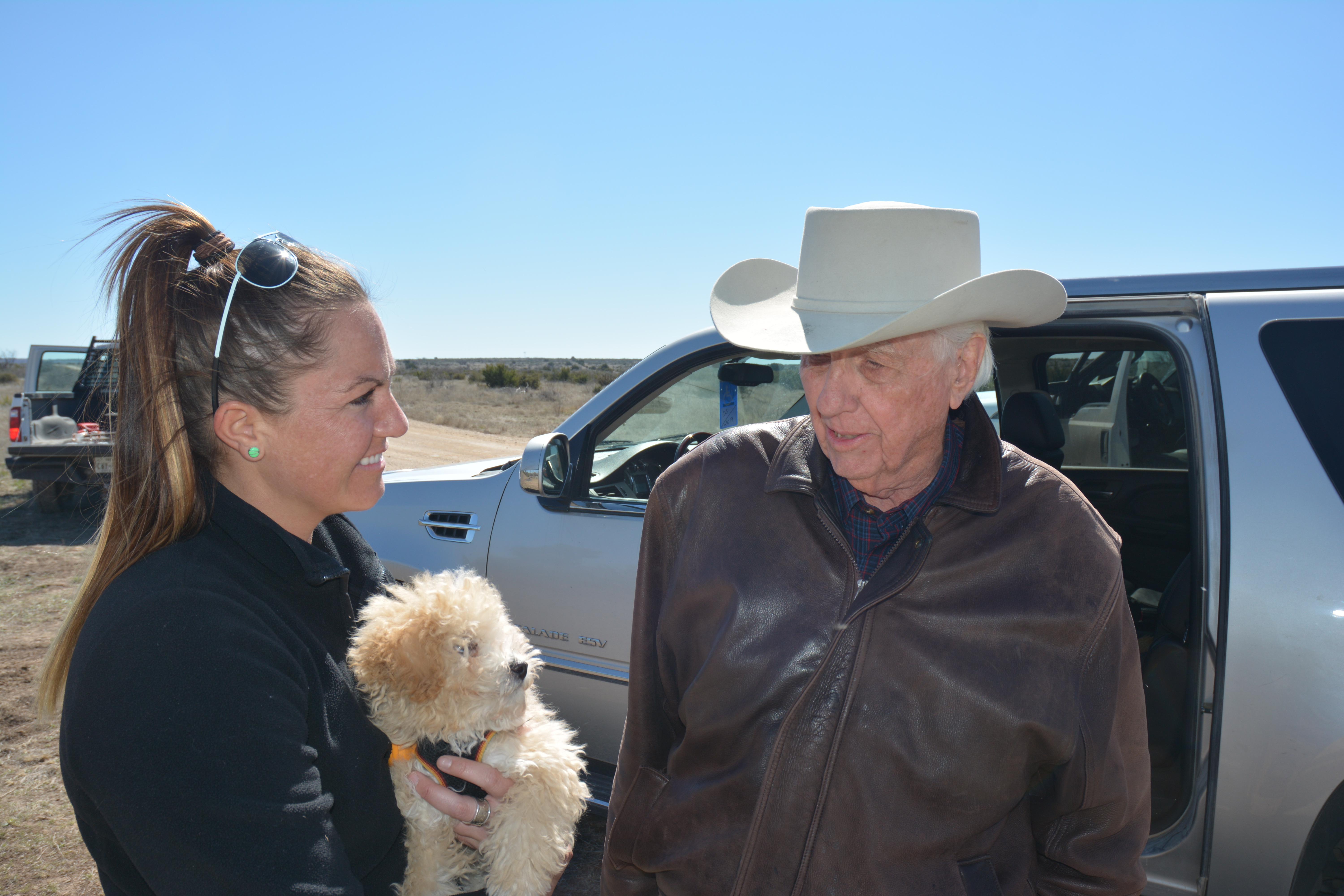
I first met Mr. Powell on a prescribed burn south of San Angelo and the man is just cool.  He is humble, gracious, hard-working, not to mention, a legend. He even has his own chapter in the Texas Cattle Barons book.  But in my book, he is right up there with John Wayne and other cowboy heroes. img_5557

The following is a story he told while at the 20th Fall Gatherin’.

“WWII was underway and all the cowboys who were in their 20s had been drafted if they hadn’t already enlisted.  We were rounding cattle in Reagan and Crockett County.  It encompassed about 64 sections.  The corrals where they loaded the cattle on the train were right in the city limits of Big Lake.  Back then we gathered the calves and weaned them as we worked a pasture.  We had all the calves grouped in a four-section pasture leading in to the corrals.  Now keep in mind it was just myself, my dad, and the foreman on that place and three boys that my dad got out of school that day.  We were handling about 400 head of fresh weaned calves, and we had started mov
ing those calves up the fenceline.  We had them grouped up on the north fenceline about a mile or so from the pens, and about the time they got those calves to the corrals, the train came by.  That engineer blew his whistle three or four times, and there was no way in the world we could hold those calves together.  They went between us and under us and before we knew it they were scattered all over that pasture again.  I know if my father could have caught that engineer, he would have talked to him about that.”

Filed Under: Brush Management, Grazing Management, Prescribed Burning Tagged With: cowboy, ranching, rangelands

Dr. Jake Landers’ Thoughts on Mesquite

November 9, 2016 by morgan.treadwell

Dr. Jake Landers morphed into a Range Father of mine overnight.  The second I met him he was my hero.

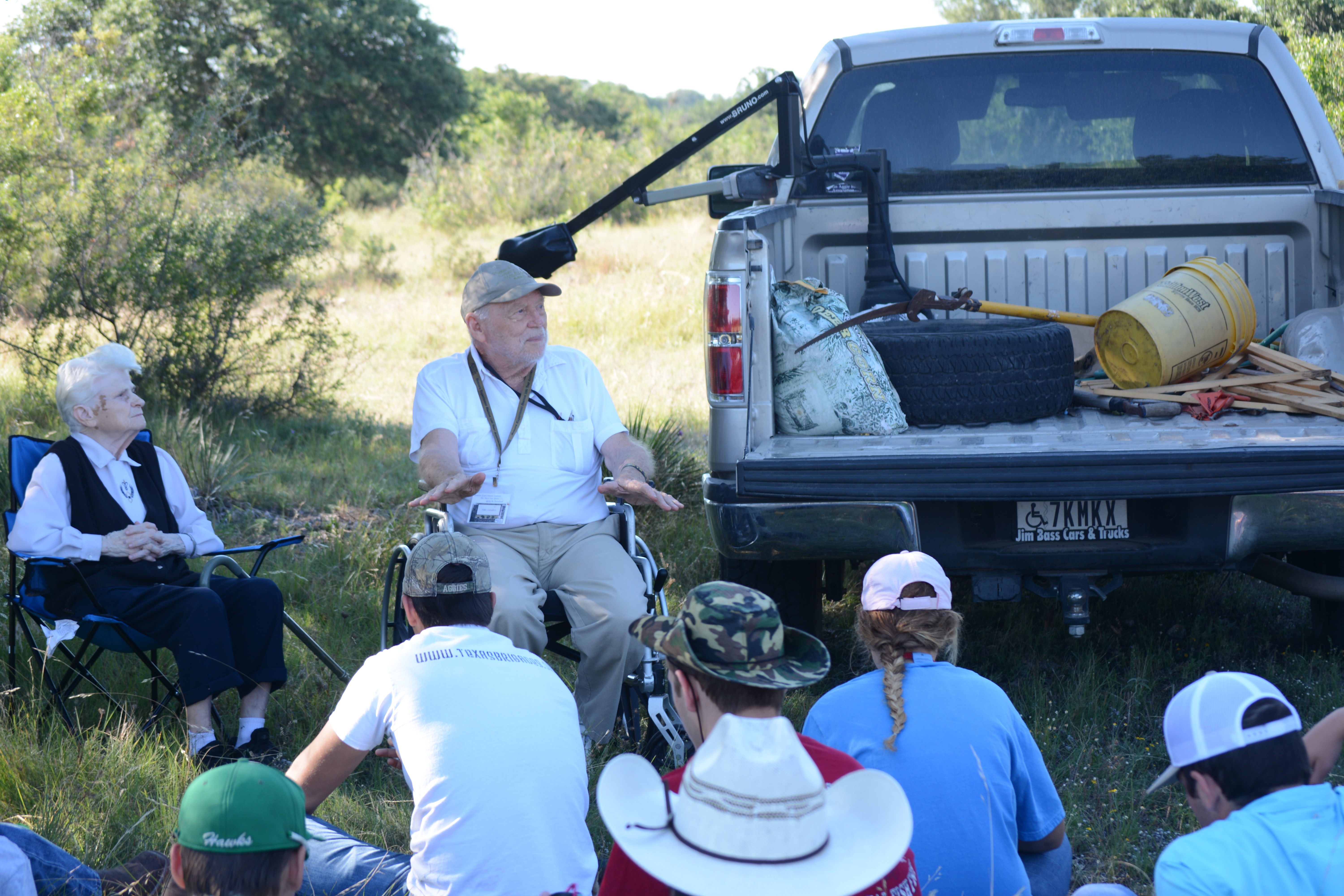
Dr. Jake Landers served as an Extension Range Specialist at the Texas A & M Research and Extension Center, San Angelo in 1979.  He developed techniques and procedure for individual plant treatment of brush and prickly pear cactus for ranchers in 17 counties.  He initiated prescribed burning as a procedure for managing rangeland to reduce undesirable species and stimulate grasses.  He wrote short articles for newspapers and magazines and continued writing after his retirement from the Extension Service.  He was recognized as the outstanding person in Range by the Texas Section of the Society for Range Management in 1990 and Sustained Lifetime Achievement Award by the parent society in 2016.

dsc_0806

Below, are Dr. Lander’s thoughts on mesquite.  Have a laugh, enjoy the irony, and appreciate the life-long hobby of brush management 🙂

“SOME OF MY DEEPEST THOUGHTS, SOME ON MESQUITE

  1. People who have a kind feeling toward Mesquite, by and large, have not had to make a living on Mesquite-covered rangeland.
  2. Mesquite trees, like West Texas ranchers, have roots deep in the land where we tend to admire and respect tenacity.
  3. Mesquite on rangeland reminds me of athlete’s foot; you can live without treating it for a long time, even a lifetime, but it is aggravating, and it tends to get worse if ignored.
  4. Mesquite shade is a poor excuse for shade.
  5. In a forest of Mesquite trees, none of them grow straight.
  6. The inside of a Mesquite tree when polished is prettier than the outside, unless it’s rotten.
  7. The smell of meat cooking over Mesquite wood coals is as pleasurable as opening a fresh can of your favorite coffee.
  8. I’ve never chewed on a Mesquite bean that I really liked, but it gives you something to do if you don’t have tobacco.
  9. Mesquite doesn’t seem to have any enemies except humans.
  10. A wooden nickel made of Mesquite is worth a lot in China, I’ll bet on it.
  11. If we came up with a sure-fire, cheap method of killing Mesquite, there would be at least one rancher who would complain about losing the beans for his cows during the next drought.
  12. I started making wooden nickels out of Mesquite to get rid of it, now I might have to replant some or borrow from my neighbors.
  13. I keep a few old Mesquite trees just to grow beautiful Mistletoe for Christmas decorations.
  14. Goats have been bred up to consume Cedar, why not breed up a llama to eat Mesquite leaves.
  15. There’s no thorn like a Mesquite thorn; it even hurts when you pull it out.
  16. When Algerita berries don’t make a crop, the Mockingbirds have to depend on Mistletoe berries on Mesquite and Hackberry.
  17. I almost disabled my pickup hitting a Mesquite stump hidden in the grass that grew after the tree was cut down.
  18. If you cut down a Mesquite and don’t paint the stump to keep it from sprouting, you are not going to Heaven when you die.
  19. Real old Mesquite are as rare as real old people, a tiny percent of the whole population.
  20. You would think there would be a disease like Oak wilt that could wipe out Mesquite.”

Thank you Dr. Landers!

Filed Under: Brush Management, Grazing Management, Plant ID Tagged With: AgriLife Extension, brush control, Dr. Jake Landers, Rangeland

Outside the Fire with Jeff Goodwin

October 25, 2016 by morgan.treadwell

This October we are featuring Mr. Jeff Goodwin, Range and Pasture Consultant Agricultural Division with the Samuel Roberts Noble Foundation in Ardmore, OK.  Jeff is a Texas man, but more importantly he is a fire man who promotes the responsible and practical use of fire on rangelands.

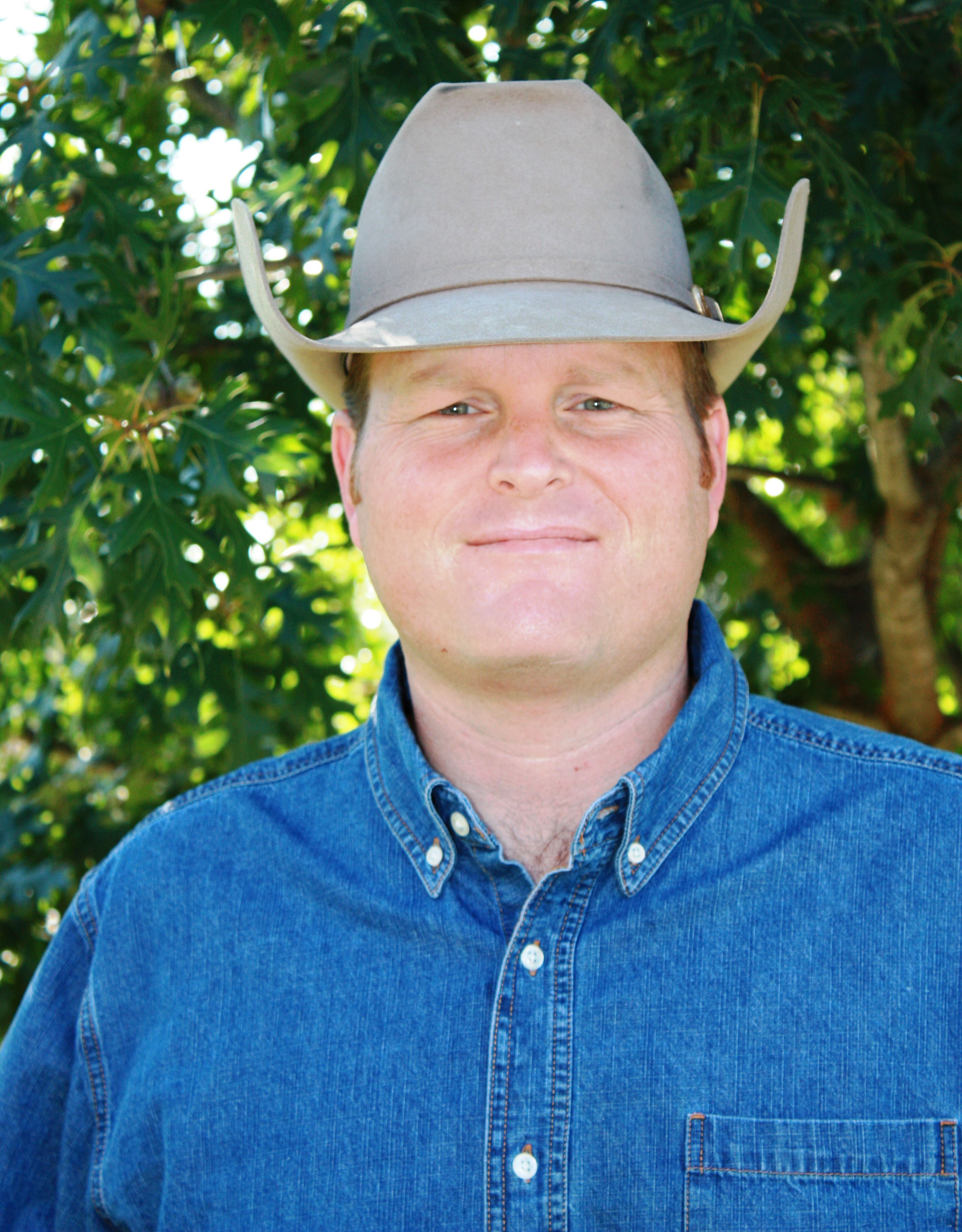
How did you get introduced to fire?  I got introduced to fire as an undergraduate at Tarleton State goodwin-picUniversity’s Range and Ranch Management program. After graduate school, I had the opportunity to work with Dr. Bill Pinchak and Dr. Jim Ansley at the Texas A&M Research Center in Vernon, Texas conducting research projects utilizing fire to manage landscapes in the Rolling Plains of Texas.  The majority of my experience with fire however, has come through the 15 years I spent as a rangeland management specialist with USDA-NRCS. They provided the training, experience, and opportunity to work with landowners to address rangeland resource concerns and meet their management objectives. Very often in a fire starved landscape, those rangeland management objectives were achieved and/or aided with the proper application of prescribed fire

Do you make special plans for fire in your management plans well in advance, or take advantage of good fuel and weather conditions as they come?  I have been trained my entire career to be a planner, to think about how our management will meet a specific goal and how that action will affect other resources.  However, to answer the question Yes I make plans well in advance, but I also take advantage of favorable conditions as they arise. To me that’s the beauty of a well written and designed prescribed fire plan. Many times we have a specific goal or objective we want to accomplish within a particular burn unit. The challenge and objective should be to write your burn plan specific enough to meet the objective yet the prescription parameters should be open enough so that you have the flexibility to take advantage of those favorable conditions as they arise. The worst thing you can do is to make the prescription parameters so tight that you that you 1) will never meet them and thus never get the burn implemented or 2) push yourself to the limits of your plan parameters and possibly open yourself to liability issues should trouble arise. 

What’s the hook for you on fire? The hook for me with fire is that I am a student of Ecology. For too many years we have looked at fire as a “tool” to manage rangelands. Fire is not a tool, it is an ecological process. A “tool” can be put back in the toolbox and/or replaced. We are currently seeing across the region what happens when we try to replace or use fire sparingly as a tool. I currently live in the middle of the Southern Great Plains, an area encompassing the majority of Kansas, Oklahoma, and Texas. Every square inch of rangeland in this region evolved under a fire regime with a fire return frequency, it was part of the fire dependent ecology of this region. As “we” began to manage those rangelands, 150 years ago we suppressed that ecological process. Many of the battles that we fight today in the field of rangeland management are directly related to that suppression, (i.e. woody brush encroachment, reduced rangeland productivity, etc.). So my hook is returning the ecological functionality of our rangeland resources while meeting management objectives of the land stewards that care for them.

In your opinion, what makes a successful fire? A successful fire in my opinion is one that meets the goal and objective of the burn unit. I am not a fan of burning just to burn. Many times we miss opportunities or do not meet the specific objectives of a fire just because we want to get it “done”. For instance, if my goal is to control or suppress Prickly Pear cactus, I will need a couple of things to ensure that outcome. I will need to choose a year or time when we have grown enough fine fuel to carry the fire to adequately meet that objective. I should choose prescription parameters that will effectively allow for a fire hot enough to meet those objectives. If we burn on a day that does not meet those parameters then we will likely not meet the original objective and we will have utilized our fine fuel. Now, I agree there are multiple benefits to getting fire back on the landscape. However, I am in the business of meeting landowner objectives and managing rangeland, to do that we need to be successful with our management applications and fire is no exception. Earlier I stated that Fire was an ecological process that needed to return to Texas rangelands, that is true. With that said, we need to be the ones that decide, when, where, how much and how long. This is where we take the science of rangeland management and turn it into and art.

Who in your burn circle/crew would you never burn without?  I do not have a specific person that I would not burn without, however I will not burn without speaking to my Lord and Savior. I pray before each burn that the lord provides his hand in safety over the crew, the clarity to make the right decision at the right time, and the gratitude for the responsibility to care for the rangeland resources he has provided us dominion over. Fire is a necessary process but can be very unforgiving if the proper amount of respect is not given. Safety is and will always be our number one priority on a burn.

Thank you Jeff!

Filed Under: Brush Management, Prescribed Burn Associations, Prescribed Burning Tagged With: brush, fire, prescribed burning, rangelands, RX Fire

Why I Ranch.

October 25, 2016 by morgan.treadwell

This October we are featuring Mr. James K. Rooter Brite, Jr. from Bowie, Texas.  Rooter is a father, rancher, conservationist, and my friend. The Brite Ranch has been a member of the Texas and Southwestern Cattle Raisers Association (TSCRA) for Rooter’s entire life. He has been a director of the TSCRA since 1999, and has served on their Agriculture and Research and Natural Resources and Environmental committees since 1994. He has served as a director of the Upper-Elm Red Soil and Water Conservation District since 1979. He has served on the Association of Texas Soil and Water Conservation Districts board and on the Texas State Soil and Water Conservation Board. He represents the National Association of Conservation Districts on the National Grazing Lands Conservation Initiative steering committee. Additionally, he serves on the National Cattlemen’s Beef Association, Natural Resource and Environment Committee.

rooter1How did you get your start in ranching? I am a third
generation on this ranch.  I was born and raised on the ranch where my grandfather J.A. Brite purchased in 1929. I took over my dad’s cow herd in the mid-1960s and purchased the ranch from dad in 1974, when I began full-time management of the ranch with my wife, Lynda, and eventually my son, J.K.

How important is agriculture to your family?  Agriculture is about one third of my income.  You have to look at the cumulative value of everything you do on the land. Management decisions you make now will make a difference 30 years from now. It all adds up, whichever direction you go. At an early age I learned the cause and effect of different land management practices. These first-hand lessons I learned from the land stimulated my desire to learn more and be diversified in my management. I apply land management practices that are practical, using common sense. I don’t do things because they are what somebody else thinks might be good. I do things because they work on this land, and that’s what makes the difference.

What makes ranching in West Texas so unique?  The only constant is inconsistency  with the weather and markets. 

Do you feel like there is enough emphasis on agriculture in K-12 education?  There needs to be a much greater attention on ag, but it must be taught by qualified and experienced teachers.

Who did you learn the most from along the way?  By college age, I was intrigued by the land so I enrolled in Texas Christian University’s two-year Ranch Management program. TCU Professor Chip Merrill inspired me to try new things and not be afraid to try something different. I approached the resource management of the ranch using a short-term reactionary response to changing forage, production, and anticipated market condition. My long-term management is of a continuing upward trend in success of native forage. I feel like we can utilize our current management methods and maintain, or in areas of need, improve the productivity of this ranch in an economically and environmentally sustainable manner.

Thank you Rooter!

Filed Under: Brush Management, Grazing Management, Prescribed Burning, Uncategorized, Why I Ranch Tagged With: #grazing #ranchmanagement #brush #grasslands

Are Cows Athletes? -Dr. Travis Mulliniks University of Tennessee

October 14, 2016 by morgan.treadwell

Dr. Travis Mulliniks, Assistant Professor in beef cattle nutrition and energy nutrition University of Tennessee, poses a very interesting question.

Read below for his incredible insight!!!!  Excellent work by Dr. Mulliniks!


Beef cattle in the United States graze a variety of unique environments, which differ in climate, topography, and forage quality and quantity. These differences are accentuated by dynamic and unpredictable weather patterns and thus impact forage production and subsequently increase variability in cow performance. Animals commonly react to these variable conditions by initiating adaptive responses to cope with extreme conditions such as stress (Stott, 1981).  To date, a tremendous amount of research has shown the benefit of adapted breeds of animals to certain environmental stressors.  However, production practices that modify the production environment with purchased or harvested feedstuffs can buffer the coping mechanisms that livestock express. Furthermore, these production practices may start leading to less desirable and stagnant responses to environmental and physiological stresses. 

Dr. Mark Petersen with the USDA-ARS Fort Keogh Livestock and Range Research Laboratory in Miles City, MT has preached that cows are athletes and should be managed accordingly. For most people, that seems like a crazy concept, but when you think about the amount of environmental pressure a cow is expected to perform under coupled with nutrient demands of lactation and reproduction, this concept becomes clearer. If athletes train to have an increased adaptive capacity and tolerance to stress, why don’t we manage cows in a similar methodology to increase their adaptive resilience to environmental stresses?  However, common livestock practices tend to manipulate livestock’s nutritional environment to a degree that may completely buffer their capacity to become more adaptive and ultimately less energy efficient.  In human fitness, an interesting aspect of skeletal muscle is its adaptability. If a muscle is stressed (within tolerable limits), it adapts and improves function.  Conversely, if a muscle receives less stress than it’s used to, it atrophies. Therefore, adaptation requires a systematic application of environmental stress that is sufficient enough to elicit an adaptation, but not so severe that a loss in production occurs.  If the stress is insufficient to overload the body, then no adaptation occurs, which is where a lot of our cow-herd management practices leads us.  So can we use a model for capacity adaptability and environmental stress to increase energy efficiency and longevity of the cow herd?  Is the “feed them to breed them” mentality decreasing efficiency and/or the cow’s inherent capacity to cope with environmental stress?

Research

Adaptive capacity confers resilience to nutritional insults, given that livestock have the ability to modify their nutrient requirements with minimal losses of production.  Petersen et al. (2014) illustrated that cows experiencing a dynamic environment are coping with the change by altering nutrient requirements compared with those that are in relatively static surroundings. Conversely, cows managed in the more controlled situations or static environment have a decreased aptitude for energy utilization efficiency.  To illustrate this, Mulliniks et al. (2015) utilized datasets from research stations in New Mexico and Tennessee.   Although, nutritional supply during the breeding season is much greater in TN, pregnancy rates were significantly less (88 vs 96% in TN and NM; respectively) in TN than in the nutrient restricted environment of NM.  Input cost to achieve these production measures has to be taken into account in calculating efficiency differences.  Current annual cost of production in Tennessee is $800/cow; whereas New Mexico is roughly half at $440/cow.  In addition, Mayfield (2012) reports that longevity in the Tennessee herd was only 3.5 year, which is quite a bit lower than the 61% retention rate of the heifers remaining in the herd after 5 year of age (Mulliniks et al., 2013a).  Thus, illustrating short- and long-term effects of adaptive capacity on cow-herd productivity. 

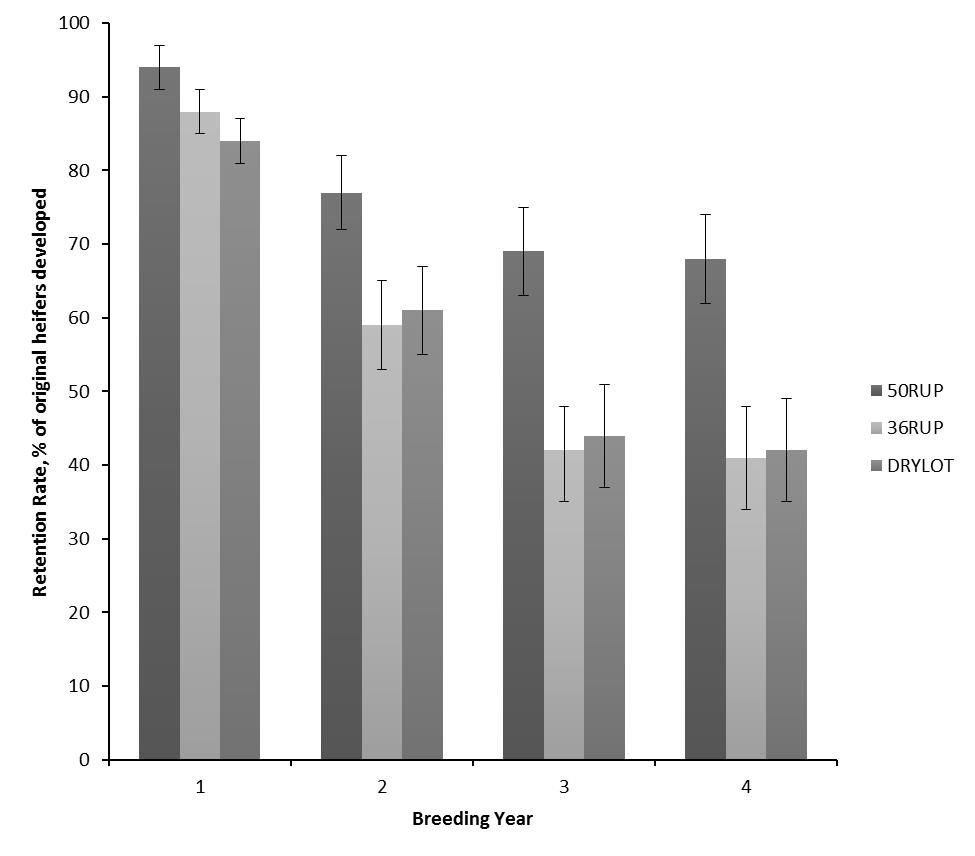
So what happens if we take environmentally adapted heifers out of their dynamic environment and develop them in a static nutritional environment?   In New Mexico, Mulliniks et al. (2013a) showed the impact of programing animals to fit their given production environment. These researchers developed yearling beef heifers on native range receiving one of two protein supplements (low-rumen undegradable protein vs high-rumen undegradable protein) or a control set of heifers developed in a feedlot.  During the developmental treatment period, heifers developed in the feedlot had increased average daily gain (1.5 lb/d) from the initiation of treatments to the start of breeding compared with range-raised heifers consuming low-quality range with protein supplementation (0.58 lb/d).  Even with the low average daily gain until breeding, retention rate through 5 years of age for range-developed heifers fed a high-RUP supplement was 68% compared with 41% heifers fed a lower-RUP supplement and 42% for heifers developed in a feedlot (see Figure 1 below).  This study indicated the short- and long-term impact that developing heifers to fit their environment can have on biological and economic efficiency.


Figure 1. Retention rate of heifers grazing native dormant range with two types of protein supplementation (36RUP and 50RUP) or fed a growing diet in a drylot. Values shown in breeding yr 1 are heifer pregnancy rates.  Breeding years 2 through 4 are proportion of the original heifers treated that were remaining at end of breeding in yr 2, 3, and 4. Retention tended (*P > 0.08) to differ among treatments in breeding yr 1 and 2, but was greater for 50RUP than 36RUP and DRYLOT cows in breeding yr 3 and 4 (**P < 0.01). 36RUP = 36% CP cottonseed meal base supplement fed 3 d/wk supplying 36% RUP; 50RUP = 36% CP supplement fed 3×/wk supplying 50% RUP; DRYLOT = corn silage diet fed in drylot to gain 0.68 kg/d. Adapted from Mulliniks et al. (2013).

figure-1

Flexible and opportunistic strategies are necessary for successful management in variable environments. Successful strategies have to be engrained in a clear understanding of the challenges facing the grazing animal and its natural abilities to meet and adapt to these challenges.  For example, Mulliniks et al. (2012) illustrated over a 6 year period that not all animals need to be fed to achieve a target body condition score, which allows for utilizing body storage as a nutrient source during periods of energy deficiency to maintain reproductive competence.  The cows from this study were offspring of cows that were managed in a low-input ($35 to 50 per cow per year in feed inputs) production system for multiple generations.  Thus, pre-planned management strategies to allow for body weight loss during periods of moderate feed restriction followed by nutrient realimentation during period of increase nutrient supply can be used to improve efficiency of energy utilization (Freetly et al., 2008).

The capacity for animals to cope with environmental changes depends on the degree of their metabolic flexibility (i.e., the phenotypic response to an environmental change).  Having a high metabolic flexibility may be significantly tied to the adaptability to dynamically changing nutrient supply levels.  Mulliniks et al. (2013b) illustrated the ability of livestock to modify metabolically in response to changes in nutrient availability was correlated to their timing of conception. Cows with elevated blood ketone concentrations, manifested from metabolic imbalance, prior to breeding season had a prolonged interval from calving to conception.  Therefore, ketone concentrations may be a useful indicator of adaptive capacity during metabolically challenging physiological periods.

Bottom Line

Livestock are expected to survive, grow, reproduce, and cope in dynamic and unpredictable weather patterns that create diverse environmental challenges or a combination of challenges.  However, if adaptive, flexible management is not utilized, static management in the face of a dynamic problem will not yield the most favorable long-term results.  With that being said, adaptive management is similar to the “bend but don’t break” philosophy.  You allow a defined amount of stress to elicit an increased capacity to respond positively to the stress.  With dynamic swings in environmental conditions, exploiting the natural ability of livestock to adapt in response to periods of nutrient imbalances may be an alternative strategy to manipulating the production environment. Implementing this approach may subsequently enhance adaptive capacity to environmental stresses, while increasing economic and biological efficiency. 

References

Freetly, H. C., J. A. Nienaber, and T. Brown-Brandl. 2008. Partitioning of energy in pregnant beef cows during nutritionally induced body weight fluctuation. J. Anim. Sci. 86:3703-77.

Mayfield, W. M. 2012. Evaluating the relationship between ultrasound-derived carcass characteristics and the production traits in Angus cattle. MS thesis. University of Tennessee, Knoxville.

Mulliniks. J. T., A. G. Rius, M. A. Edwards, S. R. Edwards, J. D. Hobbs, and R. L. G. Nave. 2015. Improving efficiency of production in pasture- and range-based beef and dairy systems. J. Anim. Sci. 93:2609-2615.

Mulliniks, J. T., D. E. Hawkins, K. K. Kane, S. H. Cox, L. A. Torell, E. J. Scholljegerdes, and M. K. Petersen. 2013a. Metabolizable protein supply while grazing dormant winter forage during heifer development alters pregnancy and subsequent in-herd retention rate. J. Anim. Sci. 91:1409-1416.

Mulliniks, J. T., M. E. Kemp, R. L. Endecott, S. H. Cox, A. J. Roberts, R. C. Waterman, T. W. Geary, E. J. Scholljegerdes, and M. K. Petersen. 2013b. Does β-hydroxybutyrate concentration influence conception date in young postpartum range beef cows? J. Anim. Sci. 91:2902-2909.

Mulliniks, J. T., S. H. Cox, M. E. Kemp, R. L. Endecott, R. C. Waterman, D. M. VanLeeuwen, and M. K. Petersen. 2012. Relationship between body condition score at calving and reproductive performance in young postpartum cows grazing native range. J. Anim. Sci. 90:2811–2817.

Petersen, M. K., C. J. Mueller, J. T. Mulliniks, A. J. Roberts, T. DelCurto, and R. C. Waterman. 2014. Potential limitations of NRC in predicting energetic requirements of beef females with western U. S. grazing systems. J. Anim. Sci. 92:2800-2808.

Stott, G. H. 1981. What is animal stress and how is it measured? J. Anim. Sci. 52:150-153.


Filed Under: Brush Management, Grazing Management Tagged With: beef cattle, grazing management, herd management, range

Dormant Season Burns Paired with Abundant Spring Rainfall – Did you Do that?

June 3, 2016 by morgan.treadwell

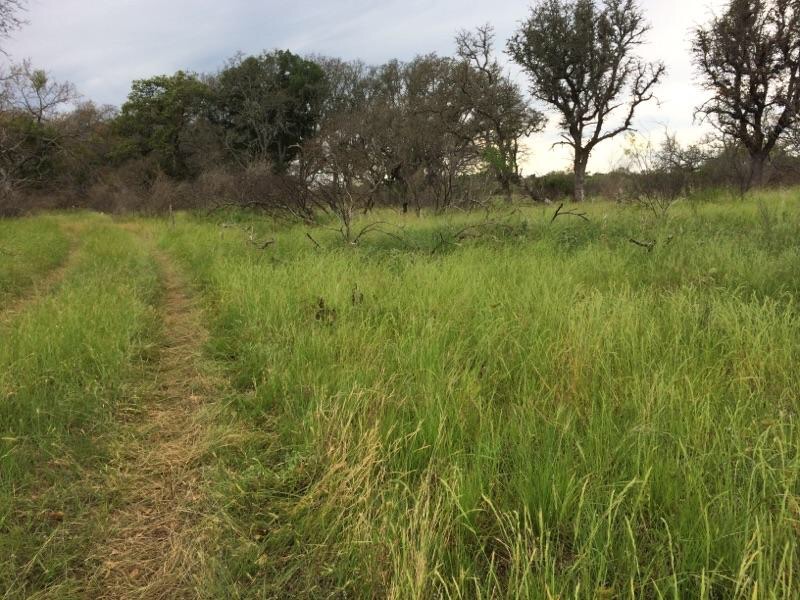
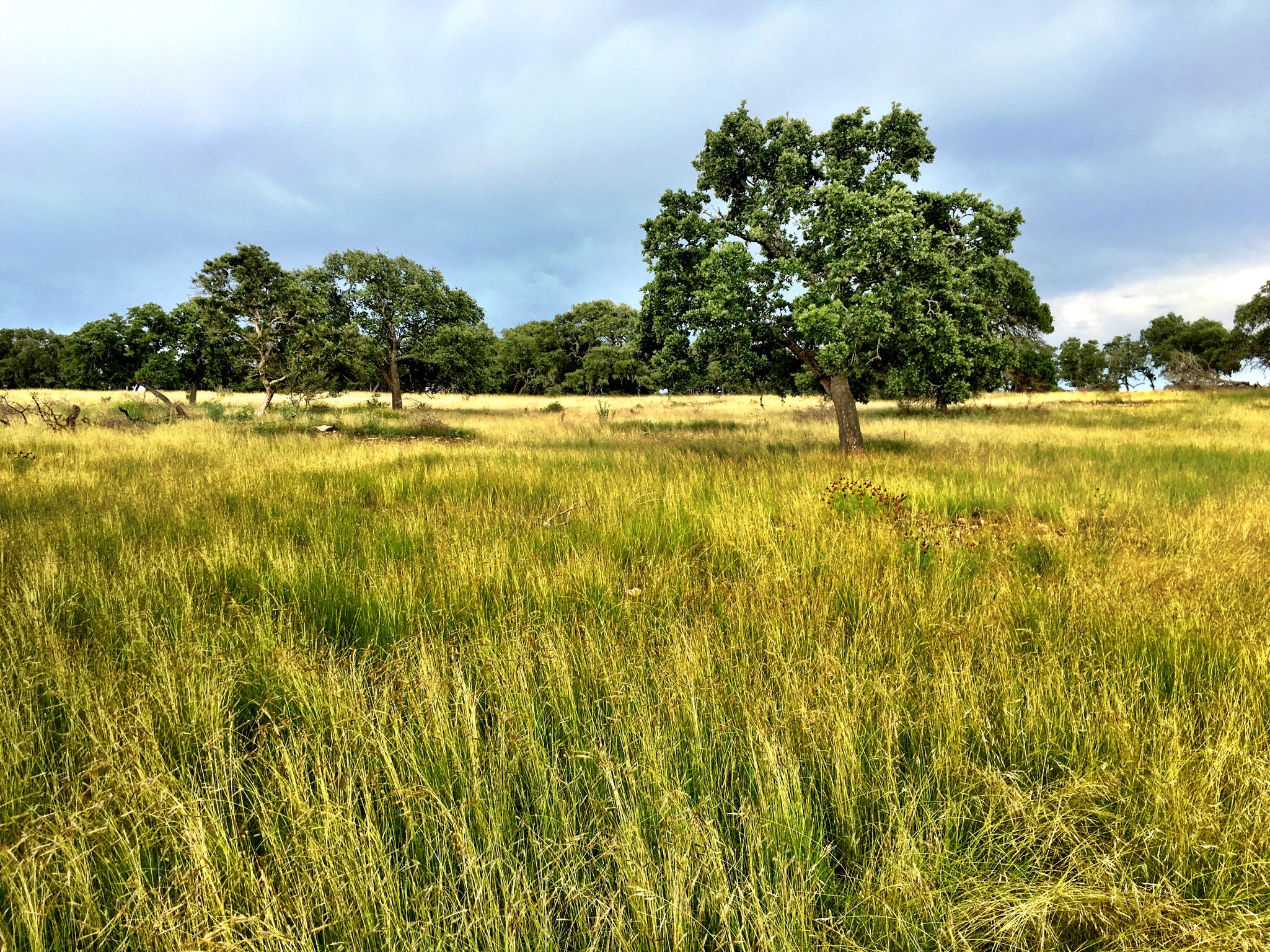
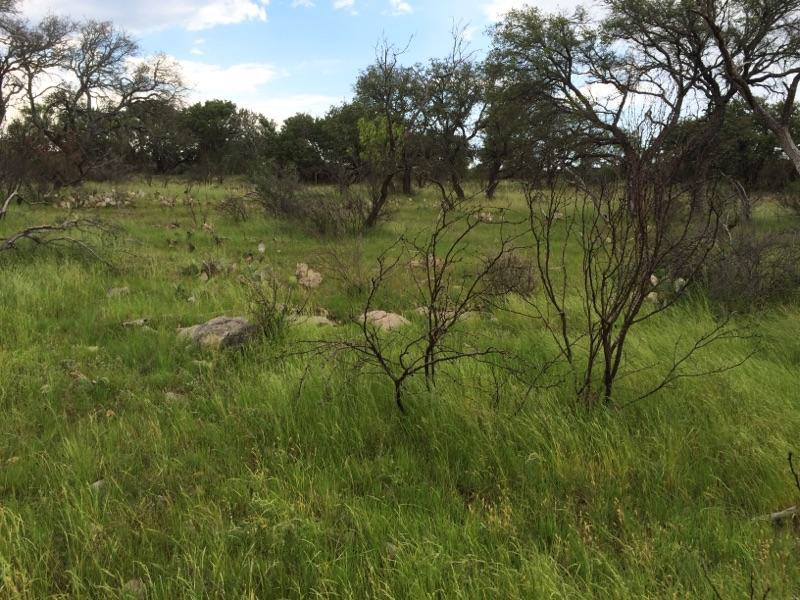
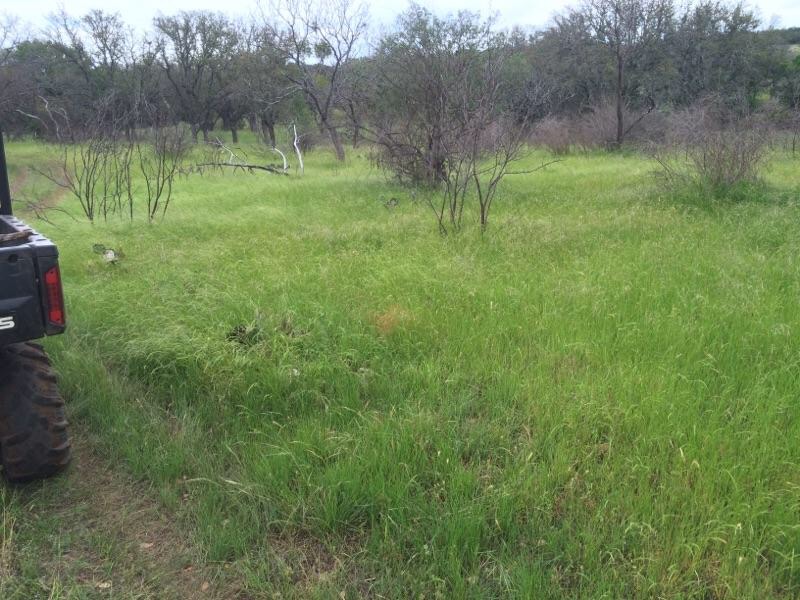
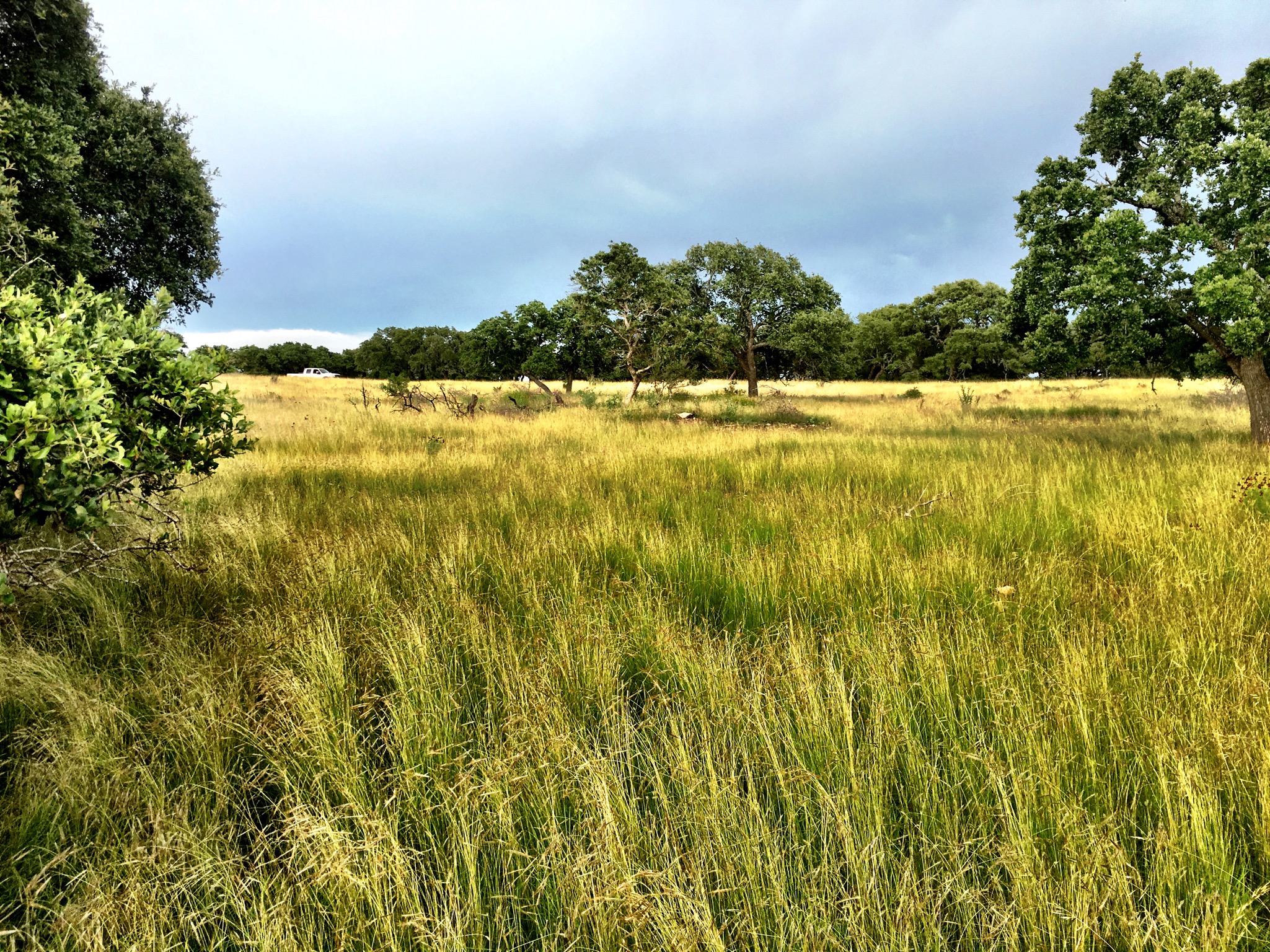
If you were one of the lucky landowners that burned during early/late winter, I am sure you are pleasantly pleased with the post-fire results you are seeing from these spring/early summer rains! The opportunities that fire reveals are not only inspiring, but make for gorgeous and productive rangelands! Hats off to you landowners that light the match out of faith and reap the blessings and bounty soon after!01b5ccef040adeb235a2c902f8f9e9b834c4b3f8e5 01cdebb89768087e1dfa187df49e6f0a778ee9e76e 01fee7e543eac40f34a2654e497449c433b0827477 016eda4e5cc20112f561dcc1163235fbff6508faba 0105a2e1b4f36ec2abd022fcd8b4b320d86f8567b7

Filed Under: Brush Management, Prescribed Burn Associations, Prescribed Burning Tagged With: grass production, rangelands, rxfire

Fire Appreciation Day

June 1, 2016 by morgan.treadwell

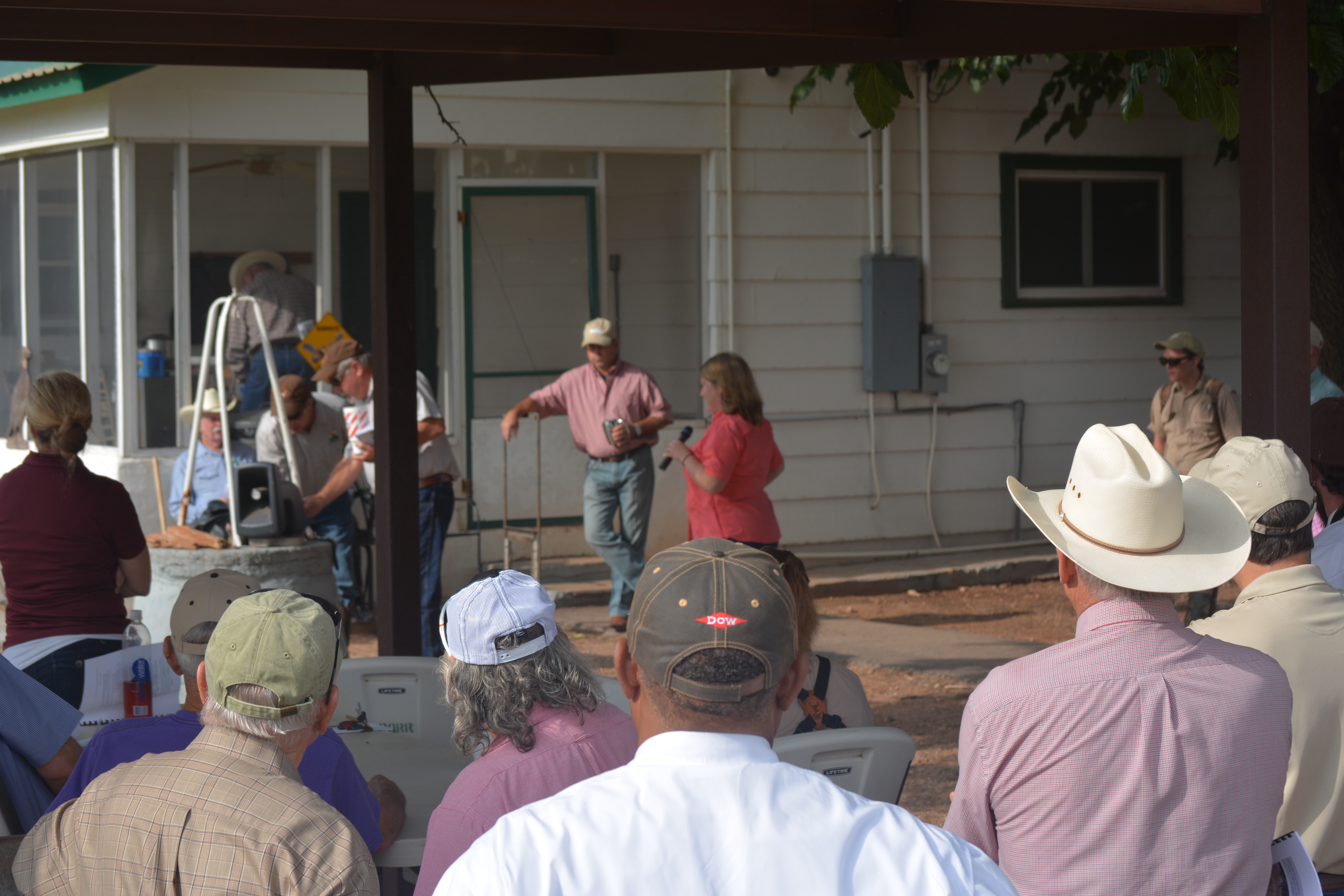
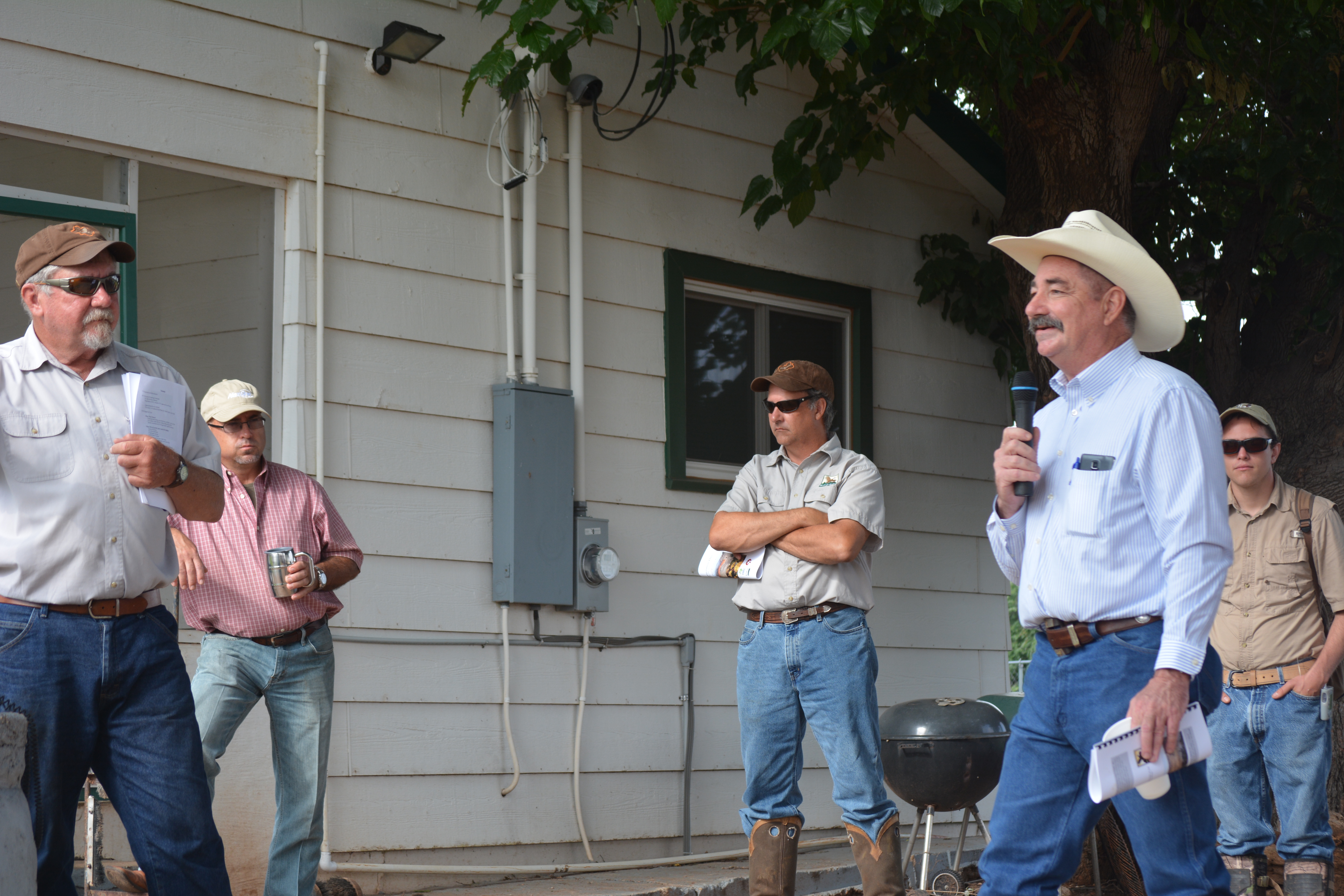
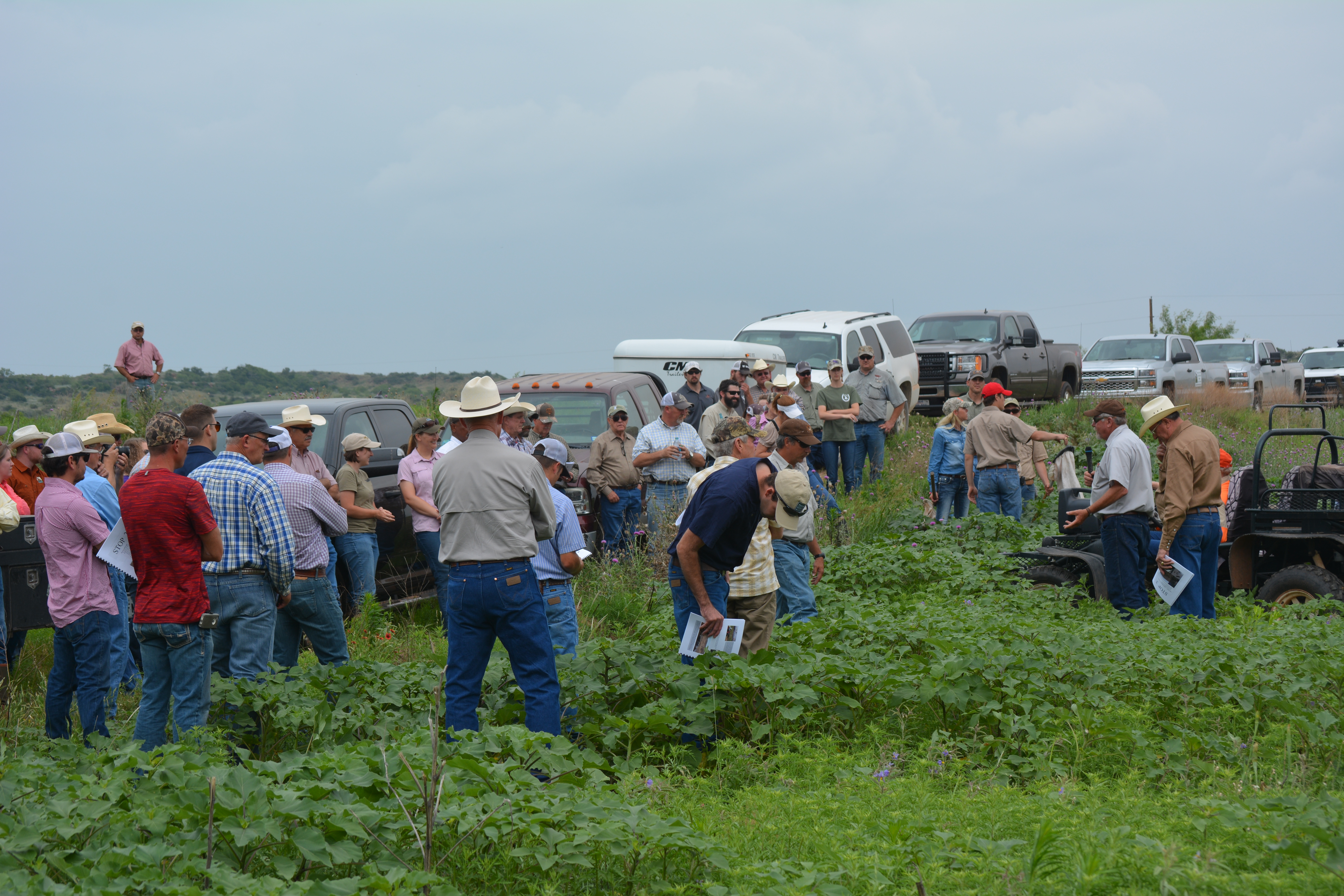
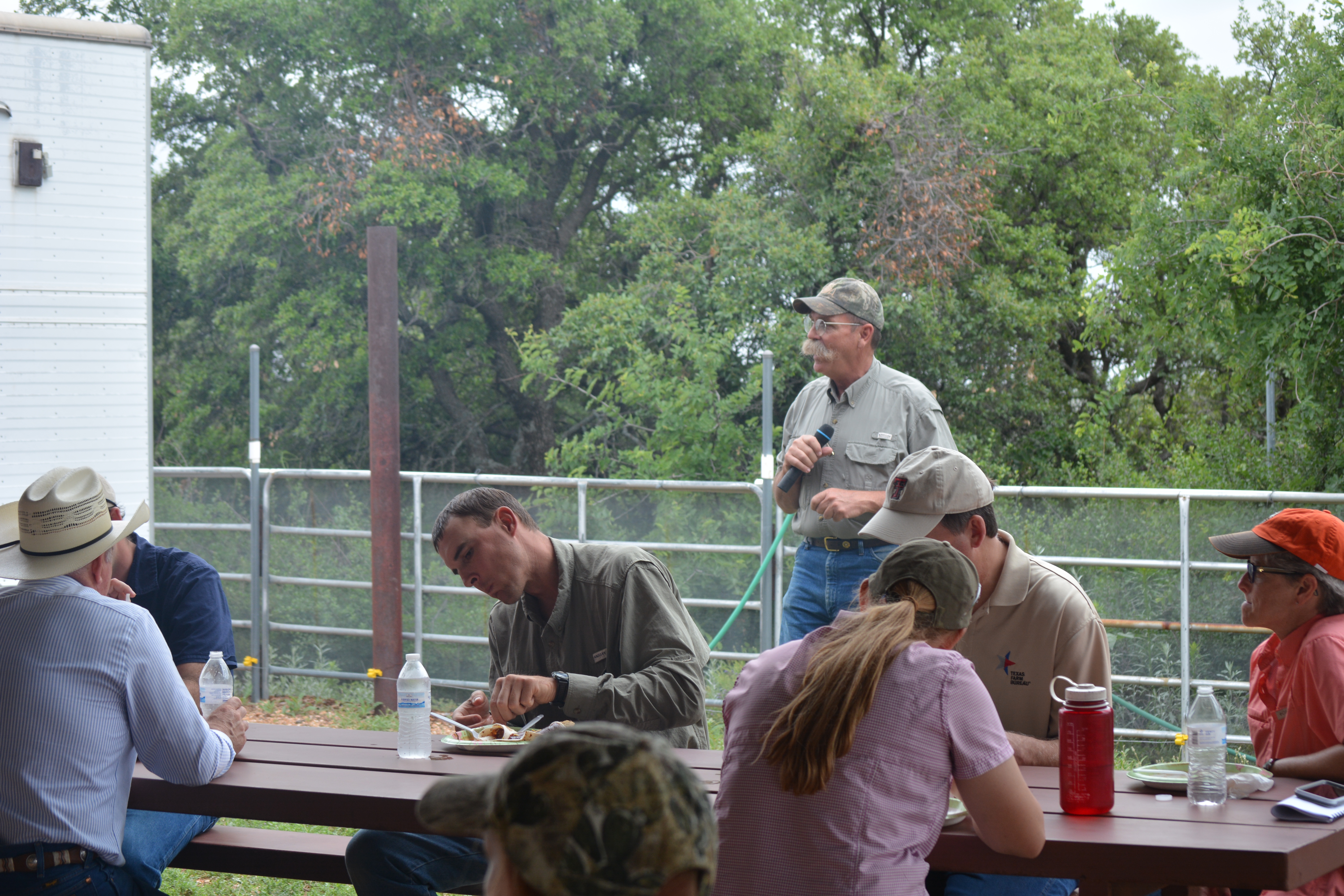
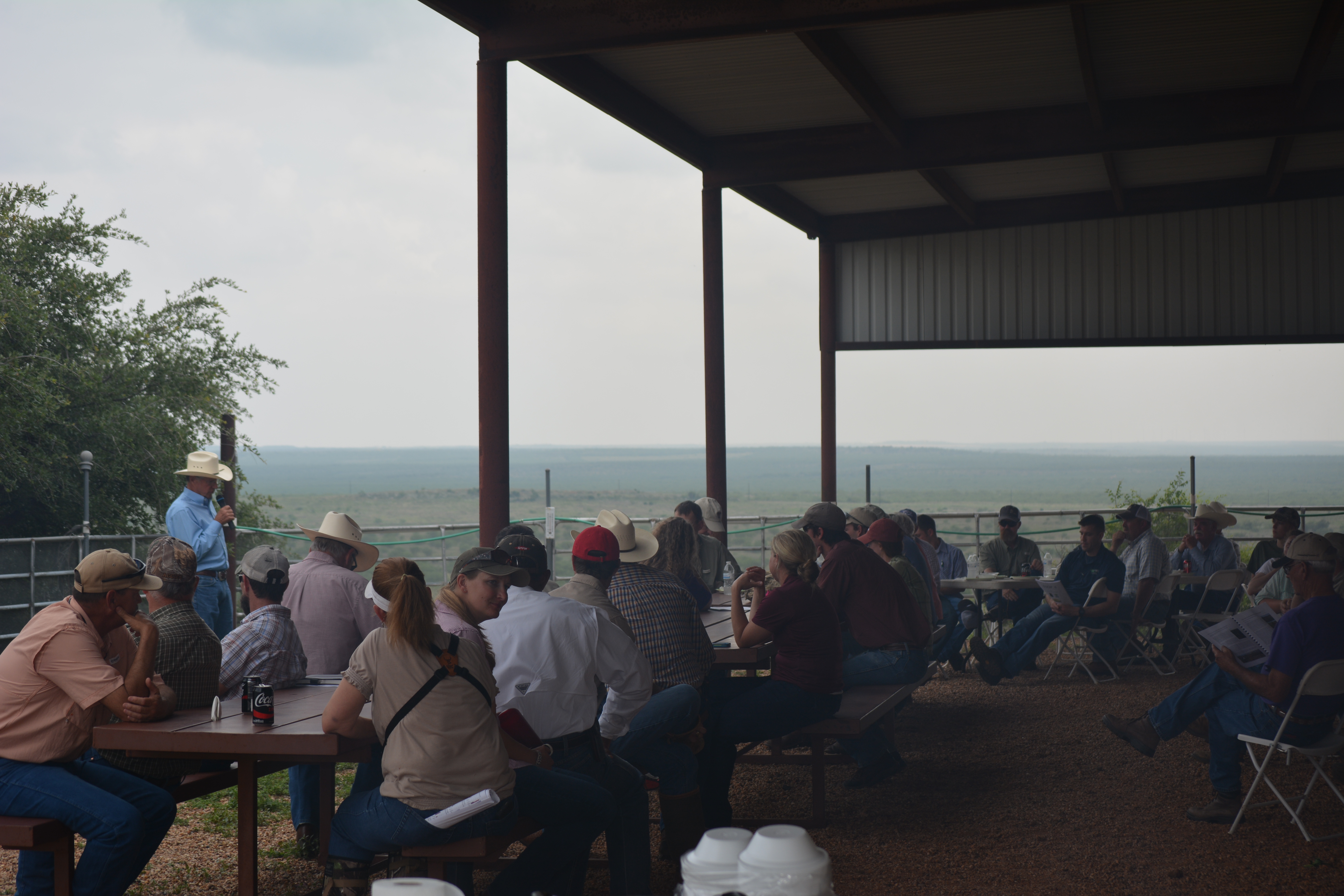
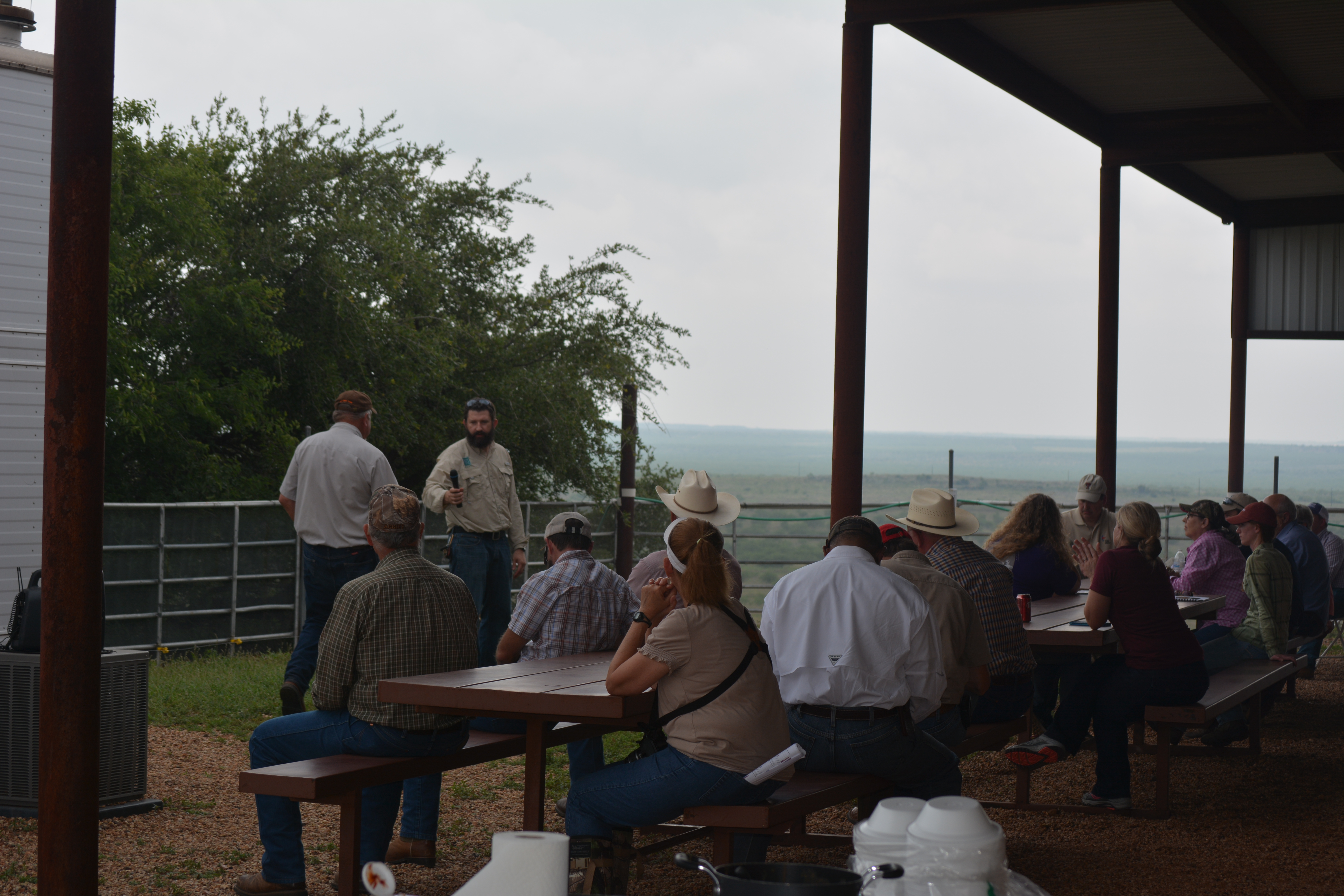
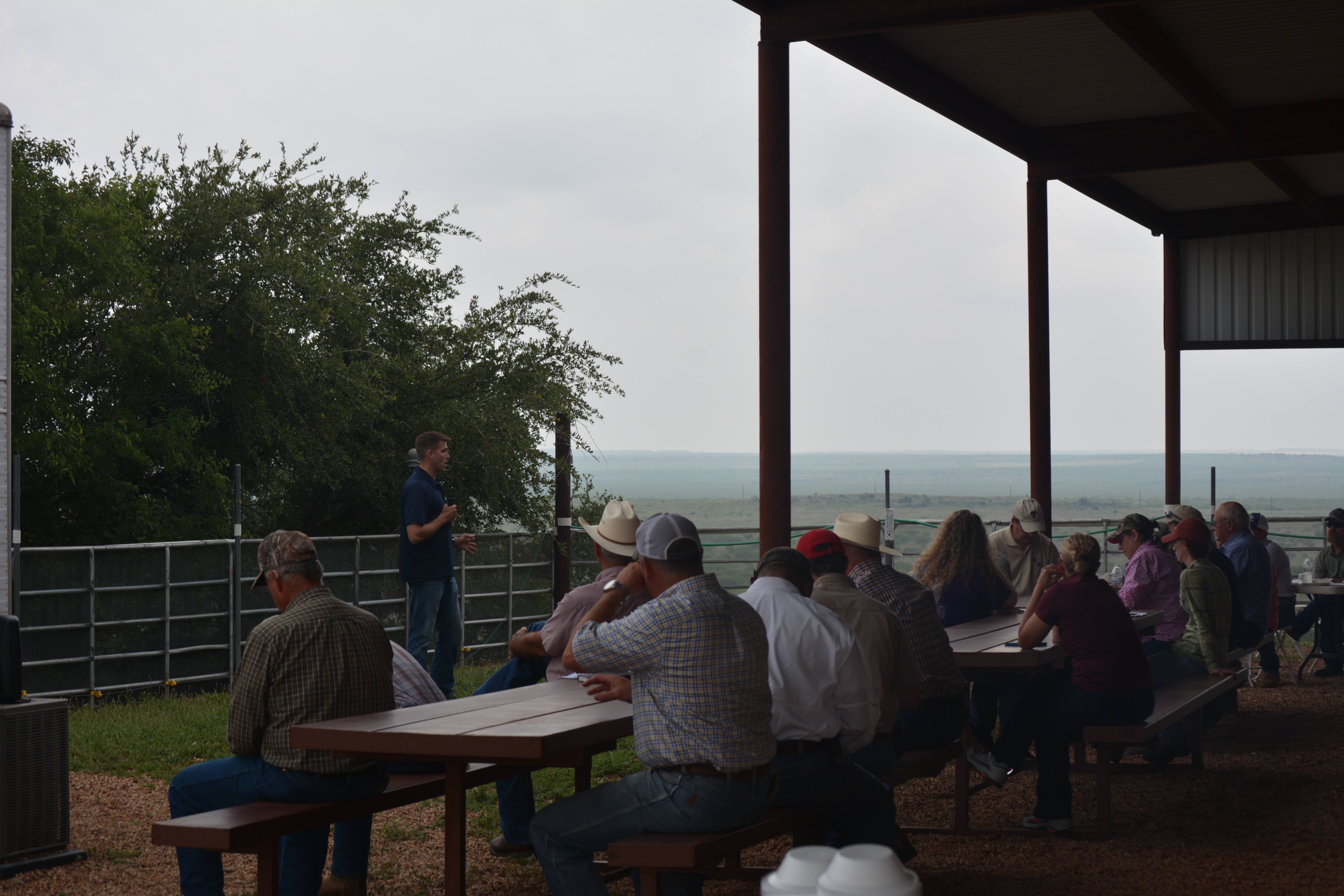
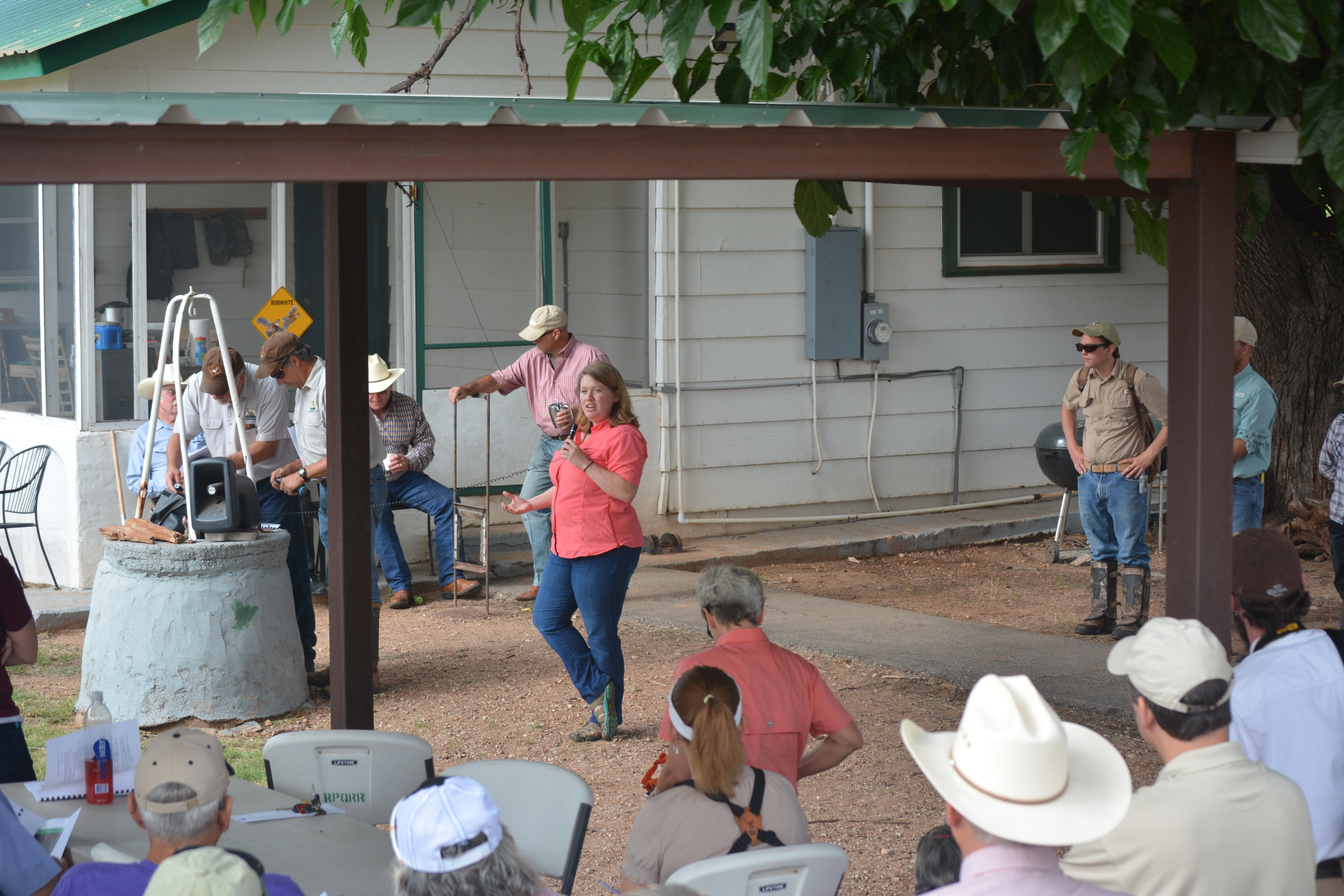
A HUGE thank you to Dr. Dale Rollins for organizing Fire Appreciation Day at the Rolling Plains Quail Research Ranch on May 24th!  We had over 80 participants and a healthy mix of stakeholders, agencies, and Prescribed Burn Association members!  Thank you to Dr. Robin Verble-Pearson, Zac Wilcox, Lloyd LaCoste, Matt McEwen, Mark Moon, Chris Ellis, Kent Mills, Barrett Koennecke, Brad Kubecka, Seth Pearson, Ethan McJames and all the other others who helped put this show on!  Thank you for your support in prescribed burning! Click here for more information on the talks presented at Fire Appreciation Day! And check out this link for the radio broadcast presented by Texas Farm Bureau!

DSC_0745DSC_0751
DSC_0760 DSC_0757DSC_0762
DSC_0765 DSC_0766 DSC_0767 DSC_0771
DSC_0778 DSC_0779 DSC_0781

Filed Under: Brush Management, Grazing Management, Prescribed Burn Associations, Prescribed Burning Tagged With: Big picture, prescribed burning, Rolling Plains Quail Research Ranch, rxfire

100 Years at Sonora

April 20, 2016 by morgan.treadwell

In case you haven’t heard, Sonora is having a party! Well, technically, Field Day first and party afterwards.  Dr. Butch Taylor has decided to retire and go out with a bang at the Sonora Celebration.

This Saturday we celebrate one individual and one Experiment Station that have been inseparable for 44 years.  One man.  One Career.  One location.  Pretty amazing and definitely not something you see everyday.  The Sonora Experiment Station is a magical place to start with.  This is probably the only place in the United States where producers advocated and helped purchase land and facilities to be solely utilized for applied research that producers NEED.  Match that research station with a very dedicated and determined individual and you have the perfect combination of research and outreach.  Here you will find an invitation to the Celebration and all the information you need to know to attend, including directions and a list of hotels.

If you have only heard of Dr. Butch Taylor, please come to the Sonora Celebration and shake the man’s hand.  Butch has done more for Texas rangelands and for Fire Ecology than any other scientist or Aggie for that matter.  But, you would never know that just by talking to him.  He is humble, gracious, kind, and truly in the business of education. I promise to keep a straight face, tear free, on Saturday, and can’t wait to applaud one hell of an amazing man. To learn more about Dr. Taylor’s story and tenure at Texas A&M University click here.


Please come celebrate Sonora with me this Saturday, April 23rd.  More importantly, come meet the man behind the station.

Filed Under: Brush Management, Grazing Management, Prescribed Burn Associations, Prescribed Burning Tagged With: Dr. Butch Taylor, Fire Ecology, prescribed burning, Sonora Experiment Station

  • « Go to Previous Page
  • Page 1
  • Interim pages omitted …
  • Page 4
  • Page 5
  • Page 6

Recent Posts

  • Fire Up Plant Diversity!
  • New Publication! Photosensitization
  • Dry, Warm, Windy, and Fuel.
  • Lessons Learned – Pyro-Vortex Tornado on the Deer Creek Fire
  • Mapping Fire Before It Starts: How the Fireshed Project Strengthens Readiness in West Texas

Categories

  • 4-H Range Contests
  • Beef Cattle
  • Brush Management
  • Carbon Credits
  • Carbon Markets
  • Conservation
  • Conservation Practices
  • Drought Management
  • El Niño
  • Events
  • Goats
  • Grazing Management
  • La Niña
  • Land
  • Lessons Learned
  • Meet A County Extension Agent
  • Plant ID
  • Podcast
  • Prescribed Burn Associations
  • Prescribed Burning
  • Publications
  • Range Concepts
  • RAP
  • Sheep
  • Society for Range Management
  • Soil
  • Staff
  • Targeted Grazing
  • Uncategorized
  • Water
  • Weather
  • Why I Ranch
  • Wild Pigs
  • Wildfire
  • Wildfires
  • Wind
  • Woody Encroachment
  • Youth Range Workshop

Archives

Texas A&M AgriLife Extension Service
Texas A&M University System Member
  • Compact with Texans
  • Privacy and Security
  • Accessibility Policy
  • State Link Policy
  • Statewide Search
  • Veterans Benefits
  • Military Families
  • Risk, Fraud & Misconduct Hotline
  • Texas Homeland Security
  • Texas Veteran's Portal
  • Equal Opportunity
  • Open Records/Public Information