• Skip to primary navigation
  • Skip to main content
  • Skip to primary sidebar
  • Texas A&M Forest Service
  • Texas A&M Veterinary Medical Diagnostics Laboratory
  • Texas A&M AgriLife Extension Service
  • Texas A&M AgriLife Research
  • Texas A&M College of Agrculture and Life Sciences
West Texas Rangelands
West Texas RangelandsWe hope to provide a variety of science-based rangeland information and current research on prescribed fire, wildfires, brush management, and grazing management!
  • Menu
  • Home
  • About & Contact
  • Publications
    • Extension Publications
    • Refereed Journal Articles
    • Program Summaries
  • Events
  • Lunch N’ Learn
  • Infographics
    • Drought
    • Grazing
    • Herbicide
    • Prescribed Fire
    • Rangeland Plants
    • Wildfire
  • Range Resources
    • Published to Pasture
    • Range Concepts
  • Fire Resources
  • Sponsors
  • AgriLife Learn Online Courses

Fuel on the Ground: Managing Vegetation to Reduce Wildfire Risk 

January 8, 2026 by morgan.treadwell

In West Texas, wildfire risk does not wait for summer. By January, grasses are dry, humidity is low, and wind events are common across open rangelands. These conditions make early preparation important. Taking steps now to manage fuel helps reduce how fast fire can move and improves safety when wildfire season approaches. 

What Are Fuel Loads? 

Fuel loads are the amount and arrangement of vegetation available to burn. Heavy fuel loads include thick grasses, dense brush, and dead plant material. These fuels dry out easily during drought or winter, making them more flammable. Reducing fuel loads helps slow fire spread and gives firefighters better chances to contain fires.  

Targeted Grazing to Reduce Fuel 

Targeted grazing uses livestock to reduce fine fuels like grasses and forbs. Cattle, goats, or sheep can be placed in specific areas to eat vegetation before wildfire season. This process lowers grass height and reduces the total fuel available. Research shows that targeted grazing can reduce flame height and fuel continuity, especially where herbaceous fuels are high and woody cover is low.  

Targeted grazing can also be used to form fuel breaks—strips of land with reduced vegetation. Fuel breaks slow fire spread and help protect key areas such as roads, fences, or infrastructure. Placing livestock to graze along these strips before fire season can improve their effectiveness.  

Infrastructure and Access 

Good infrastructure supports fuel management and wildfire response. Well-maintained roads and access points allow managers and fire crews to reach critical areas quickly. Roads also act as breaks in fuel continuity. Regularly clearing vegetation along fence lines, around water sources, and near buildings reduces fuel near structures and allows safer movement of equipment and personnel during a fire event.  

Integrated Fuel Management Fuel reduction works best when multiple tools are used together. In addition to targeted grazing, mechanical treatments, mowing, and prescribed burns may be appropriate on certain sites. Planning fuel management before wildfire season improves its success. Collaboration with local Extension services and wildfire professionals can help tailor strategies to specific rangeland conditions. 

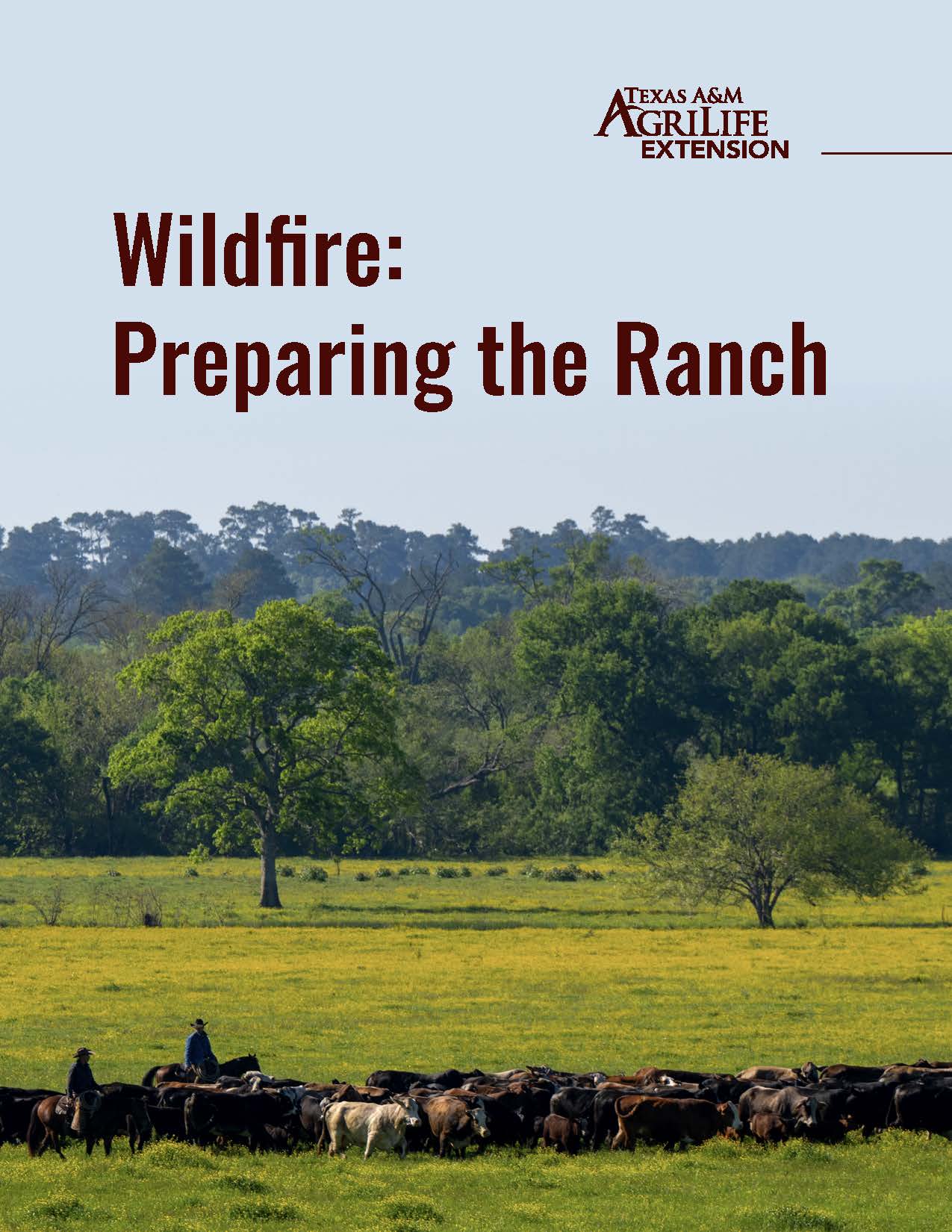
For more information, please download Wildfire…Preparing the Ranch!
Filed Under: La Niña, Wildfire Tagged With: fuel mitigation, Rangeland, wildfire

Recent Posts

  • What Your Rangeland Is Telling You: If You Know How to Look
  • When Does Grazing Become Overgrazing?
  • Prepared Today, Resilient Tomorrow: Making Wildfire Preparedness Part of Rangeland Stewardship
  • Fuel, Weather, and Risk: Monitoring Wildfire Conditions on Your Land
  • Roads, Buffers, and Water: Preparing Your Ranch for Wildfire

Categories

  • 4-H Range Contests
  • Beef Cattle
  • Brush Management
  • Carbon Credits
  • Carbon Markets
  • Conservation
  • Conservation Practices
  • Drought Management
  • El Niño
  • Events
  • Goats
  • Grazing Management
  • La Niña
  • Land
  • Lessons Learned
  • Meet A County Extension Agent
  • Plant ID
  • Podcast
  • Prescribed Burn Associations
  • Prescribed Burning
  • Publications
  • Range Concepts
  • RAP
  • Sheep
  • Society for Range Management
  • Soil
  • Staff
  • Targeted Grazing
  • Uncategorized
  • Water
  • Weather
  • Why I Ranch
  • Wild Pigs
  • Wildfire
  • Wildfires
  • Wind
  • Woody Encroachment
  • Youth Range Workshop

Archives

Texas A&M AgriLife Extension Service
Texas A&M University System Member
  • Compact with Texans
  • Privacy and Security
  • Accessibility Policy
  • State Link Policy
  • Statewide Search
  • Veterans Benefits
  • Military Families
  • Risk, Fraud & Misconduct Hotline
  • Texas Homeland Security
  • Texas Veteran's Portal
  • Equal Opportunity
  • Open Records/Public Information