 Prescribed fires are a necessary process for rangeland management, helping to reduce fuel loads, restore ecosystems, and mitigate the risk of catastrophic wildfires. More importantly, the estimated escape rate across the U.S. is quite low, at 0.16% (2022). A recent study by Li et al. (2025) sheds light on the spatial and temporal patterns of escape prescribed fires, offering crucial insights for rangeland managers and fire professionals.
The Best Time To Plan For Drought Is When We Are Not In One! Second Best Time Is Now!
 We’re thrilled to welcome our guest blogger, Mr. Mike Mecke, to the West Texas Rangelands blog! Mr. Mecke brings a wealth of knowledge and passion for land stewardship, drawing from his unique background as a San Antonio native who as of 2008 retired into the Texas Hill Country outside of Kerrville. He is a graduate of Texas A&M University with Biology and Agriculture degrees. He later earned a Masters of Science in Rangeland Ecology & Watershed Management at the University of Wyoming. Helping people by improving agricultural management, land stewardship, water resources conservation and water resources planning has been the primary aspects of his career. We’re excited for him to share his insights and practical expertise with our West Texas rangeland community. Take it away sir!
That is a really great headline written by Ms. Emily Seldomridge, writing for Texas Water Solutions a few years ago and it is fantastic advice for ranchers, farmers, agencies or water utilities. Caught my attention right away, which a title should do. You can’t beat developing a good conservation plan and then applying it. The blog article contains some very good conservation proposals as well. This is a rewrite of my Ranch & Rural Living magazine article some years ago.
Texas Land Trends: A Shifting Landscape
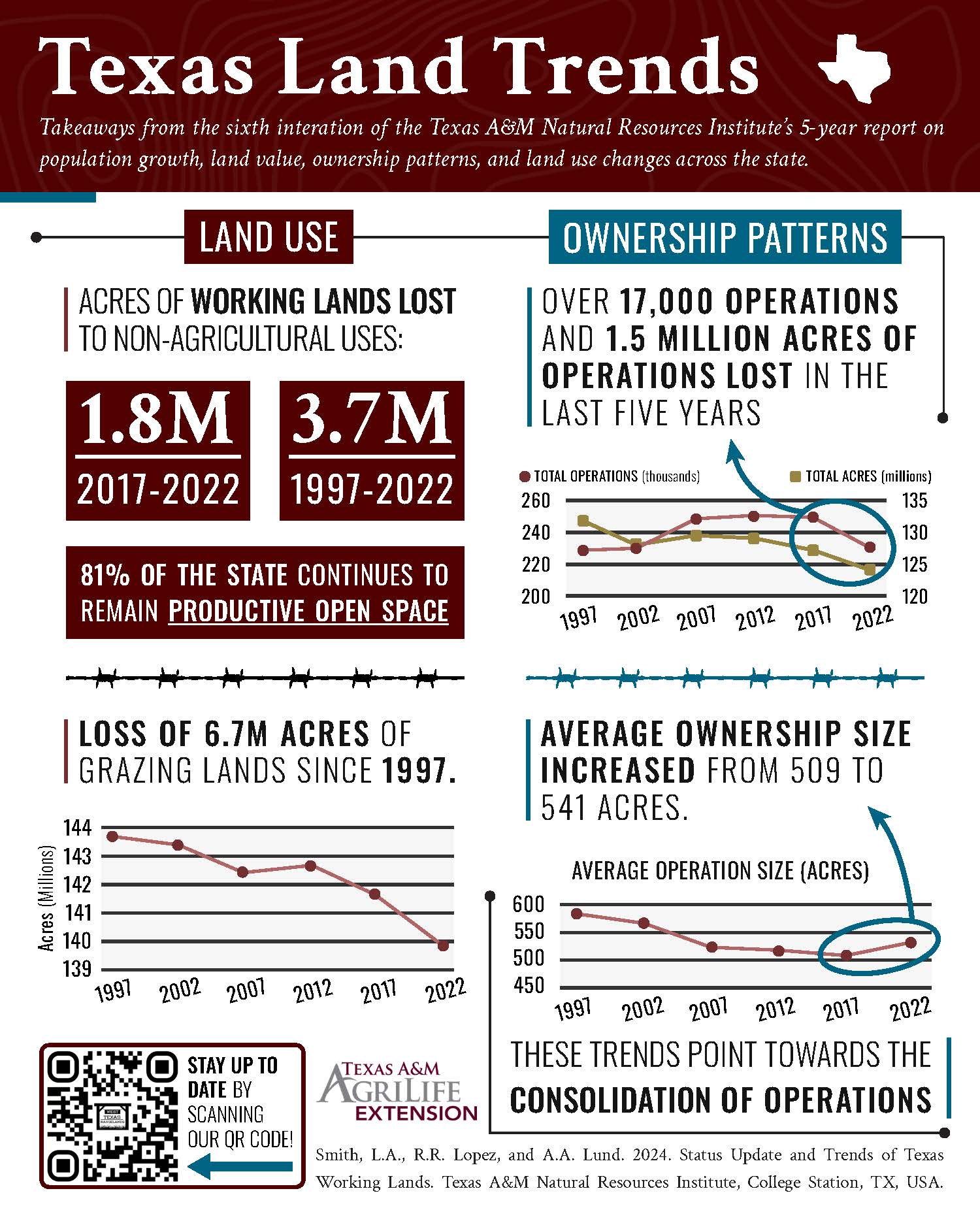 A fascinating new report from the amazing team at Texas A&M Natural Resources Institute sheds light on the changing landscape of Texas. Their sixth edition of a five-year study dives deep into population growth, land values, ownership patterns, and how land use is changing across Texas. The takeaways, reveal some significant trends that paint a picture of a state undergoing considerable transformation.
Moving to the Country
 A recent study from Dr. David Matarrita-Cascante, Texas A&M University Department of Rangeland, Wildlife and Fisheries, explores why people are migrating towards rural communities, their previous rangeland management experience, and their goals and expectations for their newly owned private property.
The New Wildfire Season
 Wildfires have become a significant concern in the United States, causing substantial economic, environmental, and agricultural losses. The financial burden, regional impact, and seasonal length of wildfires have increased in recent decades, raising national and global concerns. In fact, since 2015, three of the five largest wildfire years for acreage burned in the United States have occurred. [Read more…] about The New Wildfire Season
The Power of Connection
 Prescribed fire is a critical process for grassland and savanna function, management of invasive species, and wildfire mitigation. It’s a practice that requires careful coordination and collaboration among various organizations. The overall effectiveness and success of prescribed fire is heavily influenced by social networks.
Hot and Dry. And, it’s only April.
Hel-loooooo La Niña. Until June-July-August (hopefully).
The percentage of the state under drought conditions (D1-D4) has alarmingly increased from 49% to 68% in just four weeks. Extreme drought or worse has jumped from 17% to 29% during the same period, and exceptional drought has more than doubled from 6.3% to 14%. Overall, a staggering 85% of the state is now abnormally dry or worse (D0-D4).
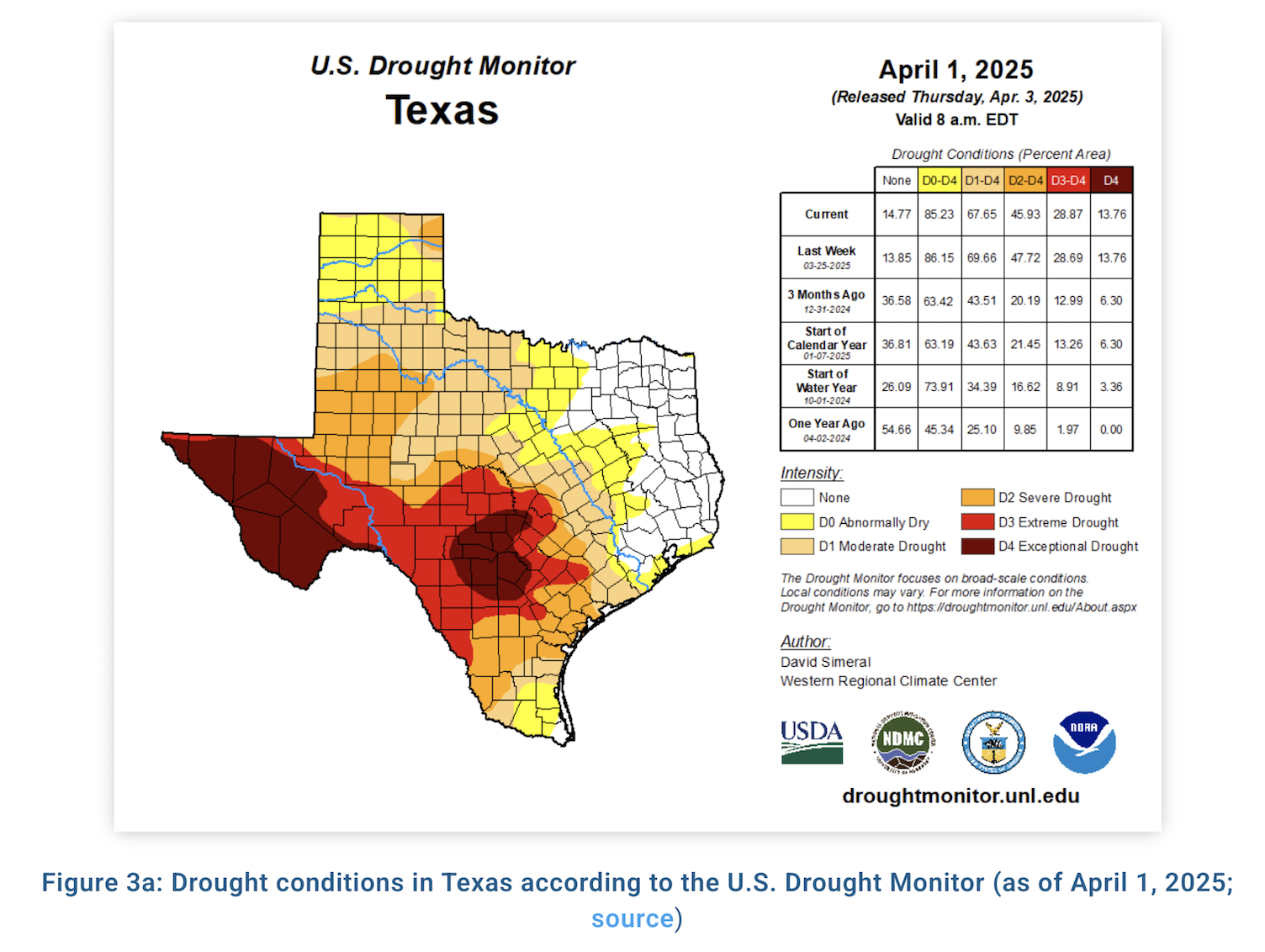
While the eastern parts of Texas saw typical March precipitation patterns, a significant portion of West and Far West Texas received less than 0.01 inches of rainfall. Consequently, despite the localized flooding in the Lower Rio Grande Valley,, almost the entire state experienced substantially less than normal rainfall for March 2025.

The current La Niña Advisory, is expected to be short-lived, with a high probability (62%) of transitioning to neutral conditions by late summer. The U.S. Seasonal Drought Outlook through May predicts continued drought or drought development for most of Texas, excluding the far east. Furthermore, the three-month temperature outlook favors above-average temperatures, while the precipitation outlook leans towards rainfall deficits for the majority of the state.
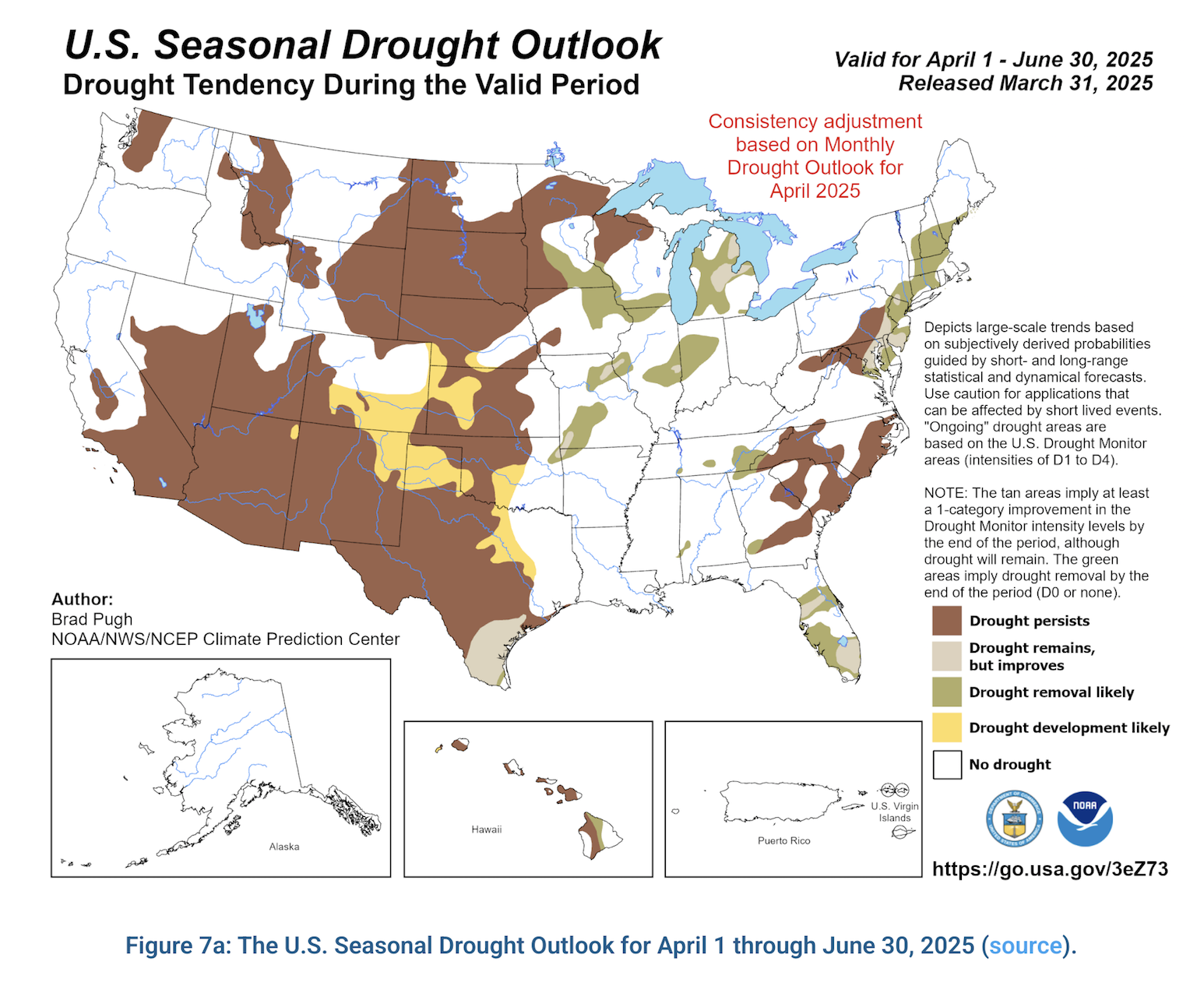
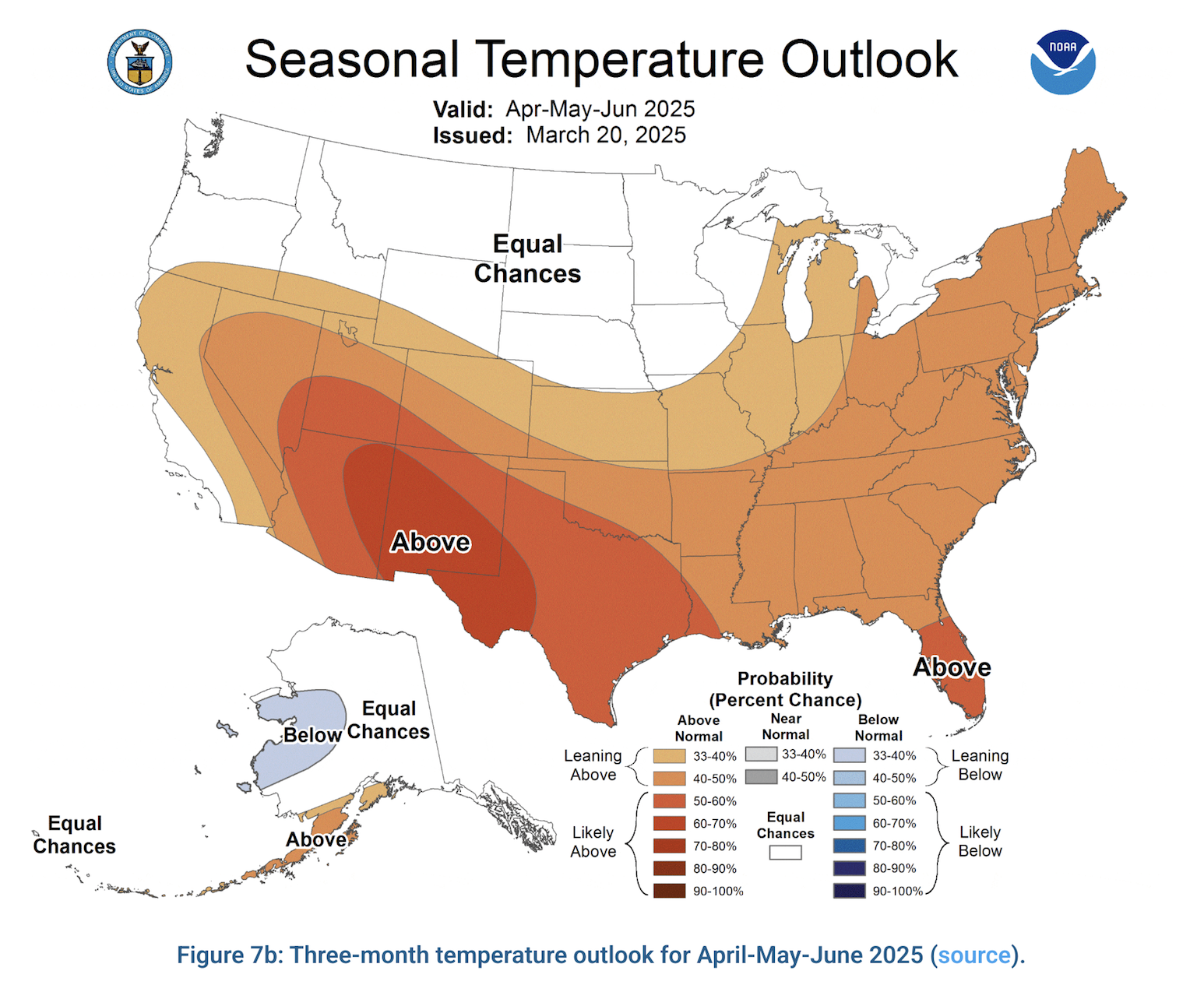

It’s going to get worse before it gets better.
This is growing season drought.
For the full article, check it out here!
Grazing Against the Flames: Using Targeted Grazing to Combat Wildfires
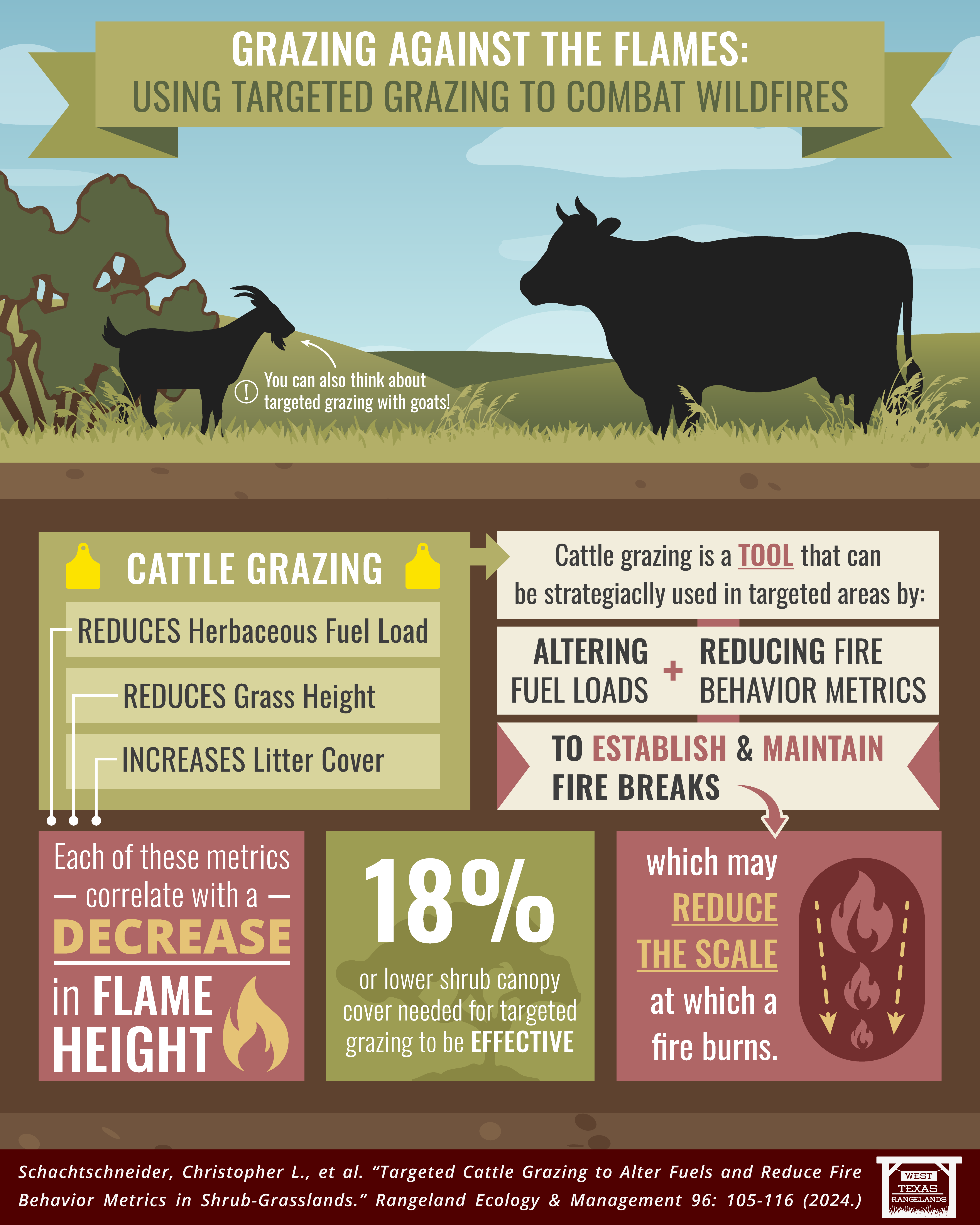 Wildfires are an escalating global crisis, marked by increasing size, frequency, suppression costs, and devastating losses. In the search for effective mitigation strategies, targeted grazing has emerged as a promising technique, strategically employing livestock to manage vegetation and diminish wildfire risks.
[Read more…] about Grazing Against the Flames: Using Targeted Grazing to Combat Wildfires
A New Landowner’s Guide for Texas Rangelands
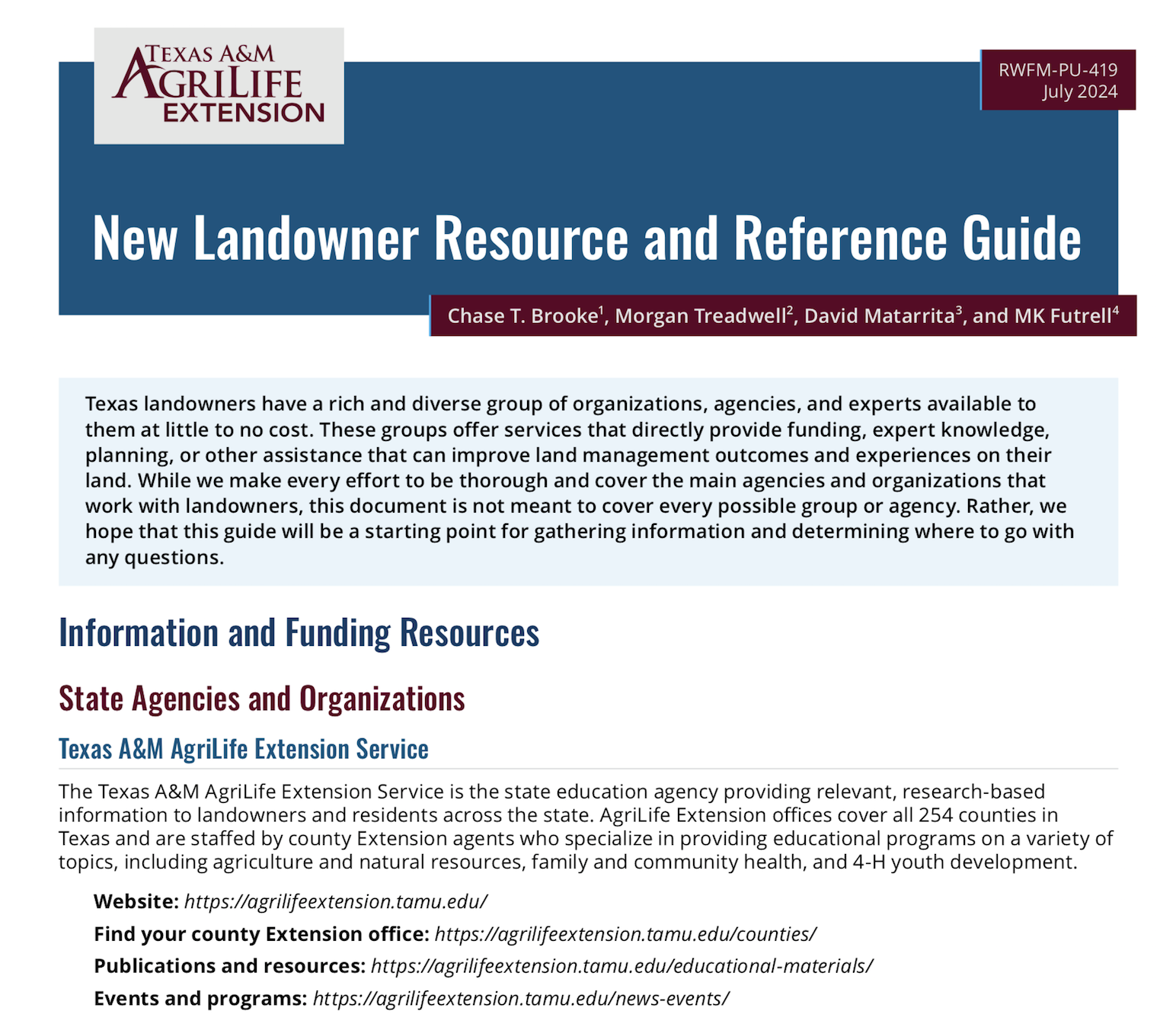 If you’re a new landowner in Texas, you’re in a great position to take advantage of the many resources available to you!!! Texas has a rich and diverse group of natural resource organizations, agencies, and experts ready to assist you, often at little to no cost. There is a new publication written by Chase Brooke, Dr. Morgan Treadwell, Dr. David Matarrita-Cascante, and MK Futrell from the Department of Rangeland, Wildlife and Fisheries Management that highlights a variety of services, including cost-share opportunities, expert knowledge, planning assistance, and other support aimed at improving rangeland management practices and conservation.
[Read more…] about A New Landowner’s Guide for Texas Rangelands
Arthropod Response to Long-term Prescribed Fire
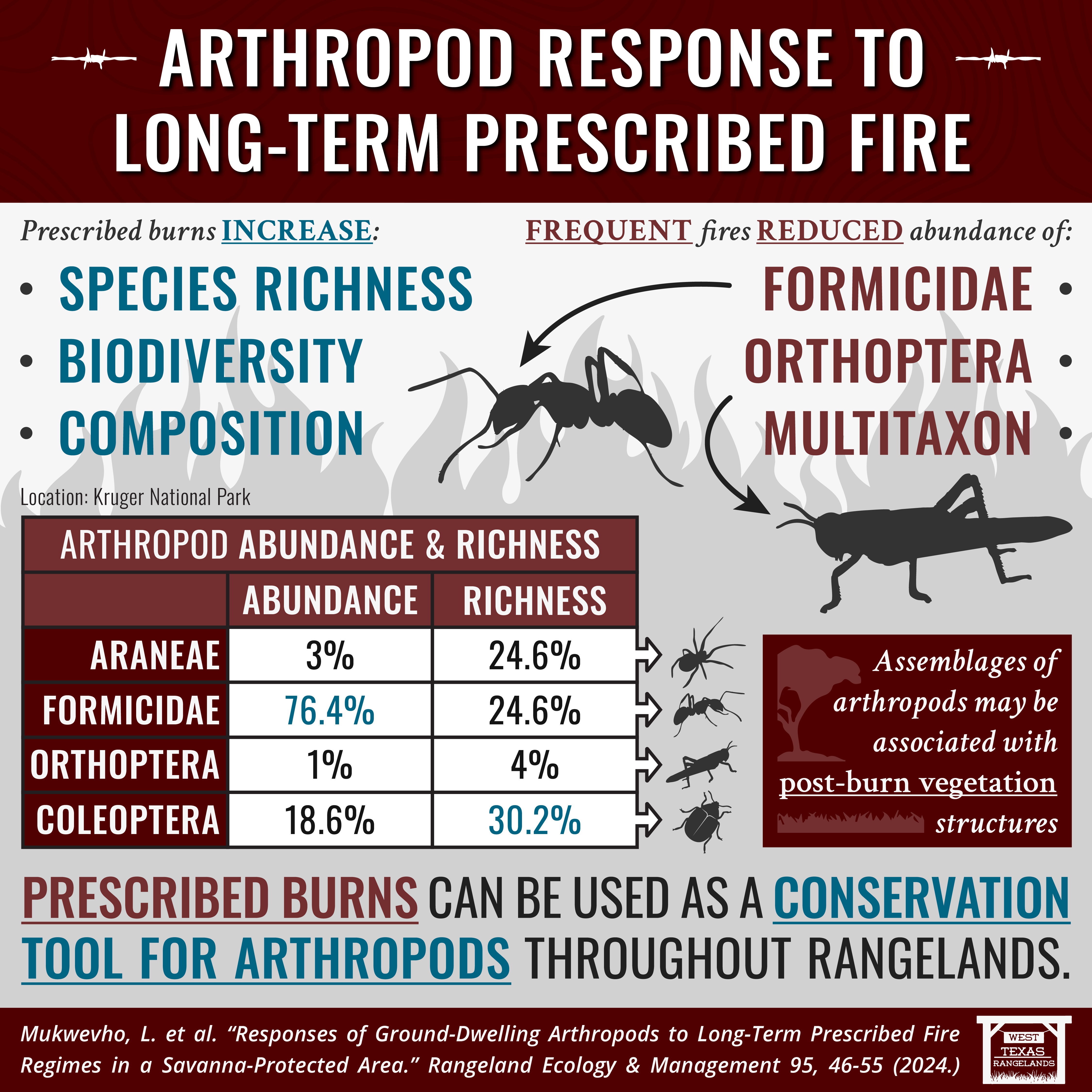 Prescribed fire is a powerful tool for rangeland management, often used to control invasive species, promote native plant growth, and reduce wildfire risk. But what about the impact on the smaller inhabitants of our rangeland systems? A 2024 study sheds light on how prescribed fire, particularly long-term fire regimes and legacy fire effects, affect arthropod communities.
[Read more…] about Arthropod Response to Long-term Prescribed Fire