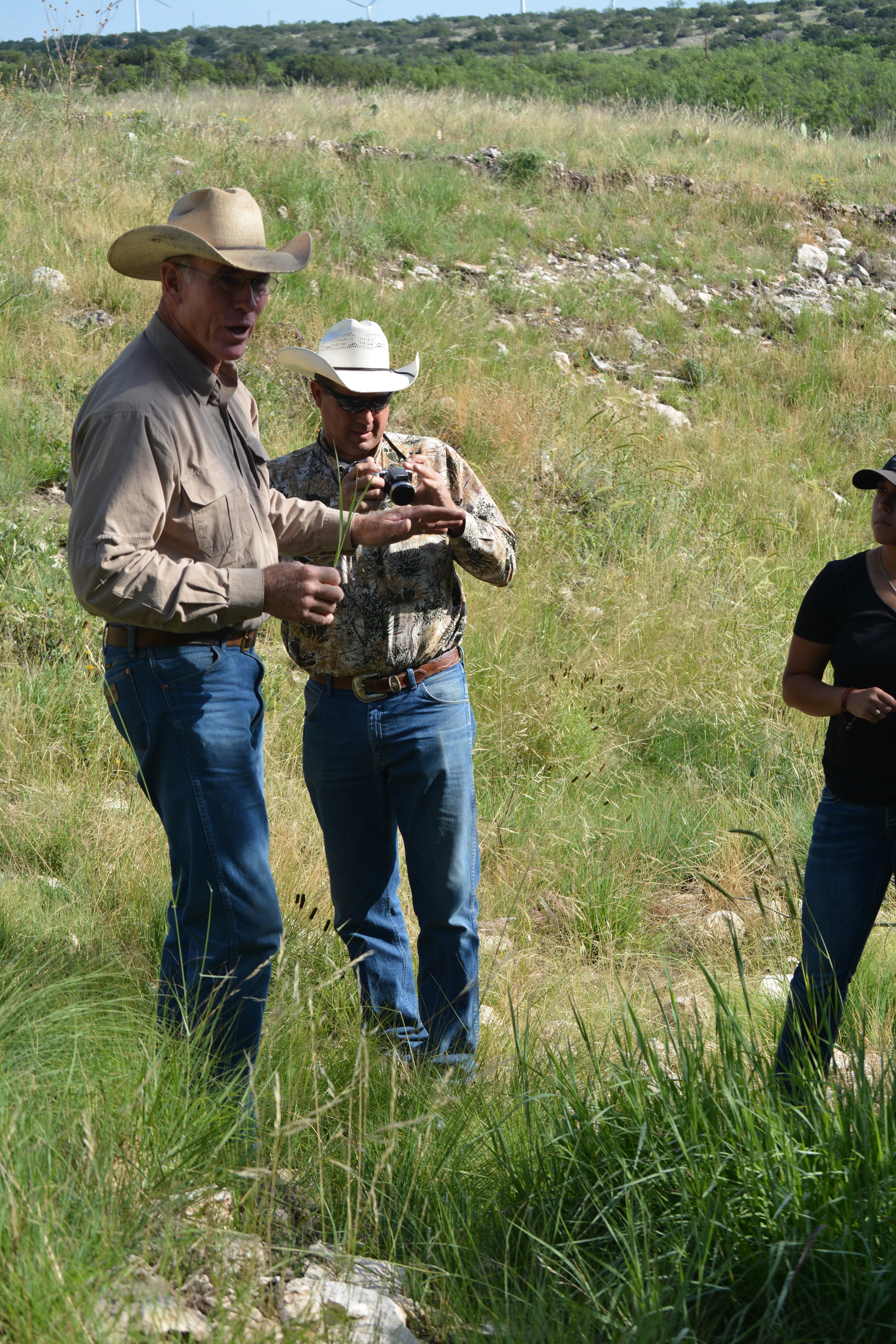
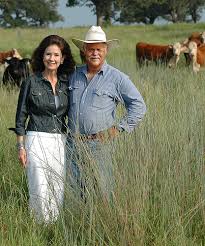
• Skip to primary navigation
  • Skip to main content
  • Skip to primary sidebar
  • Texas A&M Forest Service
  • Texas A&M Veterinary Medical Diagnostics Laboratory
  • Texas A&M AgriLife Extension Service
  • Texas A&M AgriLife Research
  • Texas A&M College of Agrculture and Life Sciences
West Texas Rangelands
West Texas RangelandsWe hope to provide a variety of science-based rangeland information and current research on prescribed fire, wildfires, brush management, and grazing management!
  • Menu
  • Home
  • About & Contact
  • Publications
    • Extension Publications
    • Refereed Journal Articles
    • Program Summaries
  • Events
  • Lunch N’ Learn
  • Infographics
    • Drought
    • Grazing
    • Herbicide
    • Prescribed Fire
    • Rangeland Plants
    • Wildfire
  • Range Resources
    • Published to Pasture
    • Range Concepts
  • Fire Resources
  • Sponsors
  • AgriLife Learn Online Courses

Outside the Fire…Marcy Epperson

September 28, 2018 by morgan.treadwell

I am a huge fan of ranching women, because I know that a woman who ranches also raises a family, keeps the books, cooks, cleans, and is just as busy in her community as she is checking livestock and tending to horses.  George Strait said it best, “how bout them cowgirls”!  This month, I want to introduce you to an exceptional lady – Marcy Epperson.  Marcy and her family ranch outside of Rocksprings and she recently successfully completed her Texas Department of Agriculture Certified and Insured Prescribed Burn Manager’s license after years of hard work and dedication to learning.  Marcy is a mom to two boys, a wife, a rancher, and now a prescribed burn manager!  I am proud to call her my friend and colleague!

How did you get introduced to fire? I was introduced to fire through family—as a child I loved helping burn brush piles. There was a hill on the family ranch named Ole Baldy, because my grandfather had burned it. Adult family members always laughed it off as an “accident”, then they’d get serious and say they thought he’d burned it on purpose, like Native Americans had done. I tend to believe the latter, but it probably scared him half to death, and well should have!

How early do you start planning for a prescribed burn? Generally, at least a year; every preparation seems to take longer than the budgeted time, from blading fireguards to having enough accumulated grass (fine fuels) after deferment of grazing. 

What’s most unique about a post-fire environment? I would say the most interesting thing is how wildlife throngs into the black immediately after a prescribed fire. From Rio Grande turkeys looking for scorched grasshoppers to quail with chicks and jackrabbits, they all immediately appear and move right into still smoking areas. Any apprehension about wildlife and prescribed fire is always quieted; this isn’t necessarily the case with the wildfire.

In your opinion, what makes a successful fire? I know we all look for success with specific goals and objectives, but ultimately, a safe fire is, in my opinion, a successful fire. Every single fire will be good in some way for our fire adapted ecosystem, and safety is key.

Who or what would you never burn without? I would never burn without a comprehensive burn plan, an experienced crew with good equipment and radios, and most importantly– an up-to-date weather forecast. 

Filed Under: Brush Management, Grazing Management, Prescribed Burn Associations, Prescribed Burning Tagged With: brush, edwards plateau, prescribed burn association, RX Fire

Why I Ranch…Ray Pfeuffer

September 1, 2018 by morgan.treadwell

I dedicated a series on West Texas ranchers called “Why I Ranch.” Each month I will highlight a rancher in West Texas and ask them to share their story about the ranch life.

Ray Pfeuffer

Ray and Sandra Pfeuffer make Ranch Life look easy. They have raised a beautiful family. They work hard. They are active in 4H. And, oh yea, they ranch in West Texas. Here is the other half to Ms. Sandra’s answers 🙂

How did you get your start in ranching? My family has always ranched, going back to the 1800’s. It was never our sole source of income, but I have done it my entire life.

How important is agriculture to your family? It is very important to all of us. All of my kids have grown up around it and love working with livestock. I feel I am doing something worth while, helping raise food for our country and other countries as well.

What makes ranching in West Texas so unique? The weather probably, but then again the weather is not normal anywhere, anymore. I like that multiple species can still be raised in most places, barring coyote problems.

Do you feel like there is enough emphasis on agriculture in K-12 education? It seems as if there is not. I believe society as a whole has gotten so far away from the land, they have no clue how food is produced.

Who did you learn the most from along the way? My dad, Billy Pfeuffer, my uncle, Franklin Pfeuffer, my grandpa Raymond Wersterfer and a neighbor growing up in Comal county, George Lackey.

Filed Under: 4-H Range Contests, Brush Management, Grazing Management Tagged With: 4H, family, ranching, ranchlife, West Texas

Outside the Fire…Dr. Doug Tolleson

September 1, 2018 by morgan.treadwell

Dr. Butch Taylor loves the Sonora Experiment Station dearly, and another person who loves it just as much is Dr. Doug Tolleson. It seems only appropriate that we follow Dr. Taylor’s words of wisdom with Dr. Tolleson’s.

How did you get introduced to fire? Early in life, we would burn pastures periodically to “clean them up” and at scout camp we would help dig line to contain small forest fires.
Professionally, I would help Keith Owens and his crew at the Uvalde Experiment Station and then Jim Ansley at the Vernon Experiment Station with their prescribed fire research.

How early do you start planning for a prescribed burn? As early as possible, but let’s say about a year ahead on average if you count grazing deferment, etc…

What’s most unique about a post-fire environment? When it rains we look like geniuses… seriously, I think it is the way rangelands respond to fire given the pre-fire conditions and post-fire precipitation, etc…

In your opinion, what makes a successful fire? Proper planning beforehand and a good rain after (see question 3)

Who or what would you never burn without? An experienced burn boss and an up to date weather report

Filed Under: Brush Management, Grazing Management, Prescribed Burn Associations, Prescribed Burning Tagged With: #grazing #ranchmanagement #brush #grasslands, prescribed fire, Sonora

Outside the Fire…Dr. Butch Taylor

July 31, 2018 by morgan.treadwell

If you have ever heard of prescribed burning in Texas, then I am sure you have heard of thee Dr. Butch Taylor.  He goes by Dr. Charles A. Taylor, Jr. on his numerous publications (I’m telling you folks, he wrote the book, literally).  Butch is a tremendous friend, mentor, and colleague and I hope you enjoy his story as much as I have.  We could all learn something from Butch.

How did you get introduced to fire? Fire was first presented to me as a viable range management option when I was in 4-H and involved in range judging.  Later, as an undergraduate majoring in range science, fire was again presented as a viable range management option.  However, both of these experiences were more hypothetical and involved no practical application of fire to the landscape.  In fact, in the mid-and late 1960s, fire was viewed as being harmful to the ecosystem by the general public and even by some range professionals.  Also, growing up in a “dry-climate”  (Pecos County), I was not able to experience or view any evidence that fire was something that could be used in range management (I never saw any evidence of a fire-culture and didn’t know if it existed).   

Surprisingly, the army provided my first experience of the benefits of fire.  I entered the Army in 1968 and was sent to Fort Sill for artillery training.  I’m sure I was the only range science major in the class.  A big part of our training was live-firing artillery into the impact zone.  They would load us in trucks and transport us to the firing range where we would be assigned a target and we would have to send in fire missions via radio.  This training occurred during July and August and it was extremely hot and dry.  Coming from the Trans-Pecos region of Texas, I had never seen grass production like what was produced at Fort Sill (i.e., tall grasses such as big bluestem, Indian grass, little bluestem, etc.).  

One extremely hot, dry, windy day, while firing artillery rounds into the impact zone a fire broke out.  The wind was blowing towards us and even though there was some distance between the impact zone and our location, it was obvious the fire would be upon us quickly.  The Colonel in charge of the exercise quickly gave the order to load-up in the trucks and get out of the area.  While everyone else was scrambling to get into the trucks, I stood and watched in amazement as the fire traveled across the landscape with flame lengths over 20-feet high.  My attention was quickly brought back to the issue at hand as the Colonel screamed in my ear to get my b_ _ on the truck, right now! 

Later I asked the Colonel how often they had fires during the training sessions.  He commented he had been stationed at Fort Sill for over 5-years and his recollection was that it had burned every summer.

Later I was stationed at Fort Hood, where I observed the same results of frequent fire as I observed at Fort Sill.  And, then I spent a year in the Mekong Delta of Vietnam and while most of the land was used for rice-farming, there were zones where farming was not used due to frequent and intense combat.   These areas were dominated by tall grasses which burned frequently during the hot, dry- season.   

Because of these observations in the Army, I started setting fires under hot, dry conditions as soon as I got in a position of authority.     

How early do you start planning for a burn? There are general guidelines that can be used in the process for prescribed burning.  A general guideline is to start prescribed burn planning 2-3 years prior to implementation of the burn.  The application of prescribed fire is not rocket science, but it can be complicated.  One major reason for this is that actual burn days are limited within any particular year, and the burn plan should be planned and developed well ahead of the actual fire (e.g., wait until optimum weather conditions and then be in a position to pull the trigger at a moment’s notice).   Preparation of the burn unit is also time consuming.  For example, fire-line preparation results in piles of brush along the fine-line.  Brush piles contain large amounts of 10-hour fuels.  Diameter of these fuels range in size from ¼” to 1” in diameter.  They are light enough to be picked up by the energy of the fire but large enough to continue burning a considerable distance downwind (i.e., I’ve experienced spot fires starting 600-feet downwind from brush piles).  Brush piles should be burned during safe conditions.  Bottom line is that a comprehensive burn plan may contain over 20-important items that have to be developed, planned, and explained prior to the burn; this takes time. 

What’s most unique about a post-fire environment? The answer to this is somewhat a function of the goals and objectives of the landowner.  For example, if a manager is mostly trying to improve cattle production then fires that reduce woody plant cover and increase grass are usually favored.  If the major noxious plants are perceived to be prickly pear, ashe juniper, and Eastern red cedar, then starting prescribed fires during dry periods in the summer time can have drastic effects on the vegetative complex.  Even with dense stands of juniper and pear these plants can actually be killed with the right kind of fire (i.e., reclamation burns conducted during drought).  This practice of growing season burning has the most potential for increase grass production in the Edwards Plateau.

If the goal is to improve forage quality with some suppression of woody plant growth and/or mitigate wildfire frequency and intensity, then burns conducted during the dormant season under mild conditions might be the choice.  Actually, very few species of plants are killed by fire.  Most plants are well adapted to fire and respond in a positive manner following fire.  Fire is not a one-time tool.

In your opinion, what makes a successful fire? Any fire that meets the goals and objectives of a land manager is a successful fire.  The goals and objectives should be clearly explained in the burn plan and a prescription developed to meet those goals and objectives.  It should also be remembered that grass is the major component of the fuel to carry the fire.  And that grass can be used for forage or fuel.  So a successful fire not only requires a comprehensive burn plan but also effective grazing management.

Who or what would you never burn without? I would never burn without a weather forecast.  Over the years I’ve seen more people get into trouble starting fires without having a comprehensive weather forecast (this includes prescribed burns, burning brush piles, trash burning, etc.).  A close second would be a good comprehensive insurance policy.

Filed Under: Brush Management, Grazing Management, Prescribed Burn Associations, Prescribed Burning Tagged With: brush management, prescribed burn associations, prescribed fire, RX Fire

Why I Ranch…Dr. Jake Landers

July 11, 2018 by morgan.treadwell

Dr. Jake Landers

After a 30-year career with Extension, I hope I have half the brains, sanity, and passion that my dear friend and colleague, Dr. Jake Landers possesses.  Dr. Landers set the bar pretty dang high and it is an honor to learn from him in the pasture and in the classroom.  As I said in an earlier post, Dr. Landers morphed into a Range Father of mine overnight.  The second I met him he was my hero.

Dr. Jake Landers served as an Extension Range Specialist at the Texas A & M Research and Extension Center, San Angelo in 1979.  He developed techniques and procedure for individual plant treatment of brush and prickly pear cactus for ranchers in 17 counties.  He initiated prescribed burning as a procedure for managing rangeland to reduce undesirable species and stimulate grasses.  He wrote short articles for newspapers and magazines and continued writing after his retirement from the Extension Service.  He was recognized as the outstanding person in Range by the Texas Section of the Society for Range Management in 1990 and Sustained Lifetime Achievement Award by the parent society in 2016.

Jake described himself as a gentleman rancher at best, but I beg to differ.  His Dad was in full charge until Jake was 60, and his brother Fritz assumed the duties until they divided up 20 years later. Since then Dr. Landers has helped decide when and where to graze and when and where to burn, control mesquite and pricklypear. Dr. Landers is not trying to make a profit, but he is still learning and operating by experiment.  Most of which I am convinced is adaptive management, but Jake makes it look so dang easy, fun, and effortless that it is more stewardship than anything.

How did you get your start in ranching?  I learned a lot about raising sheep, goats and cattle growing up on the ranch until I was 18. I had intended to get a degree and come home to ranch. But the drought and other interests kept me in school until I was independent of making a living  on the ranch.

How important is agriculture to your family?  Agriculture was important growing up because it was 95% of our income. Now it is important as an enjoyable experimental hobby.

What makes ranching in West Texas so unique? Speaking more of the Edwards Plateau, the mix of vegetation allows raising of cattle sheep and goats while keeping a viable white tailed deer herd for hunting.

Do you feel like there is enough emphasis on agriculture in K-12 education? Not in the least. My experience with teachers in conservation workshops indicates that most do not have an adequate background in agriculture to provide the information.

Who did you learn the most from along the way? I learned about plants mostly on my own. I learned a lot working on programs with county agents and a lot about burning from Larry White, Range Extension Specialist at Uvalde.

Filed Under: 4-H Range Contests, Brush Management, Grazing Management, Prescribed Burn Associations, Prescribed Burning, Why I Ranch, Youth Range Workshop Tagged With: Rangeland, SRM, TSSRM, West Texas

Outside the Fire…Duff Hallman

October 24, 2017 by morgan.treadwell

The Duff Ranch, located in Tom Green, Schleicher and Irion counties, received the Texas Department of Agriculture’s Family Land Heritage Award last fall for continuous operation by the same family for 100 years. The Duff Ranch was established in 1904 by Sam Houston Henderson 13 miles east of Eldorado. Sam accumulated more than 100,000 acres during his lifetime, where he ran 6,000 head of cattle. Today, Duff Hallman and Trip Hallman have operated the ranch since 1975.

Duff is a licensed and insured private prescribed burn manager through the Texas Department of Agriculture.

How did you get introduced to fire? Dr. Jake Landers at a field day at the San Angelo Research and Extension Ag Center

Do you make special plans for fire in your management plans well in advance, or take advantage of good fuel and weather conditions as they come? It is a combination of both; planning ahead for proper fire guards is ongoing whether it is a summer or winter burn and if fire is one of your methods of range improvement you seize opportunity when it knocks.

What’s the hook for you on fire? The hook for me is cost and results.Customary methods of conservation work are not cheap and cost share is fading. Burning must be a long term systematic approach.

In your opinion, what makes a successful fire? A successful fire is one that accomplishes the goals set out in the planning of the burn. I have never had a bad one. 

Who in your burn circle/crew would you never burn without?  My weather monitor and one of my sons who I am teaching this practice to. 

Filed Under: Brush Management, Grazing Management, Prescribed Burning Tagged With: brush management, prescribed fire, ranching, RX Fire

Why I Ranch…

October 24, 2017 by morgan.treadwell

Frank and Sims Price Ranch

In 2012, Price Ranch was recognized for their range management when they were presented the Outstanding Rangeland Stewardship Award by the Texas Section, Society for Range Management and Texas and Southwestern Cattle Raisers Association. And it was recognized as a 2013 regional Environmental Stewardship Award Program (ESAP) winner during the 2013 Cattle Industry Summer Conference.
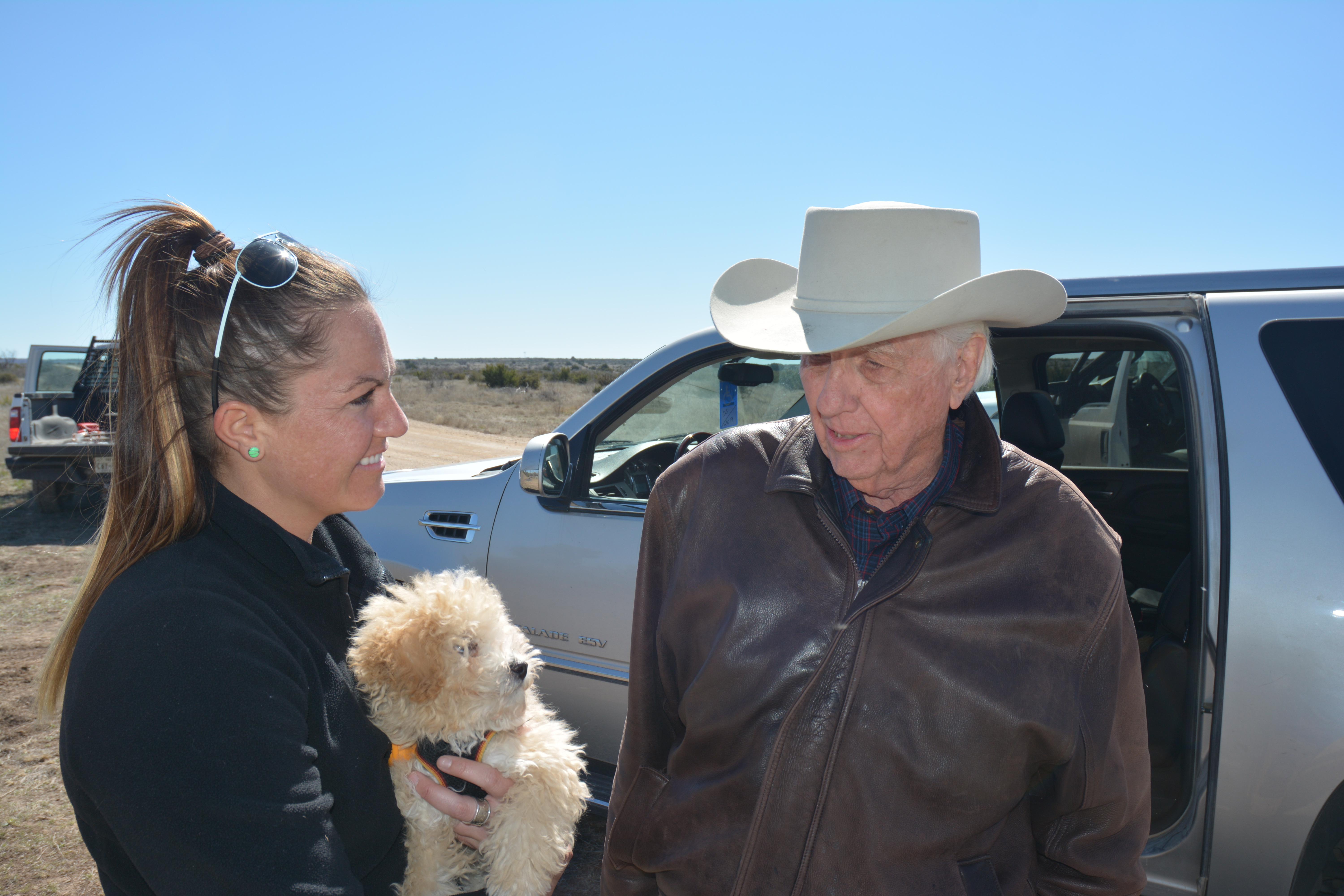
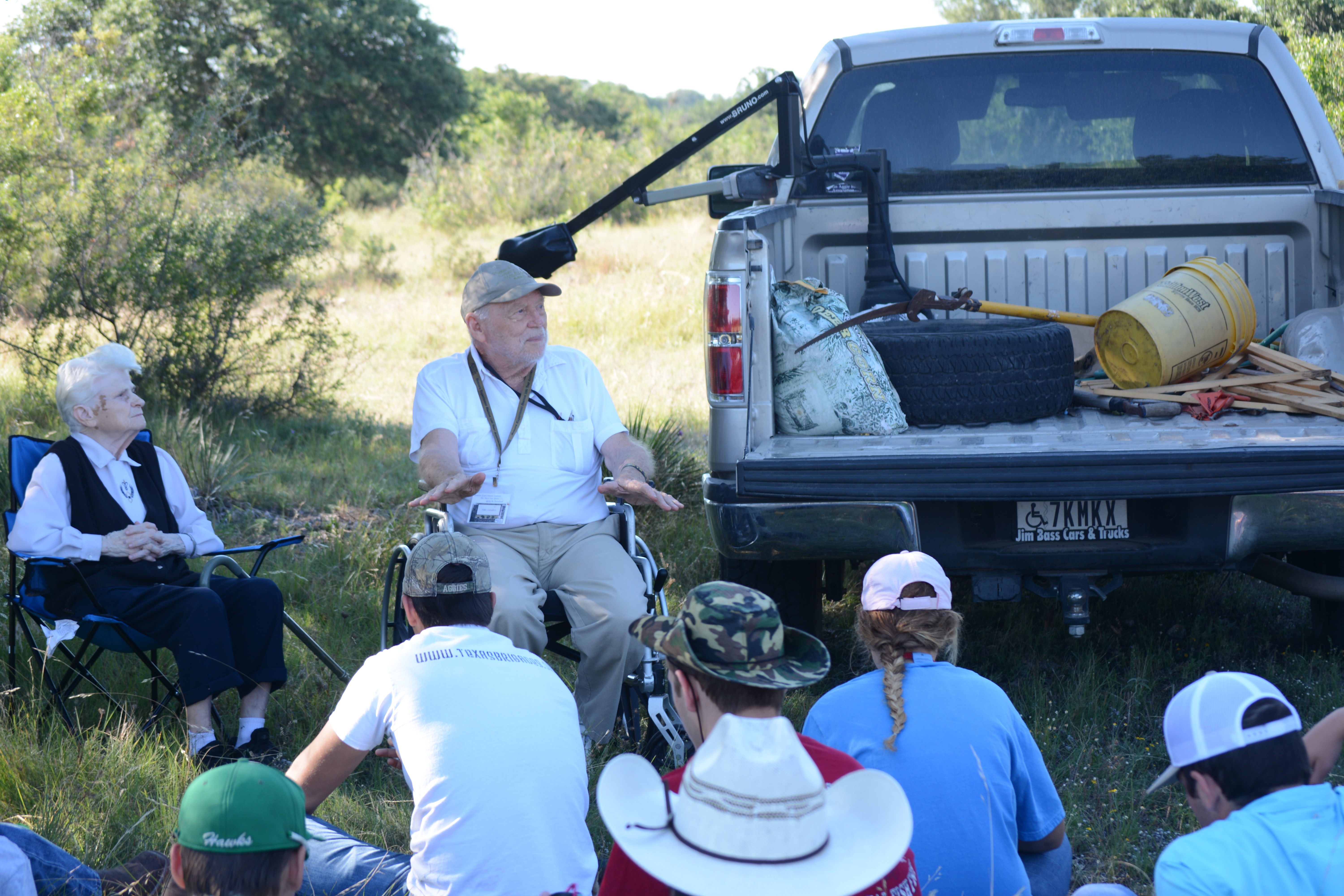
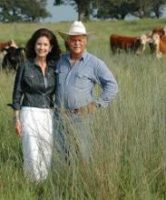
How did you get your start in ranching? The Price family began ranching in 1876. Frank Price has managed his family’s ranch for 40 years, first in partnership with his father, and then in partnership with his son Sims in 2011. Together, they run their cow-calf operation on 68,000 acres. Sims and his wife Krista are the fifth generations of Prices on the ranch, which they operate in four counties. The ranch operates with three primary income enterprises including sheep, cattle, and hunting. 

How important is agriculture to your family?  The Price family has two primary goals. First, the ranch is operated as a separate business, self-sustaining, and is expected to show an annual profit. Second, but equal, their goal is to leave their natural resources in the best possible condition for the next generations.The family is dedicated to these goals. They have recently started using Environmental Quality Incentive Program (EQIP) dollars to make continuous improvements to the ranch, and they also use controlled and prescribed burning to their benefit by adjusting their livestock grazing charts to include speed of moves, flash grazing, animal density and total deferment.

What makes ranching in West Texas so unique? In a normal year, they receive 18 inches of rainfall. These last two years have been abnormal, with exceptional drought and devastating wildfires, particularly in their area,” said Texas and Southwestern Cattle Raisers Association President Joe Parker, Jr. “Even though they had to reduce their herd to protect their land, they still found lessons in flexibility during the adversities. The Price family’s experiences with wildfire lead them to be a leading voice in Texas on inter-agency cooperation in fighting wildfires. We are glad to have his practical and sound leadership in such an important area.” The father-son partnership at Price Ranch represents the fourth and fifth generations of Prices to ranch in west Texas.

Filed Under: Brush Management, Grazing Management, Prescribed Burning, Why I Ranch Tagged With: ESAP, family, ranching, Rangeland, West Texas

Jimmie Powell – Thee Man

November 10, 2016 by morgan.treadwell

Mr. James L. Powell accepted the Foy Proctor Memorial Cowman’s Award of Honor in Midland last week and some of the greatest stories of West Texas were shared.

I first met Mr. Powell on a prescribed burn south of San Angelo and the man is just cool.  He is humble, gracious, hard-working, not to mention, a legend. He even has his own chapter in the Texas Cattle Barons book.  But in my book, he is right up there with John Wayne and other cowboy heroes. img_5557

The following is a story he told while at the 20th Fall Gatherin’.

“WWII was underway and all the cowboys who were in their 20s had been drafted if they hadn’t already enlisted.  We were rounding cattle in Reagan and Crockett County.  It encompassed about 64 sections.  The corrals where they loaded the cattle on the train were right in the city limits of Big Lake.  Back then we gathered the calves and weaned them as we worked a pasture.  We had all the calves grouped in a four-section pasture leading in to the corrals.  Now keep in mind it was just myself, my dad, and the foreman on that place and three boys that my dad got out of school that day.  We were handling about 400 head of fresh weaned calves, and we had started mov
ing those calves up the fenceline.  We had them grouped up on the north fenceline about a mile or so from the pens, and about the time they got those calves to the corrals, the train came by.  That engineer blew his whistle three or four times, and there was no way in the world we could hold those calves together.  They went between us and under us and before we knew it they were scattered all over that pasture again.  I know if my father could have caught that engineer, he would have talked to him about that.”

Filed Under: Brush Management, Grazing Management, Prescribed Burning Tagged With: cowboy, ranching, rangelands

Dr. Jake Landers’ Thoughts on Mesquite

November 9, 2016 by morgan.treadwell

Dr. Jake Landers morphed into a Range Father of mine overnight.  The second I met him he was my hero.

Dr. Jake Landers served as an Extension Range Specialist at the Texas A & M Research and Extension Center, San Angelo in 1979.  He developed techniques and procedure for individual plant treatment of brush and prickly pear cactus for ranchers in 17 counties.  He initiated prescribed burning as a procedure for managing rangeland to reduce undesirable species and stimulate grasses.  He wrote short articles for newspapers and magazines and continued writing after his retirement from the Extension Service.  He was recognized as the outstanding person in Range by the Texas Section of the Society for Range Management in 1990 and Sustained Lifetime Achievement Award by the parent society in 2016.

dsc_0806

Below, are Dr. Lander’s thoughts on mesquite.  Have a laugh, enjoy the irony, and appreciate the life-long hobby of brush management 🙂

“SOME OF MY DEEPEST THOUGHTS, SOME ON MESQUITE

  1. People who have a kind feeling toward Mesquite, by and large, have not had to make a living on Mesquite-covered rangeland.
  2. Mesquite trees, like West Texas ranchers, have roots deep in the land where we tend to admire and respect tenacity.
  3. Mesquite on rangeland reminds me of athlete’s foot; you can live without treating it for a long time, even a lifetime, but it is aggravating, and it tends to get worse if ignored.
  4. Mesquite shade is a poor excuse for shade.
  5. In a forest of Mesquite trees, none of them grow straight.
  6. The inside of a Mesquite tree when polished is prettier than the outside, unless it’s rotten.
  7. The smell of meat cooking over Mesquite wood coals is as pleasurable as opening a fresh can of your favorite coffee.
  8. I’ve never chewed on a Mesquite bean that I really liked, but it gives you something to do if you don’t have tobacco.
  9. Mesquite doesn’t seem to have any enemies except humans.
  10. A wooden nickel made of Mesquite is worth a lot in China, I’ll bet on it.
  11. If we came up with a sure-fire, cheap method of killing Mesquite, there would be at least one rancher who would complain about losing the beans for his cows during the next drought.
  12. I started making wooden nickels out of Mesquite to get rid of it, now I might have to replant some or borrow from my neighbors.
  13. I keep a few old Mesquite trees just to grow beautiful Mistletoe for Christmas decorations.
  14. Goats have been bred up to consume Cedar, why not breed up a llama to eat Mesquite leaves.
  15. There’s no thorn like a Mesquite thorn; it even hurts when you pull it out.
  16. When Algerita berries don’t make a crop, the Mockingbirds have to depend on Mistletoe berries on Mesquite and Hackberry.
  17. I almost disabled my pickup hitting a Mesquite stump hidden in the grass that grew after the tree was cut down.
  18. If you cut down a Mesquite and don’t paint the stump to keep it from sprouting, you are not going to Heaven when you die.
  19. Real old Mesquite are as rare as real old people, a tiny percent of the whole population.
  20. You would think there would be a disease like Oak wilt that could wipe out Mesquite.”

Thank you Dr. Landers!

Filed Under: Brush Management, Grazing Management, Plant ID Tagged With: AgriLife Extension, brush control, Dr. Jake Landers, Rangeland

Why I Ranch.

October 25, 2016 by morgan.treadwell

This October we are featuring Mr. James K. Rooter Brite, Jr. from Bowie, Texas.  Rooter is a father, rancher, conservationist, and my friend. The Brite Ranch has been a member of the Texas and Southwestern Cattle Raisers Association (TSCRA) for Rooter’s entire life. He has been a director of the TSCRA since 1999, and has served on their Agriculture and Research and Natural Resources and Environmental committees since 1994. He has served as a director of the Upper-Elm Red Soil and Water Conservation District since 1979. He has served on the Association of Texas Soil and Water Conservation Districts board and on the Texas State Soil and Water Conservation Board. He represents the National Association of Conservation Districts on the National Grazing Lands Conservation Initiative steering committee. Additionally, he serves on the National Cattlemen’s Beef Association, Natural Resource and Environment Committee.

rooter1How did you get your start in ranching? I am a third
generation on this ranch.  I was born and raised on the ranch where my grandfather J.A. Brite purchased in 1929. I took over my dad’s cow herd in the mid-1960s and purchased the ranch from dad in 1974, when I began full-time management of the ranch with my wife, Lynda, and eventually my son, J.K.

How important is agriculture to your family?  Agriculture is about one third of my income.  You have to look at the cumulative value of everything you do on the land. Management decisions you make now will make a difference 30 years from now. It all adds up, whichever direction you go. At an early age I learned the cause and effect of different land management practices. These first-hand lessons I learned from the land stimulated my desire to learn more and be diversified in my management. I apply land management practices that are practical, using common sense. I don’t do things because they are what somebody else thinks might be good. I do things because they work on this land, and that’s what makes the difference.

What makes ranching in West Texas so unique?  The only constant is inconsistency  with the weather and markets. 

Do you feel like there is enough emphasis on agriculture in K-12 education?  There needs to be a much greater attention on ag, but it must be taught by qualified and experienced teachers.

Who did you learn the most from along the way?  By college age, I was intrigued by the land so I enrolled in Texas Christian University’s two-year Ranch Management program. TCU Professor Chip Merrill inspired me to try new things and not be afraid to try something different. I approached the resource management of the ranch using a short-term reactionary response to changing forage, production, and anticipated market condition. My long-term management is of a continuing upward trend in success of native forage. I feel like we can utilize our current management methods and maintain, or in areas of need, improve the productivity of this ranch in an economically and environmentally sustainable manner.

Thank you Rooter!

Filed Under: Brush Management, Grazing Management, Prescribed Burning, Uncategorized, Why I Ranch Tagged With: #grazing #ranchmanagement #brush #grasslands

  • « Go to Previous Page
  • Page 1
  • Interim pages omitted …
  • Page 4
  • Page 5
  • Page 6
  • Page 7
  • Go to Next Page »

Recent Posts

  • Fire Up Plant Diversity!
  • New Publication! Photosensitization
  • Dry, Warm, Windy, and Fuel.
  • Lessons Learned – Pyro-Vortex Tornado on the Deer Creek Fire
  • Mapping Fire Before It Starts: How the Fireshed Project Strengthens Readiness in West Texas

Categories

  • 4-H Range Contests
  • Beef Cattle
  • Brush Management
  • Carbon Credits
  • Carbon Markets
  • Conservation
  • Conservation Practices
  • Drought Management
  • El Niño
  • Events
  • Goats
  • Grazing Management
  • La Niña
  • Land
  • Lessons Learned
  • Meet A County Extension Agent
  • Plant ID
  • Podcast
  • Prescribed Burn Associations
  • Prescribed Burning
  • Publications
  • Range Concepts
  • RAP
  • Sheep
  • Society for Range Management
  • Soil
  • Staff
  • Targeted Grazing
  • Uncategorized
  • Water
  • Weather
  • Why I Ranch
  • Wild Pigs
  • Wildfire
  • Wildfires
  • Wind
  • Woody Encroachment
  • Youth Range Workshop

Archives

Texas A&M AgriLife Extension Service
Texas A&M University System Member
  • Compact with Texans
  • Privacy and Security
  • Accessibility Policy
  • State Link Policy
  • Statewide Search
  • Veterans Benefits
  • Military Families
  • Risk, Fraud & Misconduct Hotline
  • Texas Homeland Security
  • Texas Veteran's Portal
  • Equal Opportunity
  • Open Records/Public Information