This article was co-authored with Kara Matheney.
With summer officially here, many folks are spending more time outside and on their land. Whether landowners are working cattle, fixing fence, hosting guests, or just enjoying time with family or friends, this time of year often brings a number of legal questions along with it.
I have been getting quite a few similar questions over the last several weeks, so I thought it might be helpful to walk through a few common legal issues that tend to pop up this time of year and highlight a few things to keep in mind.
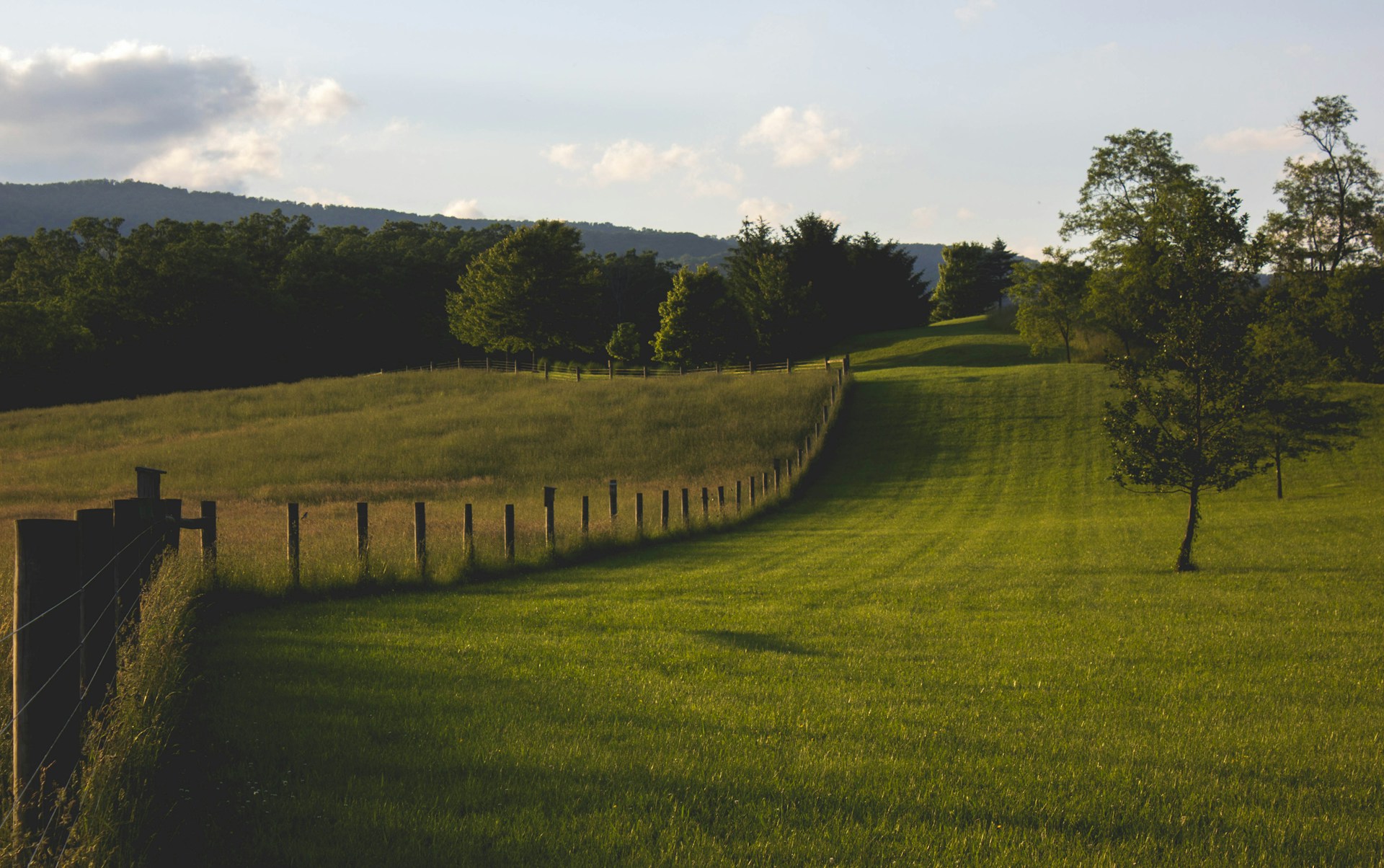
Photo by Collin on Unsplash
Trespass and Keeping People Off Property
As the weather warms up, it is not uncommon for landowners to notice more people out and about. This might include hunters scouting for the fall, folks looking to fish or birdwatch or similar activity, or simply people wandering onto property without permission.
Under Texas law, a person commits criminal trespass if they enter property without consent and have notice that entry is forbidden. That notice can come in several forms, including signs, fencing, or even the use of purple paint markings on posts or trees.
One thing I am often asked is whether landowners should post signs or use purple paint. The short answer is that both methods have the same effect, but the key is to make sure that markings comply with statutory requirements and are visible. We have a blog post describing this in detail here.
If keeping people out is a concern, now is a good time to review this law and get notice posted.
Fence Law
Summer also tends to be a busy time for fence repair and installation. With that comes questions about who is responsible for building or maintaining a fence.
For those folks spending the summer building fences, it is critical for landowners to confirm property lines prior to putting in the time, effort, and expense of building a fence. With regard to costs of fencing, in Texas, there is generally no law requiring a neighboring landowner to share in the cost of building a fence on a boundary line unless the neighbor agrees to do so.
Another common issue related to fencing is escaped livestock. Texas operates under a mix of open-range and closed-range laws, depending on the county and the type of roadway at issue. In open-range areas, the burden is typically on the landowner to fence animals out, meaning there is no obligation for a livestock owner to fence his or her animals. In closed-range areas, the livestock owner must fence animals in and may be liable for damage caused if they escape under certain circumstances. These questions often depend heavily on local law and specific facts, so it is important to understand how the county where the land is located is classified.
To learn more about Texas fence law, click here.
Agritourism and Hosting Guests
Summer is also a popular time for hosting guests on rural land. This might include hunting leases, day hunts, youth programs, or other recreational activities.
Texas law does offer certain liability protections to landowners who open their property for agritourism or recreational uses, but those protections are not automatic. For example, the Texas Agritourism Act provides limited liability in certain circumstances if specific warning signs are posted or written agreements are obtained from participants. Similarly, the Texas Recreational Use Statute and the Texas Farm Animal Liability Act are protections of which all landowners need to be aware to ensure compliance.
Additionally, having adequate liability insurance is critical for all property owners in Texas. Take the time to review the coverage for any land and ensure all activities you have going on are covered.
Final Thoughts
Summer on the farm or ranch is a busy and enjoyable time, but it is also a good opportunity to take a step back and think through some of these legal considerations.
A few simple steps can go a long way:
- Check your fences and boundary markings
- Make sure your signage is up to date
- Determine the open-range or closed-range status of your property
- Review any agreements with guests or leaseholders
- Stay aware of local rules that may affect your operation
- Review your liability insurance policy
These are the types of issues that may not seem urgent until they are. Taking a little time now can help avoid bigger headaches down the road.
We also have a great handbook, Owning Your Piece of Texas: Key Laws Texas Landowners Need to Know, that discusses these issues and more that Texas landowners need to consider.
If you have questions about any of these topics, feel free to reach out to your local Extension office or contact me. I always appreciate hearing what issues folks are dealing with on the ground.