This article was co-authored with Karli Kaase and Kara Matheney.
On June 3, 2026, the New World screwworm was confirmed in a calf near La Pryor, Texas. This has caused concern across the livestock, wildlife, and veterinary communities and a response from both state and federal agencies.
As response efforts continue, understanding the risks and knowing where to find reliable information are critical.
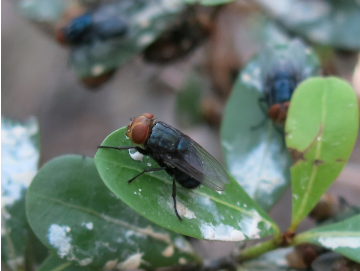
Photo via Texas A&M AgriLife Extension
What is the New World Screwworm?
New World screwworm is a parasitic fly whose larvae feed on the living tissue of warm-blooded animals. Infestations can develop rapidly, causing severe tissue damage and creating serious animal welfare and human health concerns if left untreated.
Animals with open wounds, recent surgical sites, branding marks, or other skin injuries are particularly vulnerable. Because infestations can spread quickly, early detection and reporting remain the most effective tools for limiting impacts.
Resources Available for Texans
To support animal owners and agricultural stakeholders, Texas A&M AgriLife Extension Service specialists have developed a series of educational materials covering identification, prevention, monitoring, and management strategies. All materials can be found on the Texas A&M AgriLife Screwworm website.
Available topics include:
These materials are designed to help producers make informed management decisions while supporting statewide detection and response efforts. Those seeking assistance can also contact their local County Extension Agent, who can help connect producers with subject-matter experts and current educational materials.
What to Do for a Suspected Infestation
Any animal exhibiting unusual wound activity, visible larvae, or signs consistent with screwworm infestation should be evaluated immediately.
If New World screwworm is suspected:
- Separate the affected animal(s) from others when possible.
- Contact a veterinarian for evaluation.
- Notify the Texas Animal Health Commission for guidance on testing and reporting at 1-800-550-8242.
- Avoid transporting the animal(s) until receiving direction from animal health officials.
Prompt action can help reduce the risk of additional cases and support ongoing surveillance efforts.
Agency Jurisdiction and Response
Several agencies on both the state and federal issue are responding to the NWS. This includes the United States Department of Agriculture (USDA), the Food and Drug Administration (FDA), and the Texas Animal Health Commission (TAHC).
- USDA: Under the Animal Health Protection Act, the USDA is authorized to prohibit or restrict the importation or movement of animals and to take emergency action to prevent the spread of animal pests and diseases. The USDA implemented a five-pronged plan to address the NWS and actions have included renovating and building additional sterile fly facilities in Texas and Mexico, closing the US/Mexico border for cattle imports, and pursuing innovative research to better fight the NWS. More information is available on the USDA NWS website.
- FDA: The FDA authority stems from Section 564 of the Federal Food, Drug, and Cosmetic Act, which allows the FDA to issue Emergency Use Authorization for certain products in the event of a public health emergency. Beginning in October 2025, the FDA has issued these emergency use authorizations for a number of products to help prevent and treat NWS infestations. To see current approved product information, visit the FDA NWS website.
- TAHC: The TAHC is authorized under the Texas Agriculture Code Chapter 161 to establish movement restrictions against all or a portion of the state to protect livestock, exotic livestock, domestic fowl, and exotic fowl in Texas from disease. As of June 3, 2026, there are quarantined zones within Texas where movement is restricted. At this point, the quarantined zones require authorization from the TAHC before any warm-blooded animals are moved outside of the zone, including inspection and treatment as required by the TAHC. As the quarantine zones continue to change, please keep up with the TAHC website for more information on the locations and specific restrictions within Texas.
Working Together to Protect Animal Health
The successful eradication of New World screwworm from the United States decades ago was made possible through coordinated efforts among producers, veterinarians, researchers, and government agencies. Continued vigilance will be equally important as officials monitor the current situation.
Texas producers are encouraged to stay informed, routinely inspect animals for wounds and abnormalities, and communicate with local animal health professionals when concerns arise.
Report Suspicious Cases
Immediately isolate any suspected animals and contact:
- Local veterinarian or wildlife biologist
- Texas Animal Health Commission: 1.800.550.8242
- U.S. Department of Agriculture Veterinary Services: 512.383.2400
To prevent unintentional spread, avoid transporting any suspected animals until advised.
I will leave you with this final thought – as a lawyer, as a rancher, as a staunch supporter of agriculture, I encourage everyone to be vigilant and work together to help ensure we are united in our efforts. If you see something or suspect something, report it.