• Skip to primary navigation
  • Skip to main content
  • Skip to primary sidebar
  • Texas A&M Forest Service
  • Texas A&M Veterinary Medical Diagnostics Laboratory
  • Texas A&M AgriLife Extension Service
  • Texas A&M AgriLife Research
  • Texas A&M College of Agrculture and Life Sciences
West Texas Rangelands
West Texas RangelandsWe hope to provide a variety of science-based rangeland information and current research on prescribed fire, wildfires, brush management, and grazing management!
  • Menu
  • Home
  • About & Contact
  • Publications
    • Extension Publications
    • Refereed Journal Articles
    • Program Summaries
  • Events
  • Lunch N’ Learn
  • Infographics
    • Drought
    • Grazing
    • Herbicide
    • Prescribed Fire
    • Rangeland Plants
    • Wildfire
  • Range Resources
    • Published to Pasture
    • Range Concepts
  • Fire Resources
  • Sponsors
  • AgriLife Learn Online Courses

Fuel, Weather, and Risk: Monitoring Wildfire Conditions on Your Land

January 21, 2026 by morgan.treadwell

Wildfire risk on rangelands is influenced by changing conditions rather than a fixed season. Weather patterns, vegetation growth, and fuel dryness all vary throughout the year. Monitoring these conditions helps landowners and managers understand when wildfire risk may increase and supports better decision-making. 

Tracking Fuel Conditions
One of the most important factors to watch is fuel condition. Grasses and other fine fuels dry at different rates depending on temperature, wind, and recent precipitation. After periods of rainfall, rangelands may produce increased vegetation that later becomes dry fuel. Observing changes in fuel amount and dryness over time provides valuable context for management activities. 

Watching Weather Patterns
Weather conditions also play a key role. Low humidity, strong winds, and extended dry periods can increase fire potential. Monitoring forecasts and short-term weather trends helps identify periods when caution may be needed. These conditions can occur at any time of year in West Texas, including winter months. 

Using Regional Data Tools
In addition to on-the-ground observations, land managers can use online tools to track broader trends. The Rangeland Analysis Platform (RAP) provides data and visual tools that help users assess vegetation productivity, drought patterns, and long-term rangeland conditions. This platform allows landowners to view changes across large areas and compare current conditions to historical averages. 

Connecting Data with Local Knowledge
Using tools like RAP alongside local knowledge creates a clearer picture of rangeland conditions. While no single dataset can predict wildfire, combining field observations with regional data improves awareness and supports informed planning. 

Applying What You Observe
Monitoring conditions also helps guide everyday decisions. Timing of equipment use, grazing rotations, or vegetation treatments can be adjusted based on current fuel and weather conditions. This approach reduces unnecessary risk while maintaining normal land management operations. 

Staying Aware Over Time
Monitoring is not about expecting wildfire to occur. Instead, it is a way to stay informed and adaptable. Conditions change, and understanding those changes helps landowners respond thoughtfully rather than reactively. 

Filed Under: Conservation, Conservation Practices, Land, Wildfire, Wildfires Tagged With: #grazing #ranchmanagement #brush #grasslands, Conservation Management, wildfire, wildfire prevention, Wildfires

Roads, Buffers, and Water: Preparing Your Ranch for Wildfire

January 14, 2026 by morgan.treadwell

Wildfire is one of several natural disturbances that can affect West Texas rangelands under certain conditions. While wildfire does not occur every year or on every property, periods of dry weather, low humidity, and strong winds can increase risk. January provides a useful time to evaluate infrastructure and address potential vulnerabilities ahead of higher-risk periods. 

Infrastructure influences both wildfire prevention and response. Roads, fences, water sources, and access points affect how fire may move across a landscape and how landowners or responders may access an area if a wildfire occurs. Maintaining these systems can reduce potential impacts and improve safety. 

Roads and Access Points 

Well-maintained roads improve access for routine management and can be important if emergency access is needed. Roads also create breaks in vegetation that may slow fire spread under certain conditions. Keeping roads passable and managing vegetation along road edges helps maintain these benefits. 

Fence Lines and Corridors 

Fence lines, pipelines, and utility corridors often accumulate grasses and debris. These areas can create continuous fuel pathways if ignited. Managing vegetation along these corridors helps reduce fuel continuity and may limit fire movement between pastures. 

Water Availability

Water infrastructure can support wildfire response if needed. Stock tanks, ponds, and troughs should be accessible and free of excessive vegetation. Clearly identifying water access points ahead of time improves readiness without assuming they will be needed. 

Structures and High-Use Areas 

Barns, sheds, working pens, and equipment areas are commonly used spaces where ignition sources may be present during dry and windy conditions. Reducing fine fuels around these areas helps lower the chance that a fire could spread to structures. Maintaining open space around buildings also improves visibility and access. 

Planning and Timing 

Infrastructure preparation is most effective when addressed well before high-risk conditions develop. Reviewing access routes, identifying areas with heavy fuel accumulation, and making gradual improvements allows flexibility in management decisions. 

Wildfire is not guaranteed, but preparation supports resilience. Maintaining functional infrastructure improves overall land management and ensures that, if wildfire conditions develop, landowners are better positioned to respond safely and effectively. 

Visit our site to learn more about wildfire risk.

Filed Under: Water, Wildfire, Wildfires Tagged With: wildfire, Wildfires

National Prescribed Fire Resource Mobilization Strategy

August 16, 2023 by jaime.sanford

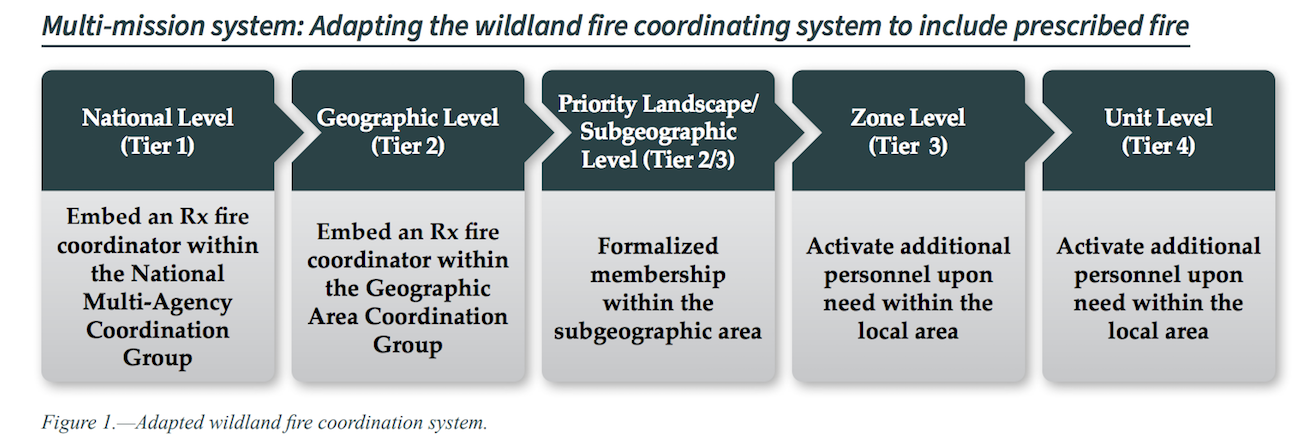
This summer the National Prescribed Fire Resource Mobilization Strategy was released. The plan calls for six prescribed fire implementation teams to be created that will incorporate prescribed fire practitioners and expertise into a management structure.  This concept would support the implementation of prescribed fire at multiple organizational and complex levels. These teams would be tailored to meet specific needs and facilitate multiple projects simultaneously. Each function that supports the implementation of prescribed burning can be scaled up or down at any level, to ensure that logistical, financial, planning, safety, and public information are staffed accordingly. 


[Read more…] about National Prescribed Fire Resource Mobilization Strategy

Filed Under: Prescribed Burn Associations, Prescribed Burning, Wildfire, Wildfires Tagged With: Prescribed Burn, prescribed burn associations, prescribed burning, prescribed fire, RX Fire, rxfire, wildfire, Wildfires

Wildfire SAFE App!

June 21, 2023 by jaime.sanford

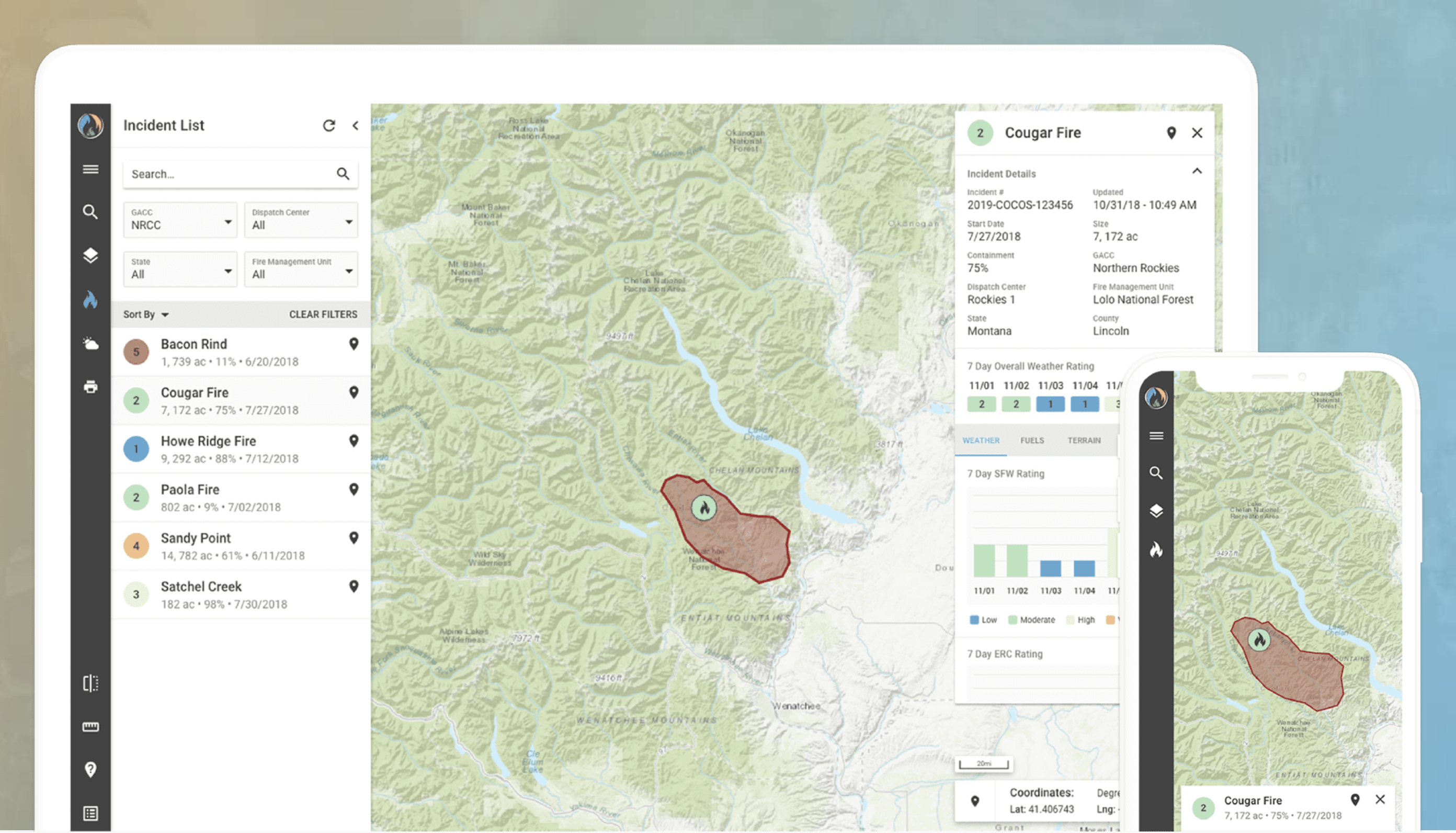
Depending on where you live in the United States, Wildfire season is either upon you or coming up. Crucial information about weather updates and knowing when and where potential severe fire conditions are key. Did you know that the Wildfire SAFE is an app that provides all of this information? 

[Read more…] about Wildfire SAFE App!

Filed Under: Wildfire Tagged With: wildfire, Wildfires

Central Texas Fuels Reduction Grant

April 12, 2023 by jaime.sanford

The Central Texas Fuels Reduction Grant has officially opened! This an opportunity for Central Texas Landowners to apply for the SFAM Mechanical Fuels Reduction Grant to help reduce risks posed to their property by wildfire. 

[Read more…] about Central Texas Fuels Reduction Grant

Filed Under: Brush Management, Conservation, Conservation Practices, Prescribed Burning, Wildfires Tagged With: brush management, Conservation, Grants, Prescribed Burn, Wildfires

Increase in Wildfires Across the Great Plains

March 8, 2023 by jaime.sanford

There have been rapid changes in wildfire patterns and increases in acres burned that have been documented on almost every continent. In Europe, forest fires have increased from 40,000 to more than 95,000 per year. In the United States, over 68,000 wildfires have occurred. With the increase in fires, there has been increasing pressure to identify areas that may experience increases in wildfires in future decades. [Read more…] about Increase in Wildfires Across the Great Plains

Filed Under: Wildfires Tagged With: Great Plains, Wildfires

Recent Posts

  • Fuel, Weather, and Risk: Monitoring Wildfire Conditions on Your Land
  • Roads, Buffers, and Water: Preparing Your Ranch for Wildfire
  • Fuel on the Ground: Managing Vegetation to Reduce Wildfire Risk 
  • Managing Old World Bluestems…A Review
  • Fire and Follow-Through!

Categories

  • 4-H Range Contests
  • Beef Cattle
  • Brush Management
  • Carbon Credits
  • Carbon Markets
  • Conservation
  • Conservation Practices
  • Drought Management
  • El Niño
  • Events
  • Goats
  • Grazing Management
  • La Niña
  • Land
  • Lessons Learned
  • Meet A County Extension Agent
  • Plant ID
  • Podcast
  • Prescribed Burn Associations
  • Prescribed Burning
  • Publications
  • Range Concepts
  • RAP
  • Sheep
  • Society for Range Management
  • Soil
  • Staff
  • Targeted Grazing
  • Uncategorized
  • Water
  • Weather
  • Why I Ranch
  • Wild Pigs
  • Wildfire
  • Wildfires
  • Wind
  • Woody Encroachment
  • Youth Range Workshop

Archives

Texas A&M AgriLife Extension Service
Texas A&M University System Member
  • Compact with Texans
  • Privacy and Security
  • Accessibility Policy
  • State Link Policy
  • Statewide Search
  • Veterans Benefits
  • Military Families
  • Risk, Fraud & Misconduct Hotline
  • Texas Homeland Security
  • Texas Veteran's Portal
  • Equal Opportunity
  • Open Records/Public Information