
As of July 2026, the Texas Real Estate Commission (TREC) adopted a new form requiring disclosure of certain water information in many land sales transactions. This is a significant change, and it is critical issue of which landowners, potential land purchasers, real estate agents, and attorneys must be aware. This development highlights something we have discussed on this blog many times: water can be one of the most valuable and complicated assets associated with Texas land.
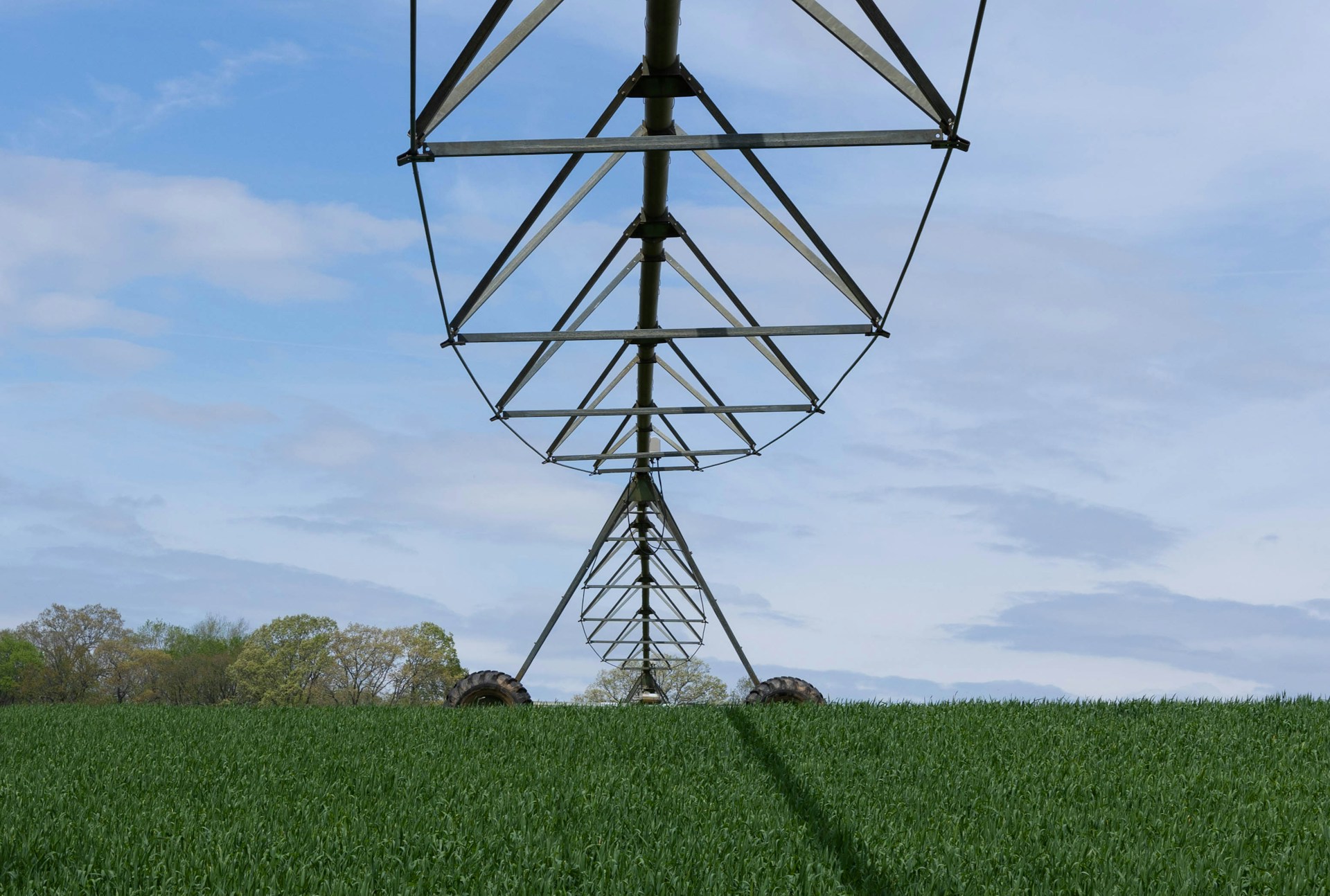
Center pivot sprinkler / Photo by Leslie Cross on Unsplash
What Is It?
TREC’s new Seller’s Disclosure about Groundwater and Surface Water Rights (Form 61-0) became effective on July 1, 2026. This form will require the Seller to make the water-related disclosures in many real estate transactions across the state. As the name suggests, this form is a disclosure to be completed by the Seller in transactions where it is required. It is a two-page document where the Seller essentially provides information about the groundwater rights and surface water rights associated with the property. Importantly, a Seller must complete the form to the best of their knowledge.
When Is It Necessary?
The disclosure is required to be completed for sales using TREC contracts. For most property sales utilizing TREC contracts, the seller will need to make the disclosure. There is, however, a five-part exception to the disclosure requirement. If a Seller can answer “yes” to all five of these questions, no disclosure is required: (1) There are no active, capped, or abandoned water wells on the property; (2) there are no ponds, lakes, or tanks on the property; (3) The seller does not hold any surface water rights or permits from the TCEQ to divert or use surface water; (4) There have been no prior severances, sales, or leases of groundwater rights; and (5) The property receives its water exclusively from a named city, Municipal Utility District, Water Supply Corporation, or private water company.
What Information Is Required to be Disclosed?
If the seller is required to complete a disclosure, there are sections for both groundwater and surface water.
Groundwater
For groundwater, the form requires the Seller to disclose whether the property is located within a Groundwater Conservation District. If so, the Seller must identify the name and website of the Groundwater Conservation District. The Texas Water Development Board has a map of the current Texas Groundwater Conservation Districts that might be helpful in completing this section. Another resource is the Texas Alliance of Groundwater Districts has an interactive map.
Next, the Seller must state whether they are aware of any water wells on the property and, if so, they must state the total number of wells, how many are currently in use, how many are not in use that have been capped, covered, plugged or abandoned, and identify any applicable Groundwater Conservation District permit or registration numbers. Additionally, for any identified water wells, the Seller must state whether they are owned and operated by the Seller for the sole benefit of the property, or if they are owned or operated by another person or governed by any other agreements.
The Seller must state whether the property receives water from a water well located on another property and whether a water well on the property relies on groundwater rights owned or leased from land outside the bounds of the property.
Lastly, the Seller must state whether they are aware of the property’s groundwater rights being severed, sold, or leased.
Surface water
For surface water, a Seller must disclose if they have a permit, filing, or certificate of adjudication from the TCEQ for surface water rights associated with the the property. If they do, they must identify the permit, filing or certification of adjudication number, and anyone else who may have an interest in said water rights.
Additionally, the Seller must disclose if there are any ponds, lakes, or water tanks on the property, whether or not they currently hold water.
What Penalties Exist for Failure to Disclose?
If a Seller does not deliver a disclosure when it is required, the Buyer may terminate the contract and likely get their earnest money back. If the Seller makes material misrepresentations on the disclosure form, that could result in legal claims for fraud, negligent misrepresentation, or other causes of action related to failure to disclose.
Key Takeaways for Landowners
It is important for any landowner looking to buy or sell land to be aware of these new required disclosures. In addition, these disclosures give landowners a good idea of the various issues related to water rights in Texas. Understanding Texas water law and the rights associated with landownership are extremely important. Even if a landowner is not planning to sell their property, taking the time to research the questions included in the disclosure form can be a good way to learn more about the water sources on the property.
All landowners–whether buyers or sellers–should carefully review all portions of any real estate sales contract, including this disclosure. I recommend working with an attorney to help understand or negotiate any contracts, including contracts related to the sale or purchase or real estate.
More Information
To learn more about Texas water law, check out Chapter 4 of our Owning Your Piece of Texas handbook. To learn more about this Disclosure, listen to our podcast episode with Dr. Charles Porter.