Mesquite (Prosopis spp.) is a tough, invasive shrub that plagues rangelands across Texas and beyond, outcompeting native grasses, reducing forage for livestock, and altering wildlife habitats. For ranchers aiming to boost grazing productivity, conservationists focused on restoring biodiversity, and wildlife managers enhancing quail or deer cover, effective mesquite management is key. But timing your herbicide applications, especially foliar sprays, can make all the difference. Drawing from a ten-year dataset spanning counties like Hamilton, Jack, Hood, Eastland, Comanche, Tom Green, and Schleicher, let’s explore how environmental factors like soil temperature influence mesquite mortality rates one and two years after treatment (YAT).

Insights from the Field Trials
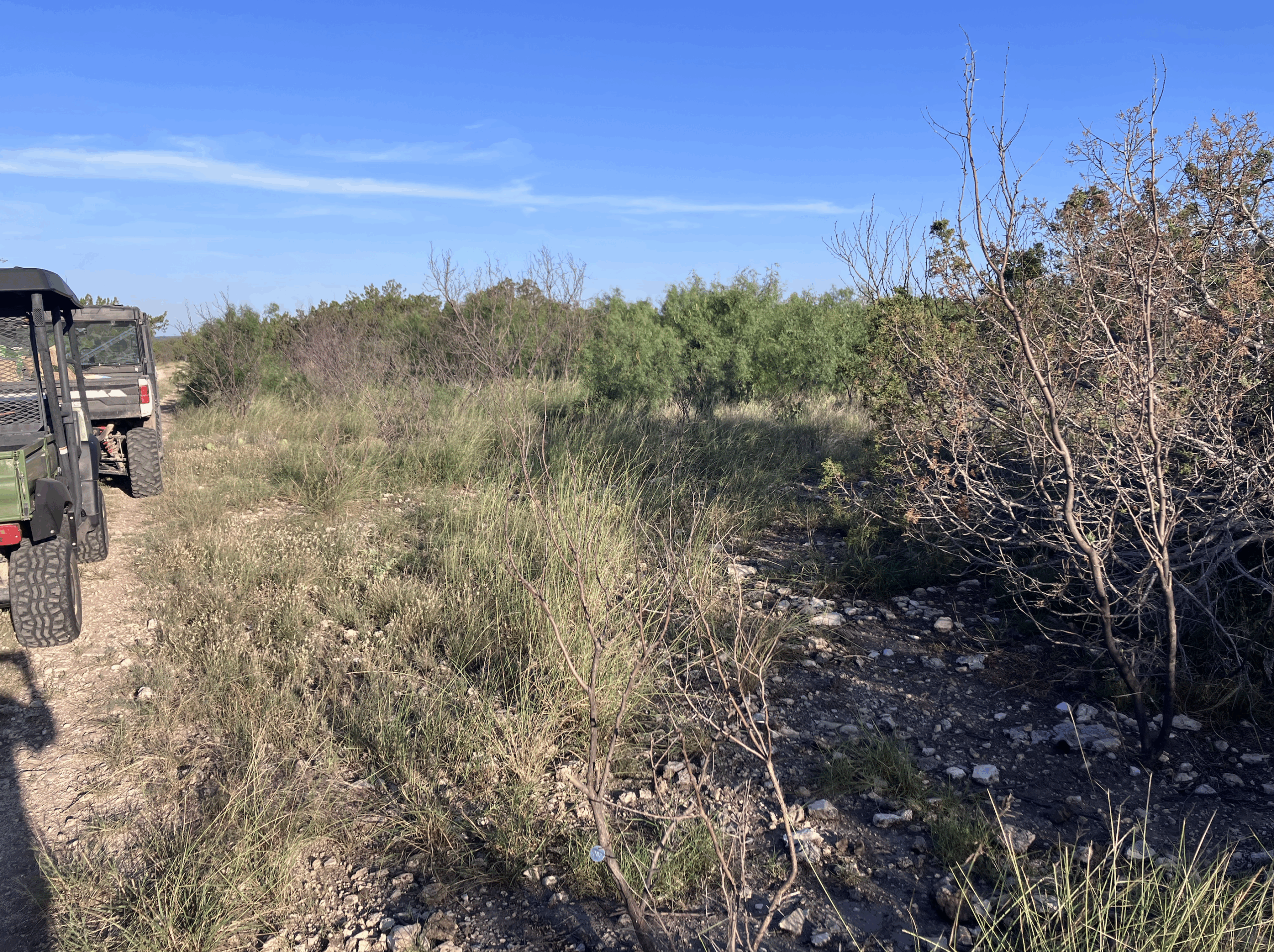
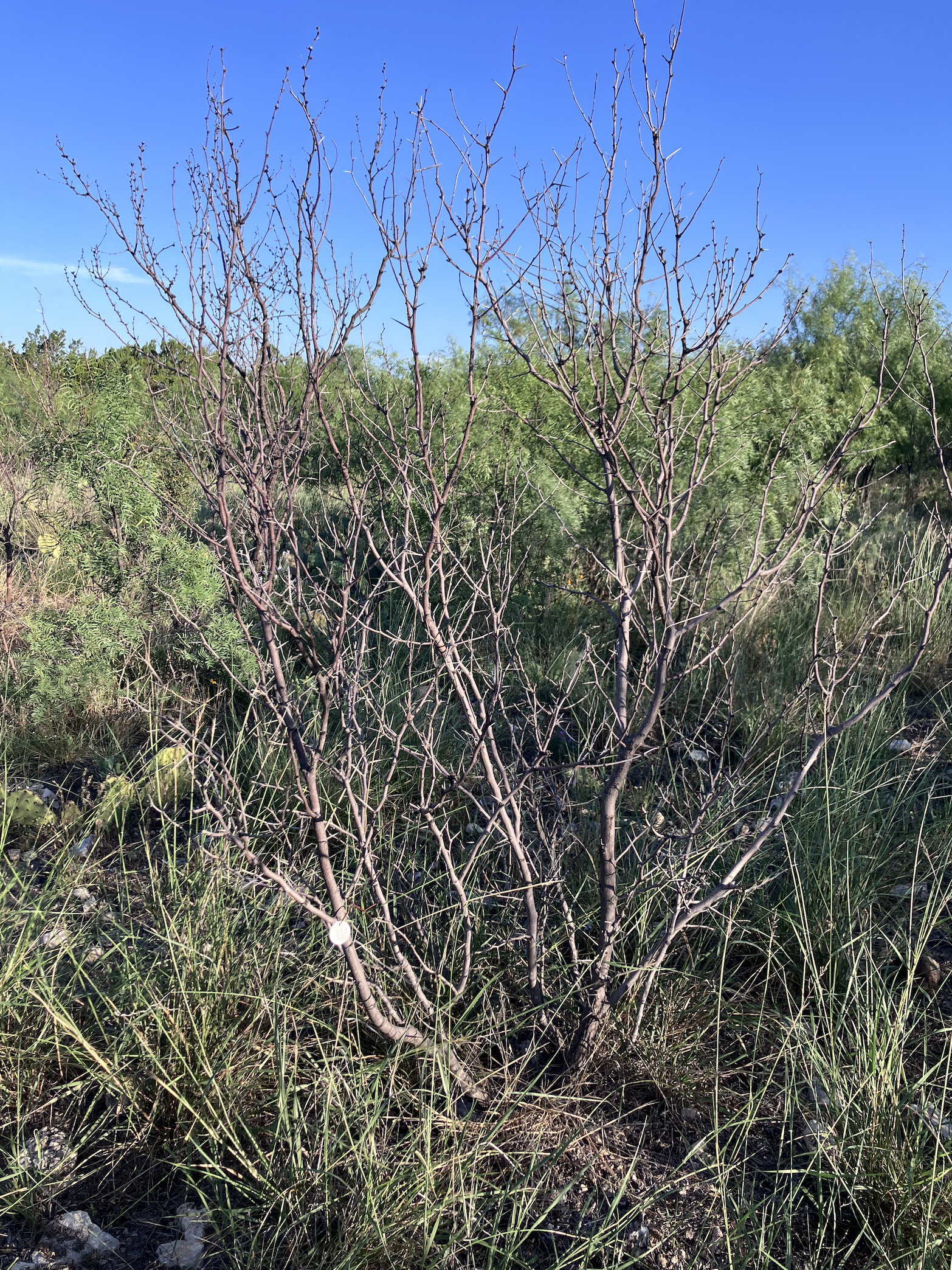
This dataset compiled over 500 observations across 10 years from individual plant treatment (IPT), from 5 Texas counties, tracking percent mortality alongside variables such as soil temperature (12-inch depth), air temperature, and relative humidity. While individual results varied by site and conditions, clear patterns emerge when we aggregate the data.
- Peak Performance in Late Spring/Early Summer: Applications in May and June yielded the highest average mortality—around 88% at 1 YAT and 92% at 2 YAT in May, dropping slightly to 85% and 86% in June. These months coincide with rising soil temperatures (averaging 70°F in May and 79°F in June), when mesquite is actively growing and translocating herbicides to roots more effectively.
- Decline in Late Summer and Fall: By July and August, averages dip to 75% (1 YAT) and 66% (2 YAT) in July, further to 56% and 68% in August, despite warmer soils (82°F average). September through November show even lower efficacy, with November applications averaging just 3% at 1 YAT and 9% at 2 YAT—likely due to cooler soils (68°F) and plants entering dormancy.
- Soil Temperature’s Role: While warmer soils are indicative of growing conditions, it is not the primary driver of plant mortality – IT’S THE TREE!!! There is no statistical significant difference between spraying below 75F and above 75F (P = 0.300) soil temperature at 12” depth. These results emphasize that if the target tree is healthy, full leaf, and mature in phenology stage, it is ready to be sprayed!
Practical Tips for Your Operation
- Target May-June Window: For most Texas regions, this period offers the sweet spot of active growth without excessive heat stress, grasshoppers or other insect damage, and hopefully before cotton is in the ground. Adjust for your county’s microclimate, e.g., earlier in southern areas like Tom Green.
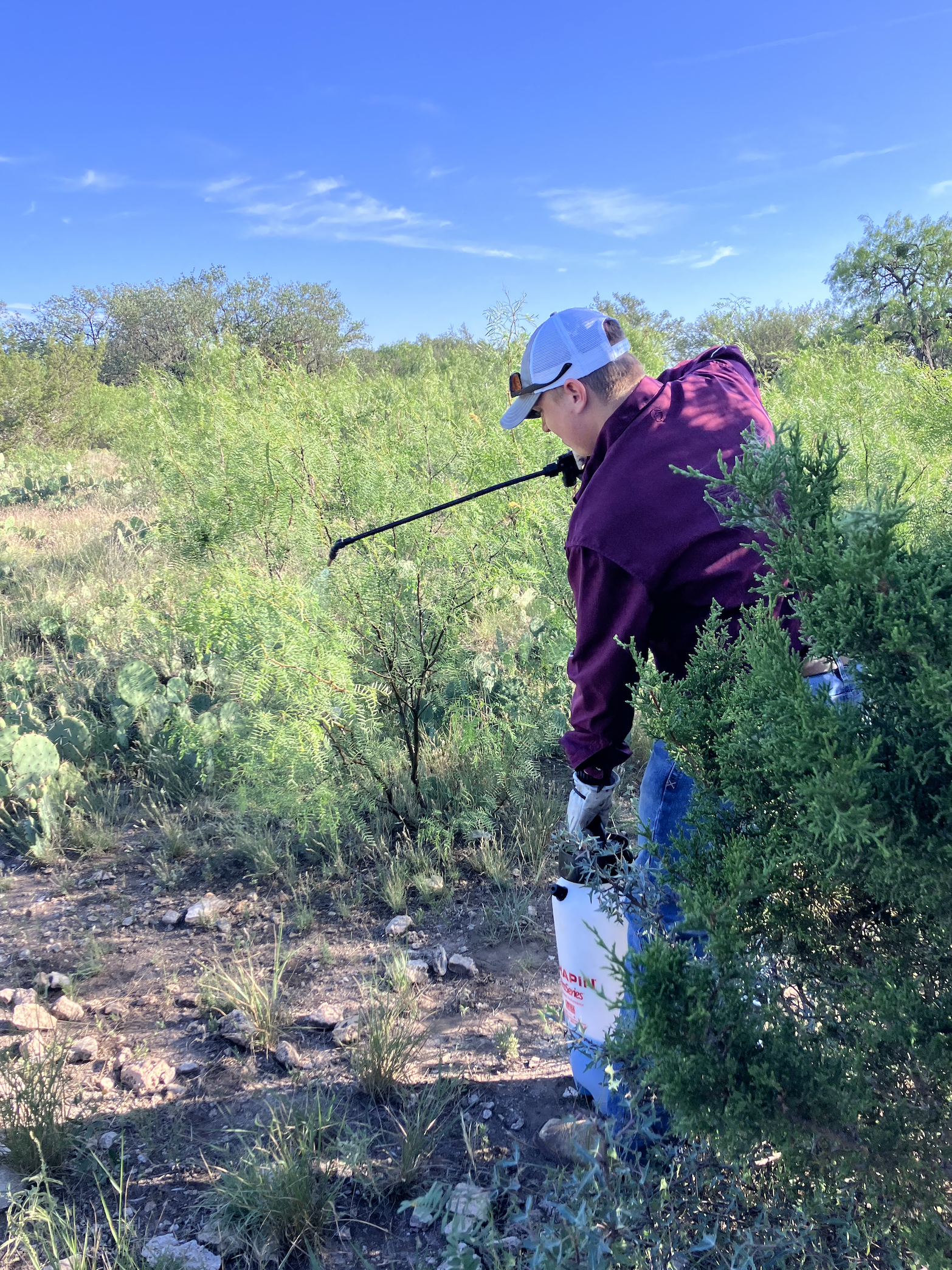

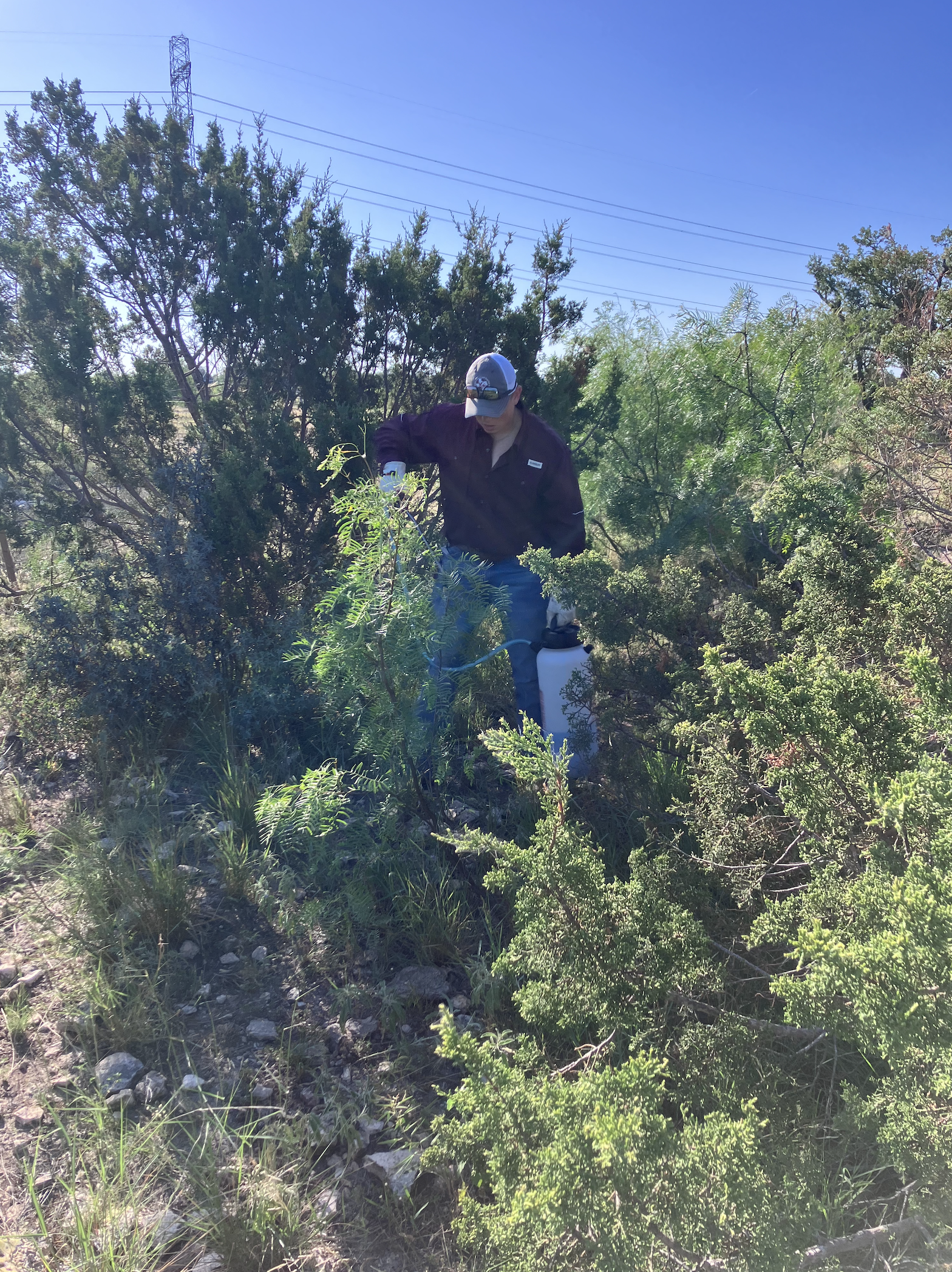

By syncing sprays with healthy trees and peak growth, you can achieve higher kill rates, saving time and resources while promoting healthier rangelands. Whether you’re running cattle, promoting biodiversity, or managing for open-spaces, data-driven timing turns mesquite from foe to forgotten!! Happy spraying and spray for the tree!
*These data are currently being drafted for submission to Rangeland Ecology and Management.