• Skip to primary navigation
  • Skip to main content
  • Skip to primary sidebar
  • Texas A&M Forest Service
  • Texas A&M Veterinary Medical Diagnostics Laboratory
  • Texas A&M AgriLife Extension Service
  • Texas A&M AgriLife Research
  • Texas A&M College of Agrculture and Life Sciences
West Texas Rangelands
West Texas RangelandsWe hope to provide a variety of science-based rangeland information and current research on prescribed fire, wildfires, brush management, and grazing management!
  • Menu
  • Home
  • About & Contact
  • Publications
    • Extension Publications
    • Refereed Journal Articles
    • Program Summaries
  • Events
  • Lunch N’ Learn
  • Infographics
    • Drought
    • Grazing
    • Herbicide
    • Prescribed Fire
    • Rangeland Plants
    • Wildfire
  • Range Resources
    • Published to Pasture
    • Range Concepts
  • Fire Resources
  • Sponsors
  • AgriLife Learn Online Courses

Prescribed Fire Lessons

May 29, 2024 by jaime.sanford

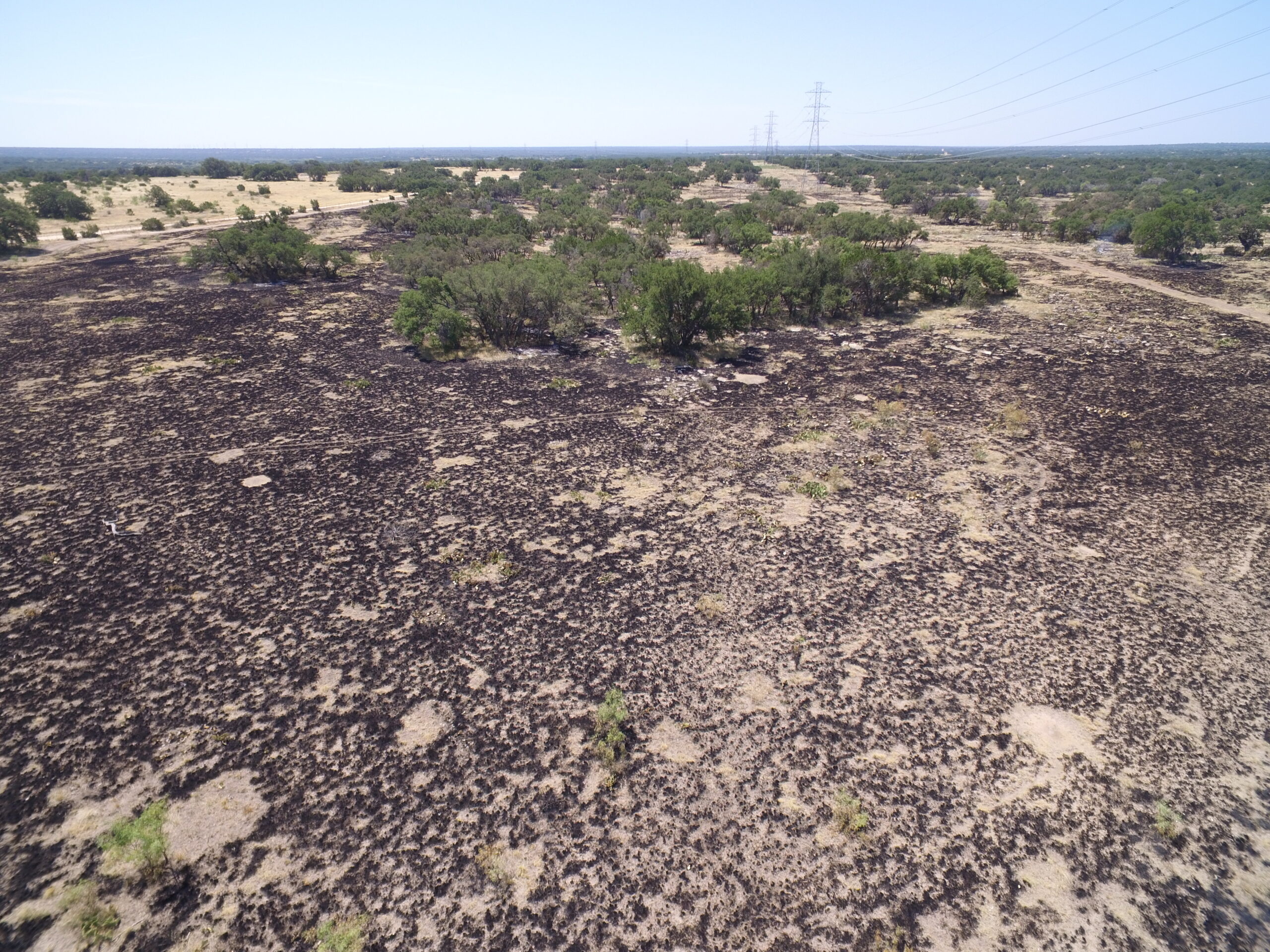
The Nebraska Prescribed Fire Council has published its second issue of Prescribed Fire Lessons Learned! The Nebraska Prescribed Fire Council takes submissions from practitioners on lessons learned from prescribed fires to assist producers, landowners, PBAs, and other prescribed fire professionals to keep improving season after season.  This forum has been invaluable in learning from one another in hopes that mistakes or judgment calls turn into valuable lessons for all of us building and contributing to prescribed fire culture. Below are some highlights from this issue. 

Advice from Paul in Illinois

  • Always carry a reliable method of starting fire for drip torch
  • Structural firefighting Nomex® or similar hoods are worth trying
  • Especially for new prescribed burners – teaching practitioners to “always keep their head on a swivel” is critically important
  • Try backpack blowers

Lessons learned from South Carolina

  • Don’t rush
  • Delaying start time an extra hour or two can make a big difference
  • Don’t discount a good backing fire when fuel consumption is an objective

Lessons learned from Alabama

  • Communication is key
  • Always allow a backing fire to black in at least a few chains before setting a head fire
  • Always pay attention to potential wind funnels, like right-of-ways

Advice from Grant in Nebraska

  • Tanks with center drains will help mitigate this issue
  • If building a tank, add internal baffling

Lessons learned from Nebraska

  • Any large equipment like a dozer used for fire break periodically could have rodents build nests in the engine exhausts
  • Carry a fire extinguisher or other suppression equipment in hazardous landscapes

For more information and lessons learned, be sure to check out the full article here!

Filed Under: Brush Management, Lessons Learned, Prescribed Burn Associations, Prescribed Burning, Wildfire

Recent Posts

  • Fire Up Plant Diversity!
  • New Publication! Photosensitization
  • Dry, Warm, Windy, and Fuel.
  • Lessons Learned – Pyro-Vortex Tornado on the Deer Creek Fire
  • Mapping Fire Before It Starts: How the Fireshed Project Strengthens Readiness in West Texas

Categories

  • 4-H Range Contests
  • Beef Cattle
  • Brush Management
  • Carbon Credits
  • Carbon Markets
  • Conservation
  • Conservation Practices
  • Drought Management
  • El Niño
  • Events
  • Goats
  • Grazing Management
  • La Niña
  • Land
  • Lessons Learned
  • Meet A County Extension Agent
  • Plant ID
  • Podcast
  • Prescribed Burn Associations
  • Prescribed Burning
  • Publications
  • Range Concepts
  • RAP
  • Sheep
  • Society for Range Management
  • Soil
  • Staff
  • Targeted Grazing
  • Uncategorized
  • Water
  • Weather
  • Why I Ranch
  • Wild Pigs
  • Wildfire
  • Wildfires
  • Wind
  • Woody Encroachment
  • Youth Range Workshop

Archives

Texas A&M AgriLife Extension Service
Texas A&M University System Member
  • Compact with Texans
  • Privacy and Security
  • Accessibility Policy
  • State Link Policy
  • Statewide Search
  • Veterans Benefits
  • Military Families
  • Risk, Fraud & Misconduct Hotline
  • Texas Homeland Security
  • Texas Veteran's Portal
  • Equal Opportunity
  • Open Records/Public Information