 On July 17, 2025, a rapidly growing brush and grass fire broke out in the steep slopes of Cottonwood Flats, near the community of Rulison, Colorado. This area is known for its oil and gas infrastructure, and fire resources are regularly briefed on the presence of these operations.
The wildfire’s east side saw the most growth. However, the majority of the oil and gas infrastructure was located on the fire’s northwest flank, where it experienced lower-intensity backing and flanking fire. Two above-ground natural gas lines were near the heel of the fire, one steel and the other a “FlexSteel” pipe. According to local fire and oil and gas personnel, most gas lines are typically buried underground.
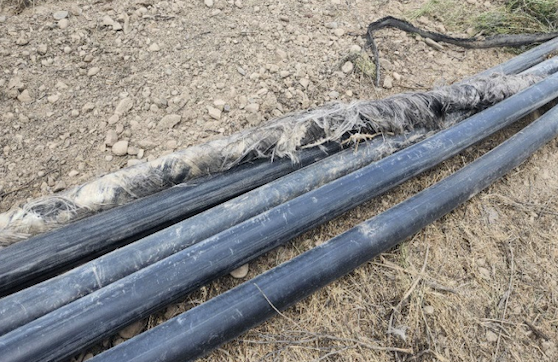
FlexSteel pipes are commonly used for petroleum transportation and have a good safety record. However, they are designed to withstand a maximum heat of only 185°F. When the wildfire’s high temperatures reached the FlexSteel pipe, its outer polyurethane melted away, exposing the steel core. This caused a natural gas leak, which then ignited, leading to a gas line fire.
Lessons for Firefighters and the Community
This incident offers critical lessons for wildland firefighters and communities living near oil and gas infrastructure. Surface pipes, in particular, pose several safety problems for firefighters.
- Hazard Awareness: Pipes can be hidden under overgrown vegetation and may be poorly marked. Many surface pipelines run alongside roads, making them vulnerable to vehicle collisions. They can also be exposed to direct flames from burning vegetation, as seen in this incident.
- The Dangers: The contents of these pipes can be highly flammable and under high pressure. They may also contain poisonous gases, liquids, and solids. When a pipe burns, it produces hazardous fumes.
- Safety Procedures: Fire personnel should be briefed and trained on the dangers of working around oil and gas infrastructure. If a surface pipe is identified, firefighters should immediately notify the Incident Commander (IC), request assistance from resource advisors (READs) and oil and gas personnel, and close off the area. It is crucial to disengage from the area and never engage this type of fire.
This event highlights the unpredictable dangers of wildfires, especially in areas with a mix of natural terrain and human infrastructure. It’s a powerful reminder of the importance of fire personnel knowing how to identify and respond to these hazards to ensure their safety.
For more information and the full Rapid Lesson Sharing, click here.
Fire 227 gas pipeline rupture 2025. Fire 227 Gas Pipeline Rupture 2025 | Wildland Fire Lessons Learned Center. (2025). https://lessons.wildfire.gov/incident/fire-227-gas-pipeline-rupture-2025