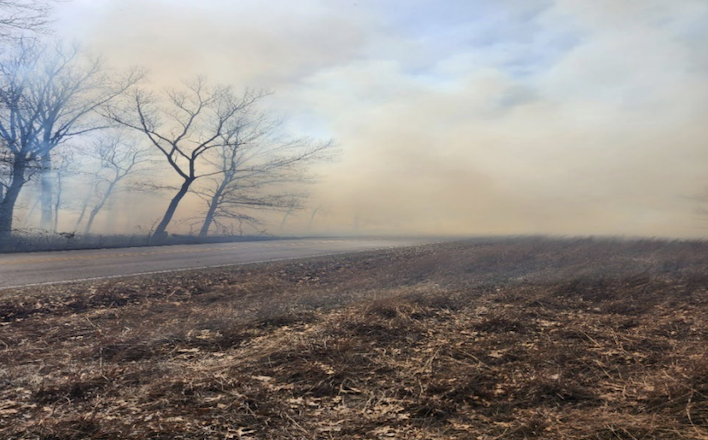
 On March 18, 2025, a routine prescribed fire at Indiana Dunes National Park turned into a serious safety incident when a firefighter sustained first and second‑degree facial burns, and a UTV caught fire during suppression efforts.
The team was tasked with burning a 10‑acre section just north of Long Lake, Indiana. Winds were at the upper limit of the prescription, but initial operations proceeded normally.
- 4–5 small spot fires (ranging from softball size to 2×2 feet) briefly crossed West Beach Road and were quickly extinguished.
- After the perimeter ignition was complete, crews moved to patrol status, monitoring interior fuels as they slowly backed and burned.
Not long after entering patrol status, a new 10×10 foot spot fire appeared across West Beach Road, moving north with moderate to high spread rates and flame lengths of 6 feet during gusts.
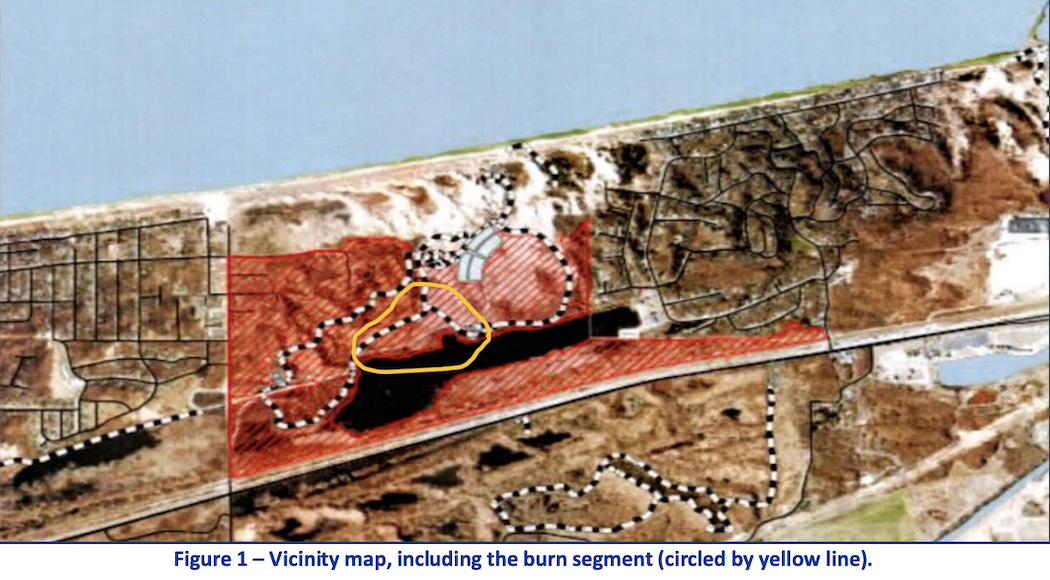
The responding resources included four ATVs, one UTV, and a Type 6 engine. Three ATV personnel anchored at the road and worked the fire’s flanks using pumps and water. A UTV, carrying an operator and a passenger, positioned on the west flank directly in front of the fire head near a small dune. The operator began unspooling the hose to suppress the head fire, while the passenger started building a handline from the anchor point.
At the critical moment, the head fire shifted under gusty winds and quickly burned beneath the UTV, igniting its tires and part of the bed. Radio and voice warnings instructed the operator to abandon the vehicle if necessary. When the operator attempted to move the UTV, they were exposed to intense heat and sustained facial burns, despite wearing protective glasses.
The Incident Within an Incident (IWI) protocol was immediately activated. The injured firefighter was transported by ambulance to a local hospital, then transferred to a specialized burn center. After treatment, the firefighter was released the same evening.
Some Key Lessons Learned from this event:
- Flashy fuels are deceptive and unpredictable.
Light fuels can burn intensely and move faster than expected, even in small prescribed burn units. - Avoid frontal assaults.
Engaging the fire head directly is a known “Watch Out” situation. Whenever possible, attack from the black or keep one foot in the black for safer access and egress. - Anchor points matter.
Starting from a secure anchor would have minimized direct flame on the UTV and reduced extended exposure risk. - Know your equipment.
- Ensure pump pressure and volume are sufficient to suppress the head fire.
- The Polaris Ranger XP 1000 UTV cannot shift out of park under high RPMs—a critical consideration in fast‑moving fire situations.
- Pre-fire equipment checks and contingency planning should include practicing mounting, moving, and understanding all safety features.
- Small fires carry big risk.
Serious incidents often occur during mop‑up or patrol stages, when complacency sets in. - PPE saves.
The firefighter’s protective safety glasses prevented eye injuries, reinforcing the value of full PPE compliance.
Even well‑planned prescribed fires can present dynamic hazards. Anchoring properly, understanding equipment limitations, and maintaining high situational awareness—even on small spots—are critical to keeping crews safe and prescribed fires effective.
To read the full report and rapid lesson sharing – click here.