 If you’ve noticed a wiry, unfamiliar grass growing along Texas roadsides—especially in the Edwards Plateau—you might be looking at Jointed Goatgrass (Aegilops cylindrica). This invasive cool-season annual, part of the Poaceae (Grass) family, is becoming an increasing concern for landowners, farmers, and rangeland managers across the Concho Valley region.
What Is Jointed Goatgrass?
Originally from the Mediterranean region, jointed goatgrass was introduced to the United States unintentionally, often hitching a ride in contaminated wheat seed. Although it shares similarities with winter wheat, this aggressive invader brings no benefit to livestock or land. In fact, cattle and other grazing animals won’t touch it.
You’ll recognize it by its jointed seed spikes that easily break apart and scatter when mature—hence the name. Unfortunately, this clever reproductive feature makes it easy to spread and hard to control.
Why Is It a Problem?
While it’s not commonly found in rangeland pastures just yet, jointed goatgrass is rapidly expanding its range in Texas due to human spread and a lack of proper identification. Once introduced, it quickly takes hold in wheat fields, roadways, and other disturbed areas. It competes directly with crops and native grasses for water, sunlight, and nutrients—often reducing native diversity and productivity.
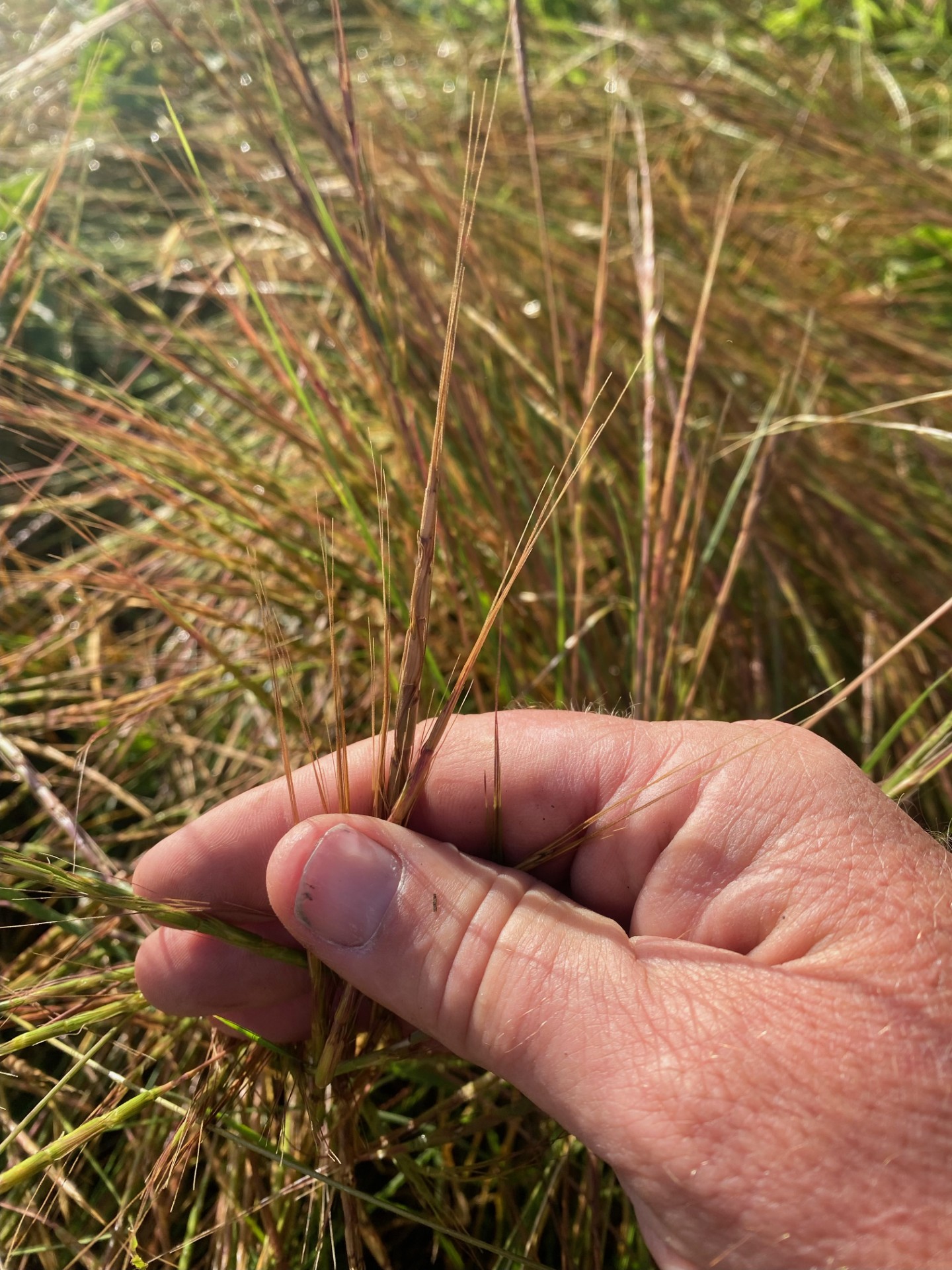
Management Tips
Early detection and careful control are critical to preventing widespread infestations. If you come across jointed goatgrass:
- Do not mow or weed-eat it. The seed may already be mature and mowing will only help it spread.
- Hand harvest and burn. If possible, carefully pull or cut the plants by hand and pile burn them to eliminate seeds.
- Avoid disturbing infested areas. Movement of equipment, vehicles, and even animals can transport seeds to new areas.
- Use certified weed-free seed. When planting wheat or native grasses, source your seed from reputable suppliers to avoid contamination.
A Call to Action
Jointed goatgrass may look harmless, but don’t let its appearance fool you. It’s a pest with no grazing value and serious economic consequences. By learning how to identify and manage this invasive species, we can help protect the Concho Valley’s rangelands and overall agricultural productivity.
For more information, be sure to check out the full field guide from USDA here!