• Skip to primary navigation
  • Skip to main content
  • Skip to primary sidebar
  • Texas A&M Forest Service
  • Texas A&M Veterinary Medical Diagnostics Laboratory
  • Texas A&M AgriLife Extension Service
  • Texas A&M AgriLife Research
  • Texas A&M College of Agrculture and Life Sciences
West Texas Rangelands
West Texas RangelandsWe hope to provide a variety of science-based rangeland information and current research on prescribed fire, wildfires, brush management, and grazing management!
  • Menu
  • Home
  • About & Contact
  • Publications
    • Extension Publications
    • Refereed Journal Articles
    • Program Summaries
  • Events
  • Lunch N’ Learn
  • Infographics
    • Drought
    • Grazing
    • Herbicide
    • Prescribed Fire
    • Rangeland Plants
    • Wildfire
  • Range Resources
    • Published to Pasture
    • Range Concepts
  • Fire Resources
  • Sponsors
  • AgriLife Learn Online Courses

Lessons Learned – Pyro-Vortex Tornado on the Deer Creek Fire

November 12, 2025 by jaime.sanford

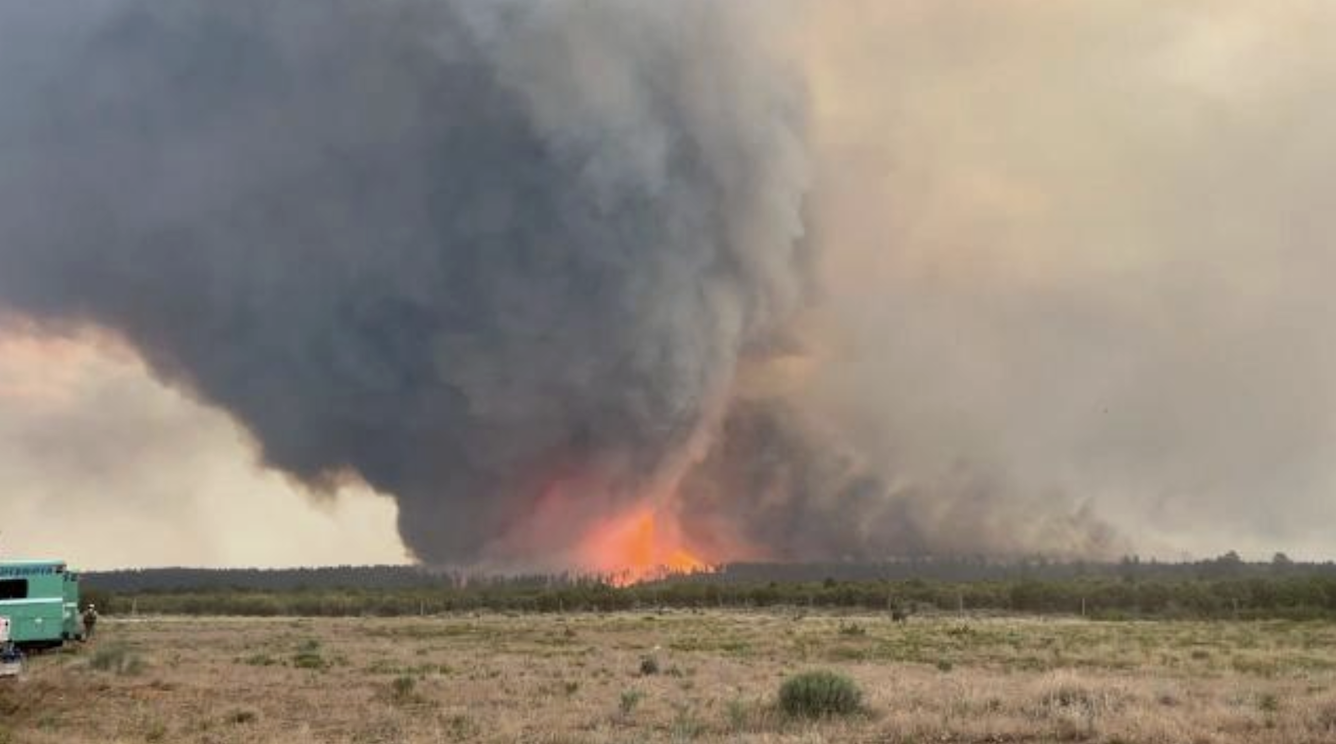
On July 12, 2025, firefighters on the Deer Creek Fire near Moab, Utah, experienced one of the most extreme and rare weather events in wildfire history, a pyro-vortex powerful enough to be classified as an EF2 tornado. With wind speeds reaching 111–135 mph, this fire-generated vortex caused significant structural damage and created life-threatening conditions for crews on the ground.

[Read more…] about Lessons Learned – Pyro-Vortex Tornado on the Deer Creek Fire

Filed Under: Lessons Learned

Mapping Fire Before It Starts: How the Fireshed Project Strengthens Readiness in West Texas

November 5, 2025 by jaime.sanford

Across Texas, wildfire seasons are growing longer and less predictable, and for landowners, that means planning ahead is no longer optional. The U.S. Forest Service’s Fireshed Registry offers a powerful new way to do just that.

[Read more…] about Mapping Fire Before It Starts: How the Fireshed Project Strengthens Readiness in West Texas

Filed Under: Prescribed Burning

Revegetation vs. Encroachment: Why There’s No “Silver Bullet” for Woody Plant Management

October 29, 2025 by jaime.sanford

Across the Great Plains and Texas rangelands, woody plant encroachment continues to challenge grassland health and productivity. A brand new study from Trejo-Perez et al. (2025) offers important insight into why some rangeland reseeding efforts fall short and what it really takes to keep trees and shrubs from taking over.

[Read more…] about Revegetation vs. Encroachment: Why There’s No “Silver Bullet” for Woody Plant Management

Filed Under: Woody Encroachment

Everything that reflects, is not gold

October 22, 2025 by jaime.sanford

On August 19, 2025, Secretary Rollins said “Our prime farmland should not be wasted and replaced with green new deal subsidized solar panels. It has been disheartening to see our beautiful farmland displaced by solar projects, especially in rural areas that have strong agricultural heritage. One of the largest barriers of entry for new and young farmers is access to land. Subsidized solar farms have made it more difficult for farmers to access farmland by making it more expensive and less available. We are no longer allowing businesses to use your taxpayer dollars to fund solar projects on prime American farmland, and we will no longer allow solar panels manufactured by foreign adversaries to be used in our USDA-funded projects.”

A new journal article from Bacon et al. (2025)  recently looked at effects of large-scale solar installations on rangelands, arid landscapes critical for grazing, biodiversity, and carbon storage, disruption of ecosystem services with immediate and long-term consequences. Based on a global assessment of solar park impacts (Hernandez et al., 2019) and new, summarized data from Bacon et al. (2025), we continue to documented, research-based cascading effects on biodiversity, soil, water cycles, and climate regulation, exacerbated by construction, operation, repairs, and eventual panel degradation.

[Read more…] about Everything that reflects, is not gold

Filed Under: Grazing Management, Sheep

Ten Years of Mesquite Application Timing…Spray a Healthy Tree or Wait Until 75F Soil Temperature?

October 15, 2025 by jaime.sanford

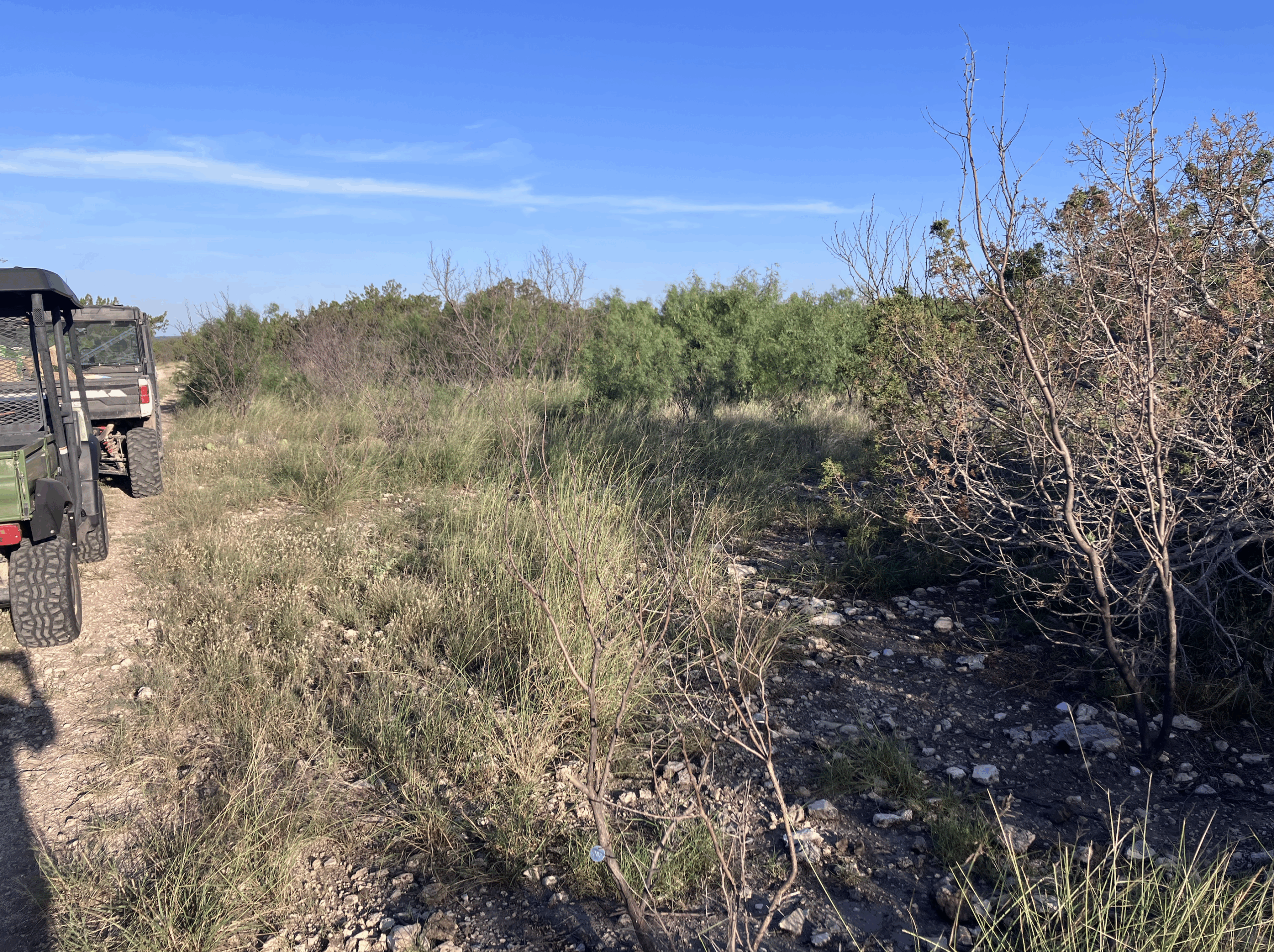
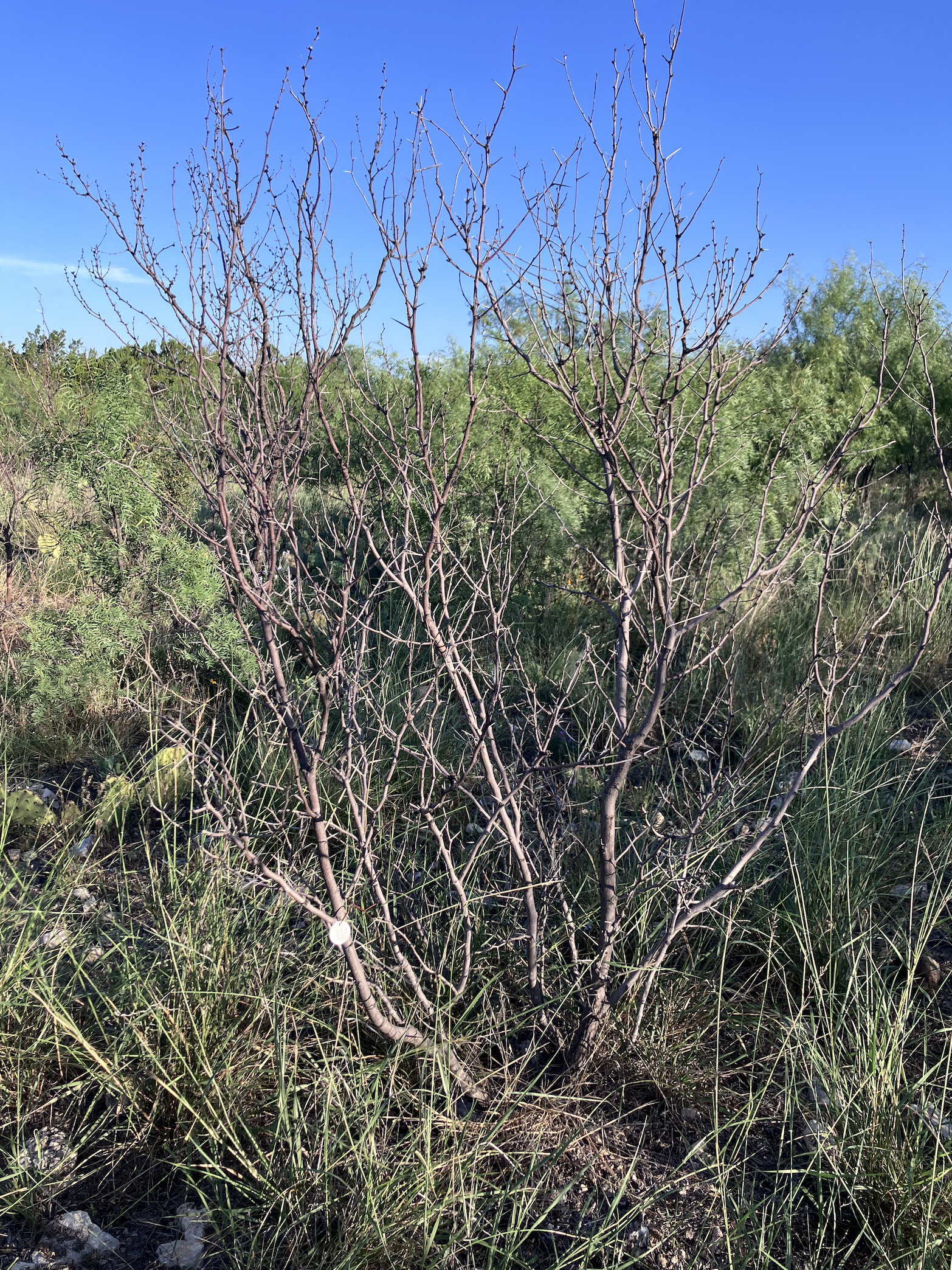
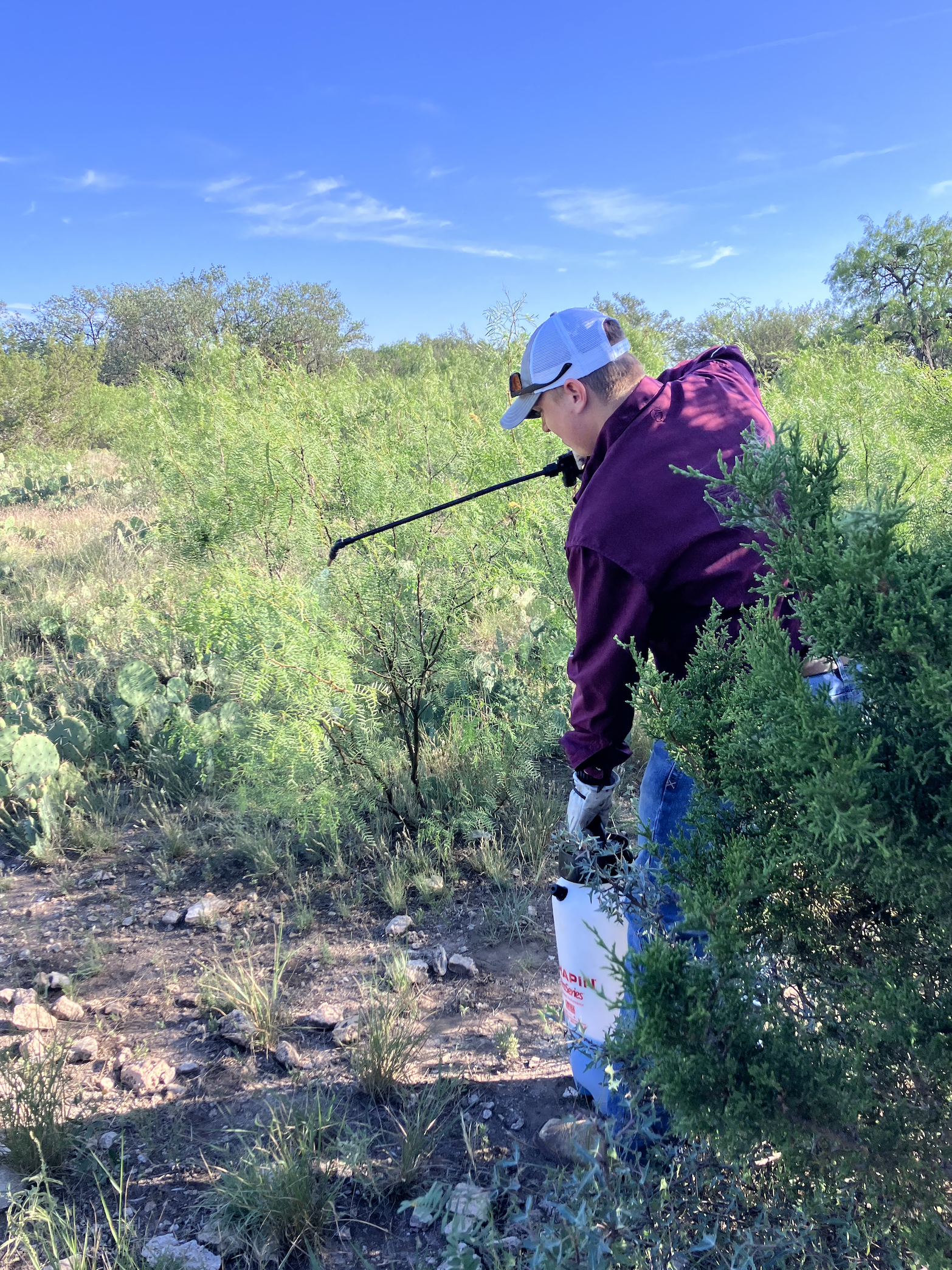
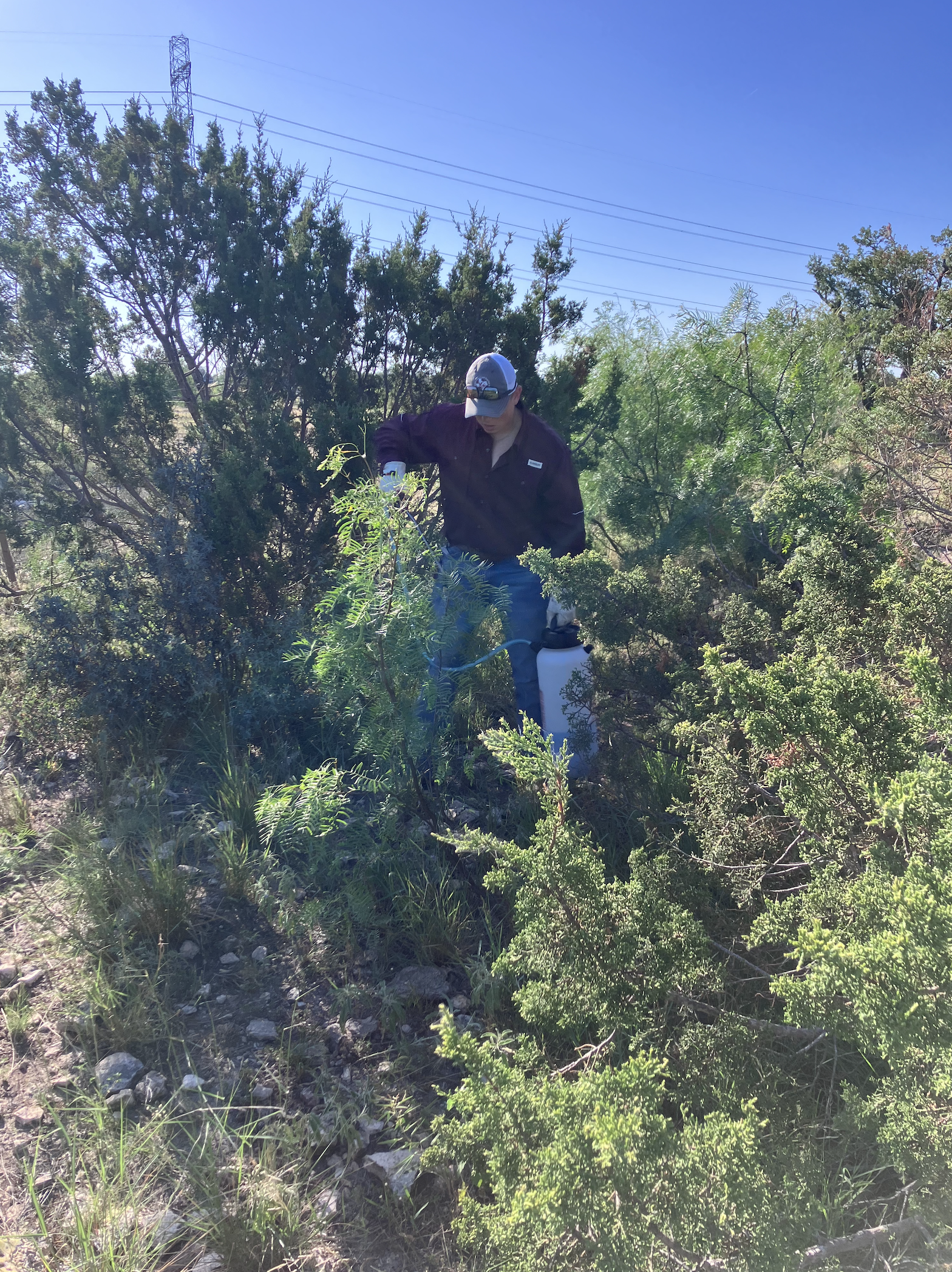
Mesquite (Prosopis spp.) is a tough, invasive shrub that plagues rangelands across Texas and beyond, outcompeting native grasses, reducing forage for livestock, and altering wildlife habitats. For ranchers aiming to boost grazing productivity, conservationists focused on restoring biodiversity, and wildlife managers enhancing quail or deer cover, effective mesquite management is key. But timing your herbicide applications, especially foliar sprays, can make all the difference. Drawing from a ten-year dataset spanning counties like Hamilton, Jack, Hood, Eastland, Comanche, Tom Green, and Schleicher, let’s explore how environmental factors like soil temperature influence mesquite mortality rates one and two years after treatment (YAT).


Insights from the Field Trials

This dataset compiled over 500 observations across 10 years from individual plant treatment (IPT), from 5 Texas counties, tracking percent mortality alongside variables such as soil temperature (12-inch depth), air temperature, and relative humidity. While individual results varied by site and conditions, clear patterns emerge when we aggregate the data.

  • Peak Performance in Late Spring/Early Summer: Applications in May and June yielded the highest average mortality—around 88% at 1 YAT and 92% at 2 YAT in May, dropping slightly to 85% and 86% in June. These months coincide with rising soil temperatures (averaging 70°F in May and 79°F in June), when mesquite is actively growing and translocating herbicides to roots more effectively.
  • Decline in Late Summer and Fall: By July and August, averages dip to 75% (1 YAT) and 66% (2 YAT) in July, further to 56% and 68% in August, despite warmer soils (82°F average). September through November show even lower efficacy, with November applications averaging just 3% at 1 YAT and 9% at 2 YAT—likely due to cooler soils (68°F) and plants entering dormancy.
  • Soil Temperature’s Role: While warmer soils are indicative of growing conditions, it is not the primary driver of plant mortality – IT’S THE TREE!!! There is no statistical significant difference between spraying below 75F and above 75F (P = 0.300) soil temperature at 12” depth.  These results emphasize that if the target tree is healthy, full leaf, and mature in phenology stage, it is ready to be sprayed!

Practical Tips for Your Operation

  • Target May-June Window: For most Texas regions, this period offers the sweet spot of active growth without excessive heat stress, grasshoppers or other insect damage, and hopefully before cotton is in the ground. Adjust for your county’s microclimate, e.g., earlier in southern areas like Tom Green.


By syncing sprays with healthy trees and peak growth, you can achieve higher kill rates, saving time and resources while promoting healthier rangelands. Whether you’re running cattle, promoting biodiversity, or managing for open-spaces, data-driven timing turns mesquite from foe to forgotten!!  Happy spraying and spray for the tree!  

*These data are currently being drafted for submission to Rangeland Ecology and Management.

Filed Under: Woody Encroachment

Restoring Rangeland in Sterling County: Combating Compaction with Bamert Seed Company

October 8, 2025 by jaime.sanford

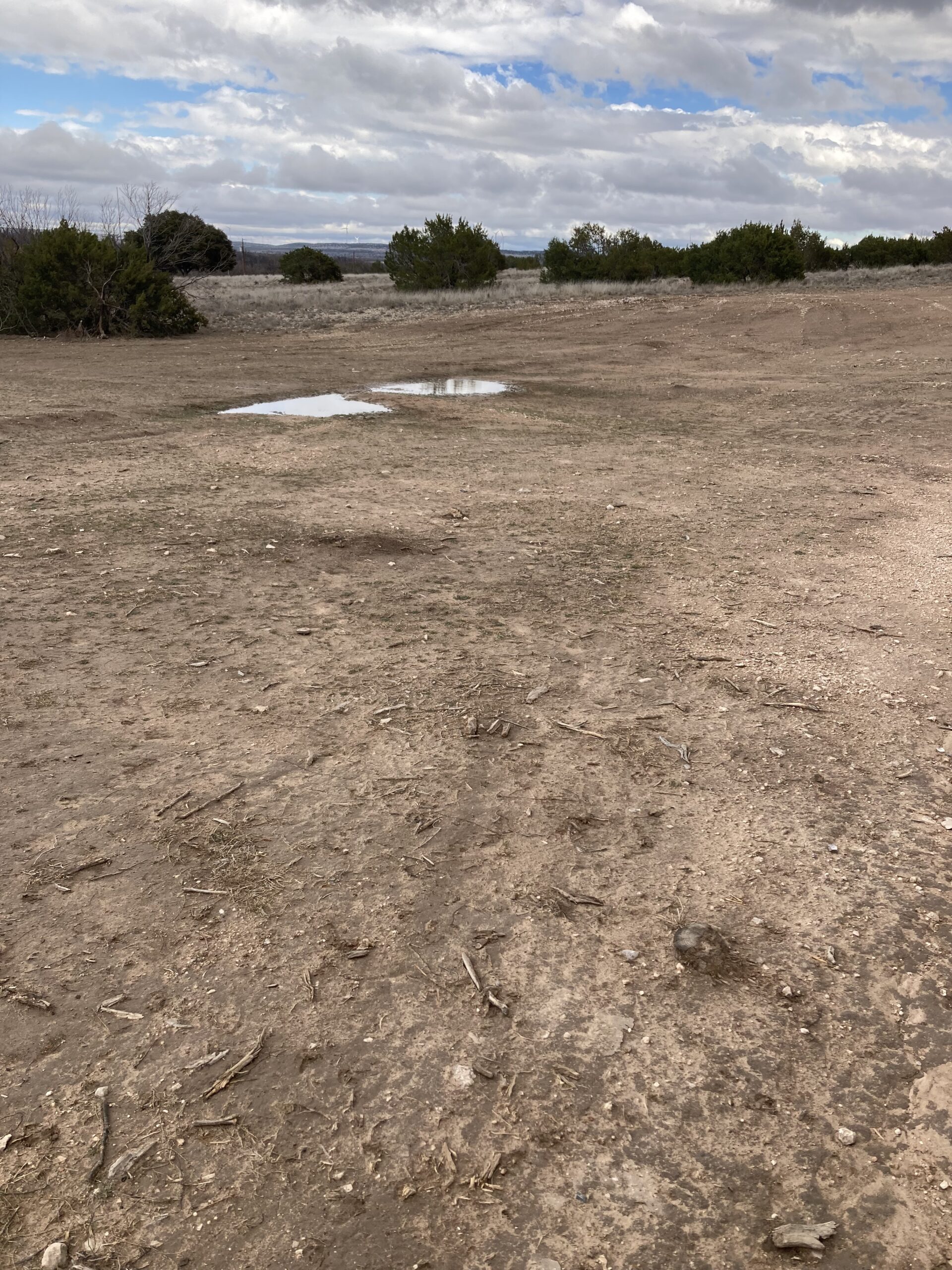
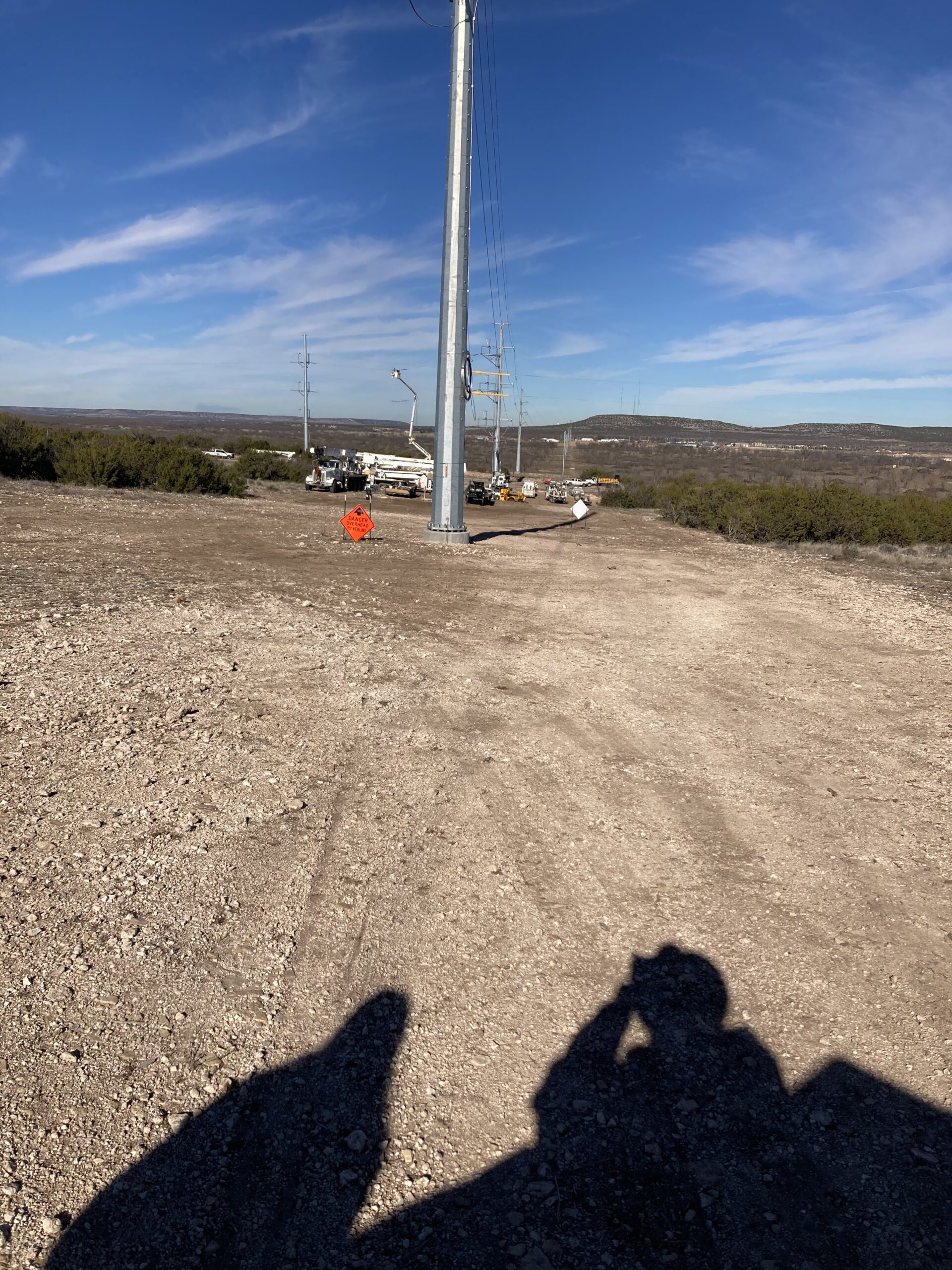
In the arid landscapes of West Texas, where shallow soils and unpredictable rainfall define the rangeland ecosystem, stewardship is key to maintaining productivity and preventing long-term degradation. Sterling County has faced a relentless drought over the past few years, exacerbating challenges for livestock producers. Compounded by disturbances from transmission line work in 2023, which compacted soils and stripped vegetation, one particular site required urgent intervention to stabilize against erosion and potential desertification.


Back in May 2023, the drought spanning about 2.5 years at that point, had already stressed the aboveground plant communities, reducing forage production, species diversity, and ground cover. Belowground, soil health suffered, with diminished water infiltration, stability, and structure. The transmission work further altered the site’s ability to respond to rainfall, threatening infinite impacts on productivity.


Recommended Seed Mix and Reseeding Protocol

In order to begin restoring the compacted and degraded site, we knew we needed to promote rapid germination and establishment of native, perennial grasses. So we focused on a seed-mix of diverse blend of cool- and warm-season grasses, incorporating short, mid, and tall structures for functional variety. Forbs were also included to enhance biodiversity and soil cover. Here’s the full recommended species list:

Category: Grass

Species include:

  • Common curly mesquite
  • Buffalograss
  • Sideoats grama
  • Little bluestem
  • Green sprangletop
  • Blue grama
  • Hairy grama
  • White tridens
  • Sand dropseed
  • Silver bluestem
  • Hooded Windmill Grass
  • Canada Wildrye

Category: Forbs

Species:

  • Engelmann’s daisy
  • Orange zexmenia
  • Bush sunflower

We worked with Brian Hays of Bamert Seed Company (contact: 806-395-3141) to prep the site and prepare the seed mix. Given the disturbance’s intensity and landowner’s commitment to rangeland function and process, frequent monitoring was advised to detect early erosion or invasive species.


Collaborative Research Demonstration: Monitoring Reseeding Impacts

Building on these recommendations, reseeding strategies were implemented in 2024 on the disturbed and compacted rangeland. We’re proud to collaborate with Sterling County Extension Agent Caleb Kott on this as a research demonstration project. The goal is to evaluate the effectiveness of these efforts in stabilizing the site and restoring productivity.


Our monitoring uses on-the-ground monitoring applying point intercept cover transects to assess vegetation establishment and ground cover changes over time. Talk to Caleb for more information on his Research Demonstration report! Complementing this fieldwork, we leverage data from the Rangeland Analysis Platform (RAP) to track biomass production and analyze long-term trends. This dual approach helps quantify how reseeding mitigates erosion risks and combats desertification in vulnerable West Texas soils.


Insights from Historical and Current Production Data

RAP data provides a clear picture of the site’s challenges and progress. Over the long-term period from 1986 to 2025, the average annual production is 1,100 lbs/acre. In this figure, a distinct drop in production in 2023 occurred, and the second disturbance occurred shortly after from the transmission line construction.

For 2025 specifically, cumulative production through mid-September stands at 572 lbs/acre, which is about 63.13% of the long-term average for that date (906 lbs/acre). Here’s a snapshot of the 16-day incremental production trends for 2025:

These figures underscore the ongoing recovery needs, but early data from our reseeding demonstration suggests positive shifts in cover and stability—insights we’ll continue to share as monitoring progresses.

Looking Ahead: Sustainable Rangeland Management

Projects like this highlight the resilience of West Texas rangelands when proactive measures are taken. By addressing soil erosion head-on and restoring native vegetation, we’re not just aiding one producer but contributing to broader efforts against desertification in drought-prone regions. If you’re facing similar challenges, reach out to your local County Extension agent for tailored advice. And definitely have a conversation with our friends at Bamert Seed Company.  They are instrumental at putting all these pieces of the restoration puzzle together, especially on shallow soils of semi-arid rangelands.  Together, we can ensure these vital ecosystems thrive for generations.


Filed Under: Conservation Practices, Grazing Management

Native Perennial Grasses: Powerhouses Belowground

October 1, 2025 by jaime.sanford

When we think of rangelands, it’s easy to focus on the grasses we see aboveground, the leaves, stems, and seedheads obvious in the West Texas wind. But the real powerhouse of grass growth and survival lies beneath the soil. Our publication, Understanding Native Perennial Grass Growth, highlights how native perennial grasses rely on underground bud banks to regrow after grazing, fire, or drought.

[Read more…] about Native Perennial Grasses: Powerhouses Belowground

Filed Under: Grazing Management, Plant ID

Framing the Flames: How We Talk About Wildfires Shapes Overall Perception of Fire

September 24, 2025 by jaime.sanford

Wildfire is one of the most complex and pressing challenges facing rangelands across the West. It spreads across vast acres, can be unpredictable, and impacts livestock, wildlife, watersheds, and communities. AND, in fire-dependent ecosystems, one thing is for certain, wildfires will happen.  But here’s something we often overlook in the science: the way we talk about wildfire—specifically, the words and metaphors we use—shapes how we think about it, and more importantly, how fire is perceived. 

[Read more…] about Framing the Flames: How We Talk About Wildfires Shapes Overall Perception of Fire

Filed Under: Prescribed Burning

Legal Barriers to Prescribed Burning

September 17, 2025 by jaime.sanford

For centuries, fire has been a natural and essential part of Texas ecosystems. Before modern fire suppression, grasslands and forests across the Southeast and into Texas grasslands burned routinely—some every 2 to 10 years. These natural fire regimes kept resprouting trees and understory brush in check, enhanced wildlife habitat, and sustained resilient, productive rangelands.

But decades of fire suppression have come at a cost. Without fire, woody plants like ashe juniper and eastern redcedar creep across pastures. Native grasses struggle to compete and are choked out. Wildlife habitat declines due to unbalanced monocultures and loss of species richness. And volatile fuel builds up, making wildfires hotter, longer,, and harder to control.

[Read more…] about Legal Barriers to Prescribed Burning

Filed Under: Prescribed Burn Associations, Prescribed Burning

Lessons Learned – Gas Polyurethane Line Ignited by Wildfire

September 10, 2025 by jaime.sanford

Picture of a natural gas fire burningOn July 17, 2025, a rapidly growing brush and grass fire broke out in the steep slopes of Cottonwood Flats, near the community of Rulison, Colorado. This area is known for its oil and gas infrastructure, and fire resources are regularly briefed on the presence of these operations. 

The wildfire’s east side saw the most growth. However, the majority of the oil and gas infrastructure was located on the fire’s northwest flank, where it experienced lower-intensity backing and flanking fire. Two above-ground natural gas lines were near the heel of the fire, one steel and the other a “FlexSteel” pipe. According to local fire and oil and gas personnel, most gas lines are typically buried underground.

[Read more…] about Lessons Learned – Gas Polyurethane Line Ignited by Wildfire

Filed Under: Lessons Learned

  • Page 1
  • Page 2
  • Page 3
  • Interim pages omitted …
  • Page 15
  • Go to Next Page »

Recent Posts

  • Fire Up Plant Diversity!
  • New Publication! Photosensitization
  • Dry, Warm, Windy, and Fuel.
  • Lessons Learned – Pyro-Vortex Tornado on the Deer Creek Fire
  • Mapping Fire Before It Starts: How the Fireshed Project Strengthens Readiness in West Texas

Categories

  • 4-H Range Contests
  • Beef Cattle
  • Brush Management
  • Carbon Credits
  • Carbon Markets
  • Conservation
  • Conservation Practices
  • Drought Management
  • El Niño
  • Events
  • Goats
  • Grazing Management
  • La Niña
  • Land
  • Lessons Learned
  • Meet A County Extension Agent
  • Plant ID
  • Podcast
  • Prescribed Burn Associations
  • Prescribed Burning
  • Publications
  • Range Concepts
  • RAP
  • Sheep
  • Society for Range Management
  • Soil
  • Staff
  • Targeted Grazing
  • Uncategorized
  • Water
  • Weather
  • Why I Ranch
  • Wild Pigs
  • Wildfire
  • Wildfires
  • Wind
  • Woody Encroachment
  • Youth Range Workshop

Archives

Texas A&M AgriLife Extension Service
Texas A&M University System Member
  • Compact with Texans
  • Privacy and Security
  • Accessibility Policy
  • State Link Policy
  • Statewide Search
  • Veterans Benefits
  • Military Families
  • Risk, Fraud & Misconduct Hotline
  • Texas Homeland Security
  • Texas Veteran's Portal
  • Equal Opportunity
  • Open Records/Public Information