• Skip to primary navigation
  • Skip to main content
  • Skip to primary sidebar
  • Texas A&M Forest Service
  • Texas A&M Veterinary Medical Diagnostics Laboratory
  • Texas A&M AgriLife Extension Service
  • Texas A&M AgriLife Research
  • Texas A&M College of Agrculture and Life Sciences
West Texas Rangelands
West Texas RangelandsWe hope to provide a variety of science-based rangeland information and current research on prescribed fire, wildfires, brush management, and grazing management!
  • Menu
  • Home
  • About & Contact
  • Publications
    • Extension Publications
    • Refereed Journal Articles
    • Program Summaries
  • Events
  • Lunch N’ Learn
  • Infographics
    • Drought
    • Grazing
    • Herbicide
    • Prescribed Fire
    • Rangeland Plants
    • Wildfire
  • Range Resources
    • Published to Pasture
    • Range Concepts
  • Fire Resources
  • Sponsors
  • AgriLife Learn Online Courses

Are Ponds a Continuation of Rangelands?

February 5, 2025 by jaime.sanford

As Texas A&M AgriLife experts and colleagues, Dr. Todd Sink and Brittany Chesser, can certainly attest that ponds are just a continuation of rangelands. Brittany Chesser and Dr. Todd Sink continue to dedicate their expertise to advancing aquaculture, fisheries management, and aquatic conservation through innovative research and community education. Their unwavering commitment to sustainable resource management and public outreach empowers stakeholders with the knowledge and tools necessary to enhance aquatic ecosystems across Texas and beyond. Check out this new factsheet by the best of the best!

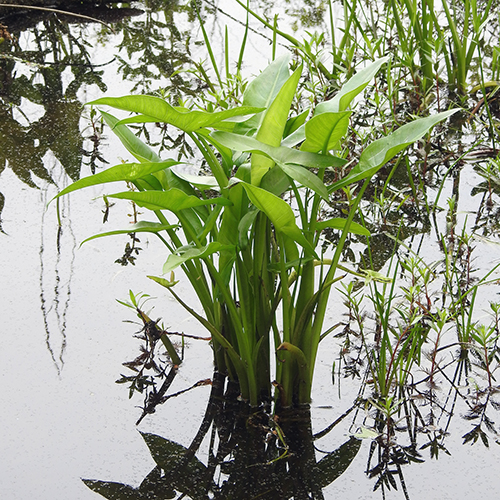
Ponds offer numerous aesthetic and recreational benefits, enhanced property value and provide opportunities for activities like swimming, fishing, and relaxation. However, these aquatic ecosystems can also present challenges, including erosion, excessive algae growth (algal blooms), and fish kills. A key strategy for mitigating these issues is the establishment of a buffer zone around the pond’s perimeter. This buffer zone comprises a designated area of land surrounding the pond, ideally planted with native vegetation. These vegetated buffers play a critical role in improving water quality, minimizing erosion, and creating valuable habitat for a variety of wildlife.

Creating a buffer is a great way to improve the health of your pond!  For the publication, click here!

Filed Under: Staff

Recent Posts

  • Fire Up Plant Diversity!
  • New Publication! Photosensitization
  • Dry, Warm, Windy, and Fuel.
  • Lessons Learned – Pyro-Vortex Tornado on the Deer Creek Fire
  • Mapping Fire Before It Starts: How the Fireshed Project Strengthens Readiness in West Texas

Categories

  • 4-H Range Contests
  • Beef Cattle
  • Brush Management
  • Carbon Credits
  • Carbon Markets
  • Conservation
  • Conservation Practices
  • Drought Management
  • El Niño
  • Events
  • Goats
  • Grazing Management
  • La Niña
  • Land
  • Lessons Learned
  • Meet A County Extension Agent
  • Plant ID
  • Podcast
  • Prescribed Burn Associations
  • Prescribed Burning
  • Publications
  • Range Concepts
  • RAP
  • Sheep
  • Society for Range Management
  • Soil
  • Staff
  • Targeted Grazing
  • Uncategorized
  • Water
  • Weather
  • Why I Ranch
  • Wild Pigs
  • Wildfire
  • Wildfires
  • Wind
  • Woody Encroachment
  • Youth Range Workshop

Archives

Texas A&M AgriLife Extension Service
Texas A&M University System Member
  • Compact with Texans
  • Privacy and Security
  • Accessibility Policy
  • State Link Policy
  • Statewide Search
  • Veterans Benefits
  • Military Families
  • Risk, Fraud & Misconduct Hotline
  • Texas Homeland Security
  • Texas Veteran's Portal
  • Equal Opportunity
  • Open Records/Public Information