 We’re thrilled to welcome our guest blogger, Mr. Mike Mecke, to the West Texas Rangelands blog! Mr. Mecke brings a wealth of knowledge and passion for land stewardship, drawing from his unique background as a San Antonio native who as of 2008 retired into the Texas Hill Country outside of Kerrville. He is a graduate of Texas A&M University with Biology and Agriculture degrees. He later earned a Masters of Science in Rangeland Ecology & Watershed Management at the University of Wyoming. Helping people by improving agricultural management, land stewardship, water resources conservation and water resources planning has been the primary aspects of his career. We’re excited for him to share his insights and practical expertise with our West Texas rangeland community. Take it away sir!
That is a really great headline written by Ms. Emily Seldomridge, writing for Texas Water Solutions a few years ago and it is fantastic advice for ranchers, farmers, agencies or water utilities. Caught my attention right away, which a title should do. You can’t beat developing a good conservation plan and then applying it. The blog article contains some very good conservation proposals as well. This is a rewrite of my Ranch & Rural Living magazine article some years ago.
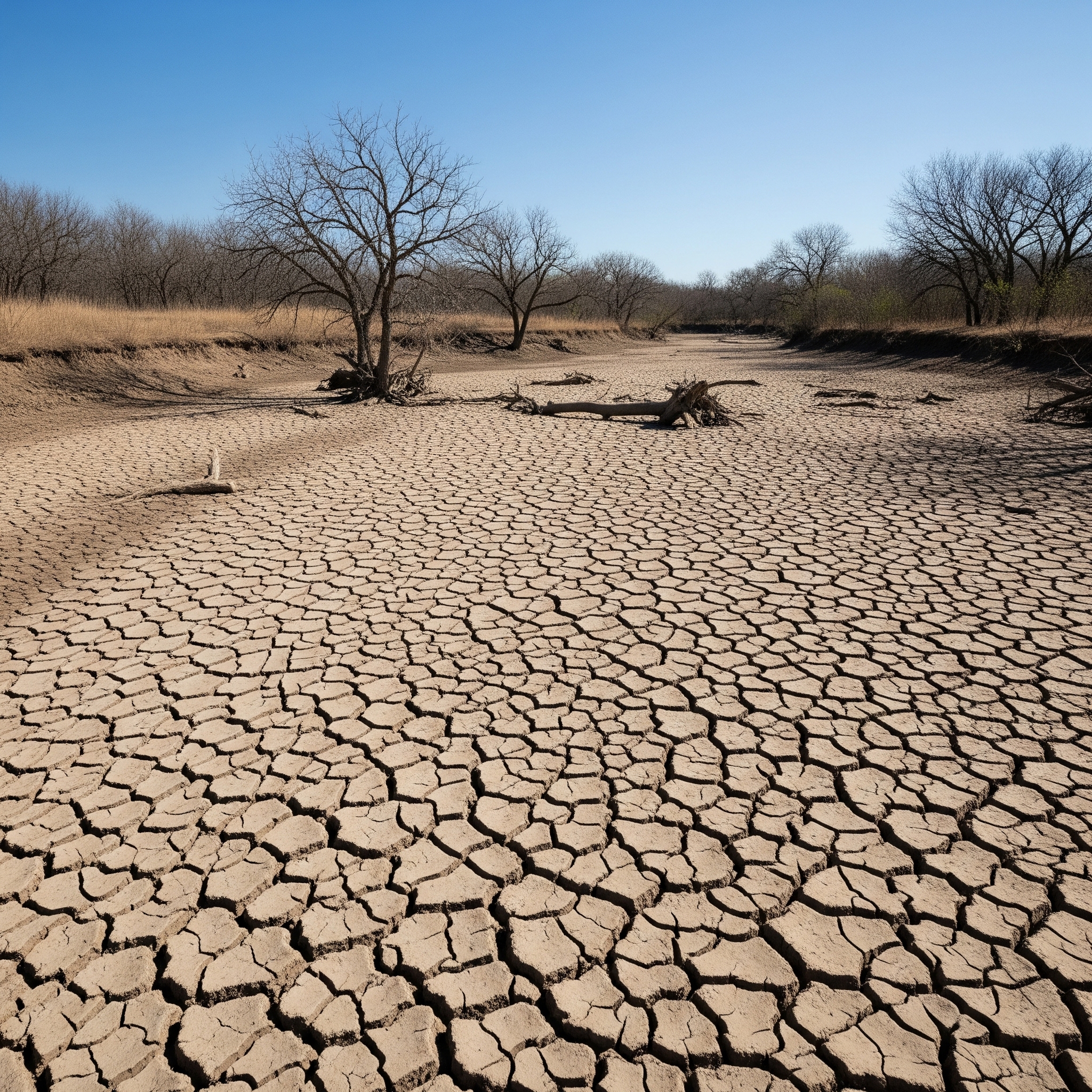
Many areas of Texas west of I-35 and I-37 have had several years of severe drought and some years of abnormally high temperatures too. I am betting that the deep soil moisture on many ranges and under many dryland fields is still very low or missing. One rancher on the Pecos River tells me he has had to reduce his stocking rate by 70%. That is very tough. Losing income is bad enough, but also that means blood lines you have developed over the years are damaged. Also, hired help lose their jobs. But ranchers across much of the state have faced similar options or may soon.
Texas has had some good rains across parts of our state, except for a few small regions that received flood amounts, the rains were relatively small. I know here in the Kerrville area, I had very few events over two inches in the last several years. The smaller rains may produce some range greening and give a false sense of well-being, but do not usually fill rivers and reservoirs or recharge aquifers. Here in the Hill Country, several rivers start up from various spring flows. But, those springs rely upon groundwater recharge from rains and we have not been getting those. The immense and prolific Edwards Aquifer (EA), which is found from near Del Rio, east to San Antonio and ending in the Austin area, is at record lows. This pure, prolific limestone aquifer serves 2.5 million Texans in eight counties and is crucial not just to city and town dwellers, but to untold numbers of ranches and farmers, rely on water from wells or the EA’s springs – including the largest spring in Texas, flowing down to the Gulf of Mexico.
Today, the Edwards Aquifer Authority, which manages and protects the aquifer, reports that the large San Antonio pool and its J-17 monitor well are 36 feet below the historical average for this date! And we are not nearly to summer yet.
To refill the many dry and almost dry lakes across the state from the Panhandle down to Corpus and Laredo; or from Elephant Butte, NM on the Rio Grande just above El Paso – east to the Highland Lakes chain on the Colorado, it would still take a lot of runoff producing rains. Some lakes, mostly in east Texas, have caught good rains but we are in a serious water situation – ask in the Lower Rio Grande Valley, San Angelo or Abilene for instance. Lakes Meredith, Buchanan, Falcon and Amistad, to name a few, are major lakes with extremely low levels.
Numerous crucial aquifers are still abnormally low. Many towns and cities are in various stages of Drought Management. Brownwood, Wichita Falls and Big Spring have built new water plants treating sewage effluent to potable water. Others, such as El Paso are planning that option too. Many towns across Texas are already treating saline groundwater supplies to supplement their water plans, as San Antonio, Brownsville and Ft. Stockton do now. Gulf water desal is also in the plan for some coastal areas with more growth than water such as Corpus Christi and Brownsville. El Paso has long been using several of these good options to providing more water for thirsty populations. Aquifer Storage & Recovery (ASR) of surplus water in underground aquifers was started here in Kerrville long ago and is now used by El Paso and San Antonio to eliminate the huge evaporation losses of surface storage. Lakes are sometimes called “evaporation ponds” in Texas which in a hot, arid climate is pretty accurate.
The rest of the Southwest from New Mexico to Arizona and southern California is likewise hot and dry. Creeks and major rivers are low or sometimes dry in spots from central Texas to California. Virtually all of California has been in a double hit of extreme heat and drought, producing massive wildfires increasing natural resource and human damages. Remember,
Just a few years ago and it was Texas (and much of the West) which was on fire and setting new state records for rangeland acres burned, often losing livestock, barns, fences and wildlife. A huge 10,000 acre wildlife near Fredericksburg in the Hill Country recently opened some eyes locally.
All of these long-term effects of many years of drought and extreme heat – often aggravated by continued rapid population growth and water demands, do not go away easily. One season of decent or even above-average rains does not make a drought buster. Those who in the past have sneered and laughed at Climate change warnings, should by now believe. Effects are being felt and measured worldwide.
I personally believe and agree with many weather experts that we are in a long period of climate change to a hotter and drier new normal. We had better all adapt and take very timely advice on water planning and start maximizing water conservation. Most, if not all, cities and utilities are only doing minimal conservation now and that must change. This applies to small towns and huge cities. Agriculture, as our major water user, must be heavily involved and make serious changes too. In some cases, their very existence is in the balance, as cities have the votes.
In several Texas regions, where I have worked, we grow crops unsuited for hot areas with low water resources. Often too, water delivery systems are highly inefficient as are some irrigation methods. But, contrary to many popular urban water resource options, I do not think we can just pull water away from our irrigated farming industry, in Texas or elsewhere, and then sell it to the rapidly growing urban areas – problem solved. Our food and fiber industry is vital not just to local or state economies, but to the world. Look at how many US AID programs are now hurting without us. Many millions of people are suffering from famine and malnutrition. Our own Texas towns and cities must begin Smart Growth development policies, putting water use at the top of their planning, rather than an afterthought. Two very small west Texas towns where I worked and lived were running short of water in the eighties.
Pulling water from US and Texas agriculture would cause many problems in rapidly growing Texas, such as:
- Increased population requiring “ More Food and Fiber Demands, Not Less”
- Irrigated Agriculture is a major component of our state and national economy – plus
- US food surpluses help feed much of the Third world
- The loss of all or most of irrigated agriculture would greatly increase unemployment across the state and nation – not just farm labor, but from closed allied suppliers and businesses
- Texans would have to buy and eat more foreign foods – grown, packages, stored and shipped under unknown and possible unsanitary conditions. Increasing the chances for health problems
- Ten of thousands of acres of former irrigated crops would likely be left bare and idle, aggravating soil erosion, weed allergies and dust storms
- Food costs would rise with the loss of locally grown meats, poultry, produce, fruits, nuts and other food.
These are just my Top Seven negative results of taking irrigated agriculture’s water supplies for the cities, there would be others.
I think it both wise and appropriate to have consistent individual and community prayer as an unofficial part of our conservation and water resource development plans. We should remember “Water is Life!” and we all must be good stewards of our resources
Written by Mike Mecke
Apr 30, 2025