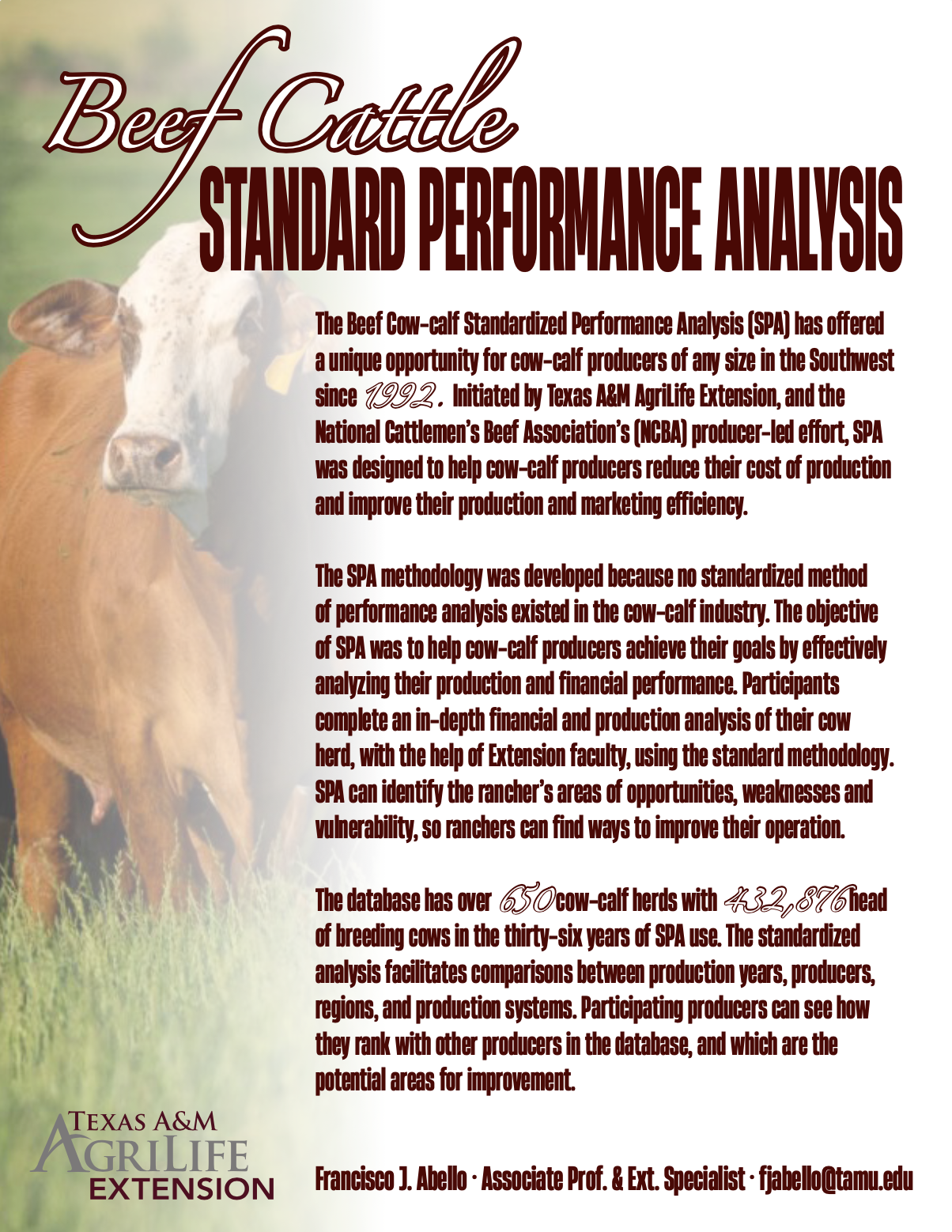
 As ranchers move past tax season, many are getting a clearer picture of their financial position for the year. CPA-prepared reports and cash flow statements are helpful, but they only tell part of the story. The real question is not just whether the ranch made money, but how effectively it used its resources to generate that income. [Read more…] about Measuring Ranch Profitability with Beef-Cattle Standard Performance Analysis
Business Planning and Tax Management Workshop for Farmers and Ranchers
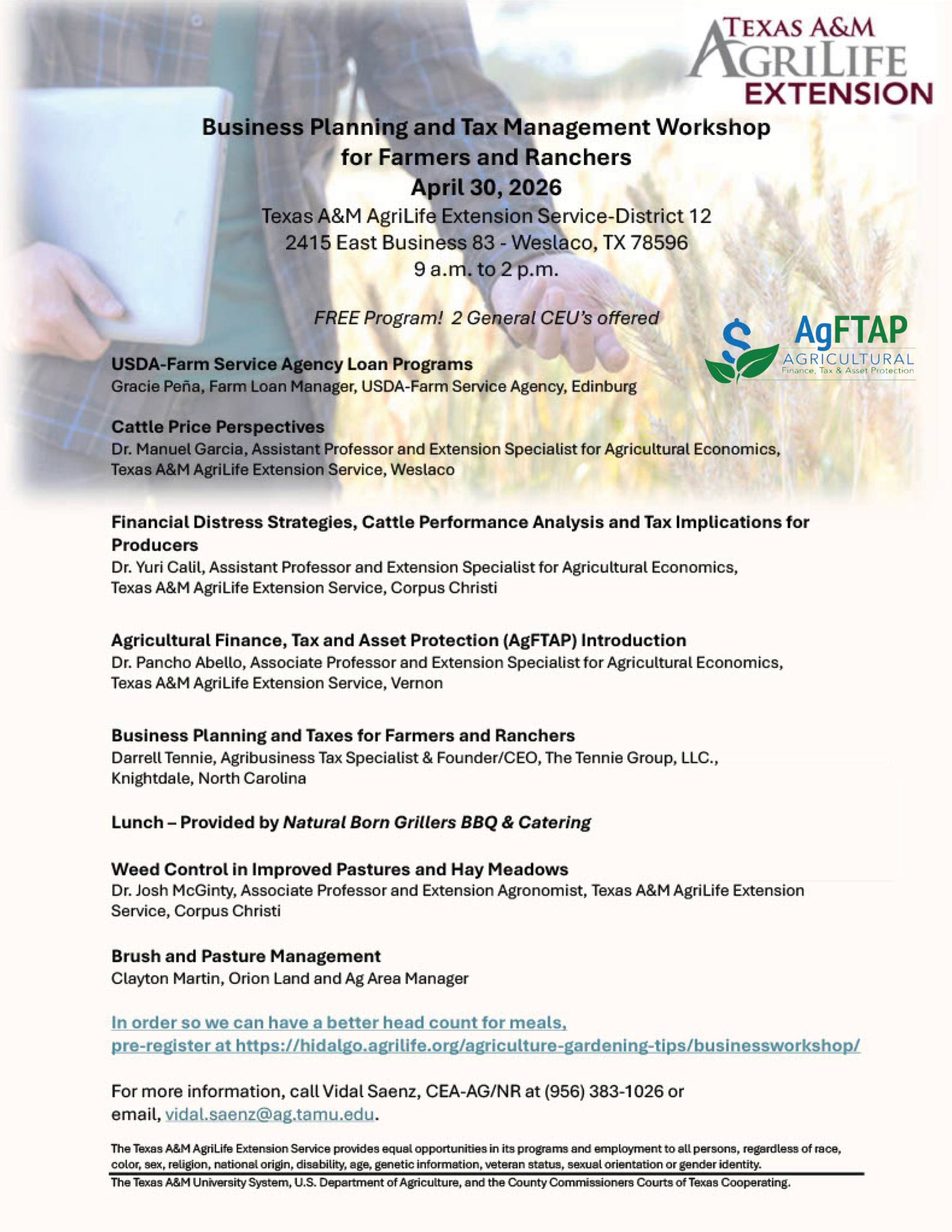 Producers in South Texas have an opportunity to gain valuable insight into financial management, tax planning, and pasture management at the upcoming Business Planning and Tax Management Workshop for Farmers and Ranchers.
This workshop brings together specialists and industry professionals to discuss key issues facing agricultural producers, including financial decision-making, cattle markets, tax considerations, and pasture management. [Read more…] about Business Planning and Tax Management Workshop for Farmers and Ranchers
The Economics of Herd Expansion: More Than Just High Prices
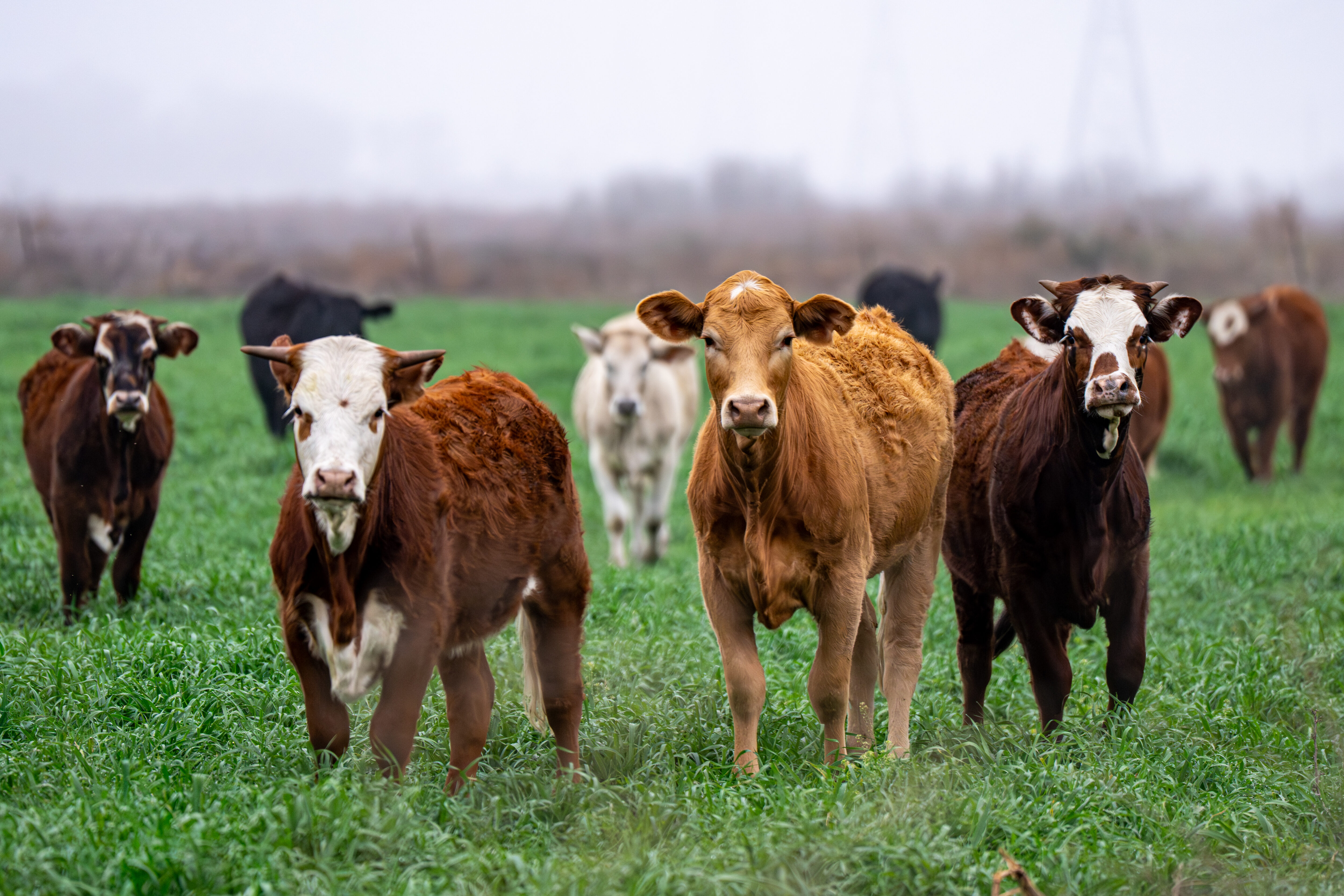
At the Warren Ranch on Friday, Jan 23, 2026 in College Station, Texas. (Hannah Harrison/Texas A&M AgriLife) At the Warren Ranch on Friday, Jan 23, 2026 in Hockley, Texas. (Hannah Harrison/Texas A&M AgriLife)
When cattle prices are strong, producers tend to start thinking about herd expansion. While high cattle prices and strong market signals often spark interest in growth, each producer has different costs, which changes the market signal to expand – some are earlier to expand, and some are later. Herd expansion is, at its core, an economic decision shaped by prices, costs, capital constraints, and risk. [Read more…] about The Economics of Herd Expansion: More Than Just High Prices
Drought Management Tools and Resources for Producers

Aug. 9, 2022 in College Station, Texas. (Sam Craft/Texas A&M AgriLife Marketing and Communications)
Last Friday, on Jan. 30, 2026, the USDA released its Cattle Inventory Report showing a decrease in the nation’s cattle herd.
After the report’s release, experts and economists from across the southern states gave their perspectives on the most recent Southern Ag Today article.
You can read the full article here: https://southernagtoday.org/2026/02/03/the-cow-herd-shrinks-some-more/
One common theme that almost every industry expert mentioned was drought. Drought continues to be a challenging circumstance for producers to face. Most producers are forced into making difficult decisions that impact their operations. It is important to have reliable resources to fall back on when navigating drought decisions for your operation. [Read more…] about Drought Management Tools and Resources for Producers
Wheat: Maximizing Profits in a Tough Year
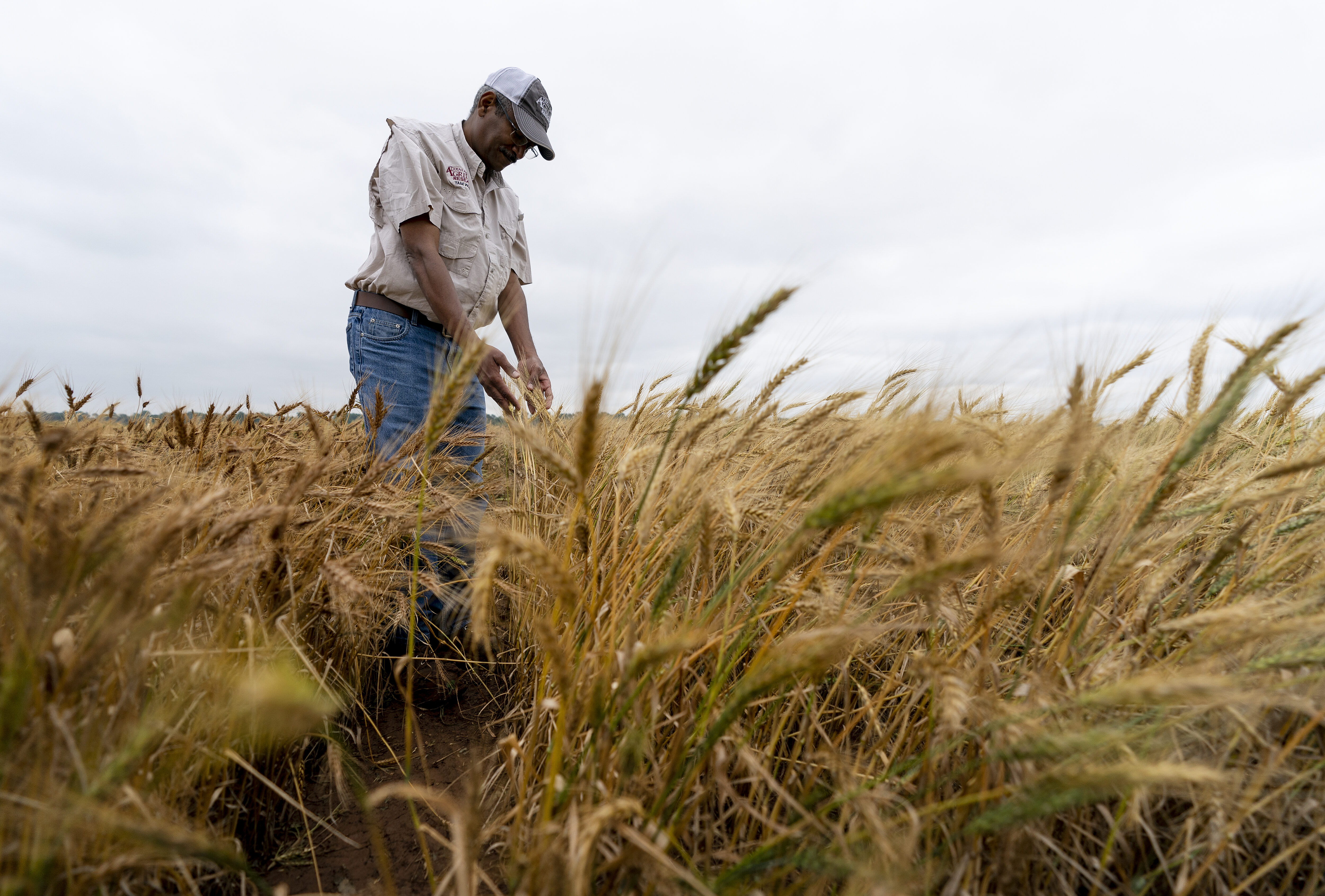
Wheat on May 12, 2021, in Burleson County. (Laura McKenzie/Texas A&M AgriLife Marketing and Communications)
With cash wheat prices below breakeven and challenging weather in many counties, farmers must make difficult decisions to maximize crop returns. Alternative uses for wheat, such as grazing or baling, may offer better profitability depending on the availability of your equipment and infrastructure.
Given this year’s drier conditions and continued low wheat prices, it is essential to evaluate your options. Comparing wheat for grain, grazing, and hay will help identify the most financially viable strategy under current market and production conditions. [Read more…] about Wheat: Maximizing Profits in a Tough Year
Looking Back on 2025: A Year in Review
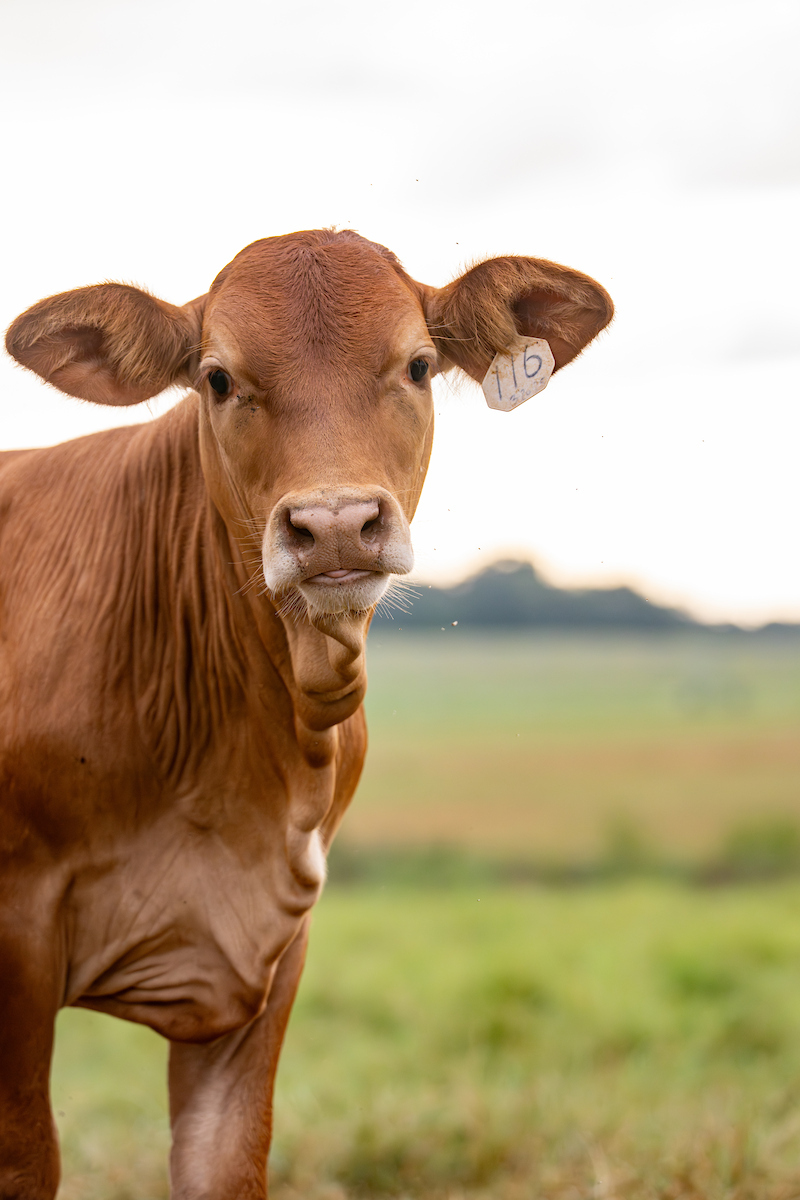
The O. D. Butler, Jr. Animal Science Complex on Thursday, Aug 21, 2025 in College Station, Texas. (Hannah Harrison/Texas A&M AgriLife)
Welcome to our final post of the year. Today, we will review the economic topics that garnered the most attention in 2025 and discuss some of the challenges we anticipate in the upcoming year. Enjoy this Holiday Season, and see you all next year! [Read more…] about Looking Back on 2025: A Year in Review
Pasture, Rangeland, and Forage Insurance Deadline is Coming Soon
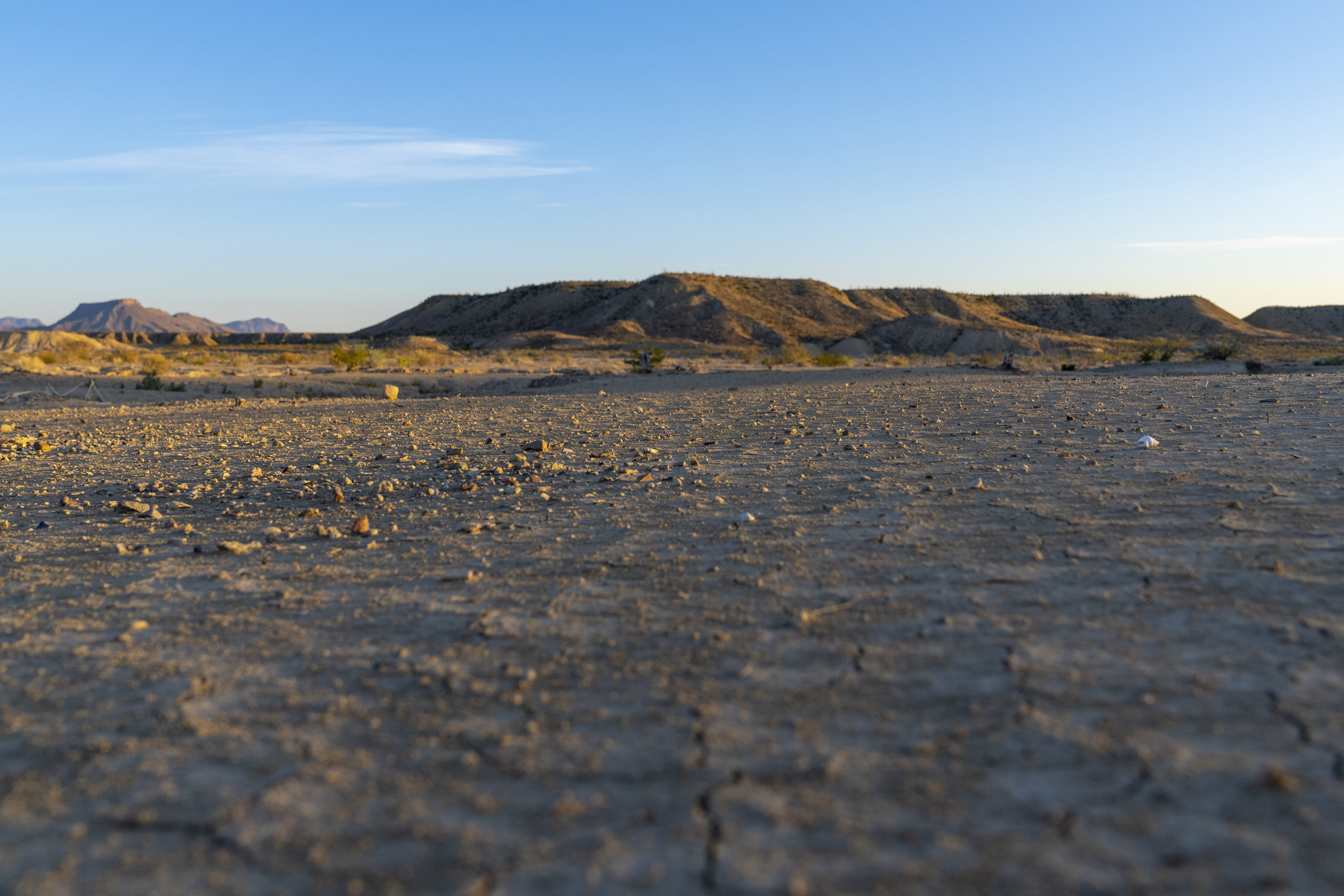
Photo by Michael Miller/Texas A&M AgriLife Marketing and Communications
For the past 25 years, a significant portion of Texas has faced drought conditions nearly every year. According to the latest Drought Monitor report of October 30, around 77% of Texas is currently experiencing some level of drought. The USDA provides a tool to assist ranchers during these challenging times. [Read more…] about Pasture, Rangeland, and Forage Insurance Deadline is Coming Soon
Beef Cattle Decision Aids: Let Your Numbers Do the Talking
Let Your Numbers Do the Talking
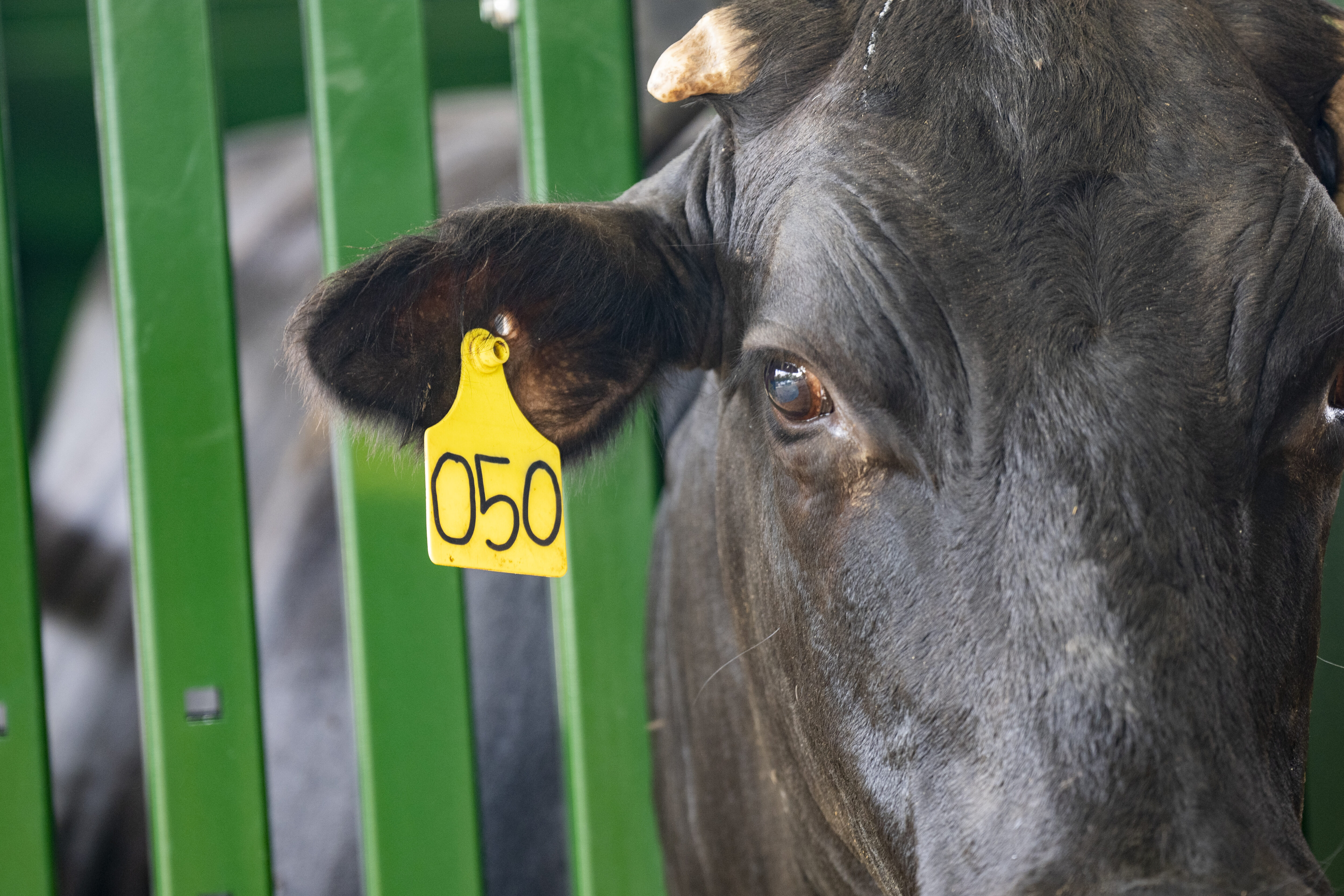
Beef Cattle Short Course on Aug. 3, 2022 in College Station, Texas. (Sam Craft/Texas A&M AgriLife Marketing and Communications)
With cattle markets constantly shifting and production costs on the rise, making sound financial decisions in your cow-calf or stocker operation is more important than ever. Whether you’re thinking about purchasing replacement females, retaining ownership past weaning, or evaluating a preconditioning program, there’s a tool available to help guide those decisions. The Beef Cattle Decision Aids walk you through all of these topics and much more! [Read more…] about Beef Cattle Decision Aids: Let Your Numbers Do the Talking
LRP Use Surges as Cattle Prices Climb
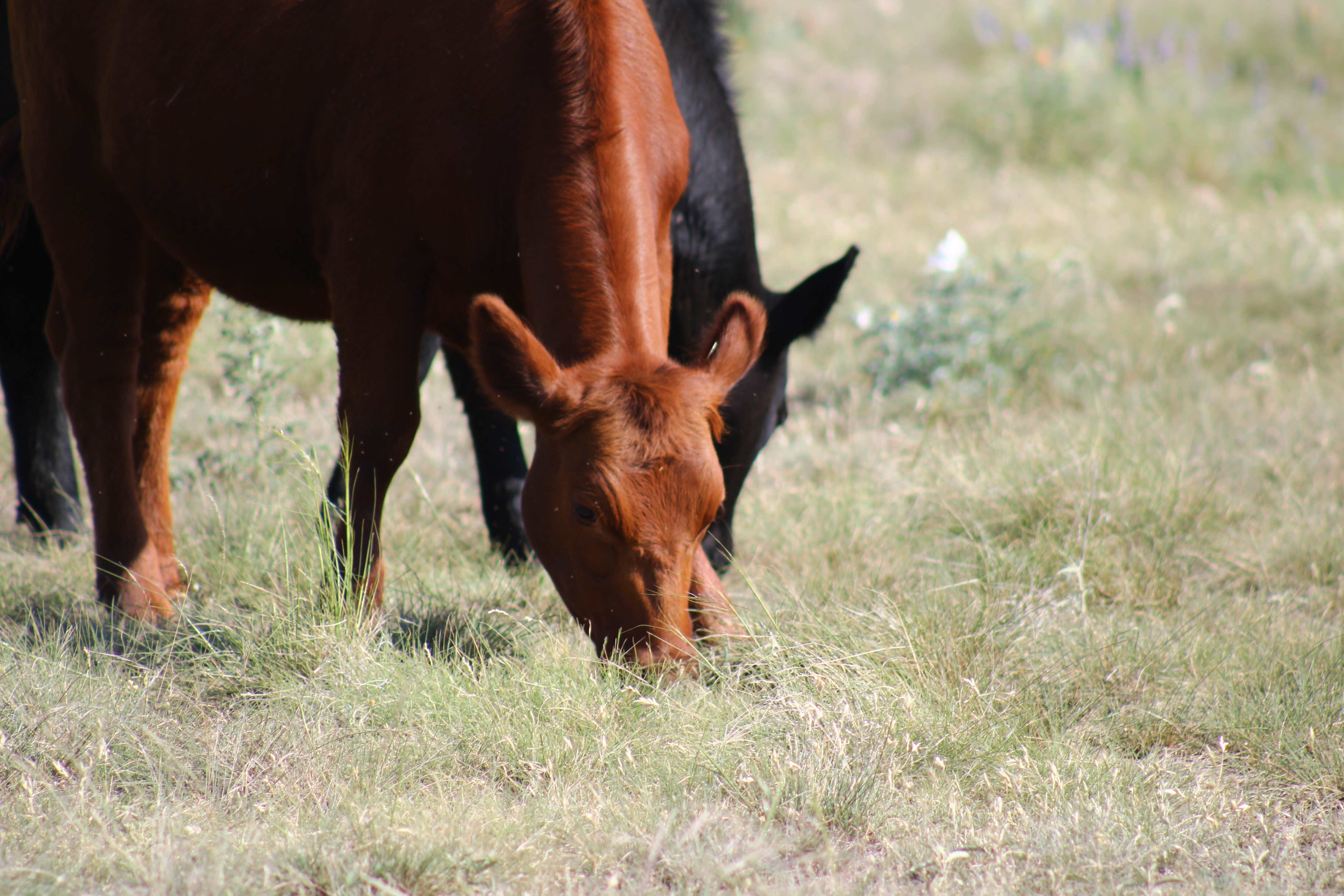 Over the last few years, the Livestock Risk Protection (LRP) program has really taken off, especially for cattle producers in the South. What used to be a small, barely used safety net that covered just 71,000 head back in 2017 has exploded. By mid 2025, participation reached 7.5 million head. The last couple of years alone have been big, with nearly 5 million head in 2023 and over 6 million in 2024. Much of that growth comes from USDA changes that made the program cheaper and easier to use, along with the strong rebound in feeder and live cattle prices. [Read more…] about LRP Use Surges as Cattle Prices Climb
Upcoming Workshop in Homestead, FL

Farmers and ranchers in South Florida—mark your calendars! On Thursday, August 7, 2025, producers are invited to attend our Business Planning & Tax Management for Farmers and Ranchers workshop. This is a hands-on, half-day workshop focused on strengthening the business portion of your agricultural operation. [Read more…] about Upcoming Workshop in Homestead, FL