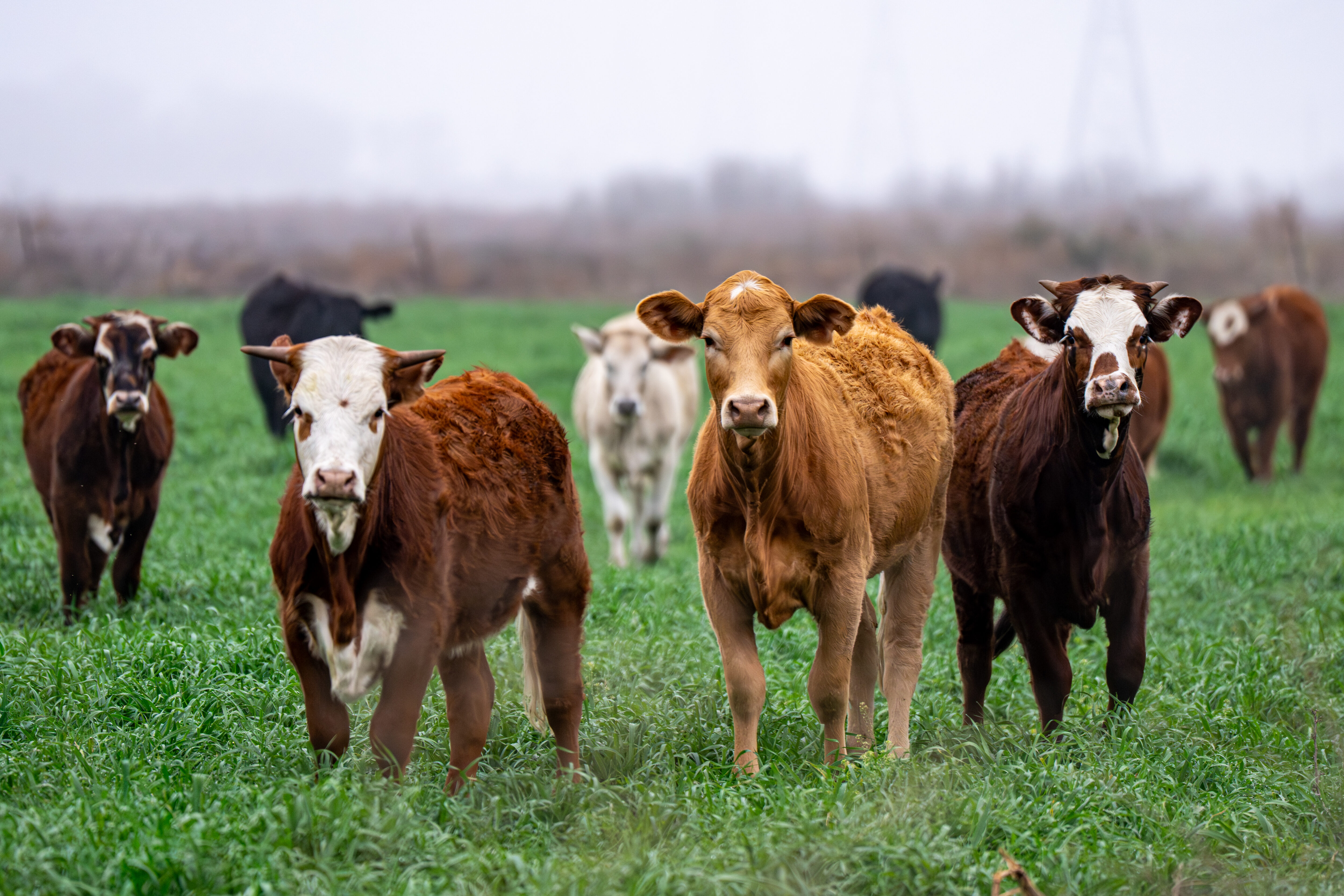
At the Warren Ranch on Friday, Jan 23, 2026 in College Station, Texas. (Hannah Harrison/Texas A&M AgriLife) At the Warren Ranch on Friday, Jan 23, 2026 in Hockley, Texas. (Hannah Harrison/Texas A&M AgriLife)
When cattle prices are strong, producers tend to start thinking about herd expansion. While high cattle prices and strong market signals often spark interest in growth, each producer has different costs, which changes the market signal to expand – some are earlier to expand, and some are later. Herd expansion is, at its core, an economic decision shaped by prices, costs, capital constraints, and risk.
Following the Market Signals
Price signals are typically the first thing most producers look at when considering herd expansion. High cattle prices, strong feeder cattle markets, and favorable bred cow values can all point towards profitable expansion. Often, these signals are reinforced by tight cattle supplies. However, expansion decisions depend on expected prices, not just current prices. The biological nature of beef production further complicates expansion decisions. There is an inherent lag between investing in replacement females and marketing their first calves.
The key question to ask here is – are strong prices likely to hold when additional calves finally reach the market?

Figure 1. Weekly Steer Calf Prices, 500-600lbs, Southern Plains. Source: Livestock Marketing Information Center.
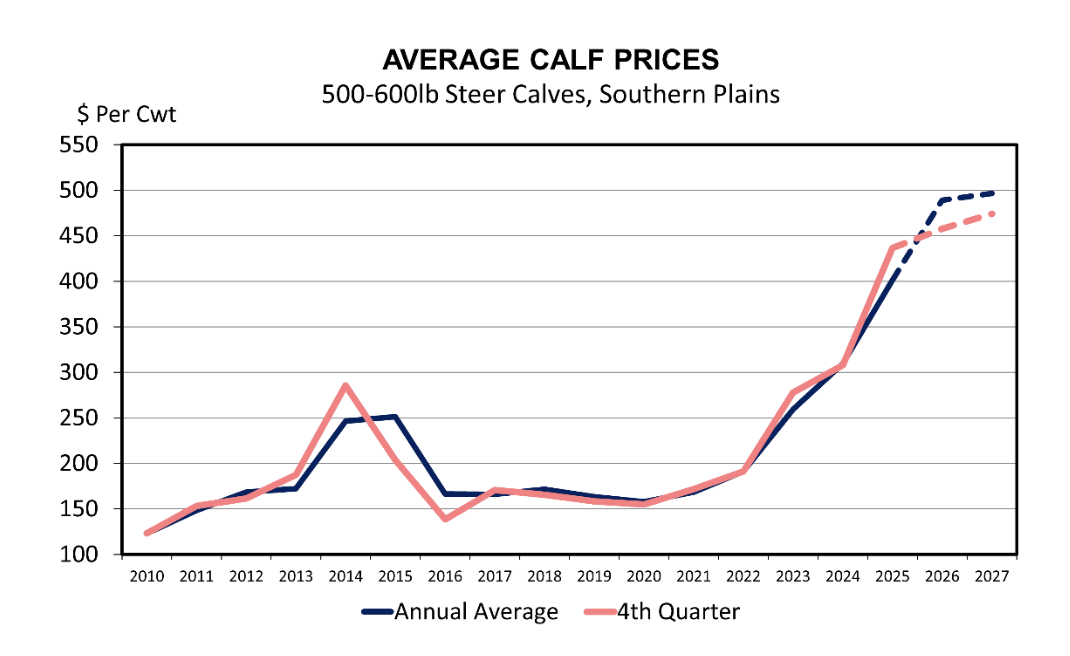
Figure 2. Average Annual Calf Prices, 500-600lb Steer Calves, Southern Plains. Source: Livestock Marketing Information Center.
Counting the Full Cost of Expansion
Underestimating the true cost of herd expansion is one of the most common pitfalls for producers. Upfront capital requirements are significant and extend far beyond the purchase price of replacement females. A larger herd often brings increased costs for feed, grazing, labor, animal health, and breeding. In some cases, additional infrastructure such as fencing, water development, or handling facilities may be required to support a larger herd.
Timing also matters when it comes to herd expansion. Because of biological lags, developing or purchasing replacement females means cash could be tied up for months – or even years – before the first calf is sold. Producers often incur additional costs long before additional revenue shows up, increasing liquidity needs and reliance on borrowed capital.
These additional capital needs can strain cash flow, particularly when interest rates are high. One straight-forward method to ensure the full cost of expansion is counted is the use of an enterprise budget (Texas Crop and Livestock Budgets – Extension Agricultural Economics).
Managing Risk
Risk and management capacity ultimately determine whether expansion pays off in terms of whole-ranch profitability. Production risks such as drought, forage variability, and reproductive performance can limit the performance of additional cows. Market risks remain a concern, even in favorable cycles, and expansions can reduce flexibility if herd size becomes difficult to scale back. Effective risk management – through insurance, marketing strategies, or conservative stocking decisions – can help offset some of these challenges but cannot eliminate them entirely.
The Bottom Line
Ultimately, cow herd expansion should be evaluated as a long-term strategic decision rather than a short-term response to high prices. A whole-operation perspective that considers opportunity costs, cash flow timing, risk exposure, and managerial capacity is critical. When expansion aligns with available resources and long-run operational goals, it can strengthen an operation’s economic position.