Aug. 9, 2022 in College Station, Texas. (Sam Craft/Texas A&M AgriLife Marketing and Communications)
On June 28, USDA released its Acreage Report for 2024. In this post, we look at how planted acres in 2024 for corn, sorghum, wheat and cotton compares to 2023 and to the March Prospective Plantings survey. We also examine how the Acreage report impacts production estimates in the July WASDE.
Report Summary
The June acreage report shows significant changes in planted acres compared to last year. Table 1 compares acreage in the June report to planted acres in 2023 for the principal crops grown on the Texas High Plains. According to the report, producers planted fewer acres this year in corn, sorghum, and wheat. However, when USDA published the report, there were about 3 million acres of corn yet to be planted. If those acres are planted, 2024 corn planted acres will approximately equal 2023 acreage. Upland cotton acres posted the lone increase relative to 2023 with about 1.4 million more acres planted in 2024.
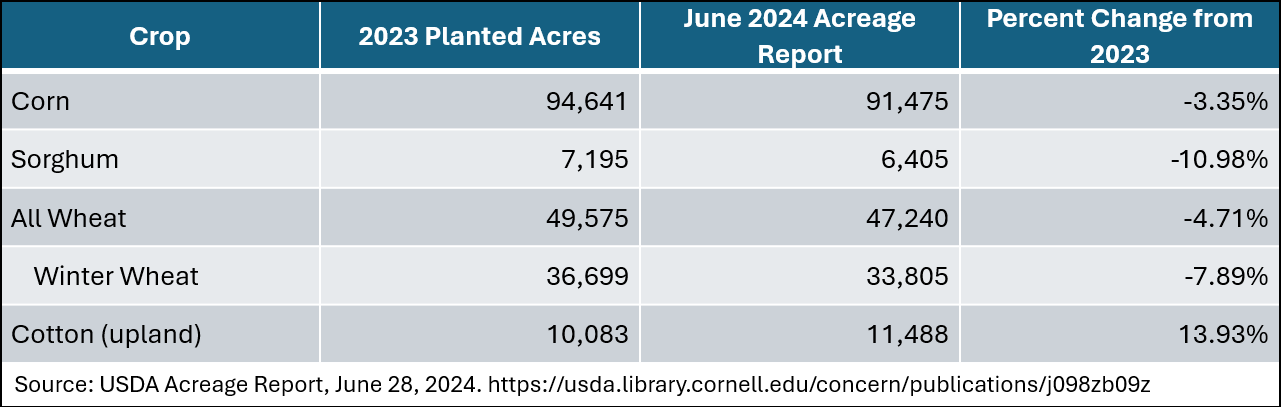
Table 1. United States Planted Acres, 2023 vs. June 2024
Table 2 illustrates how planted acres in 2024 compares to 2023 for the state of Texas. The story in Texas is like that of the United States. The report shows significantly fewer acres planted to corn, sorghum and wheat and significantly more acres planted to cotton.
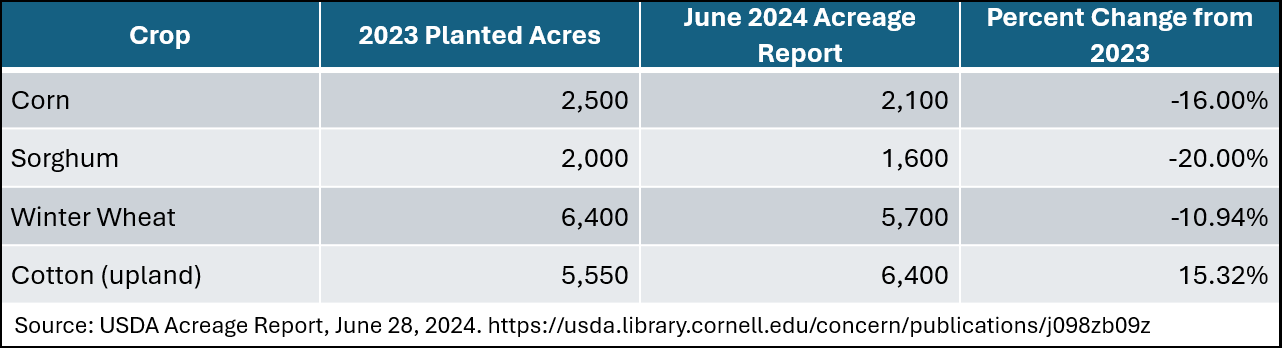
Table 2. Texas Planted Acres, 2023 vs. June 2024
Tables 3 and 4 compare numbers from the June report to those reported in the March Prospective Plantings Survey. For the United States (Table 3), planted acres for corn and sorghum are up slightly compared to March survey while wheat acres are down. In Texas (Table 4), corn acres held steady while sorghum and wheat acres are less. For both the United States and Texas, the surprise from Mach to June is acres planted to cotton. Nationally, producers planted about 1 million more acres than anticipated in the March survey. About 900 thousand of those additional acres were planted in Texas.
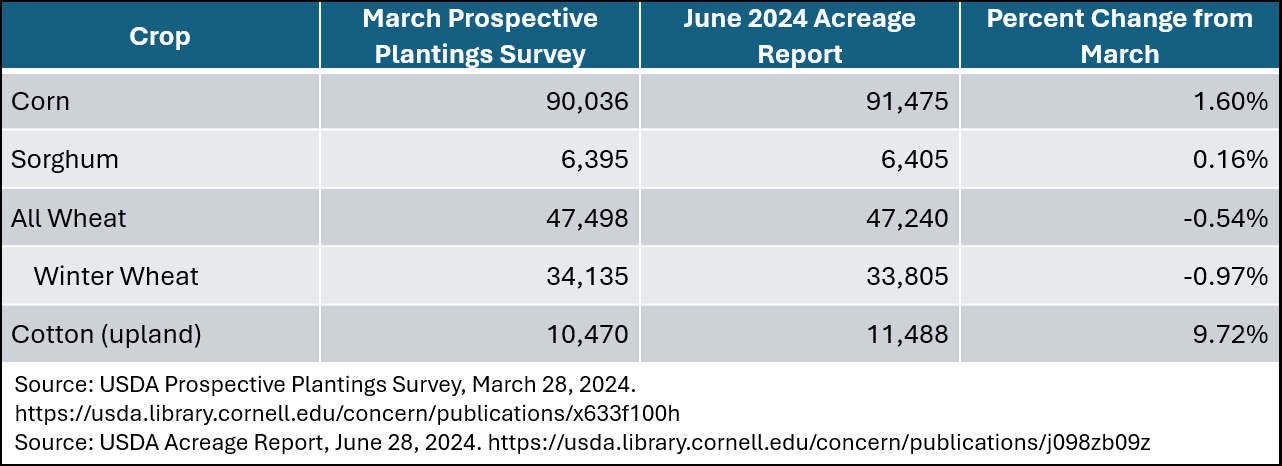
Table 3. United States Planted Acres, March vs. June 2024
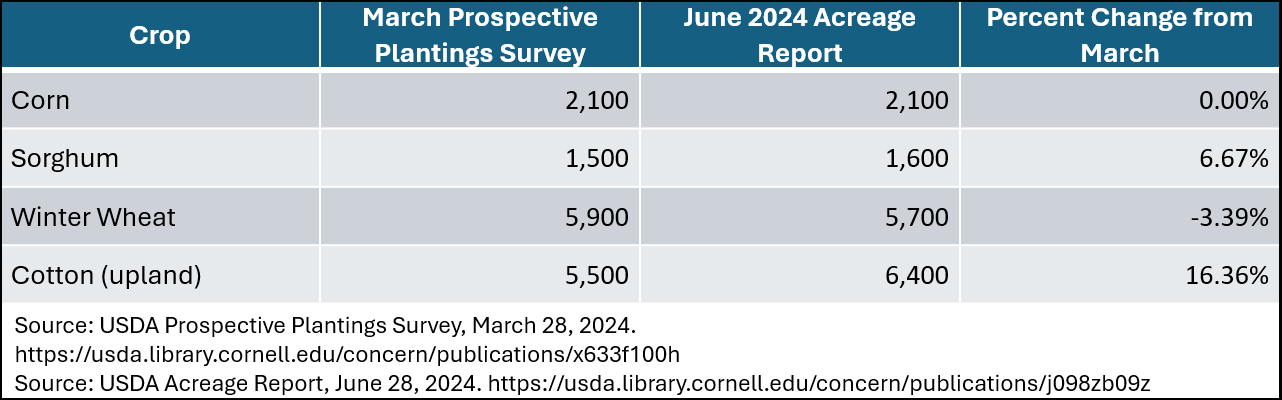
Table 4. Texas Planted Acres, March vs. June 2024
Potential Impact on Production
So how will the changes in acreage reported above impact production and supply in 2024? Table 5 summarizes the July WASDE report, published on July 12. Compared to the 2023/24 crop year, production and ending stocks are expected to increase significantly for all four crops. For corn, sorghum, and wheat, this is the result of two things. Yield increases offset acreage reductions, and USDA expects larger beginning stocks this year. The increase in cotton ending stocks is the result of more acres planted and fewer acres abandoned relative to 2023.
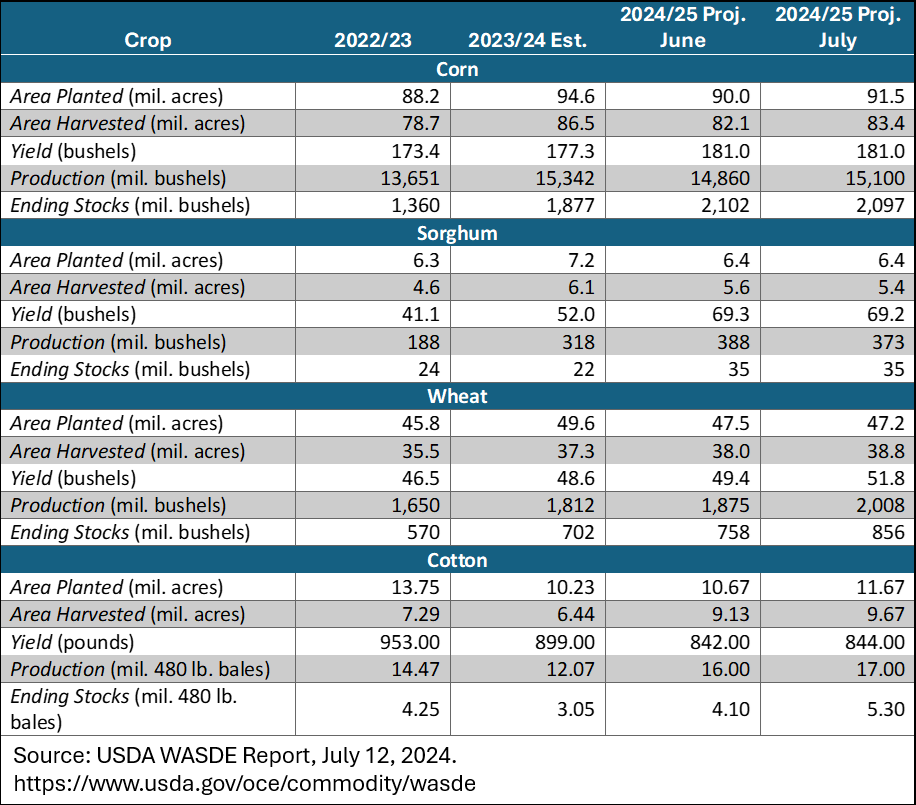
Table 5. WASDE summary, July 2024