(Laura McKenzie/Texas A&M AgriLife Marketing and Communications)
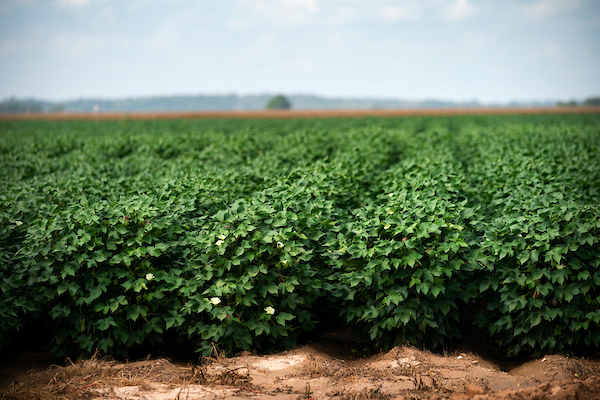
When we think of cotton, we think primarily of the fiber used in producing clothing, bed sheets, towels, and other textiles. However, cottonseed, a byproduct of cotton production, has a variety of uses that make it valuable as well. In today’s post, we discuss the uses and pricing of cottonseed. [Read more…] about High Plains Ag Week 10/27/2023 – Cottonseed Markets
 Continuing our fall market updates this week, we reviewed the peanuts market. We discuss this season’s recent USDA Crop Progress report data, market trends, and market challenges.
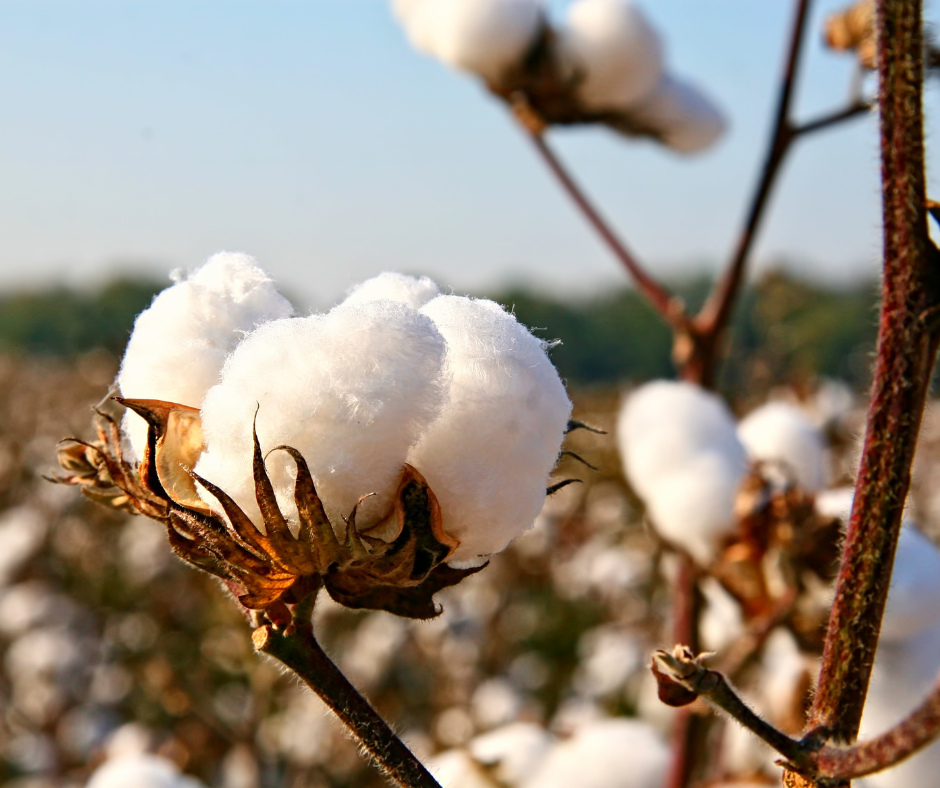 After a hot and dry summer, many producers will face the difficult choice of whether to harvest cotton from low-yielding fields. Today, we will review a decision aid called the Cotton Harvest Decision Budget. This tool will help you analyze the harvest decision for low-yielding cotton fields to determine whether harvesting this cotton will be a profitable decision this year.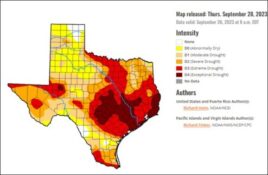
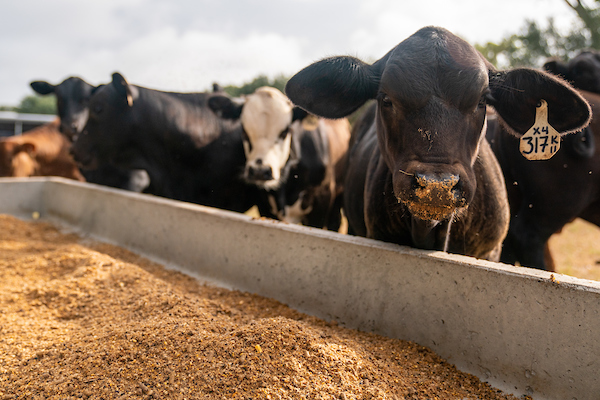

 This week, we provide an update on the grain markets and look at the current supply and use projections for corn and sorghum in the August USDA World Agricultural Supply and Demand Estimate (