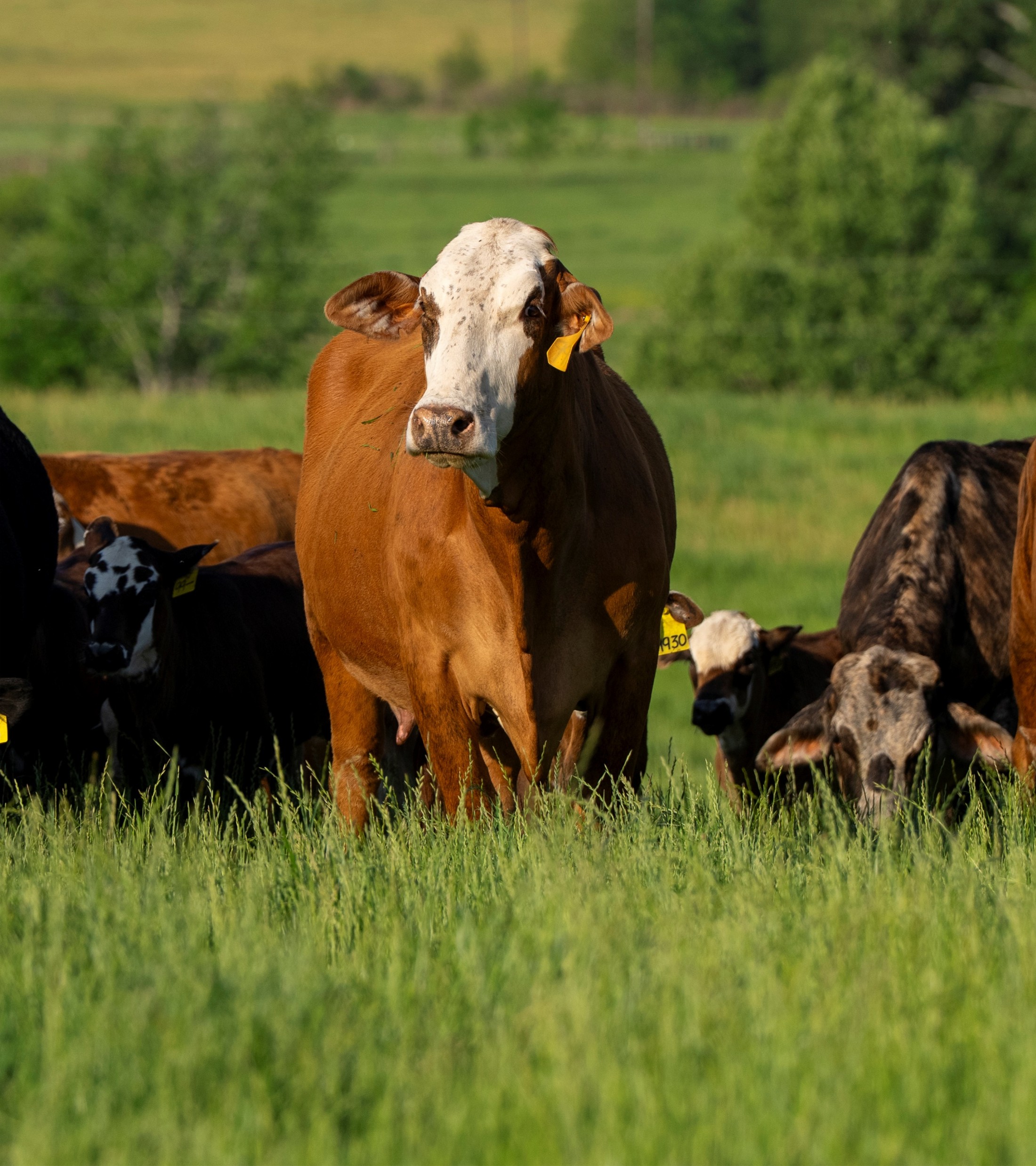
 With cattle prices reaching record highs, it’s more rewarding than ever to be in the cattle business. It’s also more expensive than ever to raise cattle, with estimated annual production costs of nearly $1,100 per head for cow-calf operators. With these kinds of prices, it’s more important than ever to be diligent when making culling and purchasing decisions. Today, in her first article as a new author for the Ag Economics on the Plains Blog, Merri Beth Day, AgriLife Extension Economist for District 1, reviews some considerations for deciding whether to buy replacement heifers.
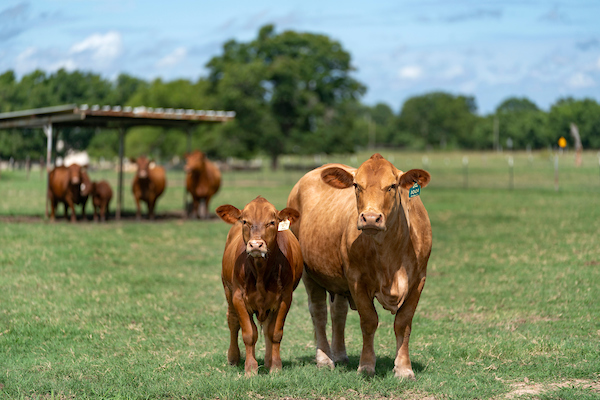
 Over the last few years, the Livestock Risk Protection (LRP) program has really taken off, especially for cattle producers in the South. What used to be a small, barely used safety net that covered just 71,000 head back in 2017 has exploded. By mid 2025, participation reached 7.5 million head. The last couple of years alone have been big, with nearly 5 million head in 2023 and over 6 million in 2024. Much of that growth comes from USDA changes that made the program cheaper and easier to use, along with the strong rebound in feeder and live cattle prices.
 If you’re a dual-purpose wheat producer in Texas, today—July 15—is your last chance to enroll in the Dual-Purpose Annual Forage Insurance Program for next season. With summer in full swing, now is the time to make risk management decisions that could make a big difference come drought season.
 Inflation continues to concern consumers, farmers, and policymakers. In this post, we discuss how inflation has impacted prices paid by farms for production inputs.