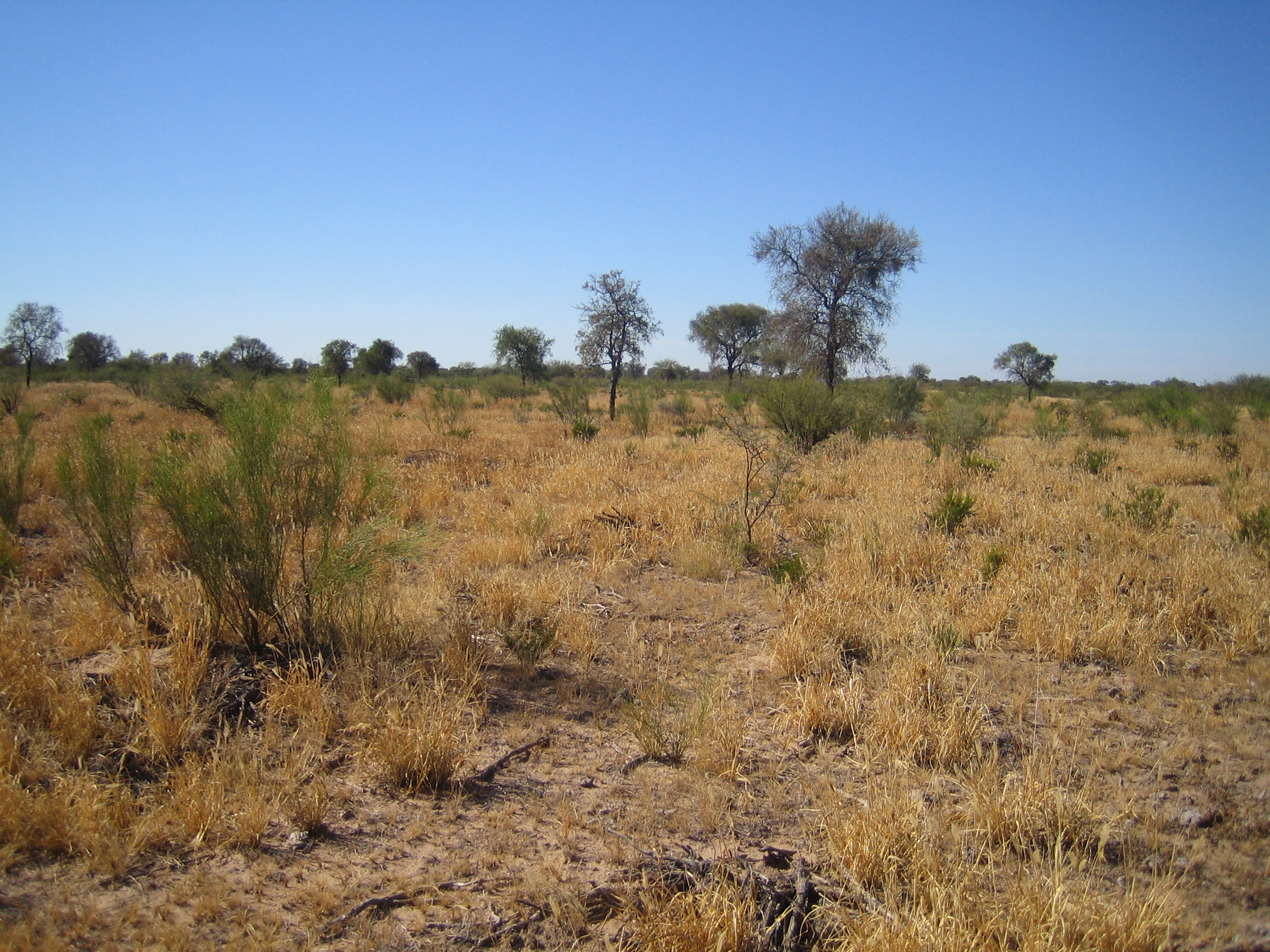
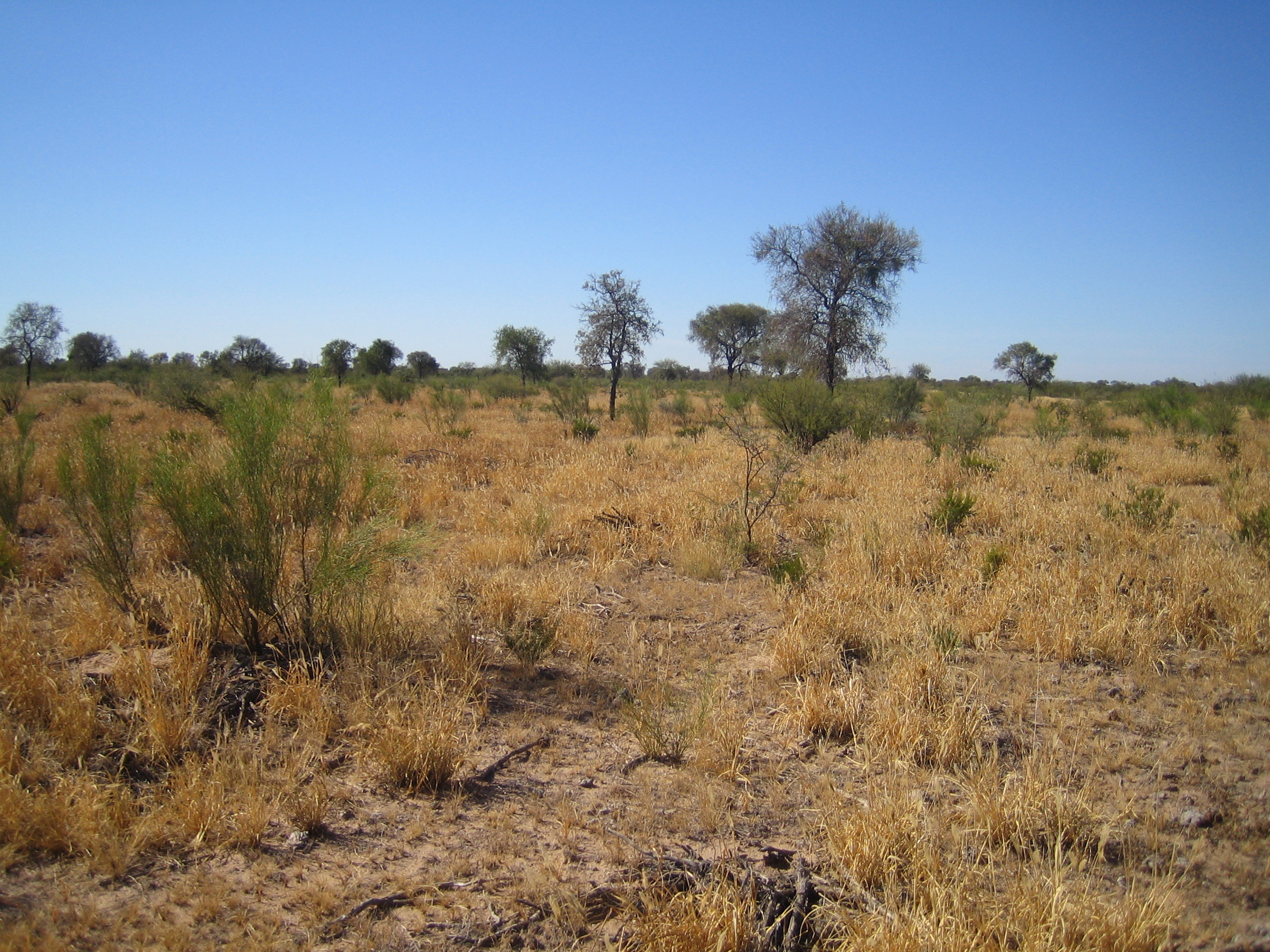
 Droughts have had devastating effects on our operation. While 50% of the Southern Plains are not currently in a drought, the CPC-IRI Forecast has increased the likelihood of having a Niña season by the end of this summer until the end of the 2025 winter, which is correlated with lower rainfall in our area. To prepare our business for the future and ensure long-term sustainability, we must have and implement a drought management plan.
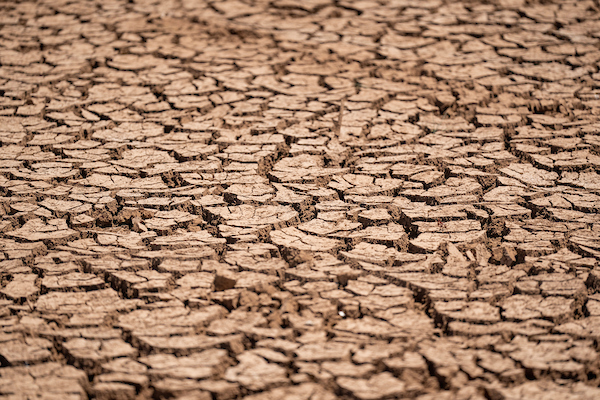
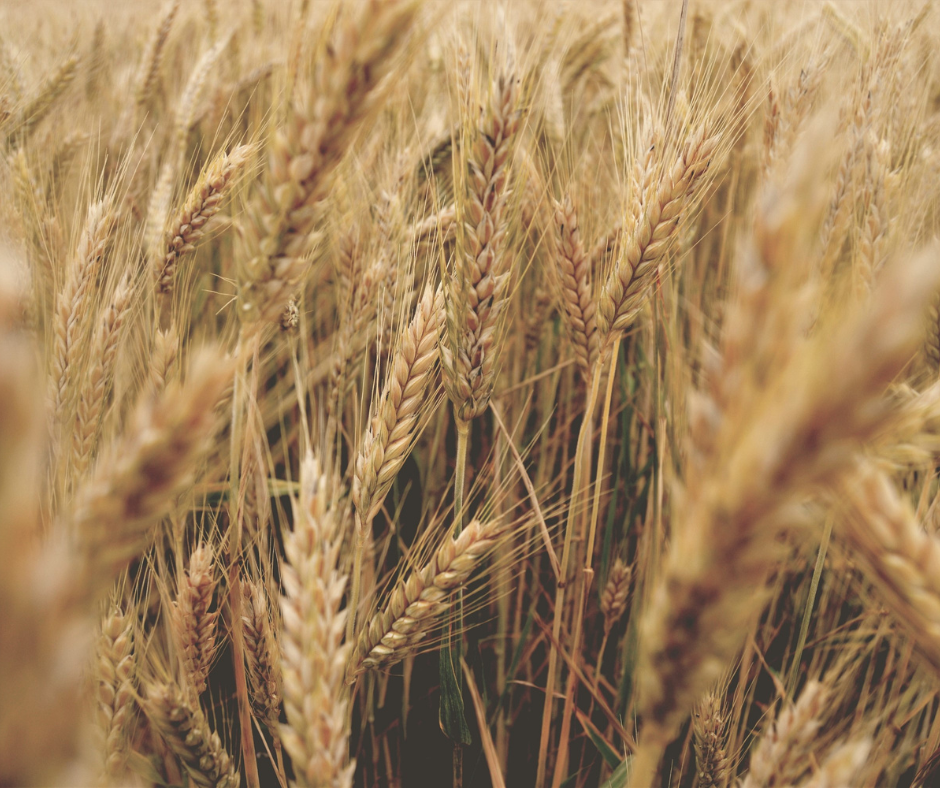 Dryland wheat grain and forage conditions in our area are better than last year but still not the best. The Wheat and Small Grain Decision Aids will help you analyze the best alternative for your wheat fields according to your expected yields, production costs, equipment, and other variables.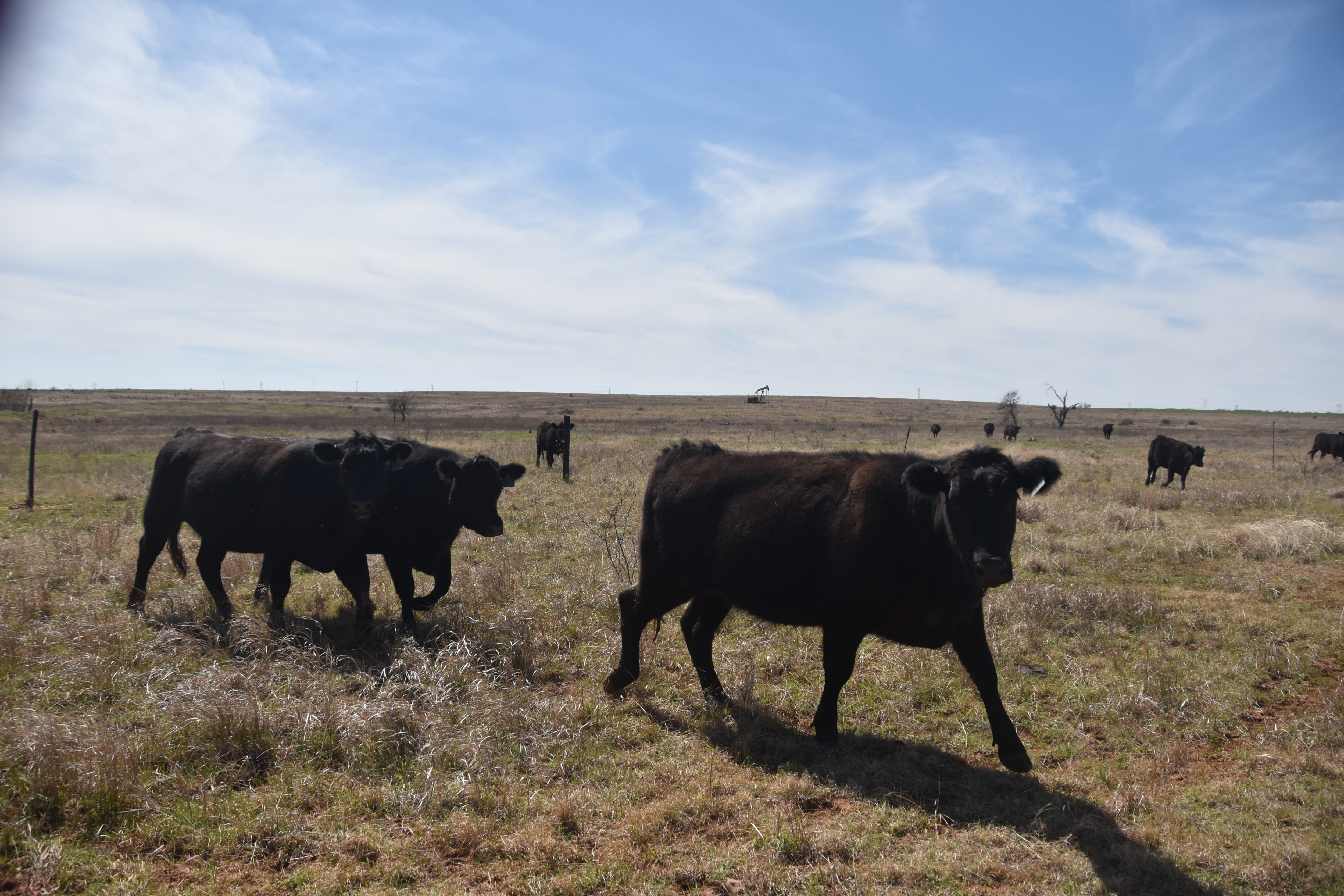
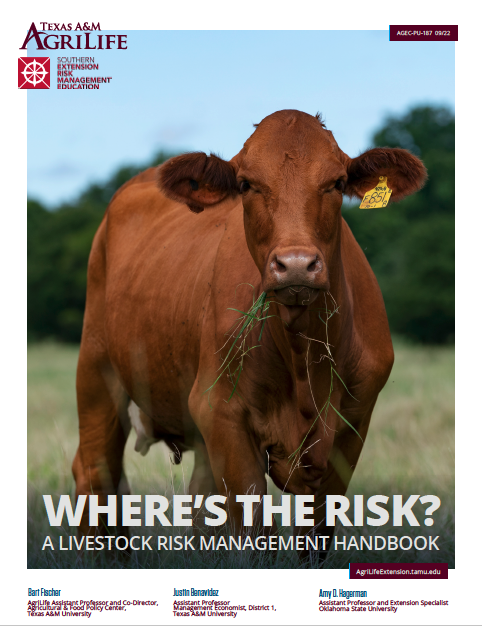 In a world where drought, market reports, and geo-political events pressure livestock producers risk management is becoming increasingly important. Faculty from Texas A&M AgriLife and Oklahoma State University came together to produce, “Where’s the Risk: A Livestock Risk Management Handbook.”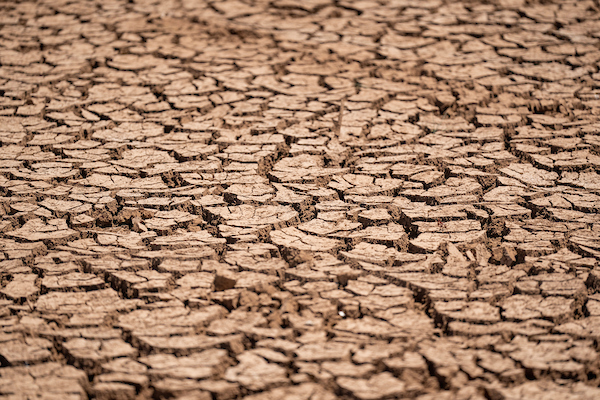
 Lack of rainfall in many areas and high fertilizer costs are the two biggest concerns determining bermudagrass hay production this year. Today we will review our District budgets, breakeven prices, and fertilization decision aids for a profitable bermudagrass hay production.
 The USDA-RMA, has postponed the Pasture, Rangeland, and Forage Pilot Insurance Program (PRF), better known as the rainfall insurance, until December 1st. Incorporating this risk management tool will help reduce the economic impact of a lack of rainfall in our operations.