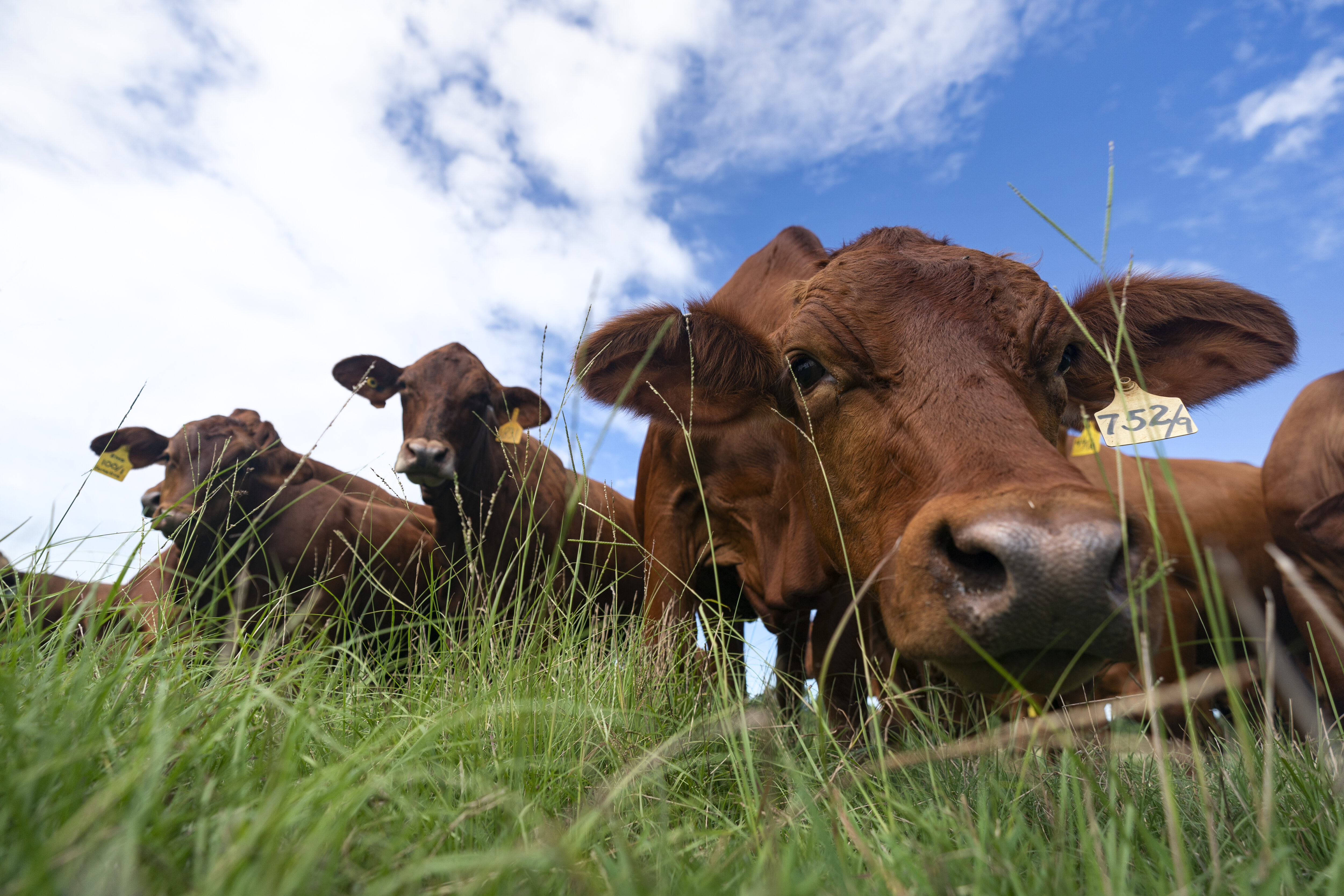
As defined by USDA-NRCS, a Grazing Management Plan (GMP) is “a site-specific conservation plan that contains planned grazing related conservation treatment activities for one or more resource concerns.” (https://www.nrcs.usda.gov/). The element of conservation is what sets apart a GMP from a general management plan for your operation. In this article, we discuss the essential elements of a GMP and how developing a GMP specific to your operation can help in planning for pasture, profit, and performance.
Developing a GMP
To meet the definition of a GMP, there are some specific items that must be included:
- Operational goals and set objectives to achieve those goals. Examples of operational goals and objectives include (but are not limited to): maintenance and/or improvement in water use and water quality; improvement in soil health; optimized forage production and quality; improvement in wildlife habitat; improvement in animal efficiency; improvement in animal yield; increased profitability.
- Resource inventory that considers both quantity and quality. Some resources to take stock of when developing a GMP are land and forages. Specifically, you will need to evaluate grazeable versus non-grazeable acres and identify desirable versus undesirable forage species. Other resources to take stock of include infrastructure, fencing, water, and human capital.
- Identify metrics to help monitor your progress towards your operational goals. These may vary depending on the goals you set for your operation. For example, if your goal is to improve soil health, you may consider soil tests to identify where and how you can improve the nutrients in your soil.
- Develop a contingency plan. While you certainly cannot plan for every possible scenario, having a contingency plan and a risk management strategy is key to a sustainable GMP.
Planning for Pasture
A GMP can help you plan for pasture by assessing forage availability and carrying capacity, which can help prevent overgrazing and negative impacts to soil health. Calculating carrying capacity (animal units per acre) can help determine stocking rates, which should be adjusted to match forage supply throughout the grazing season. A GMP can also facilitate the implementation and monitoring of rotational grazing and adequate rest periods, which may improve forage quality. Additionally, contingency planning (key component of GMP) for drought conditions and seasonal variability is a critical aspect of planning for pasture.
Planning for Performance
Planning for performance first requires that you define cattle performance goals (weight gain, reproduction, body condition) and match nutrition to achieve those goals. A GMP can assist with planning for performance by identifying seasons with low forage availability and scheduling supplemental feeding strategies. A GMP can also help with adjusting stocking rates based on body condition, which is a critical aspect of planning for performance. Integrating animal health and stress management into contingency and risk management plans can also help limit losses and reproductive inefficiencies.
Planning for Profit
Overstocking can lead to reduced forage availability and higher supplemental feed costs, while understocking reduces revenue potential. This makes it critical that stocking rates are aligned with economic goals when planning for profit. Management of variable costs like feed and labor directly affect profitability. A GMP can help with incorporating cost control and input efficiency measures, such as using rotational grazing to lengthen the grazing season and reduce supplemental feed costs. Defining ways to take advantage of market timing and risk management tools (e.g., PRF insurance, forward contracts, etc.) in your GMP can help protect against market volatility and other economic risks.