• Skip to primary navigation
  • Skip to main content
  • Skip to primary sidebar
  • Texas A&M Forest Service
  • Texas A&M Veterinary Medical Diagnostics Laboratory
  • Texas A&M AgriLife Extension Service
  • Texas A&M AgriLife Research
  • Texas A&M College of Agrculture and Life Sciences
Wildlife Ecotoxicology
  • Menu
  • About
  • Dr. Miguel Mora
  • Students
  • Research
    • Graduate Student Research
    • International Research
    • Contaminants Study in Mexico
  • Publications
  • SETAC – TAMU
  • SACNAS – TAMU

Graduate Student Research

Graduate Student Research

Beth Sabin

Beth is working to quantify the risks to northern bobwhite (Colinis virginianus) from neonicotinoid insecticides. The bobwhite is an indicator species of successional stage habitat and has experienced population declines within the last 30 years. Within the South Texas Plains Ecoregion bobwhites inhabit areas around active agricultural fields where neonicotinoid insecticides are applied. She will quantify the risk that the continued use of neonicotinoid insecticides at its current quantity has on bobwhites in the South Texas Plains Ecoregion. She will use available data to estimate the current quantity of insecticides applied, the concentration of insecticides within the media, and create ingestion and dermal exposure models. She will examine toxicological data for the bobwhite and neonicotinoid insecticides. She will incorporate population modeling to examine direct (contaminated media) and indirect effects (reduction in insect prey base) of insecticides on the bobwhite at the population level. She will discuss strategies to manage and mitigate for the risk that neonicotinoid insecticides pose to bobwhites.


Chelsea Hidalgo

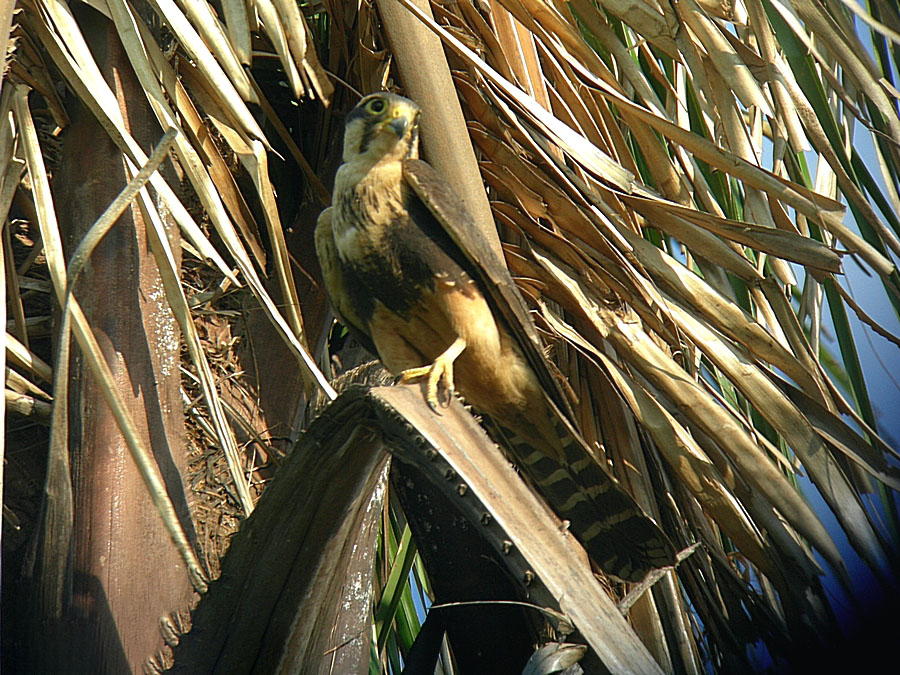
Chelsea’s research is on the status and trends of persistent organic pollutants in eggs of aplomado falcons from south Texas. Chelsea is working to understand the current impacts of persistent organic pollutants on the Northern Aplomado Falcon. The Aplomado Falcon was once common in the American southwest, but declined to extinction from the U.S. in the mid-1900s due to pesticide use and habitat loss. Organochlorine pesticide use has been associated with eggshell thinning and subsequent declines in bird populations, and other contaminants have led to malignant effects that inhibit successful population maintenance or growth. With addled eggs collected from south Texas from over the past decade, she will measure eggshell thickness and contaminant loads to compare from earlier years to now, in order to better understand the current status of this iconic bird.


Recent Posts

  • JWM: Study finds bobwhites exposed to pesticides

Recent Comments

    Meta

    • Log in
    • Entries feed
    • Comments feed
    • WordPress.org

    Navigation

    • About
    • Dr. Miguel Mora
    • Students
    • Research
      • Graduate Student Research
      • International Research
      • Contaminants Study in Mexico
    • Publications
    • SETAC – TAMU
    • SACNAS – TAMU

    Research News

    • JWM: Study finds bobwhites exposed to pesticides

    TAMU SACNAS Chapter

    SACNAS TAMU ChapterA non-excluding organization that provides support for Hispanics/Chicanos, Native Americans, Alaska Natives, Native Hawaiians and any other underrepresented minority students in science, engineering and technology fields.

    Graduate Program

    • Graduation Program Application
    • Pathways to Doctorate Fellowships

    Contact

    Dr. Miguel Mora
    (979) 845-5775
    mmora@tamu.edu

    Wildlife, Fisheries, and Ecological Sciences Building (WFES)
    Room 258
    534 John Kimbrough Blvd.
    College Station, Texas 77843-2258


    • Compact with Texans
    • Privacy and Security
    • Accessibility Policy
    • State Link Policy
    • Statewide Search
    • Veterans Benefits
    • Military Families
    • Risk, Fraud & Misconduct Hotline
    • Texas Homeland Security
    • Texas Veterans Portal
    • Equal Opportunity
    • Open Records/Public Information
    Texas A&M University System Member